
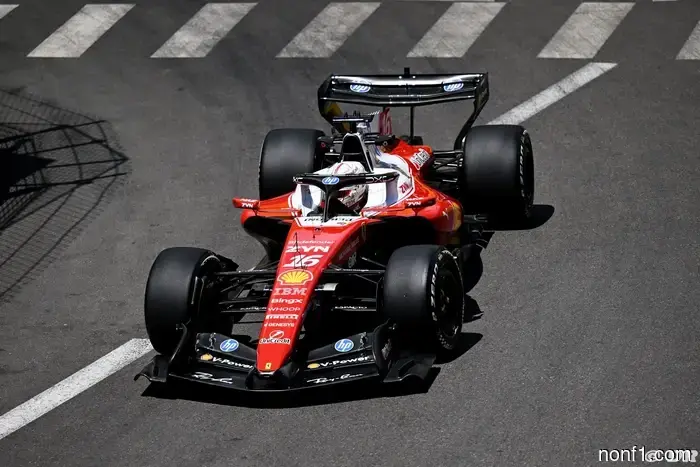
Leclerc's brake issues are more complicated than just blaming Brembo.
Charles Leclerc's explosive outburst in Monaco may have unfairly targeted Brembo, as per new analysis from Italy. The Ferrari driver lost his podium chance after crashing and declared he would not "take the f*cking blame" for what he described as serious and persistent brake issues. The situation escalated when Brembo released a rare public statement expressing surprise at Leclerc’s remarks and cautioning that it was premature to reach conclusions without analyzing the data.
Respected technical analyst Paolo Filisetti from La Gazzetta dello Sport suggests that the reality behind the incident may be much more complex than a straightforward brake failure. "The cause and solution may actually be the same," Filisetti stated. He indicated that various factors and adjustments, particularly concerning the energy regeneration system of the rear brakes and the operating temperature range of discs and pads, could be at play.
With the introduction of Formula 1’s heavily electrified regulations for 2026, braking systems have become increasingly integrated with energy recovery. Filisetti emphasized that the unique conditions in Monaco likely exacerbated the situation. "It’s important not to overlook that the FIA decided to reduce the electrical system's power output for safety during this weekend," he noted.
He theorized that the combination of diminished energy recovery and Monaco’s low average speeds might have caused Leclerc’s rear brakes to operate below their optimal temperature range, resulting in them being "too cold and unable to produce sufficient friction between the discs and pads." He also pointed out that deep braking is nearly absent on this circuit.
Filisetti underscored that the telemetry analysis will ultimately clarify what happened, but mentioned a crucial clue: Lewis Hamilton faced no issues after changing his brake configuration several races ago. "The fact that Hamilton did not have any problems, while Leclerc repeatedly mentioned during the weekend that his braking feel was not ideal, implies that the solution used on Lewis's car was effective in preventing similar issues," he noted.
Leclerc has already confirmed plans to switch to Hamilton’s setup, utilizing Carbon Industrie components, starting from the Barcelona race. The aftermath of the incident also affected the stock market, with Brembo shares dropping from 11.21 euros prior to the Monaco weekend to 11.04 euros when trading resumed on Monday, reflecting a decrease of about 1.5 percent.
Former Formula 1 driver Vitaly Petrov, on the other hand, expressed skepticism about the brakes being solely at fault for Leclerc's crash. "I don’t believe Leclerc’s crash was entirely due to brake issues," he stated on Telegram. Petrov suspects that the Ferrari driver may have encountered a significant amount of rubber 'marbles' on the track, and that a deteriorating track surface might have also contributed to Lance Stroll’s similar incident. "He simply couldn’t turn," Petrov remarked regarding Leclerc. "The second factor was the damaged asphalt."
Other articles
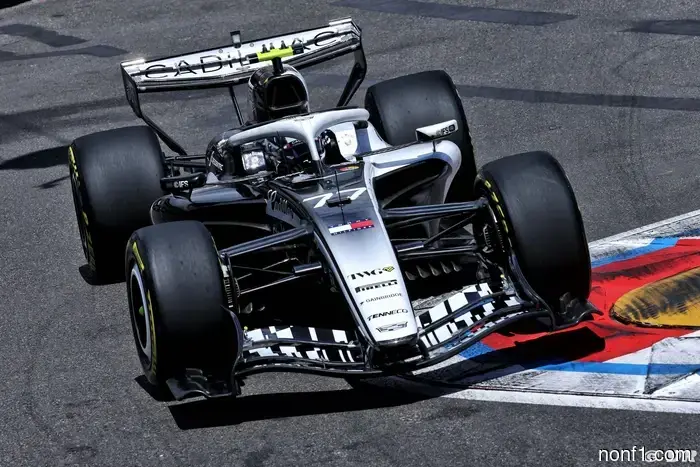 Bottas claims he will remain with Cadillac through 2027.
Formula 1 | Valtteri Bottas has once again sought to quell speculation regarding his future with Cadillac, confidently asserting that he will remain on the Formula 1 grid in (…)
Bottas claims he will remain with Cadillac through 2027.
Formula 1 | Valtteri Bottas has once again sought to quell speculation regarding his future with Cadillac, confidently asserting that he will remain on the Formula 1 grid in (…)
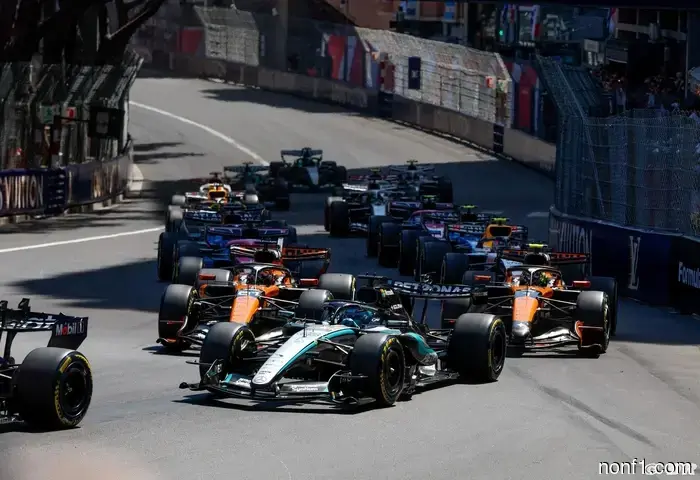 The ADUO engine ruling has ignited a new political dispute in F1.
Formula 1 | The contentious ADUO engine assistance system in Formula 1 is already fueling claims of political maneuvering, even before the FIA has officially (…)
The ADUO engine ruling has ignited a new political dispute in F1.
Formula 1 | The contentious ADUO engine assistance system in Formula 1 is already fueling claims of political maneuvering, even before the FIA has officially (…)
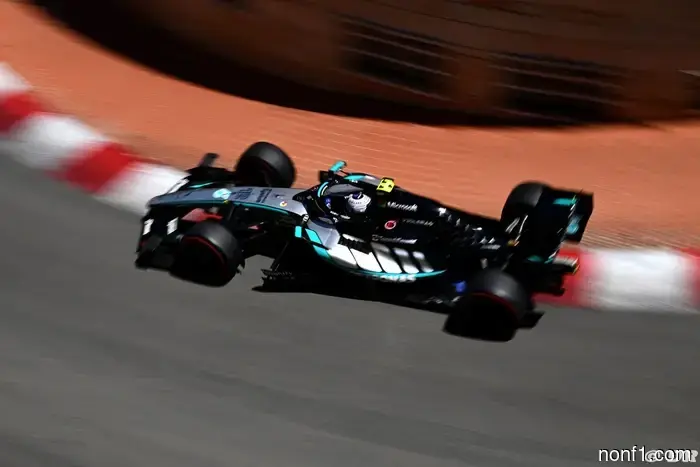 Wolff dismisses rumors about Verstappen joining Mercedes.
Formula 1 | Toto Wolff has provided what might be the most definitive indication so far that Mercedes may have stopped actively chasing Max Verstappen. While Verstappen (…)
Wolff dismisses rumors about Verstappen joining Mercedes.
Formula 1 | Toto Wolff has provided what might be the most definitive indication so far that Mercedes may have stopped actively chasing Max Verstappen. While Verstappen (…)
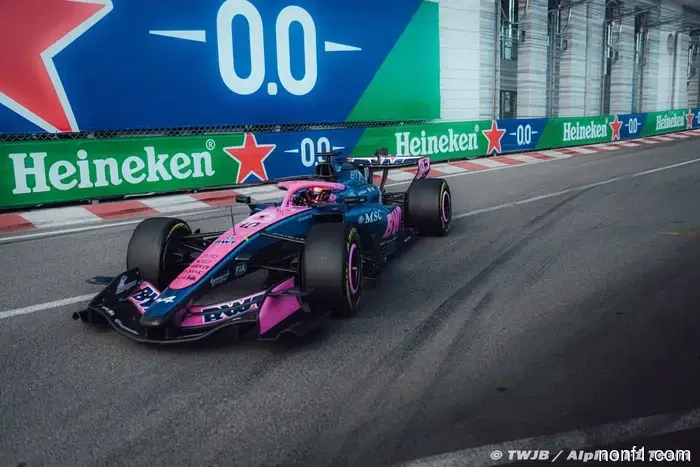 The provost emphasizes that Renault will be in Formula 1 'for a long time.'
Formula 1 | Renault CEO Francois Provost has sought to reassure Formula 1 regarding the car manufacturer's long-term dedication to the sport in the face of ongoing uncertainty (…)
The provost emphasizes that Renault will be in Formula 1 'for a long time.'
Formula 1 | Renault CEO Francois Provost has sought to reassure Formula 1 regarding the car manufacturer's long-term dedication to the sport in the face of ongoing uncertainty (…)
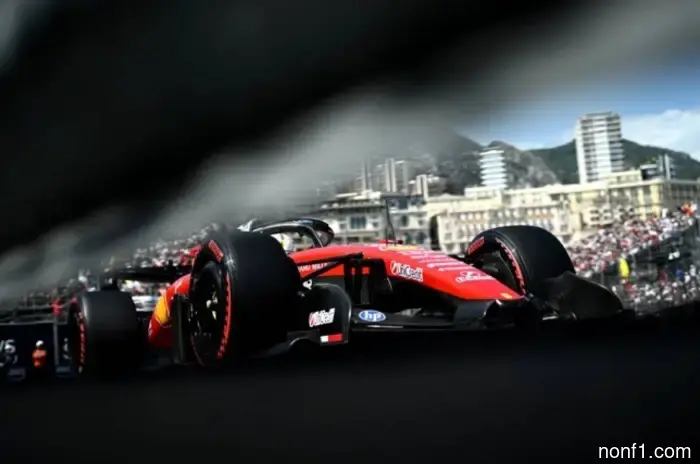 Italian press on Leclerc's brake problem
The Italian press is speculating about the possible causes of Charles Leclerc's crash in Monaco, after which the Ferrari driver stated that it was related to a brake failure...
Italian press on Leclerc's brake problem
The Italian press is speculating about the possible causes of Charles Leclerc's crash in Monaco, after which the Ferrari driver stated that it was related to a brake failure...
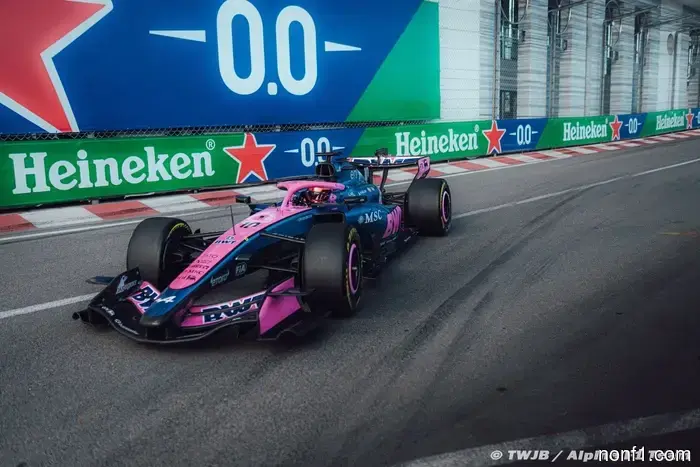 Provost asserts that Renault will remain in F1 'for an extended period.'
Formula 1 | Renault CEO Francois Provost has sought to reassure Formula 1 regarding the automaker's long-term dedication to the sport despite the current uncertainties (…)
Provost asserts that Renault will remain in F1 'for an extended period.'
Formula 1 | Renault CEO Francois Provost has sought to reassure Formula 1 regarding the automaker's long-term dedication to the sport despite the current uncertainties (…)
Leclerc's brake issues are more complicated than just blaming Brembo.
Formula 1 | Recent analysis from Italy suggests that Charles Leclerc's angry remarks following the Monaco race may have unjustly attributed all the fault to Brembo. The Ferrari (…)