
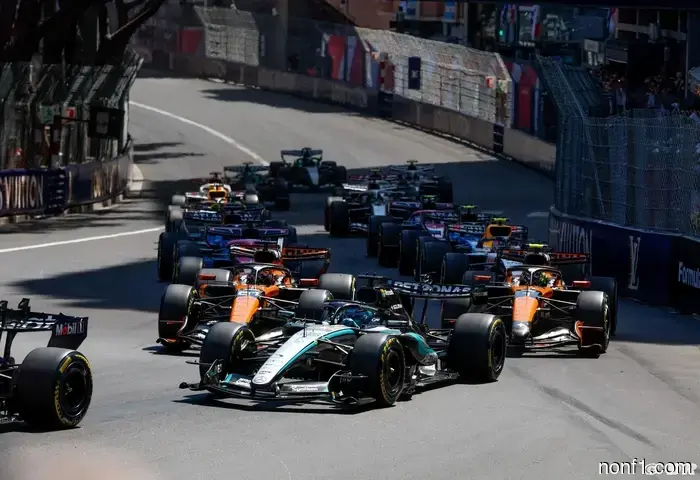
The ruling on the ADUO engine has ignited a new political controversy in F1.
Formula 1’s controversial ADUO engine assistance system is already igniting accusations of political maneuvering even before the FIA has officially clarified its decision. The governing body is anticipated to reveal the specifics this week, but leaked details suggest that Mercedes and Ferrari will receive development concessions, while Red Bull-Ford will not benefit. The ADUO system aims to support manufacturers that have lagged behind under the new and contentious 2026 power unit regulations.
Reports from the paddock indicate that Red Bull’s combustion engine has been deemed the standard, rendering it ineligible for assistance, surprising many observers considering Mercedes’ strong start to the season. For Mercedes, sources suggest the FIA has concluded that the German manufacturer is approximately 2 percent behind the benchmark engine. Ferrari is estimated to be over 4 percent behind, which could unlock a wider array of concessions, including extended development hours, increased funding, and more flexibility in homologation.
Honda is said to be the furthest behind, with a shortfall estimated between 6 and 8 percent. Audi is believed to be situated between Ferrari and Honda, qualifying for considerable support as it works on its first Formula 1 power unit. Dutch driver Tom Coronel expresses confusion over the rankings, stating, "I just heard the rumors," he mentioned to Viaplay. "It is now said that Ford has the best engine and Mercedes has the second strongest engine." He humorously indicated the political nature of Formula 1 by raising two fingers, suggesting, "In other words, the lobbyists of Mercedes are doing very well. I’m sure they’ll get paid well." Coronel suspects that there are significant political elements at play beyond just engineering.
The controversy primarily revolves around the fact that ADUO measures only the performance of the internal combustion engine, failing to take into consideration battery performance, energy recovery systems, or electrical power output, which are all critical components under Formula 1’s heavily electrified 2026 regulations. Red Bull reportedly contends that its peak performance occurs only within a narrow operational window and does not accurately represent the overall capabilities of the power unit. Currently, Red Bull is concentrating on exploring performance enhancements elsewhere, with technical director Pierre Wache confirming that further upgrades are forthcoming. "In Barcelona we bring a few small developments," he noted to Canal Plus. "But in Austria, we will introduce a larger upgrade package." Wache also reiterated that Red Bull is actively working to eliminate any remaining excess weight from the car.
Other articles
 Antonelli: I felt that we and the car were one whole.
At the press conference after the Monaco Grand Prix, Kimi Antonelli talked about the main events of the past weekend...
Antonelli: I felt that we and the car were one whole.
At the press conference after the Monaco Grand Prix, Kimi Antonelli talked about the main events of the past weekend...
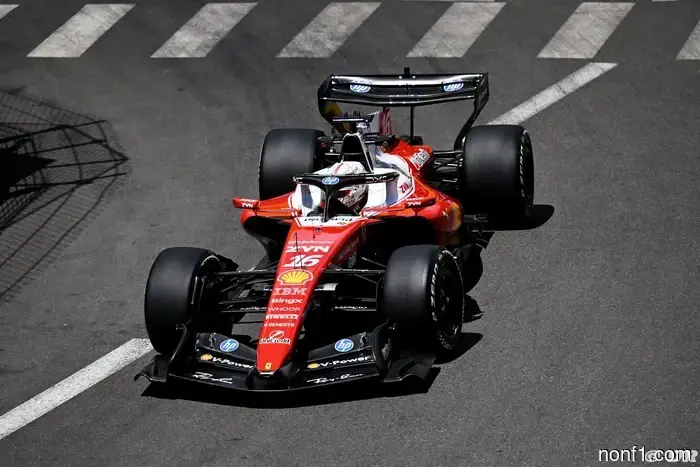 Leclerc's braking issues are more intricate than just blaming Brembo.
Formula 1 | A recent analysis from Italy suggests that Charles Leclerc's angry outburst in Monaco may have unfairly attributed all the blame to Brembo. The Ferrari (…)
Leclerc's braking issues are more intricate than just blaming Brembo.
Formula 1 | A recent analysis from Italy suggests that Charles Leclerc's angry outburst in Monaco may have unfairly attributed all the blame to Brembo. The Ferrari (…)
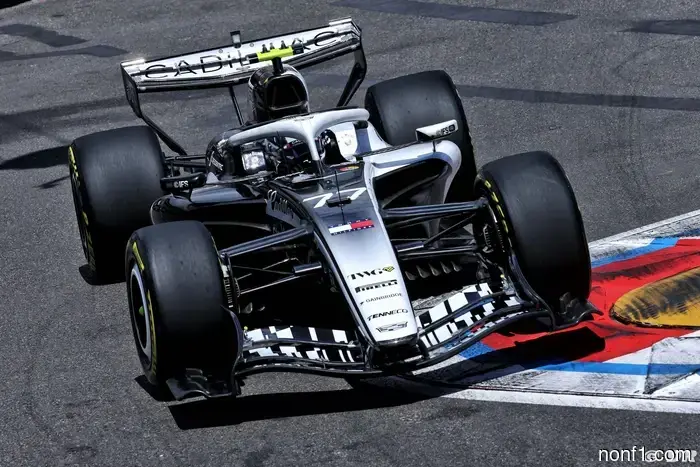 Bottas asserts that he will remain with Cadillac for 2027.
Formula 1 | Valtteri Bottas has once again addressed the rumors regarding his future with Cadillac by affirming that he will still be present on the Formula 1 grid in (…)
Bottas asserts that he will remain with Cadillac for 2027.
Formula 1 | Valtteri Bottas has once again addressed the rumors regarding his future with Cadillac by affirming that he will still be present on the Formula 1 grid in (…)
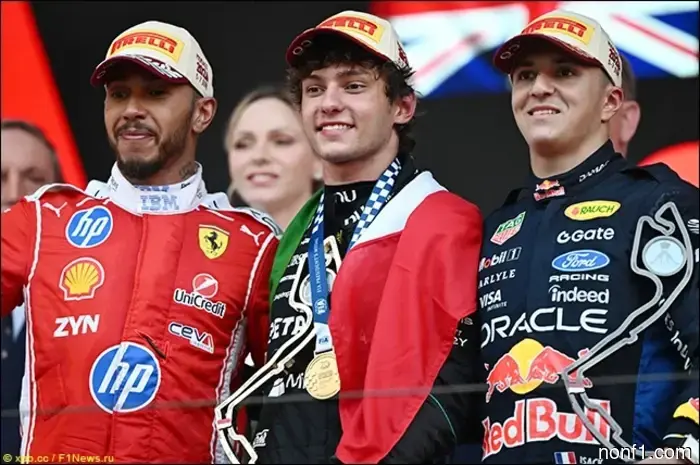 Mikhail Alyoshin's Column: Monaco Grand Prix
Russian driver Mikhail Alyoshin shared his impressions of the Monaco Grand Prix with F1News.Ru...
Mikhail Alyoshin's Column: Monaco Grand Prix
Russian driver Mikhail Alyoshin shared his impressions of the Monaco Grand Prix with F1News.Ru...
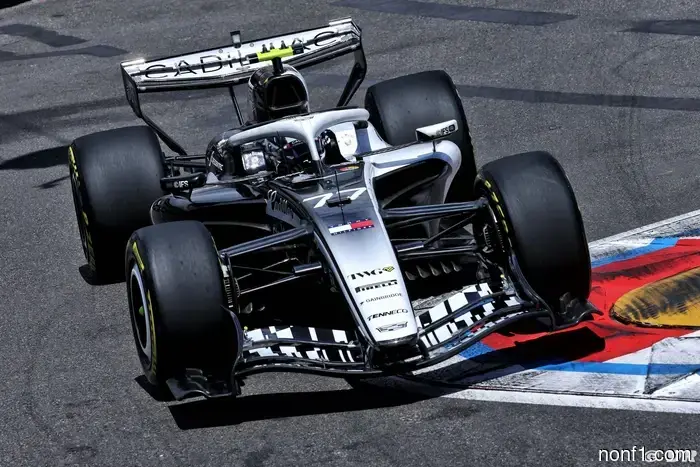 Bottas confirms that he will remain with Cadillac through 2027.
Formula 1 | Valtteri Bottas has once again addressed speculation regarding his future with Cadillac, asserting that he will remain on the Formula 1 grid in (…)
Bottas confirms that he will remain with Cadillac through 2027.
Formula 1 | Valtteri Bottas has once again addressed speculation regarding his future with Cadillac, asserting that he will remain on the Formula 1 grid in (…)
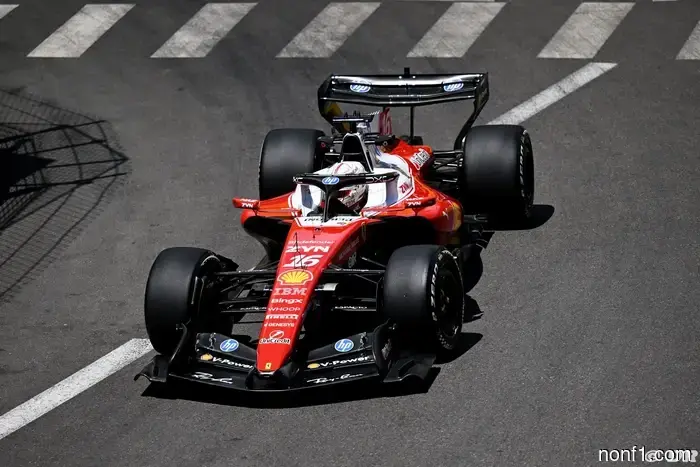 Leclerc's brake issues are more complicated than just blaming Brembo.
Formula 1 | Recent analysis from Italy suggests that Charles Leclerc's angry remarks following the Monaco race may have unjustly attributed all the fault to Brembo. The Ferrari (…)
Leclerc's brake issues are more complicated than just blaming Brembo.
Formula 1 | Recent analysis from Italy suggests that Charles Leclerc's angry remarks following the Monaco race may have unjustly attributed all the fault to Brembo. The Ferrari (…)
The ruling on the ADUO engine has ignited a new political controversy in F1.
Formula 1 | The contentious ADUO engine assistance system in Formula 1 is already leading to claims of political maneuvering, even before the FIA has officially (...)