
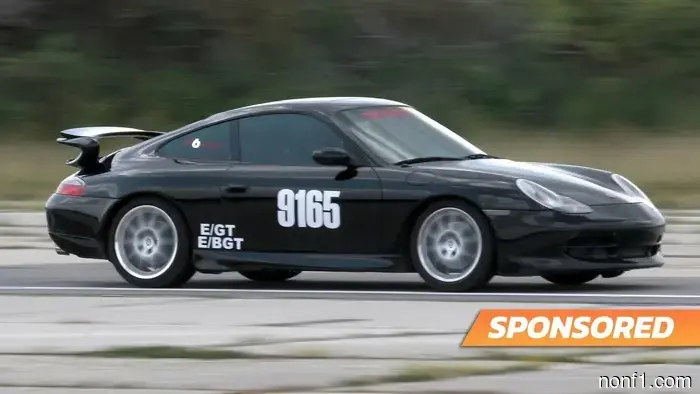
The Comprehensive History and Present Status of the Porsche Bore Scoring Problem
This article is presented by The Knowledge Grouppe.
Are you considering purchasing a used modern Porsche? It is essential to perform thorough due diligence, which goes beyond merely finding a vehicle that appears to be mechanically sound. As discussed in a previous in-depth examination of LN Engineering’s multifaceted solutions for the critical intermediate shaft bearing issues affecting the M96 and M97 engine families, understanding the reasons behind mechanical failures is your best defense against incurring significant financial losses.
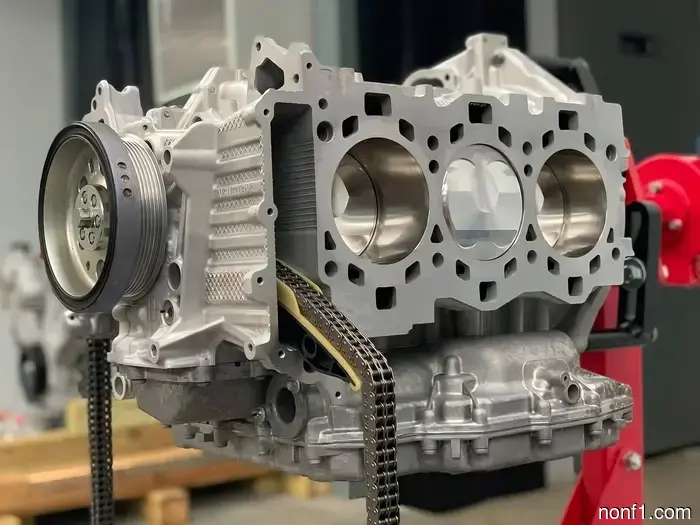
In relation to Porsche’s notorious bore scoring problem, the solution invariably requires a complete engine rebuild, with costs that can sometimes exceed the vehicle's purchase price. This issue is widespread; unlike the relatively specialized IMS problem found in Porsche 911 and Cayman/Boxster models, bore scoring significantly impacts all M96/M97 engine variants as well as various iterations of the Panamera, Cayenne, and Macan, alongside other European brands that utilize similar hypereutectic aluminum engine designs.
There is much to explore regarding bore scoring—let’s begin with its definition.
What is Bore Scoring?
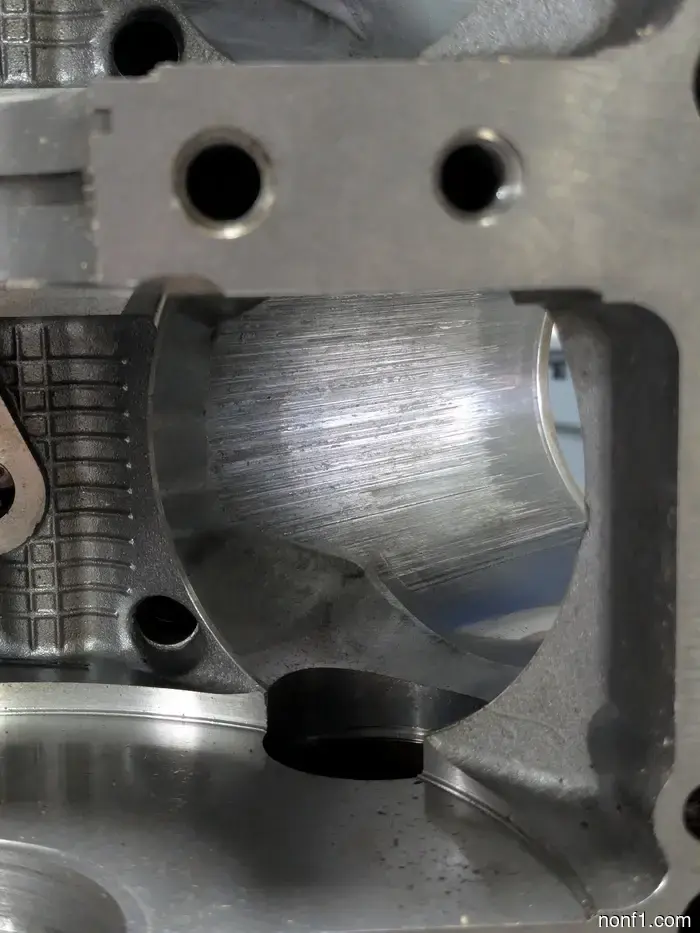
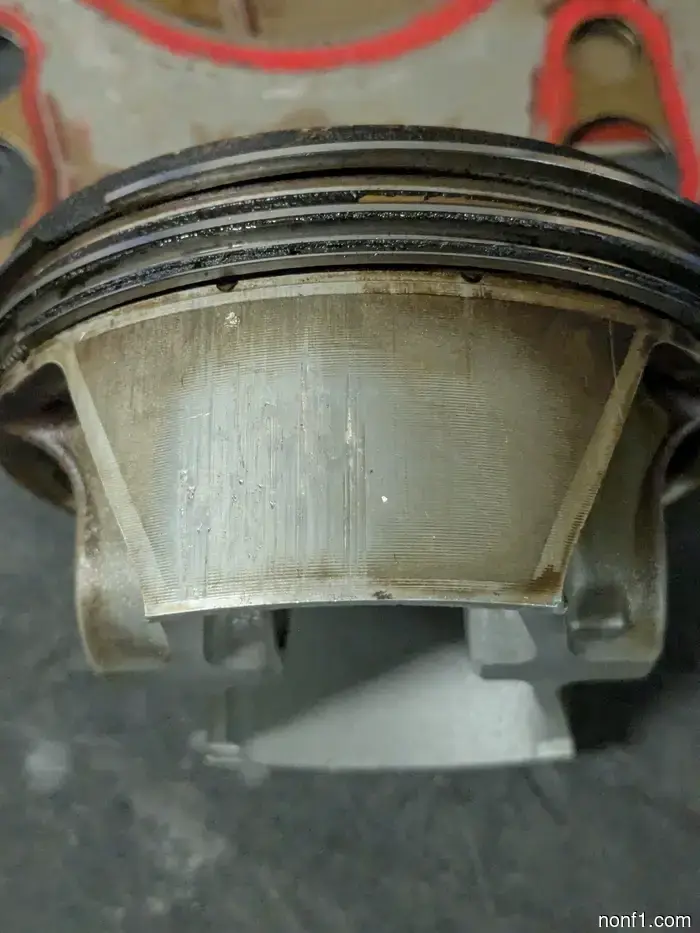
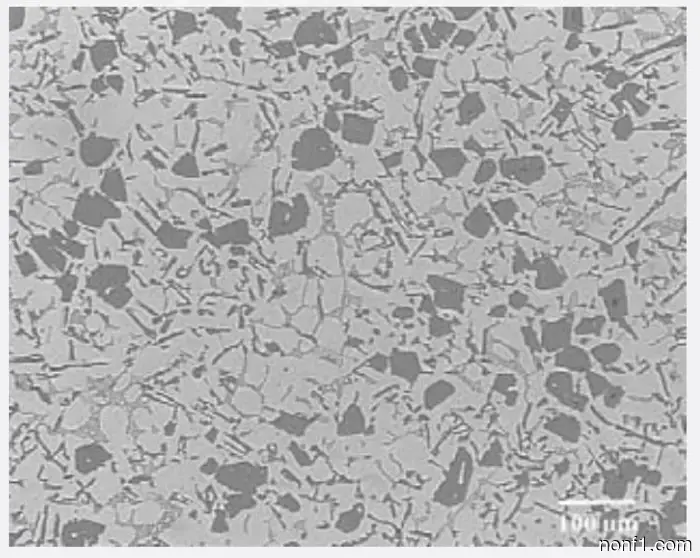
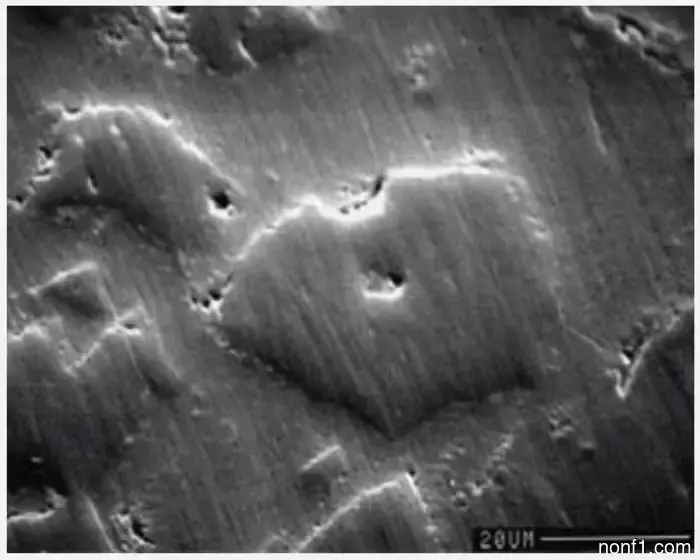
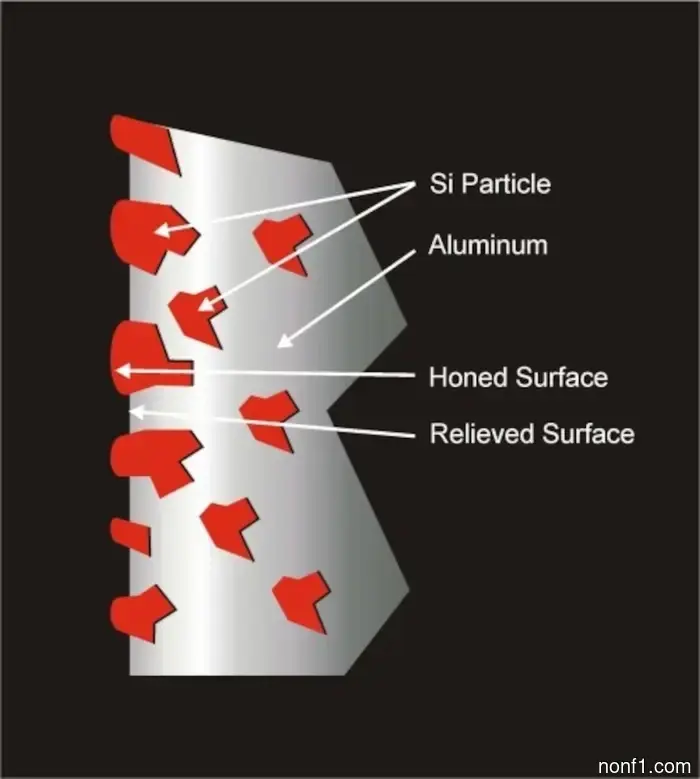
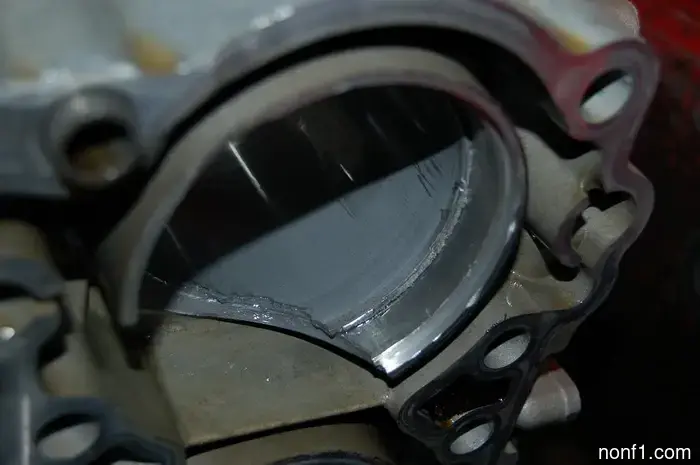
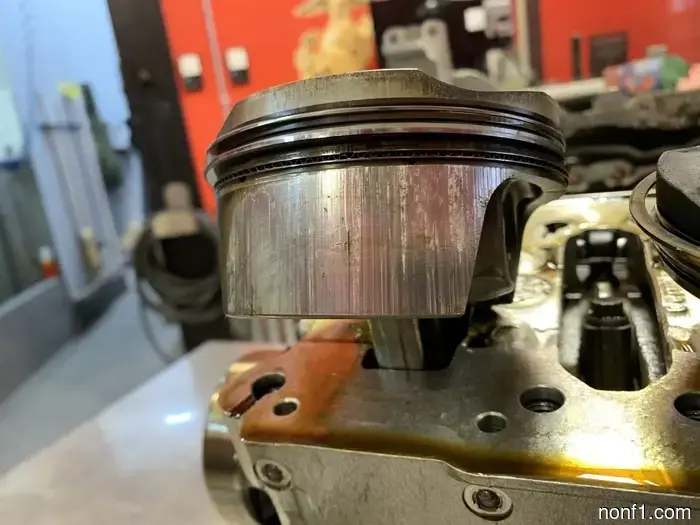
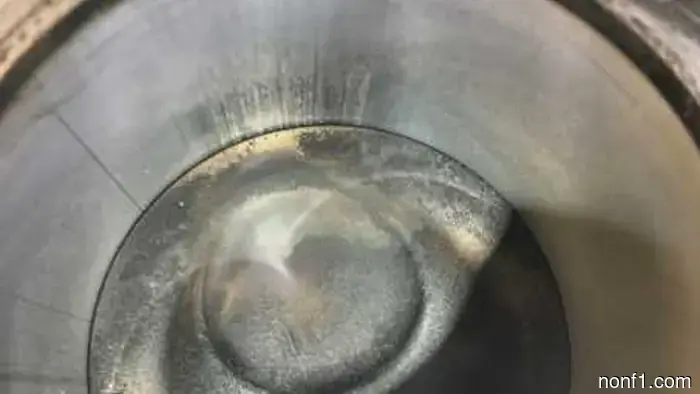
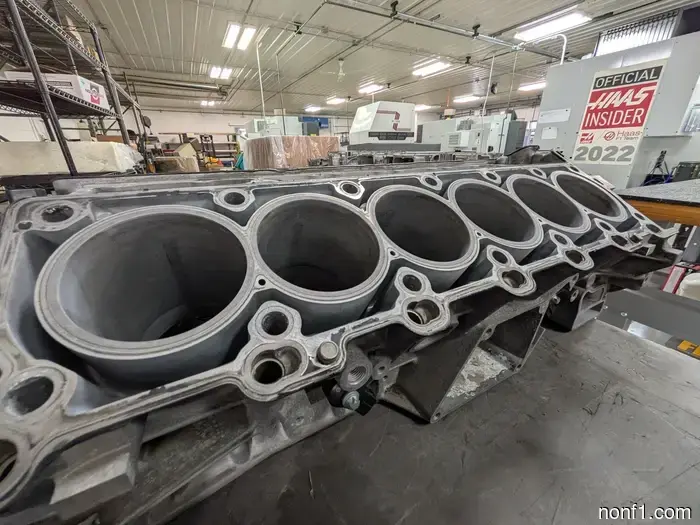
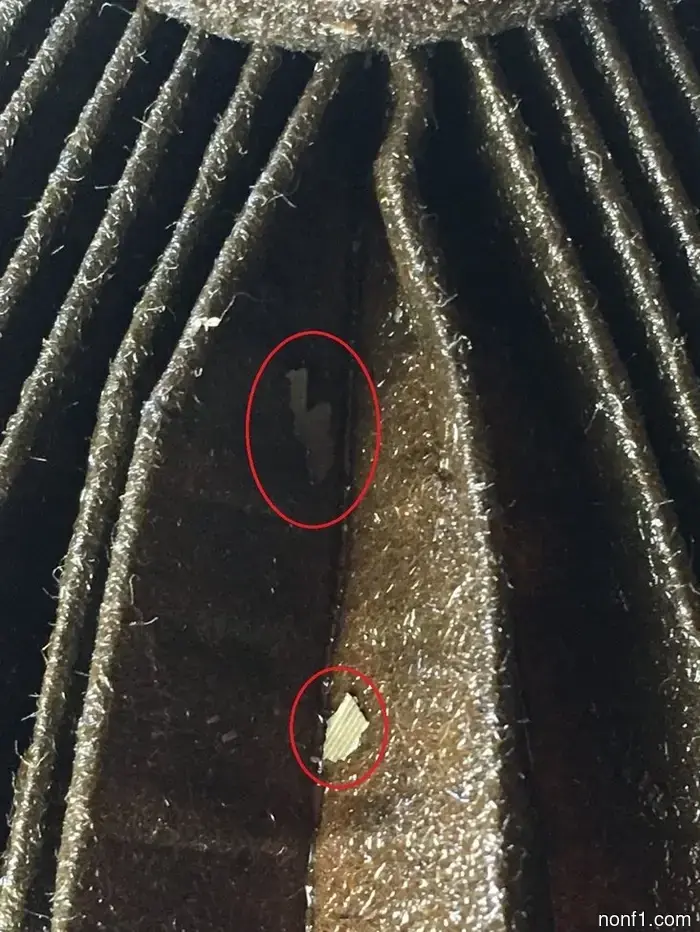
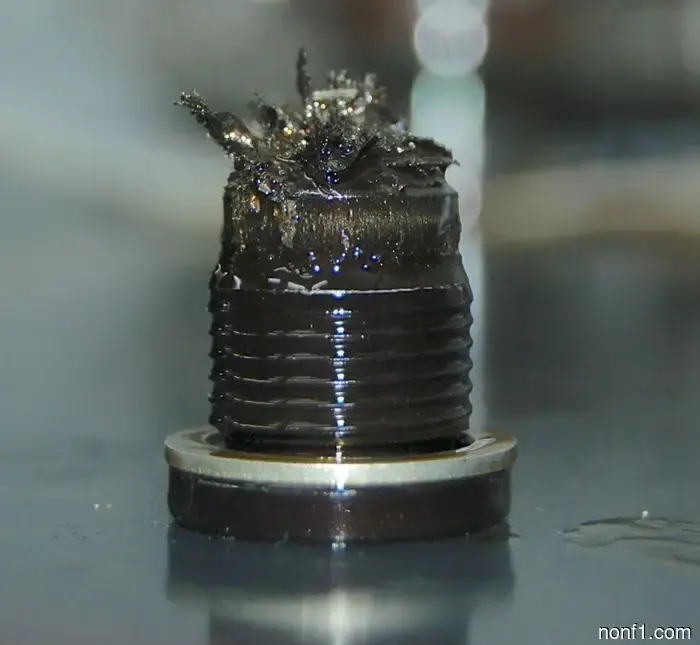
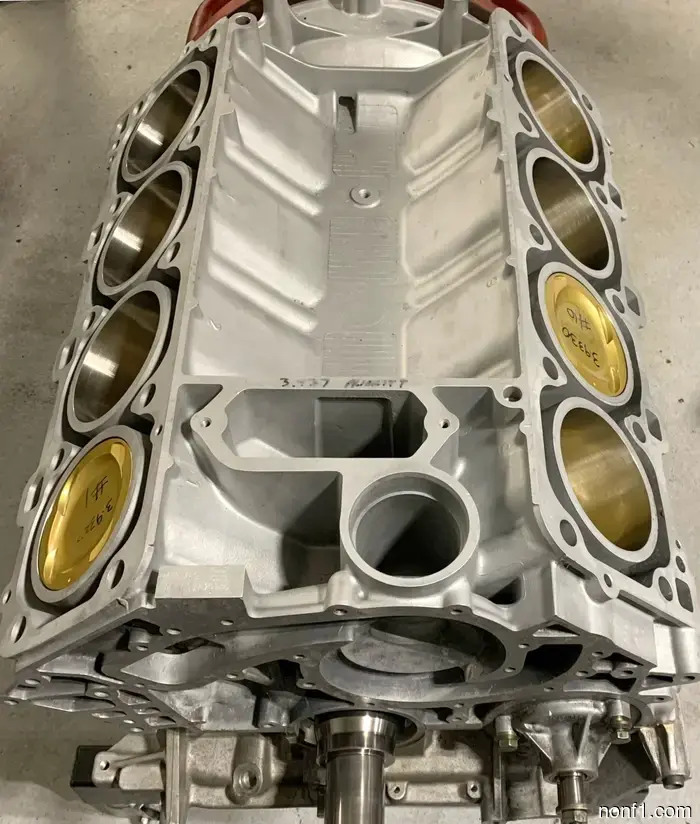
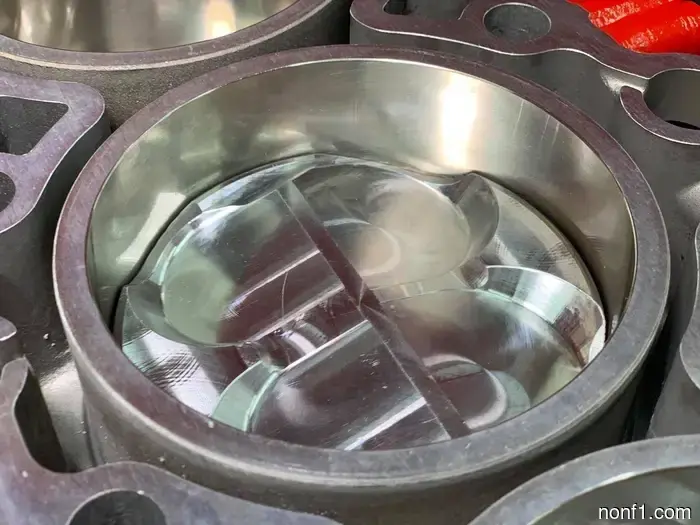
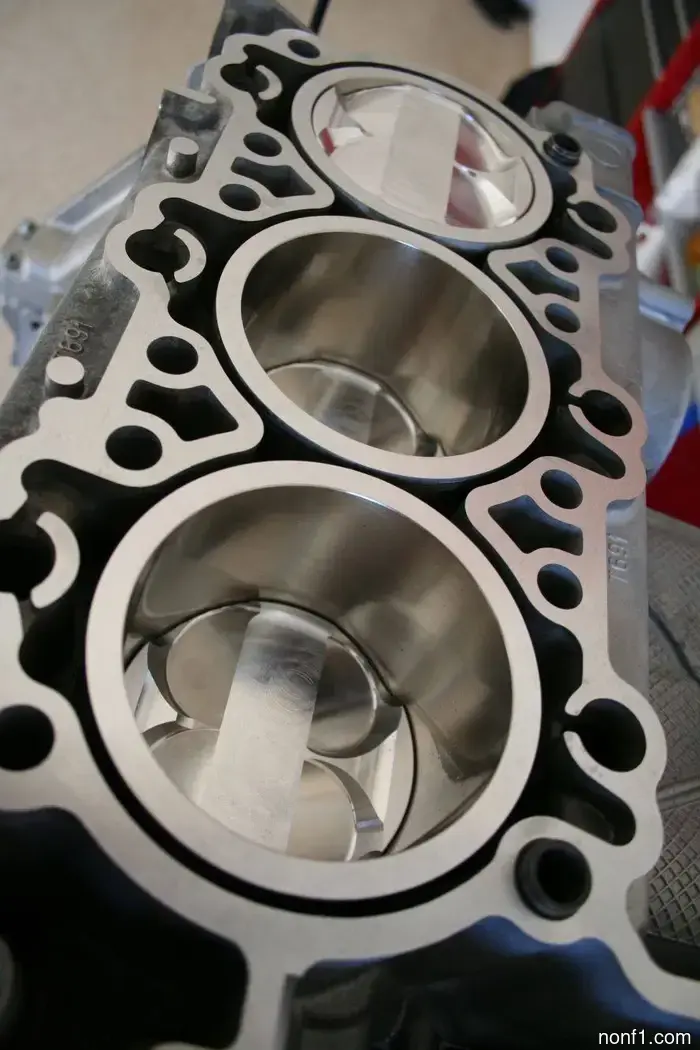
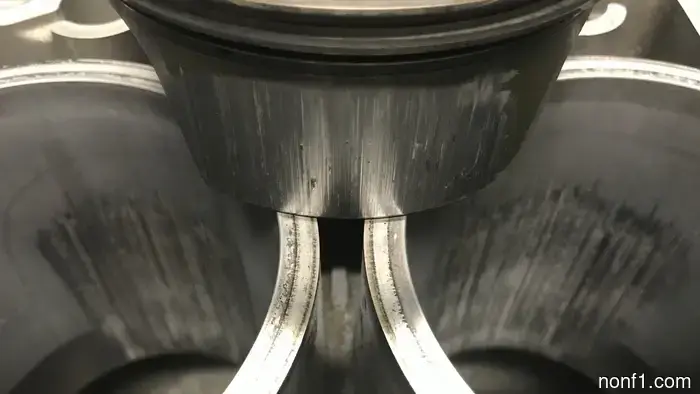
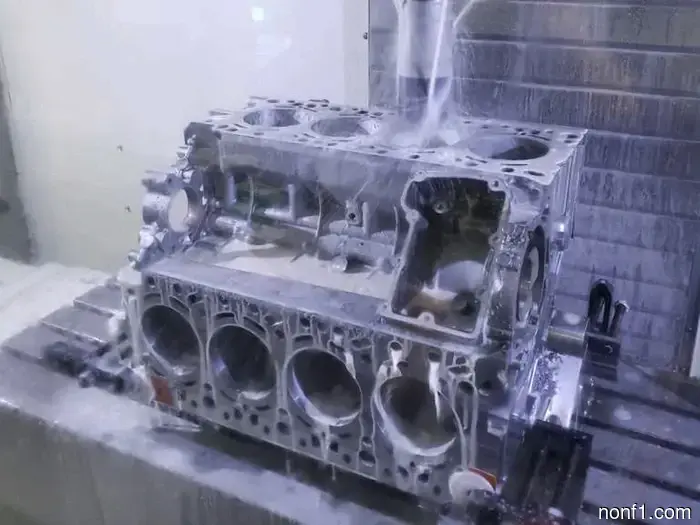
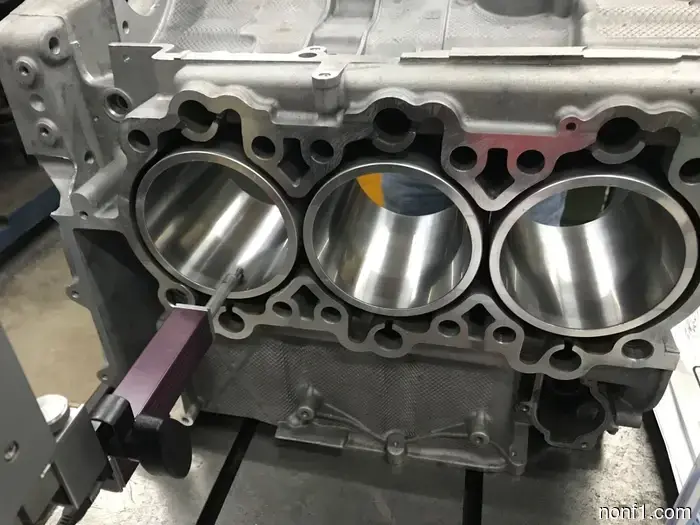
At its core, bore scoring refers to the degradation of an engine's cylinder walls caused by piston abrasion, which, if not addressed, will ultimately result in total engine failure. It is most common in engines that utilize hypereutectic aluminum blocks and cylinders, where a specific silicon-to-aluminum ratio is intended to enhance lubrication through the exposure of silicon particles to engine oil.
The Macan V6 engine showing bore scoring damage. LN Engineering
While we focus on a range of advanced, high-performance vehicles, this technology has been around since 1927 when Lancia first employed hypereutectic materials in its Lambda model. Linerless aluminum blocks became mainstream with the early 1970s Chevrolet Vega. General Motors collaborated with Reynolds Metal Company to create the proprietary Reynolds A390 material, which later transformed into the patented Alusil.
Porsche and other European manufacturers quickly adopted Alusil, generally with few issues. (This should not be confused with Nikasil, a cylinder coating made of nickel, silicon, and carbide, which Porsche used for many years.) Alusil was featured in some air-cooled 2.7 and all 3.0 SC models, plus the 944 and later transaxle models like the 928 and 968. Unlike plated cylinders, Alusil cylinders have uncoated aluminum bores that require the chemical etching or mechanical exposure of silicon particles in the aluminum matrix, enabling the formation of an oil film on the cylinder walls vital for piston and piston ring function. This is paired with pistons that are iron-plated or coated to prevent galling, which occurs when uncoated aluminum pistons operate in uncoated aluminum bores.
A Key Change
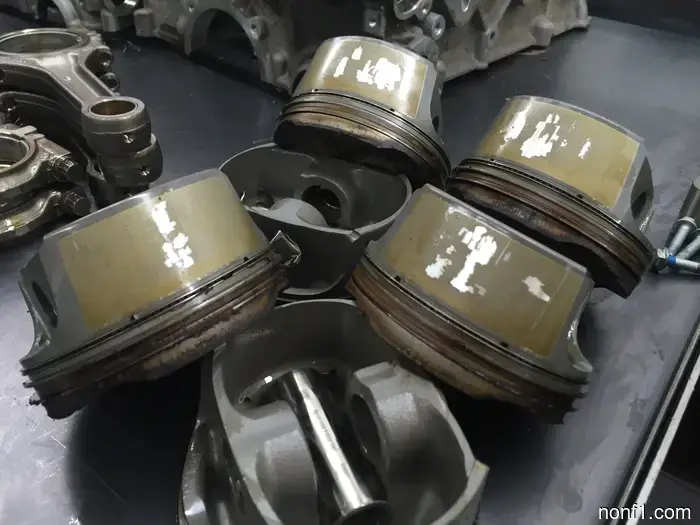
Charles Navarro of LN Engineering suggests that the shift to mechanical exposure may have predisposed the M96/M97 blocks to bore scoring, possibly damaging the silicon particles instead of merely exposing them. This issue is compounded by the transition from iron-plated cast aluminum pistons to forged aluminum pistons, as the iron coating on the forged pistons has proven less durable and more likely to flake, creating abrasive conditions that lead to galling and scoring during aluminum-on-aluminum contact. In contrast, earlier Porsche models, including the 911 SC, 944, and 928, exhibit considerably less bor scoring, likely due to a combination of chemical exposure and the use of iron-plated pistons.
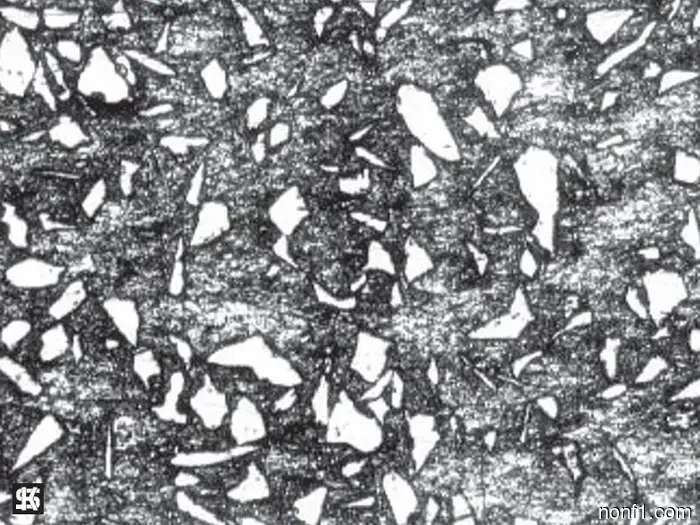
The defining blow emerged when Porsche shifted from Alusil to Lokasil in 1997, a change that lasted until 2008. Unlike Alusil's uniform hypereutectic composition, Lokasil concentrates the silicon content within the cylinder bores while allowing the rest of the block to utilize standard (and less expensive) aluminum.
Examining Alusil more closely. Kolbenschmidt
In reality, bore scoring is the outcome of a complex interplay of factors beyond the initial mechanical and chemical interactions and piston materials. Cold starts in harsh weather and prolonged idling contribute to fuel wash that removes lubrication from cylinder walls, exacerbated by increased ethanol content and worsened by poor fuel atomization and leaks from dirty or worn fuel injectors. This is why LN Engineering recommends using Top Tier Premium Fuels (refer to AAA’s Fuel Quality Report).
Ironically, advancements in modern engine oil technology can be detrimental to preventing bore scoring, with most formulations aimed at preserving emissions systems and enhancing fuel efficiency. For instance, General Motors now suggests using 0W-40 oil for the problematic 6.2-liter L87 V8 instead of the previous 0W-20.
Delving deeper into Lokasil. Kolbenschmidt
Even engine accessories can cause issues. Fragile plastic components like air-oil separator vent tubes and oil-fill tubes can create vacuum leaks, fooling the ECU into over-fueling and contributing to ongoing fuel wash. Coupled with insufficient or non-existent preventative maintenance
Other articles
 Six Cylinders of Soul: The Enduring Appeal of the V6 for Nissan
 Using 0W-8 oil in a Toyota Camry with 330,000 miles leads to excessive oil consumption.
Based on some quick calculations, it would cost you over $230 for gas and oil to drive this car for 1,000 miles.
Using 0W-8 oil in a Toyota Camry with 330,000 miles leads to excessive oil consumption.
Based on some quick calculations, it would cost you over $230 for gas and oil to drive this car for 1,000 miles.
 Porsche Has Set Hyundai as the Standard for Enjoyable Electric Vehicles. Think About That.
Legacy car manufacturers are incorporating faux gears and synthetic sounds into their electric vehicles to appeal to enthusiasts. In contrast, startups such as Rivian and Lucid are opting out of this approach. This difference might indicate a lot.
Porsche Has Set Hyundai as the Standard for Enjoyable Electric Vehicles. Think About That.
Legacy car manufacturers are incorporating faux gears and synthetic sounds into their electric vehicles to appeal to enthusiasts. In contrast, startups such as Rivian and Lucid are opting out of this approach. This difference might indicate a lot.
 Six Cylinders of Spirit: Why the V6 Continues to Be the Ideal Choice for Nissan
The Comprehensive History and Present Status of the Porsche Bore Scoring Problem
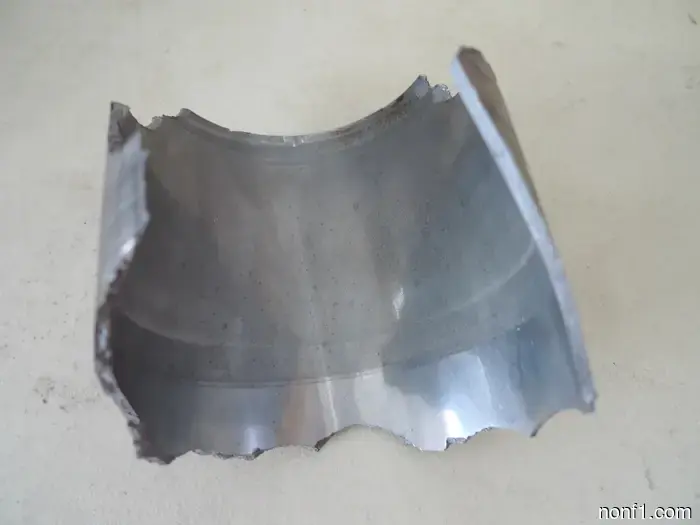
Bore scoring problems in Porsches can lead to damage of rod bearings, as well as harm to the crankshaft and pistons, and result in cracked cylinders.