
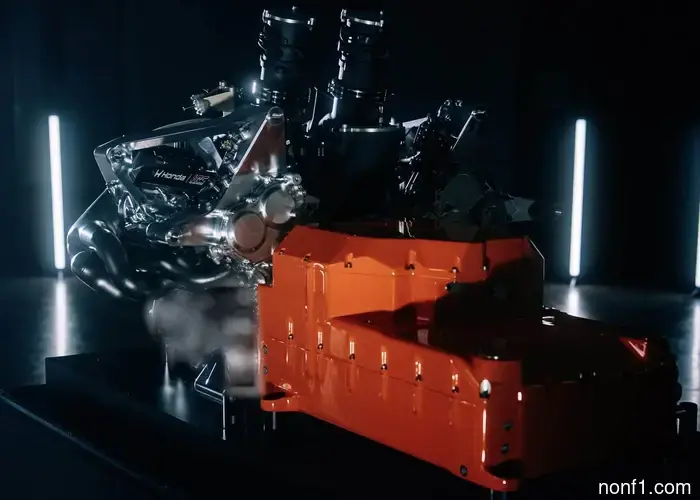
FIA cautions ADUO is not a 'quick fix' for laggards.
Formula 1’s ADUO engine concession system is set for its first evaluation after the Canadian Grand Prix, with the FIA preparing to identify which manufacturers will be eligible for additional development freedom under the 2026 regulations. This system has sparked significant discussions, particularly in light of the rising criticism of the new hybrid regulations and speculation about which manufacturers may be facing the most difficulties.
Nikolas Tombazis, the FIA's single-seater chief, emphasized that ADUO is not designed to function like a traditional Balance of Performance mechanism. "A team or manufacturer doesn’t instantly gain a higher fuel flow rate or an adjustment in ballast," he explained. "Instead, it serves as a means to alleviate the cost cap, allowing a manufacturer that meets the ADUO criteria during a designated review period the chance to enhance its engine further. This is significant, but a manufacturer still has to produce the best engine to secure victory. It’s not a fix-all, and the FIA isn’t granting bonus points to those who are falling behind."
The initial ADUO review period includes Australia, China, Japan, Miami, and Canada, with the FIA anticipated to announce the results within two weeks following the Montreal event. This timeline is particularly significant for Honda and Audi, both believed to be among the manufacturers poised to gain the most.
For Aston Martin and Honda, ADUO could be crucial after the vibration and drivability issues that have hampered the beginning of their 2026 season. Audi is also confronting substantial obstacles as a new power unit manufacturer. "We only have two cars," noted Gabriel Bortoleto. "There are teams with eight cars using a single powertrain. Just think how much more we could learn with that many cars. It's just me and Nico, and sometimes one of us doesn’t finish the race."
At the same time, Nico Hulkenberg has defended the contentious 2026 regulations amid ongoing backlash from drivers and fans. "Of course, there are purists who appreciate the sound of the old naturally aspirated V10s and V12s—inclusive of myself!—but the truth is that it doesn't work that way," he told The Drive. "If you don't like it, you don't have to watch."
Former F1 driver Ralf Schumacher has suggested that the dynamics surrounding ADUO are affecting the narrative between the manufacturers. "Everyone is now claiming the other has the superior engine," Schumacher commented. "Mercedes is currently seeking a technical reference point, stating, 'The Ford engine is significantly better than ours. We would also like to improve those four percent.'"
At Ferrari, there is increasing optimism that ADUO concessions could expedite the development of a revamped engine concept. Corriere della Sera has reported that Ferrari knowingly embarked on the 2026 season with a more cautious "transitional" power unit after abandoning an earlier, more ambitious design that faced combustion and thermal degradation issues. The report indicated that Ferrari aims for a revised architecture potentially by Spa in July, contingent on the results of the FIA’s ADUO assessment.
Meanwhile, the FIA has already taken steps to significantly increase the allowable dyno testing hours for power units starting in 2027, as part of the intended transition away from the current 50-50 hybrid balance.
Other articles
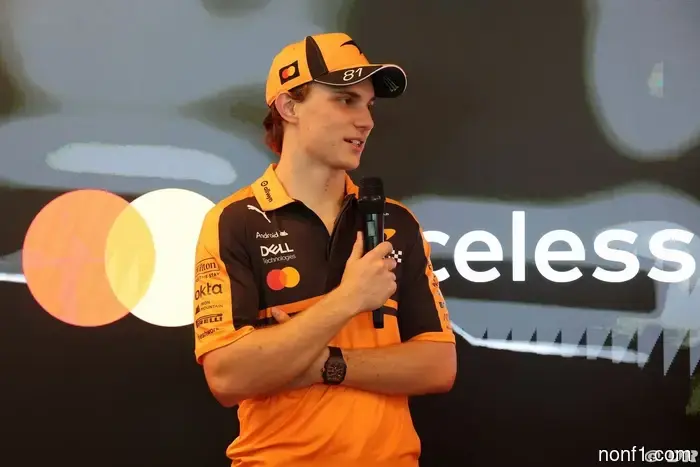 Piastri associated with Red Bull amid speculation about Verstappen.
Formula 1 | New rumors of a dramatic upheaval in the driver market are circulating within Formula 1, with reports connecting Oscar Piastri to Red Bull Racing and (…)
Piastri associated with Red Bull amid speculation about Verstappen.
Formula 1 | New rumors of a dramatic upheaval in the driver market are circulating within Formula 1, with reports connecting Oscar Piastri to Red Bull Racing and (…)
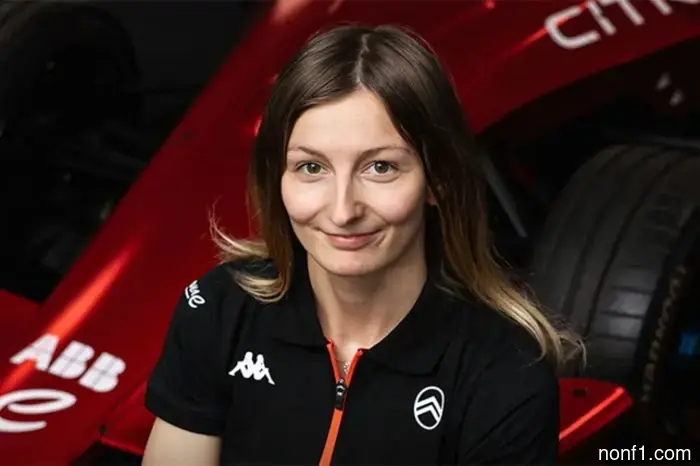 Formula E: Dorian Pin has signed a contract with Citroen
2025 F1 Academy champion Dorian Pin has signed a contract with the Citroen team competing in Formula E.
Formula E: Dorian Pin has signed a contract with Citroen
2025 F1 Academy champion Dorian Pin has signed a contract with the Citroen team competing in Formula E.
 Formula E: Dorian Pin has signed a contract with Citroen
2025 F1 Academy champion Dorian Pin has signed a contract with the Citroen team competing in Formula E.
Formula E: Dorian Pin has signed a contract with Citroen
2025 F1 Academy champion Dorian Pin has signed a contract with the Citroen team competing in Formula E.
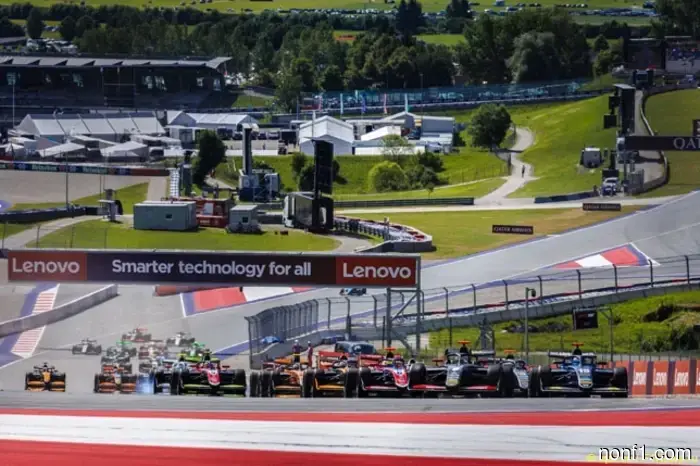 Formula 3 tests will take place in Spielberg.
The break between the first and second stages of the Formula 3 season will last almost three months due to the cancellation of the races in Bahrain. To allow young drivers to readjust to the cars before the city stage in Monaco, Formula 3 promoters have agreed to hold tests in Spielberg.
Formula 3 tests will take place in Spielberg.
The break between the first and second stages of the Formula 3 season will last almost three months due to the cancellation of the races in Bahrain. To allow young drivers to readjust to the cars before the city stage in Monaco, Formula 3 promoters have agreed to hold tests in Spielberg.
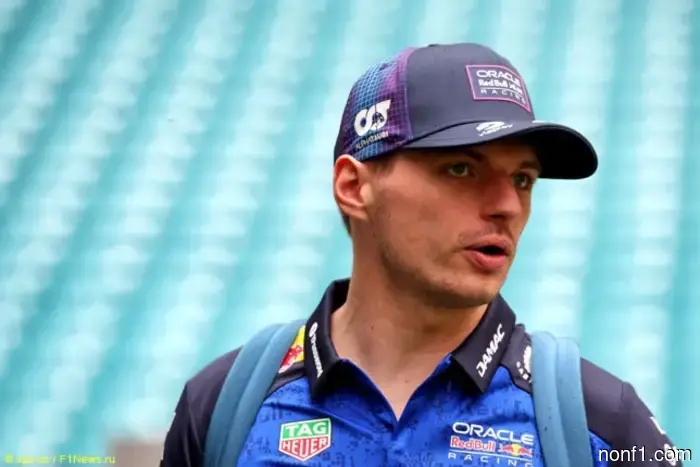 Verstappen will miss the parade at the Nürburgring.
Today in the German town of Adenau, a parade of participants in the "24 Hours of Nürburgring" marathon will take place as part of the opening ceremony. However, the Verstappen Racing team and its drivers will not participate in the parade.
Verstappen will miss the parade at the Nürburgring.
Today in the German town of Adenau, a parade of participants in the "24 Hours of Nürburgring" marathon will take place as part of the opening ceremony. However, the Verstappen Racing team and its drivers will not participate in the parade.
FIA cautions ADUO is not a 'quick fix' for laggards.
Formula 1 | The ADUO engine concession system in Formula 1 will receive its initial evaluation following the Canadian Grand Prix, as the FIA prepares to decide which (…)