

Why Drivers and Mechanics Stand Together Against Automakers: Understanding the 'Right to Repair'
Esara/Adobe Stock, Andrew P. Collins
The most important news and reviews about cars, with no nonsense
Sign up for our free daily newsletter to receive the most significant stories directly to your inbox every weekday.
Empowering consumers through the right to repair. It ensures that car owners have access to repair information and can choose their service providers, beyond just dealerships.
Technological advancements challenge previous agreements. The proprietary software and data collection in modern cars are not included in earlier right-to-repair agreements.
Current legislation is inadequate. Existing bills do not adequately tackle essential issues such as telematics and software access, allowing automakers to maintain control.
Bipartisan support focused on consumer rights. This movement spans political divides, highlighting consumer rights and support for small businesses.
AI assisted, editor reviewed
If you purchase something, it should belong to you. If you own a vehicle, you shouldn’t require permission to repair it. Moreover, if you prefer not to perform repairs yourself, you should have the freedom to select where to take it for service—like to your local independent shop instead of only a corporate dealership. This encapsulates the core consumer issue surrounding the right to repair. It's not merely about enthusiasts fixing old trucks in their driveways; it's about preventing automakers from turning your vehicle into an enigmatic object that only dealerships can interpret. This impacts every car owner across America.
Quick Overview of Right to Repair in 2026
Here’s a context summary for anyone curious about the resurgence of “right to repair” in the news—and why it matters, even if you never plan to wield a wrench.
Definition: Right to repair signifies that companies selling complex products must provide the information, tools, and parts necessary for repairs to consumers and independent shops, not just to their dealerships. In simple terms, you should be able to fix your car without needing the manufacturer’s consent.
Reason for its resurgence: Automakers and the aftermarket reached a truce in 2014, but this agreement predates the era of the always-connected, data-collecting vehicle. Automakers have since found new leverage not covered by the original agreement: proprietary software and the wireless "telematics" data generated by your vehicle.
Current issues: A diluted form of right-to-repair legislation has progressed in the House, but it does little more than codify the previous handshake agreement without addressing the critical modern issues of telematics and software access.
Misleading narrative: A memo from the Trump administration dated June 2026, dubbed “freedom to fix,” focuses strictly on emissions components—narrowly addressing the issue and ignoring the crucial problem of automakers hoarding access to your car’s data.
Why it matters: Regardless of whether you perform repairs yourself or take your car to a mechanic, you and your mechanic are on the same side. Both of you want access to your vehicle’s diagnostics without it being behind the manufacturer’s firewall, as this would prevent routine repairs from becoming dealership-only tasks at dealership prices.
Understanding "Right to Repair"
Right to repair entails that companies producing complex items (like cars) must make maintenance information publicly accessible. In other words, you should be capable of repairing a car without direct permission from the manufacturer.
This issue was somewhat resolved about 12 years ago, when carmakers essentially promised to allow aftermarket parts manufacturers and independent mechanics to operate, provided that these stakeholders ceased pushing for regulations to protect their interests. That informal agreement is now straining under technological advancements it never considered.
Why it's trending now: The right-to-repair issue has resurfaced as car technology has evolved significantly since 2014. Today’s automakers have discovered new methods to circumvent that troublesome agreement with the aftermarket through proprietary software and data privacy tactics.
The original 2014 accord did not address telematics and data collection—it wasn’t relevant at the time. Back then, even Tesla was just emerging. Now, automakers have figured out ways to effectively render diagnostic capabilities inaccessible behind walls of proprietary data. Data that independent mechanics, and even average DIYers, might find completely out of reach.
Modern cars are heavily digitized, collecting vast amounts of data and being deeply interconnected; for example, a simple burnt-out taillight could lead to a malfunctioning cruise control. While this isn’t necessarily poor engineering, it does create an environment where automakers can assert, “Sorry, you can’t change your wiper blades without the necessary telemetry logs, which we keep confidential, so you’ll have to visit the dealership and show your monthly wiper blade subscription code.”
I don’t want that future, as it would be detrimental. Independent mechanics oppose it as well because it threatens their livelihoods. However, automakers desire it because it opens up an ongoing revenue stream—the holy grail of capitalism: recurring revenue.
How We Reached This Point
The Massachusetts Automotive Right to Repair Act was the first major legislation based on this concept in the United States, essentially marking the beginning of the right-to-repair

Other articles
 Price gouging during the COVID era is now having repercussions for car dealers—just as anticipated.
Dealers took advantage of buyers during COVID. So, how do you feel about the situation now?
Price gouging during the COVID era is now having repercussions for car dealers—just as anticipated.
Dealers took advantage of buyers during COVID. So, how do you feel about the situation now?
 Anyone within Bluetooth range can unlock vehicles and disable engines using alarms that owners may never have purchased.
A dealer-installed alarm in two million vehicles is susceptible to hacking. What's more concerning is that owners might not even be aware that their car is equipped with one.
Anyone within Bluetooth range can unlock vehicles and disable engines using alarms that owners may never have purchased.
A dealer-installed alarm in two million vehicles is susceptible to hacking. What's more concerning is that owners might not even be aware that their car is equipped with one.
 The Alliance Between Drivers and Mechanics Against Automakers: An Explanation of the ‘Right to Repair’
Here’s all you need to understand about the "right to repair" and the reasons mechanics and consumers share a common stance in the discussion.
The Alliance Between Drivers and Mechanics Against Automakers: An Explanation of the ‘Right to Repair’
Here’s all you need to understand about the "right to repair" and the reasons mechanics and consumers share a common stance in the discussion.
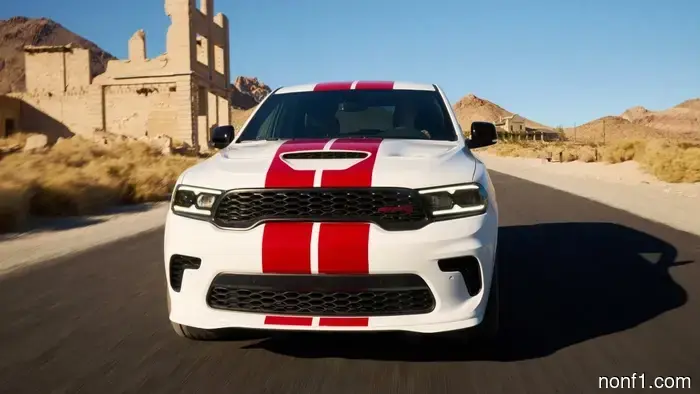 The Classic Dodge Durango Achieved Its Highest First-Half Sales in Two Decades: TDS
The third-generation Dodge Durango has been around for 15 years, yet a refreshed lineup centered on affordable pricing and V8 engines has boosted sales significantly.
The Classic Dodge Durango Achieved Its Highest First-Half Sales in Two Decades: TDS
The third-generation Dodge Durango has been around for 15 years, yet a refreshed lineup centered on affordable pricing and V8 engines has boosted sales significantly.
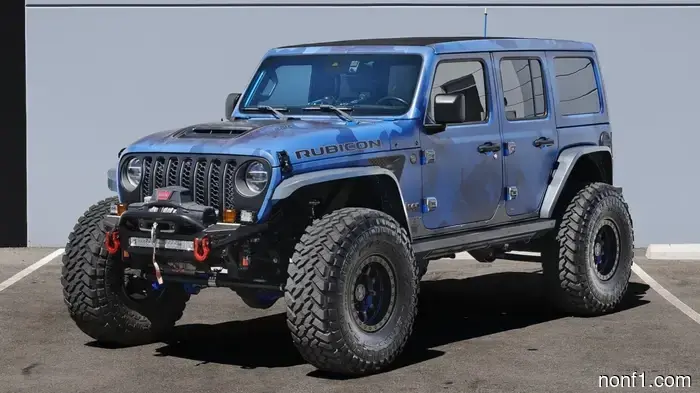 Sports Cars and Snap-On: An Auction of a Casino Tycoon’s Estate is an Automotive Treasure Trove
With an abundance of Porsches, Jeeps, and workshop tools, are you looking to create your own small car empire? This could be the perfect place for you.
Sports Cars and Snap-On: An Auction of a Casino Tycoon’s Estate is an Automotive Treasure Trove
With an abundance of Porsches, Jeeps, and workshop tools, are you looking to create your own small car empire? This could be the perfect place for you.
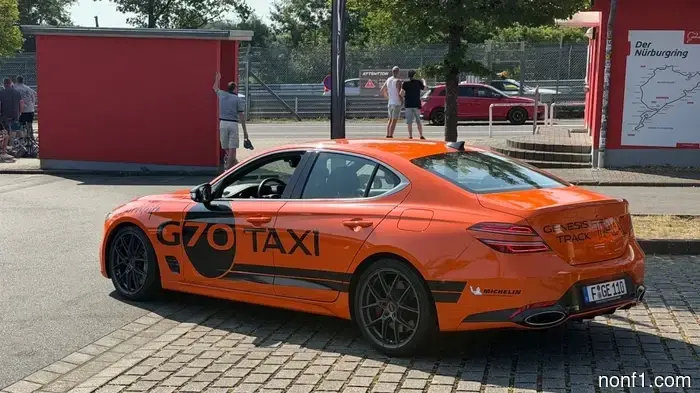 The Genesis G70 feels just as comfortable on the Nurburgring as any other sports sedan.
The experience of driving (or riding) at the Nurburgring Nordschleife can be summed up as sensory overload. Similarly, the Genesis G70 can be described as remarkable.
The Genesis G70 feels just as comfortable on the Nurburgring as any other sports sedan.
The experience of driving (or riding) at the Nurburgring Nordschleife can be summed up as sensory overload. Similarly, the Genesis G70 can be described as remarkable.
Why Drivers and Mechanics Stand Together Against Automakers: Understanding the 'Right to Repair'
Here’s all you need to understand about the "right to repair" issue and why both mechanics and consumers are aligned in this discussion.