La Fórmula 1 celebra la Navidad

La Fórmula 1 celebra la Navidad

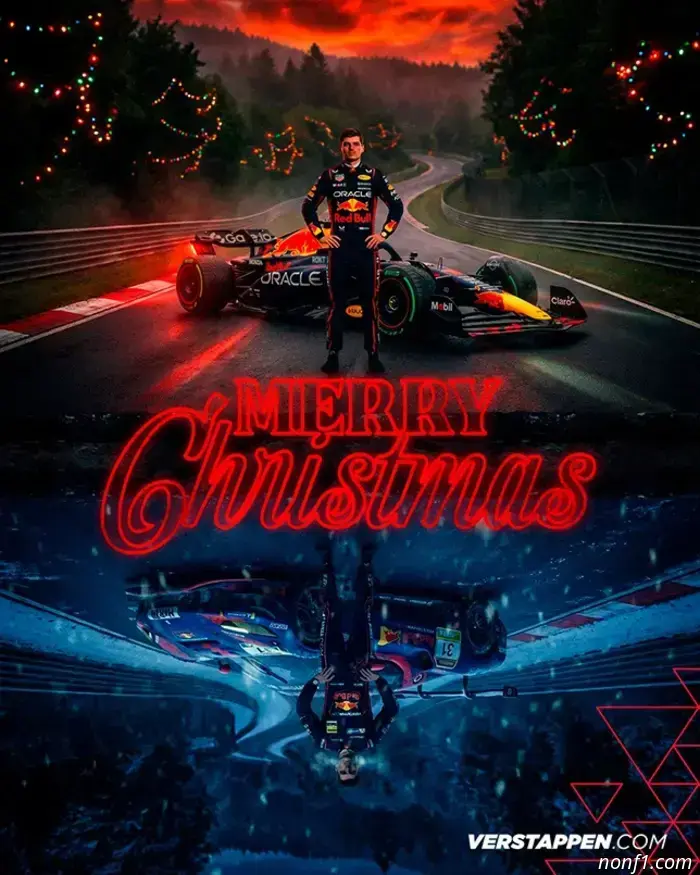
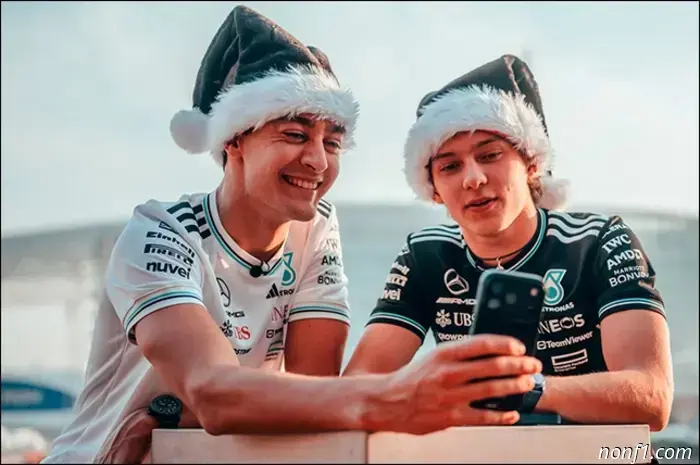
      Muchos pilotos de Fórmula 1 celebran hoy la Navidad. Cada uno sueña con la victoria en la nueva temporada, pero el título volverá a ser para uno solo. Deseémosles a todos una lucha interesante, victorias y adelantamientos, progreso y éxitos, salud y bienestar. ¡Que todo les salga bien! ¡Los animaremos!

      ¡Y mucha salud para todos nosotros!

Otros artículos

El equipo Mercedes felicitó a los aficionados por la Navidad. El equipo Mercedes felicitó a los aficionados por la Navidad. En la víspera de Navidad el equipo Mercedes felicitó a los aficionados en las redes sociales… Вассёр: Ahora no tiene sentido intentar comprender la distribución de fuerzas Вассёр: Ahora no tiene sentido intentar comprender la distribución de fuerzas El director de Ferrari, Frédéric Vasseur, dijo que el equipo lleva tiempo totalmente concentrado en la preparación para 2026, pero que no sabe hasta qué punto será competitivo el nuevo coche. La mayor cantidad de adelantamientos se produjo en Abu Dabi. La mayor cantidad de adelantamientos se produjo en Abu Dabi. En la temporada 2025 se registraron 742 adelantamientos; si hablamos de los cambios de posición al término de la vuelta, fueron 46 menos que en 2024. In 2025 McLaren secured the tenth Constructors' Championship in its history — and the 13th drivers' title...

Driver
			Grands Prix
			Position
			Points
			Best start
			Best finish
		
L. Norris
			24
			1
			423
			1
			1
		
O. Piastri
			24
			3
			410
			1
			1
		

McLaren
			Grands Prix
			Position
			Points
			Best start
			Best finish
		
2025
			24
			1
			833
			1
			1
		
2024
			24
			1
			666
			1
			1
		
2023
			22
			4
			302
			2
			2
		
2022
			22
			5
			159
			3
			3
		
2021
			22
			4
			275
			1
			1
		
McLaren had a remarkable season in 2025. In raw numbers — a tenth Constructors' Championship — a clear second place historically in that metric behind Ferrari, and the 13th drivers' title. But what made the season most memorable was the team's loyalty to its principles, the "papaya rules", which were sometimes fiercely criticized.
Still, Zak Brown and team principal Andrea Stella got it right. Yes, they almost lost the title in the end, but they proved that a fair and equal approach to drivers is not incompatible with fighting for a title. Fans and Formula 1 were the beneficiaries, and the intrigue lasted until the final race of the season.

The declared and meticulously observed equality between the drivers helped the team win the title when the favorite of the first half of the season, Oscar Piastri, suddenly faltered — and Lando Norris picked up the orange banner.
The season was not without mistakes: the team often acted imperfectly and was once disqualified, which is unacceptable when the stakes are so high, but McLaren's current lineup — drivers and staff — lacked real championship experience, the ability to instantly make the right calls. In the end it all worked out, and now the team has that experience.

McLaren understood that nobody would build new cars in the final year before a regulation change, and that their advantage might not be guaranteed in 2026 when the rules change, so they had to act here and now.
Over the winter everyone considered McLaren the favorite for the upcoming season. The team was first to reveal its car, first to run it, and immediately set its goal — to bring the drivers' title back to Woking and to win the Constructors' Championship for a second consecutive year.

After starting the season with Lando Norris's wet-weather win in Melbourne, the team led both championships from the first race and largely never relinquished that lead; only the drivers' standings saw two lead changes — Piastri went ahead in Saudi Arabia, and after 15 rounds in Mexico Lando returned to first place.
Looking at the numbers the victory may seem easy, but it was not without drama.

The Dutch Grand Prix split the season into two unequal parts. In the first part, over fifteen races, McLaren drivers won twelve, seven of them by Oscar Piastri. After Zandvoort the Australian led the drivers' standings by 34 points over his teammate and by 104 over Verstappen. It seemed impossible to lose such an advantage, but Oscar did — and ultimately finished only third.
What happened? How did one of the most consistent drivers in Formula 1 history (he had finished 44 races in a row and scored points in 34 consecutive races) lose such a colossal lead?
There were many reasons. Pressure, a car update that didn't suit him, Norris's progress, minor internal team issues — all of this deprived Oscar of his former confidence, shaving off a tenth or two — and rivals immediately pulled ahead.
Until then the bookmakers had no doubts about Piastri's victory. No one did. And Red Bull decided to fight back. By Verstappen's home round in Zandvoort, Red Bull Racing, which had a change of leadership and was now led by Laurent Mekies, had prepared a comprehensive upgrade that did not work at first — and then the car began to perform.
Over the seven rounds from Italy to Abu Dhabi, Verstappen scored 216 points, Norris 148, Russell 135, and Piastri 101.

The team clinched the Constructors' Championship early in Singapore, and the drivers' title was decided at the final round in Abu Dhabi, where Max won the race but Norris's third place was enough to become world champion. For the first time since 1998, McLaren took both trophies back to Woking, winning both the Constructors' Championship and the drivers' title.
A beautiful finale to an interesting season and a great story of the revival of a legendary team that was fifth three years ago and ninth in 2017. It was fantastic!

Success in 2025 guarantees nothing for the future. Many teams sacrificed this season to gain when the regulations change. McLaren had to combine both approaches, though the majority of the team's resources were spent on the 2026 car.
It's a rare case where, after a double victory, the strongest team is not considered the favorite for the next season. That makes watching developments all the more intriguing. We'll see the continuation very soon. It hasn't been this exciting in a long time! In 2025 McLaren secured the tenth Constructors' Championship in its history — and the 13th drivers' title... Driver Grands Prix Position Points Best start Best finish L. Norris 24 1 423 1 1 O. Piastri 24 3 410 1 1 McLaren Grands Prix Position Points Best start Best finish 2025 24 1 833 1 1 2024 24 1 666 1 1 2023 22 4 302 2 2 2022 22 5 159 3 3 2021 22 4 275 1 1 McLaren had a remarkable season in 2025. In raw numbers — a tenth Constructors' Championship — a clear second place historically in that metric behind Ferrari, and the 13th drivers' title. But what made the season most memorable was the team's loyalty to its principles, the "papaya rules", which were sometimes fiercely criticized. Still, Zak Brown and team principal Andrea Stella got it right. Yes, they almost lost the title in the end, but they proved that a fair and equal approach to drivers is not incompatible with fighting for a title. Fans and Formula 1 were the beneficiaries, and the intrigue lasted until the final race of the season. The declared and meticulously observed equality between the drivers helped the team win the title when the favorite of the first half of the season, Oscar Piastri, suddenly faltered — and Lando Norris picked up the orange banner. The season was not without mistakes: the team often acted imperfectly and was once disqualified, which is unacceptable when the stakes are so high, but McLaren's current lineup — drivers and staff — lacked real championship experience, the ability to instantly make the right calls. In the end it all worked out, and now the team has that experience. McLaren understood that nobody would build new cars in the final year before a regulation change, and that their advantage might not be guaranteed in 2026 when the rules change, so they had to act here and now. Over the winter everyone considered McLaren the favorite for the upcoming season. The team was first to reveal its car, first to run it, and immediately set its goal — to bring the drivers' title back to Woking and to win the Constructors' Championship for a second consecutive year. After starting the season with Lando Norris's wet-weather win in Melbourne, the team led both championships from the first race and largely never relinquished that lead; only the drivers' standings saw two lead changes — Piastri went ahead in Saudi Arabia, and after 15 rounds in Mexico Lando returned to first place. Looking at the numbers the victory may seem easy, but it was not without drama. The Dutch Grand Prix split the season into two unequal parts. In the first part, over fifteen races, McLaren drivers won twelve, seven of them by Oscar Piastri. After Zandvoort the Australian led the drivers' standings by 34 points over his teammate and by 104 over Verstappen. It seemed impossible to lose such an advantage, but Oscar did — and ultimately finished only third. What happened? How did one of the most consistent drivers in Formula 1 history (he had finished 44 races in a row and scored points in 34 consecutive races) lose such a colossal lead? There were many reasons. Pressure, a car update that didn't suit him, Norris's progress, minor internal team issues — all of this deprived Oscar of his former confidence, shaving off a tenth or two — and rivals immediately pulled ahead. Until then the bookmakers had no doubts about Piastri's victory. No one did. And Red Bull decided to fight back. By Verstappen's home round in Zandvoort, Red Bull Racing, which had a change of leadership and was now led by Laurent Mekies, had prepared a comprehensive upgrade that did not work at first — and then the car began to perform. Over the seven rounds from Italy to Abu Dhabi, Verstappen scored 216 points, Norris 148, Russell 135, and Piastri 101. The team clinched the Constructors' Championship early in Singapore, and the drivers' title was decided at the final round in Abu Dhabi, where Max won the race but Norris's third place was enough to become world champion. For the first time since 1998, McLaren took both trophies back to Woking, winning both the Constructors' Championship and the drivers' title. A beautiful finale to an interesting season and a great story of the revival of a legendary team that was fifth three years ago and ninth in 2017. It was fantastic! Success in 2025 guarantees nothing for the future. Many teams sacrificed this season to gain when the regulations change. McLaren had to combine both approaches, though the majority of the team's resources were spent on the 2026 car. It's a rare case where, after a double victory, the strongest team is not considered the favorite for the next season. That makes watching developments all the more intriguing. We'll see the continuation very soon. It hasn't been this exciting in a long time! En 2025, el equipo McLaren conquistó el décimo Campeonato de Constructores de su historia — y el decimotercer título en el campeonato de pilotos... Auction house RM Sotheby's has put up for auction the McLaren MP4-17A driven by Kimi Räikkönen and David Coulthard in 2002 and 2003.

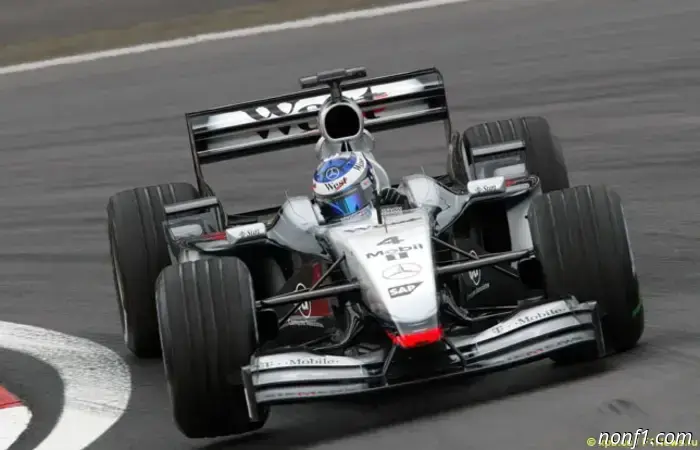
Up for sale at the auction in Paris on 28 January 2026 is chassis MP4-17A-06, which debuted at the 2002 European Grand Prix at the Nürburgring. In that race Kimi climbed onto the podium, finishing third. With the same car Räikkönen also stood on the podium twice more in 2002 — in France (2nd) and the United States (3rd).

At the round following Indianapolis, in Japan McLaren handed the car to David Coulthard, but the Scot failed to finish.

McLaren began the 2003 season with the previous year's car, and Coulthard, behind the wheel of MP4-17A-06, won the opening round of the season in Melbourne. That win turned out to be the last of his career.

At the Imola round the team returned the car to Räikkönen, and he finished second. The final race for MP4-17A-06 was the 2003 Japanese Grand Prix, in which Kimi finished second and lost the championship.

RM Sotheby's estimates the value of the McLaren MP4-17A at between €1 million and €1.4 million. Auction house RM Sotheby's has put up for auction the McLaren MP4-17A driven by Kimi Räikkönen and David Coulthard in 2002 and 2003. Up for sale at the auction in Paris on 28 January 2026 is chassis MP4-17A-06, which debuted at the 2002 European Grand Prix at the Nürburgring. In that race Kimi climbed onto the podium, finishing third. With the same car Räikkönen also stood on the podium twice more in 2002 — in France (2nd) and the United States (3rd). At the round following Indianapolis, in Japan McLaren handed the car to David Coulthard, but the Scot failed to finish. McLaren began the 2003 season with the previous year's car, and Coulthard, behind the wheel of MP4-17A-06, won the opening round of the season in Melbourne. That win turned out to be the last of his career. At the Imola round the team returned the car to Räikkönen, and he finished second. The final race for MP4-17A-06 was the 2003 Japanese Grand Prix, in which Kimi finished second and lost the championship. RM Sotheby's estimates the value of the McLaren MP4-17A at between €1 million and €1.4 million. La casa de subastas RM Sotheby’s puso en subasta el McLaren MP4-17A, con el que Kimi Räikkönen y David Coulthard compitieron en 2002 y 2003. Madring les desea una feliz Navidad. Madring les desea una feliz Navidad. Los organizadores de la etapa están seguros del éxito y felicitan a los aficionados por la Navidad y el Año Nuevo!
La Fórmula 1 celebra la Navidad

Muchos pilotos de Fórmula 1 celebrarán la Navidad hoy...