
The Ford Taurus and Mondeo sedans, constructed in China, have received enhanced styling and updated technology, yet they remain unavailable for purchase by American consumers. Ford introduced the redesigned Mondeo at the Guangzhou Auto Show, featuring updates in styling, technology, and powertrains for 2026. The Mondeo, built in China, is also marketed as the Taurus in the Middle East. Update: Following a series of teasers earlier this year, Ford has officially launched the refreshed Taurus for the Middle East and a few other markets. While the exterior modifications closely resemble those of the Chinese-market 2026 Mondeo introduced last November, Ford has decided not to include the larger dashboard screen found in that variant. Additionally, although the Ford Mondeo for the Chinese market experienced a small power boost with its update, the Taurus retains its current powertrain configuration. In the Middle East, the sedan is equipped with a 2.0-liter turbocharged four-cylinder engine delivering 239 horsepower (178 kW) and 282 lb-ft (382 Nm), mated to a standard eight-speed automatic transmission. A hybrid option is also available, combining a 1.5-liter turbocharged engine that produces 185 hp with a 64-horsepower electric motor and a continuously variable transmission (CVT). Front-wheel drive comes standard for all variants. Original story continues below. Ford's North American lineup has not featured a traditional four-door sedan since the last Taurus was manufactured in Chicago in 2019, but the name still exists. While the brand has phased out sedans in its home market, China and a few other selected regions worldwide seem to have overlooked this decision. More: Ford Evos Crossover Rebranded as the Mondeo Sport in China and Exclusively Hybrid Introduced in China in 2022, the Mondeo is now receiving a mid-cycle refresh that introduces sharper styling, new software, and slightly enhanced engines. These updates will soon be reflected in the Taurus available in the Middle East. What’s New? The most significant visual enhancements focus on the front and rear. The new headlights have a more streamlined shape and are framed by modern LED graphics, giving it a more pronounced resemblance to a four-door Mustang. The revised lighting units are accompanied by a wider grille linked to a sportier lower bumper intake. The overall sculpted profile remains largely intact, although customers can choose from updated wheel designs and additional color options. More: The Electrified Bronco Makes Its Debut in China Featuring a Pop-Up Roof Surprise At the rear, the redesigned tail section features more contemporary taillight graphics and an updated bumper with black trim and a body-colored diffuser. The vehicle dimensions remain unchanged, measuring 4,935 mm (194.2 inches) in length and a wheelbase of 2,945 mm (115.9 inches). What’s New Inside? At first glance, the interior appears to be unchanged, featuring the same 12.3-inch digital instrument cluster and 27-inch infotainment screen prominently on the dashboard. However, the cockpit is now powered by the next generation of SYNC+ software, utilizing the latest Snapdragon 8155 chip. Ford promises an upgraded interface, smoother functionality, and an enhanced voice assistant. The floating center console has been redesigned, now including dual wireless charging pads and new cupholders. Moreover, physical buttons have been repositioned beneath the climate vents. Slightly More Powerful The updated Mondeo is available in both gasoline and hybrid versions. However, engine outputs have slightly increased. The base turbo 1.5-liter engine produces 193 hp (144 kW / 196 PS), the turbo 2.0-liter EcoBoost generates 257 hp (192 kW / 261 PS), while the hybrid model offers a combined output of 284 hp (212 kW / 288 PS). All Mondeo variants are front-wheel drive, with gasoline models utilizing an eight-speed automatic transmission and hybrid models featuring a CVT. The refreshed Mondeo is manufactured in China through the Changan Ford joint venture. Pricing details will be forthcoming. It is currently uncertain if Ford will extend the same updates to the Mondeo Sport, the mechanically linked five-door crossover previously known as the Evos. Earlier teasers have also revealed the updated Taurus for the Middle East, mainly distinguished by distinct badging at the rear and smaller interior screens.
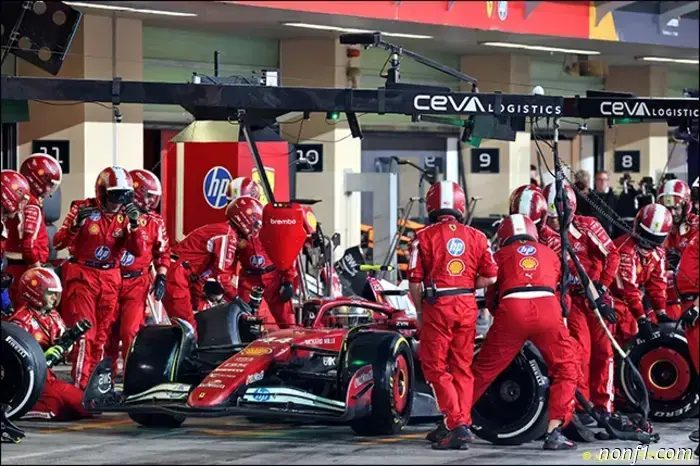
Бывший инженер Ferrari Луиджи Маццола видит некоторые позитивные аспекты для Скудерии в прошедшем сезоне…
Луиджи Маццола: «Важно учиться на любом опыте, будь он позитивным или негативным. Я надеюсь, что все события этого года дадут повод для анализа и обсуждений.
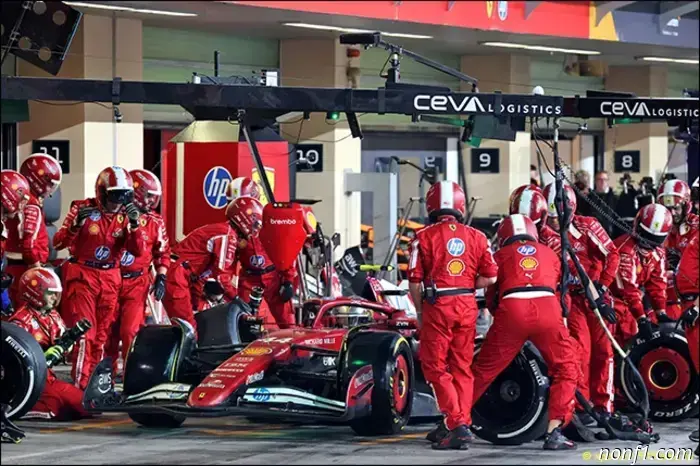
Что бы я хотел оставить в Ferrari из 2025 года? Прежде всего, высокую надёжность. В этом году Ferrari показала хорошую надежность. Механики порадовали – они постоянно были самыми быстрыми на пит-стопах и очень редко ошибались. Шарль Леклер тоже впечатлил.
Команда улучшила стратегию, проявив больше здравого смысла в принятии решений. Если в некоторых ситуациях стратегия оказалась не идеальной, то виноваты были не только решения на пит-лейн. Поэтому эти моменты я бы сохранил. В остальном же ничего не стоит сохранять».

Другие статьи
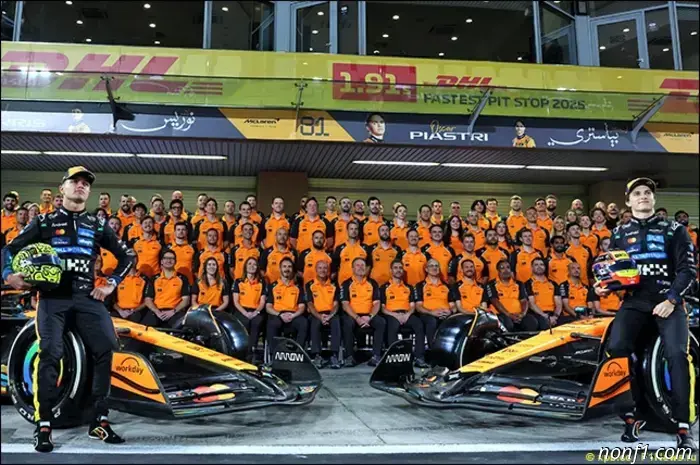 Итоги сезона: Команда McLaren в Формуле 1
В 2025 году команда McLaren выиграла десятый Кубок конструкторов за свою историю, а также 13-й титул в личном зачёте.
Итоги сезона: Команда McLaren в Формуле 1
В 2025 году команда McLaren выиграла десятый Кубок конструкторов за свою историю, а также 13-й титул в личном зачёте.
 Рецепт приготовления:
Источник: https://www.vkusnyblog.com/recipe/imbirnye-pechatnye-pryaniki-shishki/Примечания по ингредиентам:
Мёд. Используйте любой по вашему вкусу, чаще всего я выбираю липовый или цветочный, так как у них средняя концентрация медового аромата. Если хотите более насыщенный вкус, выберите гречишный. Мёд в рецепте разогревается, поэтому его форма (жидкий или засахаренный) в данном случае не имеет значения.
В качестве альтернативы можно использовать темную патоку для приготовления этих пряников.
Масло. Вам понадобится сливочное масло с содержанием жира от 72% и выше. Маргарин не рекомендуется!
Сахар. Берите обычный белый сахар. Коричневый здесь не подойдет.
Яйца. Рецепт предусматривает одно среднее яйцо весом около 50-55 г без скорлупы, базовый размер С-1 или М.
Мука. Используем обычную высшего сорта с содержанием белка около 10%. Хлебная мука не годится, так как пряники могут получиться жесткими.
Муку лучше добавлять постепенно: сначала 80% от общего объема, а затем оставшиеся 20% по мере необходимости, контролируя консистенцию теста.
Специи. Корица и имбирь обязательны для создания характерного аромата. Душистый перец придаёт аромат и немного остроты. Гвоздика также отлично дополняет аромат, и я всегда добавляю её – если нет молотой, можно измельчить целую. Однако некоторые пекут и без неё, используя только корицу, имбирь и перец.
Если у вас есть готовая смесь для имбирного печенья, добавьте её – вам понадобится 4,5 ч.л.
Переходим к приготовлению.
Готовим тесто.
В кастрюле смешиваем сахар, мёд и все специи. Доводим до кипения и снимаем с огня. добавляем соду и тщательно перемешиваем – смесь должна сильно пена.
Вводим масло и снова перемешиваем. Затем вбиваем яйцо и быстро перемешиваем, чтобы яйцо не свернулось.
Добавляем муку и замешиваем пластичное тесто. Лучше всего добавлять муку поэтапно, чтобы контролировать консистенцию.
Заворачиваем тесто в пленку и оставляем остывать до комнатной температуры.
Форму обильно смазываем растительным маслом.
Отделяем кусочек теста и придаем ему форму.
Укладываем тесто в форму и хорошо утрамбовываем, чтобы оно полностью заполнило рельеф.
Не выравниваем тесто по краям формы, оставляем небольшой бугорок, чтобы проще было извлечь пряник.
Аккуратно приподнимаем края теста от формы.
Переворачиваем форму вниз и очень осторожно извлекаем тесто, при необходимости помогая тонким шпателем. Если тесто хорошо остыло, а форма качественно смазана, заготовка выйдет без проблем.
Осторожно подрезаем лишнее тесто по краям.
Выкладываем пряники на противень.
Ставим в разогретую до 170 градусов духовку и выпекаем, пока края не начнут немного темнеть, около 15-18 минут. Помните, чем дольше пряники в духовке, тем они будут тверже.
Готовые пряники охлаждаем на решетке.
Готовим глазурь.
Взбиваем белок в пену и постепенно добавляем сахарную пудру. Должна получиться однородная вязкая масса.
Декорируем шишки глазурью с помощью кондитерского мешка и кисточки, слегка посыпаем сахарной пудрой.
Приятного чаепития! Или, прошу прощения, глинтвейнопития))) Или с чем вы будете наслаждаться этими пряниками?)
Этот рецепт имбирных печатных пряников "шишки" проверен и подготовлен шеф-поваром Татьяной Назарук - автором Вкусного Блога.
Хотите поблагодарить? Это очень просто!
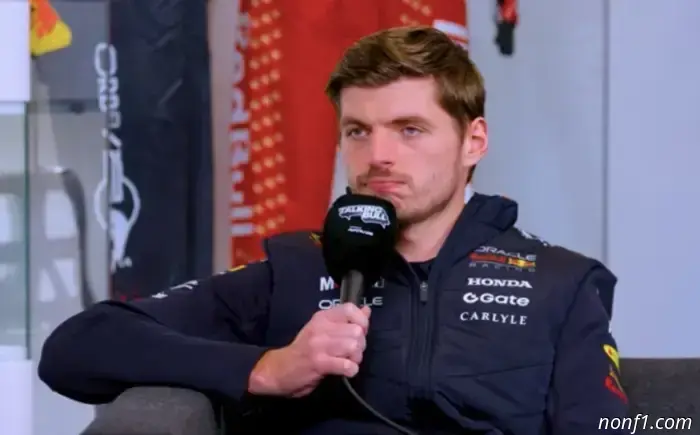
Макс Ферстаппен подытожил сезон в новом выпуске подкаста Red Bull Racing, отметив, что практически не огорчился из-за того, что не смог завоевать пятый титул...
Рецепт приготовления:
Источник: https://www.vkusnyblog.com/recipe/imbirnye-pechatnye-pryaniki-shishki/Примечания по ингредиентам:
Мёд. Используйте любой по вашему вкусу, чаще всего я выбираю липовый или цветочный, так как у них средняя концентрация медового аромата. Если хотите более насыщенный вкус, выберите гречишный. Мёд в рецепте разогревается, поэтому его форма (жидкий или засахаренный) в данном случае не имеет значения.
В качестве альтернативы можно использовать темную патоку для приготовления этих пряников.
Масло. Вам понадобится сливочное масло с содержанием жира от 72% и выше. Маргарин не рекомендуется!
Сахар. Берите обычный белый сахар. Коричневый здесь не подойдет.
Яйца. Рецепт предусматривает одно среднее яйцо весом около 50-55 г без скорлупы, базовый размер С-1 или М.
Мука. Используем обычную высшего сорта с содержанием белка около 10%. Хлебная мука не годится, так как пряники могут получиться жесткими.
Муку лучше добавлять постепенно: сначала 80% от общего объема, а затем оставшиеся 20% по мере необходимости, контролируя консистенцию теста.
Специи. Корица и имбирь обязательны для создания характерного аромата. Душистый перец придаёт аромат и немного остроты. Гвоздика также отлично дополняет аромат, и я всегда добавляю её – если нет молотой, можно измельчить целую. Однако некоторые пекут и без неё, используя только корицу, имбирь и перец.
Если у вас есть готовая смесь для имбирного печенья, добавьте её – вам понадобится 4,5 ч.л.
Переходим к приготовлению.
Готовим тесто.
В кастрюле смешиваем сахар, мёд и все специи. Доводим до кипения и снимаем с огня. добавляем соду и тщательно перемешиваем – смесь должна сильно пена.
Вводим масло и снова перемешиваем. Затем вбиваем яйцо и быстро перемешиваем, чтобы яйцо не свернулось.
Добавляем муку и замешиваем пластичное тесто. Лучше всего добавлять муку поэтапно, чтобы контролировать консистенцию.
Заворачиваем тесто в пленку и оставляем остывать до комнатной температуры.
Форму обильно смазываем растительным маслом.
Отделяем кусочек теста и придаем ему форму.
Укладываем тесто в форму и хорошо утрамбовываем, чтобы оно полностью заполнило рельеф.
Не выравниваем тесто по краям формы, оставляем небольшой бугорок, чтобы проще было извлечь пряник.
Аккуратно приподнимаем края теста от формы.
Переворачиваем форму вниз и очень осторожно извлекаем тесто, при необходимости помогая тонким шпателем. Если тесто хорошо остыло, а форма качественно смазана, заготовка выйдет без проблем.
Осторожно подрезаем лишнее тесто по краям.
Выкладываем пряники на противень.
Ставим в разогретую до 170 градусов духовку и выпекаем, пока края не начнут немного темнеть, около 15-18 минут. Помните, чем дольше пряники в духовке, тем они будут тверже.
Готовые пряники охлаждаем на решетке.
Готовим глазурь.
Взбиваем белок в пену и постепенно добавляем сахарную пудру. Должна получиться однородная вязкая масса.
Декорируем шишки глазурью с помощью кондитерского мешка и кисточки, слегка посыпаем сахарной пудрой.
Приятного чаепития! Или, прошу прощения, глинтвейнопития))) Или с чем вы будете наслаждаться этими пряниками?)
Этот рецепт имбирных печатных пряников "шишки" проверен и подготовлен шеф-поваром Татьяной Назарук - автором Вкусного Блога.
Хотите поблагодарить? Это очень просто!
Макс Ферстаппен подытожил сезон в новом выпуске подкаста Red Bull Racing, отметив, что практически не огорчился из-за того, что не смог завоевать пятый титул...
 Брэд Питт и Джордж Расселл стали участниками рекламы Mercedes.
Актёр Брэд Питт и гонщик Джордж Расселл участвуют в новой рекламной кампании Mercedes.
Брэд Питт и Джордж Расселл стали участниками рекламы Mercedes.
Актёр Брэд Питт и гонщик Джордж Расселл участвуют в новой рекламной кампании Mercedes.
The Ford Taurus and Mondeo sedans, constructed in China, have received enhanced styling and updated technology, yet they remain unavailable for purchase by American consumers. Ford introduced the redesigned Mondeo at the Guangzhou Auto Show, featuring updates in styling, technology, and powertrains for 2026. The Mondeo, built in China, is also marketed as the Taurus in the Middle East. Update: Following a series of teasers earlier this year, Ford has officially launched the refreshed Taurus for the Middle East and a few other markets. While the exterior modifications closely resemble those of the Chinese-market 2026 Mondeo introduced last November, Ford has decided not to include the larger dashboard screen found in that variant. Additionally, although the Ford Mondeo for the Chinese market experienced a small power boost with its update, the Taurus retains its current powertrain configuration. In the Middle East, the sedan is equipped with a 2.0-liter turbocharged four-cylinder engine delivering 239 horsepower (178 kW) and 282 lb-ft (382 Nm), mated to a standard eight-speed automatic transmission. A hybrid option is also available, combining a 1.5-liter turbocharged engine that produces 185 hp with a 64-horsepower electric motor and a continuously variable transmission (CVT). Front-wheel drive comes standard for all variants. Original story continues below. Ford's North American lineup has not featured a traditional four-door sedan since the last Taurus was manufactured in Chicago in 2019, but the name still exists. While the brand has phased out sedans in its home market, China and a few other selected regions worldwide seem to have overlooked this decision. More: Ford Evos Crossover Rebranded as the Mondeo Sport in China and Exclusively Hybrid Introduced in China in 2022, the Mondeo is now receiving a mid-cycle refresh that introduces sharper styling, new software, and slightly enhanced engines. These updates will soon be reflected in the Taurus available in the Middle East. What’s New? The most significant visual enhancements focus on the front and rear. The new headlights have a more streamlined shape and are framed by modern LED graphics, giving it a more pronounced resemblance to a four-door Mustang. The revised lighting units are accompanied by a wider grille linked to a sportier lower bumper intake. The overall sculpted profile remains largely intact, although customers can choose from updated wheel designs and additional color options. More: The Electrified Bronco Makes Its Debut in China Featuring a Pop-Up Roof Surprise At the rear, the redesigned tail section features more contemporary taillight graphics and an updated bumper with black trim and a body-colored diffuser. The vehicle dimensions remain unchanged, measuring 4,935 mm (194.2 inches) in length and a wheelbase of 2,945 mm (115.9 inches). What’s New Inside? At first glance, the interior appears to be unchanged, featuring the same 12.3-inch digital instrument cluster and 27-inch infotainment screen prominently on the dashboard. However, the cockpit is now powered by the next generation of SYNC+ software, utilizing the latest Snapdragon 8155 chip. Ford promises an upgraded interface, smoother functionality, and an enhanced voice assistant. The floating center console has been redesigned, now including dual wireless charging pads and new cupholders. Moreover, physical buttons have been repositioned beneath the climate vents. Slightly More Powerful The updated Mondeo is available in both gasoline and hybrid versions. However, engine outputs have slightly increased. The base turbo 1.5-liter engine produces 193 hp (144 kW / 196 PS), the turbo 2.0-liter EcoBoost generates 257 hp (192 kW / 261 PS), while the hybrid model offers a combined output of 284 hp (212 kW / 288 PS). All Mondeo variants are front-wheel drive, with gasoline models utilizing an eight-speed automatic transmission and hybrid models featuring a CVT. The refreshed Mondeo is manufactured in China through the Changan Ford joint venture. Pricing details will be forthcoming. It is currently uncertain if Ford will extend the same updates to the Mondeo Sport, the mechanically linked five-door crossover previously known as the Evos. Earlier teasers have also revealed the updated Taurus for the Middle East, mainly distinguished by distinct badging at the rear and smaller interior screens.
Экс-инженер Ferrari Луиджи Маццола отмечает и положительные аспекты для Скудерии в прошедшем сезоне...