
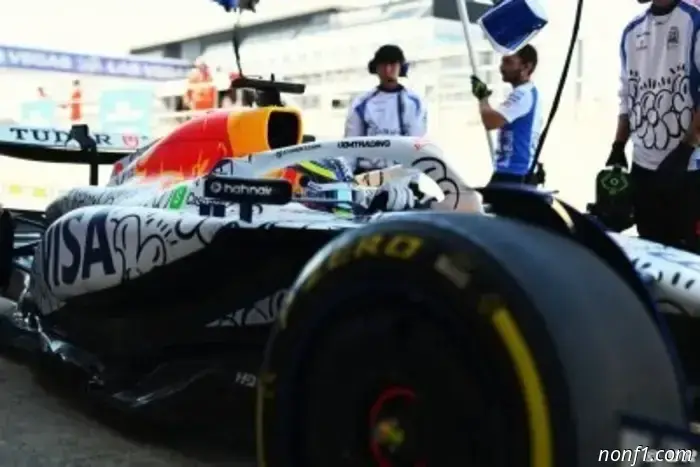
FIA investigating heated skid-plate method following Brazil GP
The heating process leads to the expansion of titanium.
The FIA is investigating reports that several Formula 1 teams are utilizing heat-expanding titanium skid plates to mitigate plank wear, a strategy that may account for the pronounced performance variations observed between sprint races and qualifying at Interlagos. According to the Japanese source as-web.jp, multiple team principals and technical directors believe that some competitors have figured out how to allow the mandatory titanium skids to absorb "significant amounts of heat."
As per the regulations, the three skid components must be composed of titanium alloy that meets specific criteria and must align perfectly with the wooden plank. Typically, teams assess surface wear after each session to ensure the plank maintains the minimum thickness required to avoid disqualification. However, in Brazil, insiders indicated that certain cars appeared to operate at a notably lower height without exhibiting excessive wear.
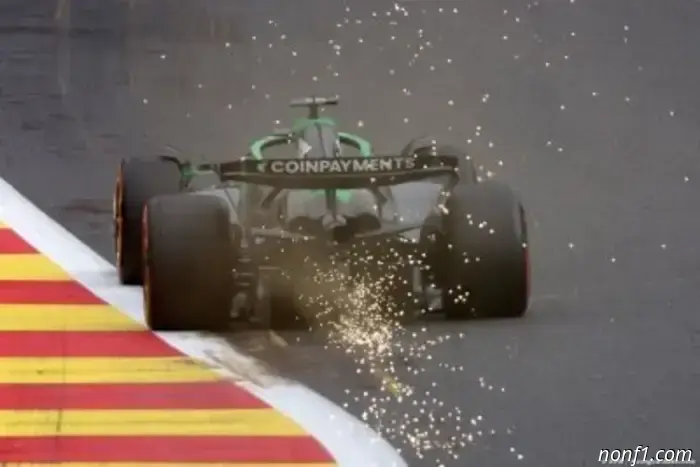
The report suggests that the heating process results in the titanium expanding downwards. "The higher the temperature of the titanium plate, the more it expands, which causes it to be positioned lower than the plank itself," the outlet mentioned. When the car produces "scattering sparks," only the skids make contact with the track while the plank remains slightly elevated—maintaining compliance with regulations.
Since drivers typically return to the pits at a slow pace after sessions, the metal cools and contracts, reverting to an even surface for FIA inspections. After several cars experienced significant bottoming during the sprint, FIA technical delegate Jo Bauer reportedly inspected all skid blocks prior to qualifying. According to the Japanese report, he found "devices installed on several cars specifically designed to heat the skids" and mandated their removal before Q1. Consequently, the affected teams had to increase the rear ride-height, resulting in a loss of downforce and speed.
The same report indicates that nearly every team employs this concept to some degree, with a few having refined it into a significant advantage on smooth circuits where cars can operate at very low heights. The FIA is thought to be drafting a technical directive to prohibit certain materials or methods on the cars' undercarriage. However, the report indicates that this action is unlikely to take effect until 2026, when updated regulations will greatly lessen the dependence on ground effect.

Other articles
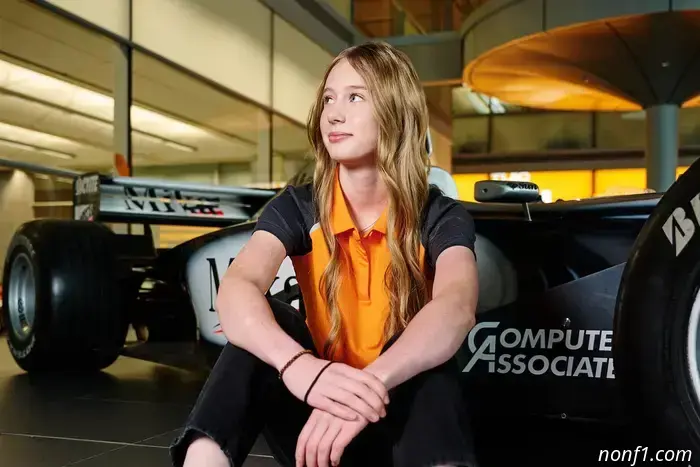 Häkkinen's daughter might have the potential to reach F1, according to Salo.
Formula 1 | Mika Salo believes that Ella Hakkinen has made a noteworthy advancement toward a potential Formula 1 career after securing a position with McLaren's Driver (…)
Häkkinen's daughter might have the potential to reach F1, according to Salo.
Formula 1 | Mika Salo believes that Ella Hakkinen has made a noteworthy advancement toward a potential Formula 1 career after securing a position with McLaren's Driver (…)
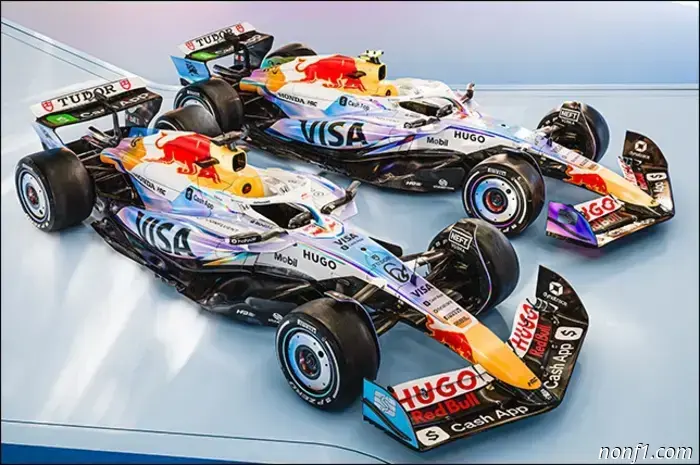 Racing Bulls unveiled their cars' livery for Vegas.
The Racing Bulls team and title partner Cash App revealed a new "holographic" livery for their cars at the Las Vegas Grand Prix...
Racing Bulls unveiled their cars' livery for Vegas.
The Racing Bulls team and title partner Cash App revealed a new "holographic" livery for their cars at the Las Vegas Grand Prix...
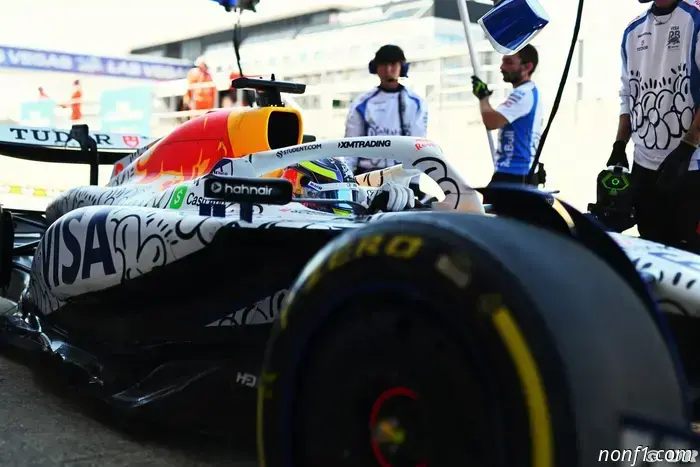 Pirelli has confirmed that two pit stops are planned for the Qatar Grand Prix.
Formula 1 | Pirelli has announced that it will enforce a stringent tyre-mileage limit at the Qatar Grand Prix next weekend, a decision that will make a two-stop race necessary (...)
Pirelli has confirmed that two pit stops are planned for the Qatar Grand Prix.
Formula 1 | Pirelli has announced that it will enforce a stringent tyre-mileage limit at the Qatar Grand Prix next weekend, a decision that will make a two-stop race necessary (...)
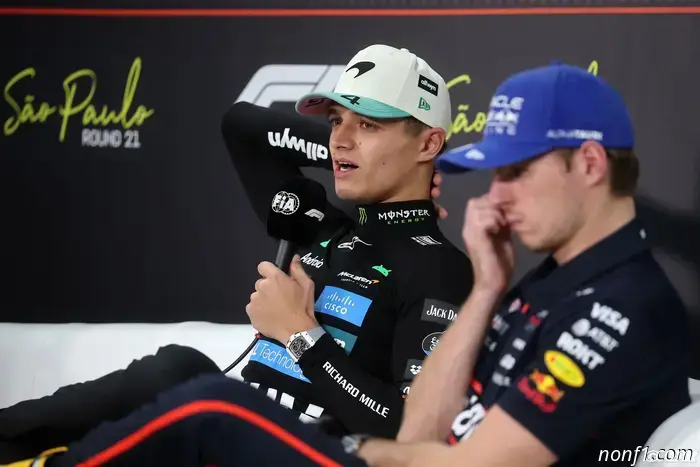 Brown describes Verstappen as 'arrogant' as the decisive moment approaches.
Formula 1 | As the Las Vegas weekend approaches, there is a genuine chance that Max Verstappen could mathematically drop out of the world championship contention, and the focus is (…)
Brown describes Verstappen as 'arrogant' as the decisive moment approaches.
Formula 1 | As the Las Vegas weekend approaches, there is a genuine chance that Max Verstappen could mathematically drop out of the world championship contention, and the focus is (…)
FIA investigating heated skid-plate method following Brazil GP
Formula 1 | The FIA is reviewing reports indicating that multiple Formula 1 teams are utilizing heat-expanding titanium skid plates to safeguard against plank wear - a method that (…)