
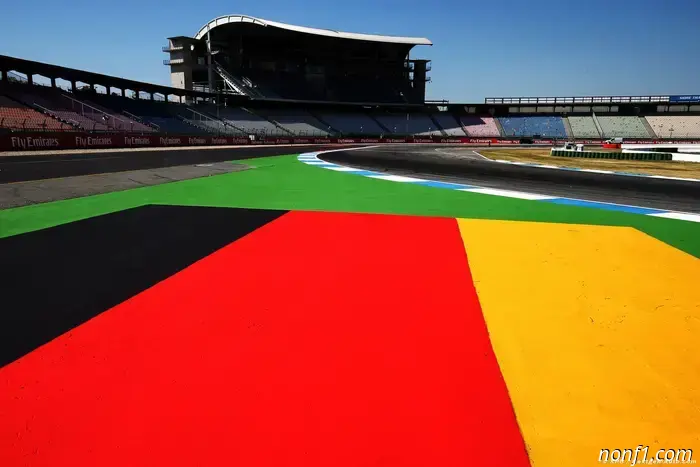
German GP prospects diminish as AvD cautions that expenses are 'unfeasible.'
"This has greatly raised the expenses of everything."
Germany's fleeting wave of hope regarding a return to Formula 1 has been subdued once more, with TZ newspaper reporting that the financial realities render a comeback very unlikely – even though F1 CEO Stefano Domenicali has recently expressed his desire to see Germany back on the calendar.
AvD president Lutz Leif Linden elaborated on the extent of the issue. "Formula 1 has seen a significant rise in popularity in recent years, largely due to promotional efforts such as the Netflix documentaries," he stated. "This has greatly raised the expenses of everything."
Linden, who has previously organized German Grands Prix, mentioned that current costs far exceed what ticket revenues can generate. "The licensing fees and any security costs for such an event alone are not manageable solely through ticket sales," he remarked.
Germany does not provide public funding – unlike many F1 hosting countries – and even adds an extra burden on drivers by taxing earnings made during race weekends. "That doesn't happen in other countries," Linden pointed out.
He said the financial requirement is now severe. "20 or 25 million euros is nowhere near sufficient anymore," he stated, adding that hosting a German GP would only be feasible "if some super-mega sponsor comes along."
Linden emphasized the significant economic benefits that an F1 weekend can bring to a region, but political hesitation and concerns about violating EU subsidy regulations continue to present major challenges.
He concluded: "Today, you can't secure a major international sporting event anywhere unless the state is completely behind it and provides cross-financing. We can only make this happen if we all commit fully."

Other articles
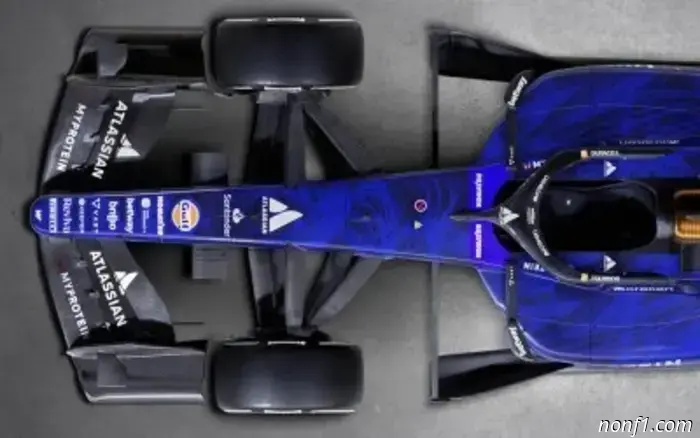 Vowles states that Williams intends to be the first team to unveil their car for 2026.
Formula 1 | Williams is striving to have its 2026 Formula 1 car finished well ahead of its competitors, as the urgency increases in the lead-up to (…)
Vowles states that Williams intends to be the first team to unveil their car for 2026.
Formula 1 | Williams is striving to have its 2026 Formula 1 car finished well ahead of its competitors, as the urgency increases in the lead-up to (…)
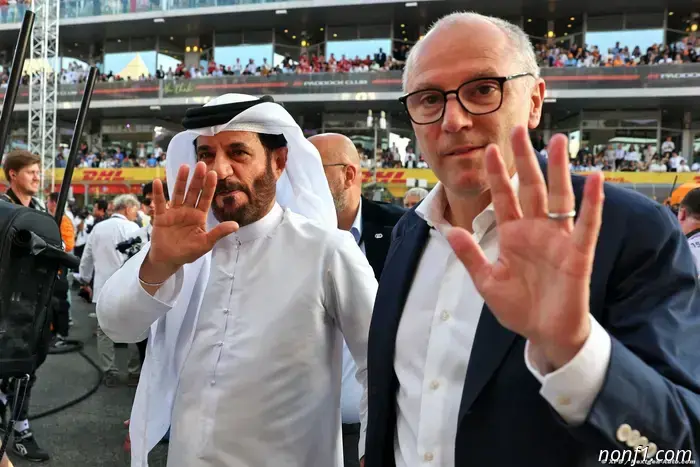 Concorde Agreement has been signed, and Ben Sulayem has been re-elected.
Concorde Agreement has been signed, and Ben Sulayem has been re-elected.
Concorde Agreement has been signed, and Ben Sulayem has been re-elected.
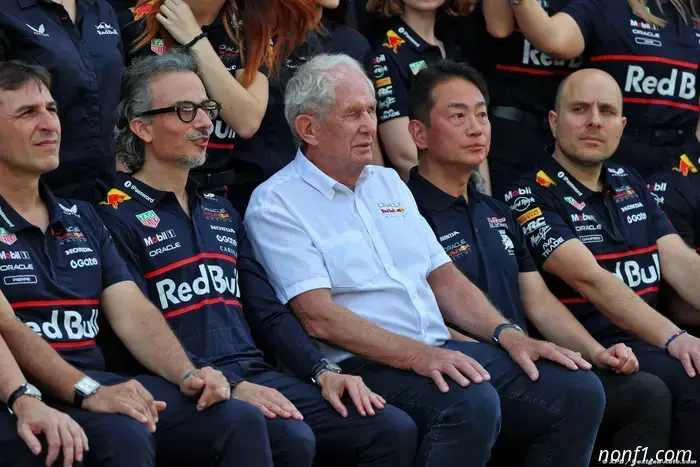 Marko dismisses the possibility of Vettel's return, attributing the title loss to Horner.
Formula 1 | The recently departed Dr. Helmut Marko has strongly dismissed rumors that Sebastian Vettel might take his place at Red Bull, prior to initiating his (…)
Marko dismisses the possibility of Vettel's return, attributing the title loss to Horner.
Formula 1 | The recently departed Dr. Helmut Marko has strongly dismissed rumors that Sebastian Vettel might take his place at Red Bull, prior to initiating his (…)
German GP prospects diminish as AvD cautions that expenses are 'unfeasible.'
Formula 1 | Germany's brief surge of hope regarding a return to Formula 1 has once again been overshadowed, as the TZ newspaper reports that the financial implications render (…)