

2026 Volvo V60 Cross Country Final Drive Review: A Contemporary Classic Camouflaged in Congestion
Andrew P. Collins
The latest car news and reviews, no nonsense.
Production of the 2026 Volvo V60 Cross Country will end in April of this year, just weeks from when this article is being written. This winter, I had the pleasure of spending time with one of the last U.S.-spec Volvo wagons, and I found myself appreciating it more with each drive.
For those of us who grew up in the ’80s, ’90s, and early 2000s, the thought of Volvo not offering station wagons feels quite strange. The long-roof design was a hallmark of the Swedish brand—wagons represented Volvo’s essence! Although the company has hinted at possibly reintroducing wagons in the future, for now, it’s the final call for Volvo wagons in the United States.
Consumer preferences have made it clear; most people prefer taller SUVs for the extra headroom and perceived practicality. In today’s market, shareholder profits often take precedence over consumer preferences—meaning the trend of automakers focusing on their most profitable models will likely persist.
So, should we be saddened by this development? Is the V60 Cross Country wagon genuinely cooler than its taller counterpart, the XC60 SUV?
In short: yes.
A station wagon is not only practical, but it also possesses more sex appeal than a crossover or SUV—especially in 2026, where parking lots are filled with uninspiring, colorless blobs.
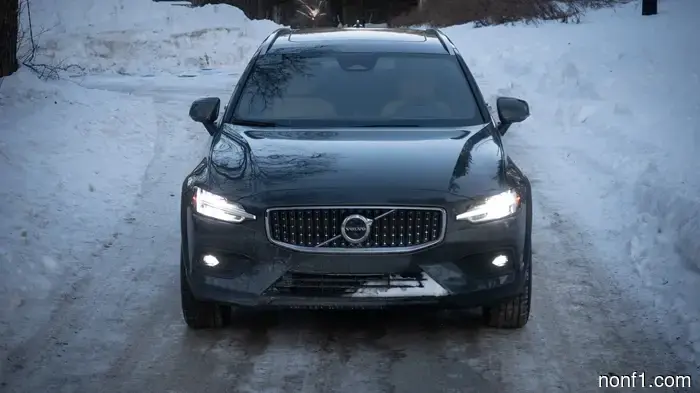
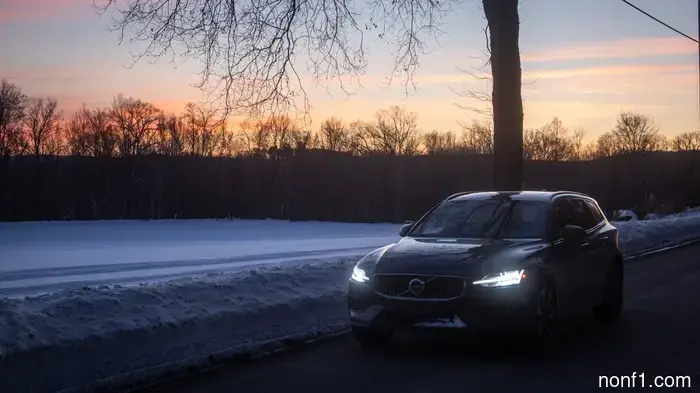
The allure of a wagon comes not just from its long, low roof, but also from the proportion of length to height. SUVs and crossovers, even the sleeker ones, often appear bulky. Their shape evokes a sense of “static mass,” whereas a wagon’s body suggests “movement.” By combining the aerodynamic front end of a sedan with an extended roofline, you create a silhouette that appears elongated, taut, and athletic. This is the same concept that makes the "shooting brake" aesthetic attractive. Even when parked, a wagon looks ready to speed—something an SUV simply can’t emulate.
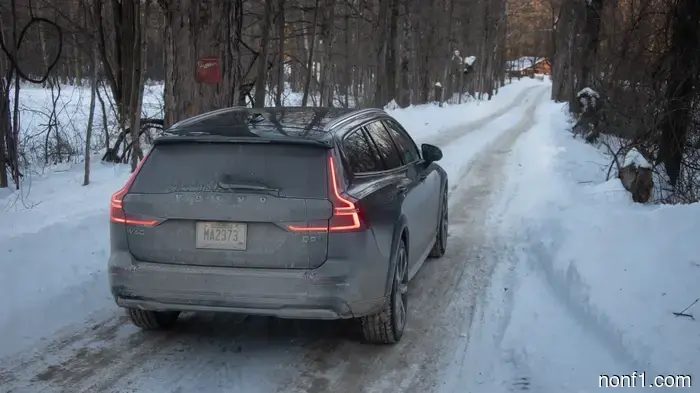
I realize that “covered in winter grime” isn’t the image Volvo’s marketing team would prefer for its car, but I think it still looks great.
Another factor is rarity. In the United States, wagons have not been common fixtures in driveways for decades. They stand out these days. Choosing to drive a wagon shows intentionality. It conveys a sense of taste and individuality, along with a smart approach to practicality.
While similarly sized SUVs may boast more cargo capacity, much of that space is unused air above passengers’ heads. The long, low cargo area of a wagon offers great versatility for leisure activities (like skiing) and work (like hauling lumber). Additionally, a lower roofline facilitates easier access to anything larger that you may be transporting on a roof rack (such as bikes). Plus, lower door heights simplify loading and unloading dogs!
Lastly, consider driving dynamics. The V60 CC may not be a precision tool for navigating tight curves, but it feels significantly more engaging than the XC60 mainly due to the driver’s position while driving. A sedan-based wagon gives the sensation of being “inside” the vehicle, whereas an SUV or even a crossover feels more like being “on top” of it. The added height of SUVs disconnects you from the feeling of speed.
The appeal of the V60 wagon lies in its combination of capability and elegance. It serves as a family vehicle but evokes a more “weekend getaway” vibe, while a crossover tends to suggest more of a “weekends at Target” energy.
Indeed, there’s a special charm to why wagon enthusiasts are so drawn to them. The V60 CC truly exemplifies a well-designed wagon.
It offers a smooth and quiet ride, with a balanced feel that strikes a perfect “medium” between firmness and softness in acceleration. The steering is quite light (with two settings available, though I found it hard to notice a difference)—this vehicle leans more toward luxury adventure touring rather than sportiness. It has ample ground clearance for inclement weather and dirt roads, combined with a low roofline that enhances its practicality.
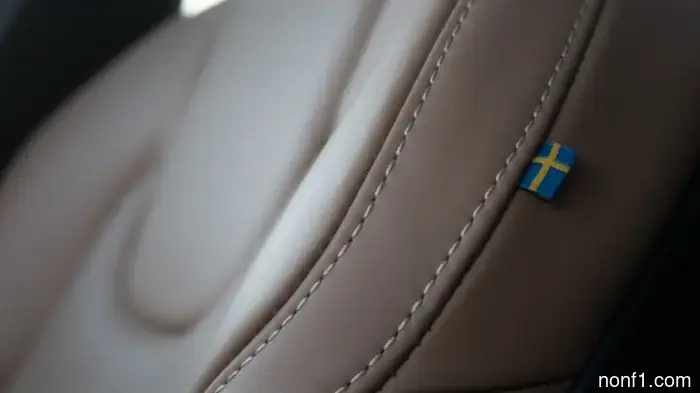
Finally, the interior is so beautifully designed that you’ll want to embark on spontaneous road trips every week. Volvo excels at blending sophisticated luxury with utility, showcasing this perfectly in the V60 CC. Polished chrome and sturdy buttons convey reliability, while wood accents and high-quality leather add a touch of warmth, and the uncluttered driver displays are calming. It provides a pleasant contrast to the sensory overload found in modern BMW or Mercedes models—while I appreciate my German cars, there’s no reason for the M5 Touring to bombard you with a flurry of glaring red signals when you activate the hazard lights.
The vehicle’s practical features (like seat adjustments, cargo compartments, and buttons) offer reassuring sturdiness, while the visual elements (dashboard and cockpit design) exude refined elegance. The touchpoints work



Other articles
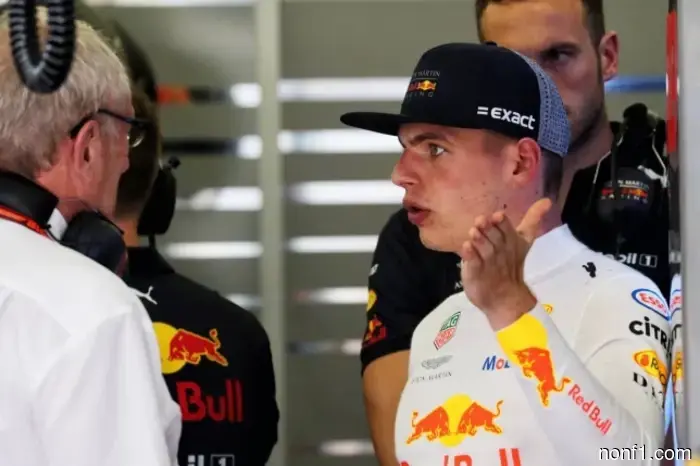 Marko: There was no question of Max's lap on the Nordschleife!
In the past, Helmut Marko had a categorically negative attitude towards Max Verstappen's ideas related to racing on the "North Loop" of the Nürburgring...
Marko: There was no question of Max's lap on the Nordschleife!
In the past, Helmut Marko had a categorically negative attitude towards Max Verstappen's ideas related to racing on the "North Loop" of the Nürburgring...
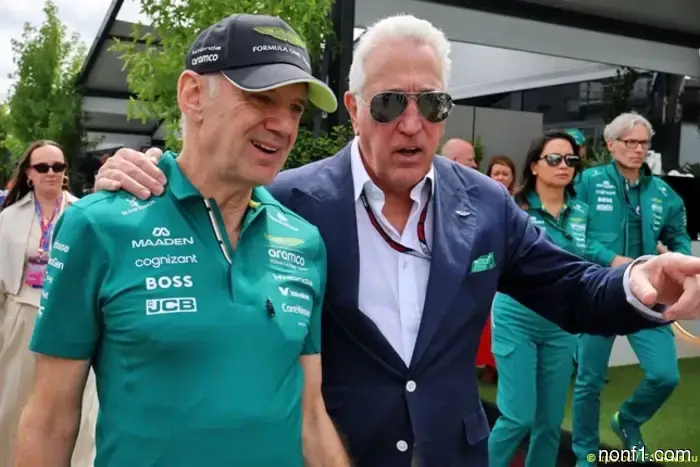 Lawrence Stroll's statement on the situation surrounding Newey
A few minutes after Audi's announcement regarding Jonathan Wheatley's departure, who is allegedly vying for the position of team principal at Aston Martin, the press service of the Silverstone team published an official statement from owner Lawrence Stroll concerning the situation surrounding Adrian Newey.
Lawrence Stroll's statement on the situation surrounding Newey
A few minutes after Audi's announcement regarding Jonathan Wheatley's departure, who is allegedly vying for the position of team principal at Aston Martin, the press service of the Silverstone team published an official statement from owner Lawrence Stroll concerning the situation surrounding Adrian Newey.
 View: Chaos reigns at Audi
Today it became known about Jonathan Wheatley's departure from the Audi factory team, which was formed based on Sauber. It is not surprising that this news was received particularly painfully in Switzerland...
View: Chaos reigns at Audi
Today it became known about Jonathan Wheatley's departure from the Audi factory team, which was formed based on Sauber. It is not surprising that this news was received particularly painfully in Switzerland...
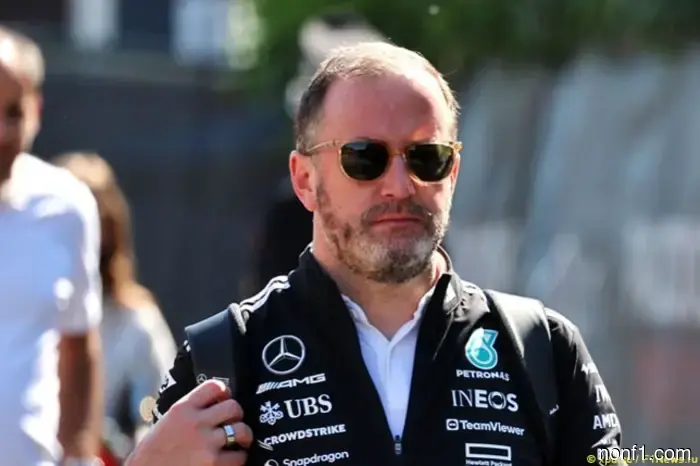 Bradley Lord - Deputy Team Principal of Mercedes
The Mercedes team announced the appointment of Bradley Lord as the deputy team principal.
Bradley Lord - Deputy Team Principal of Mercedes
The Mercedes team announced the appointment of Bradley Lord as the deputy team principal.
 Marko: There was no question of Max's lap on the Nordschleife!
In the past, Helmut Marko had a categorically negative attitude towards Max Verstappen's ideas related to racing on the "North Loop" of the Nürburgring...
Marko: There was no question of Max's lap on the Nordschleife!
In the past, Helmut Marko had a categorically negative attitude towards Max Verstappen's ideas related to racing on the "North Loop" of the Nürburgring...
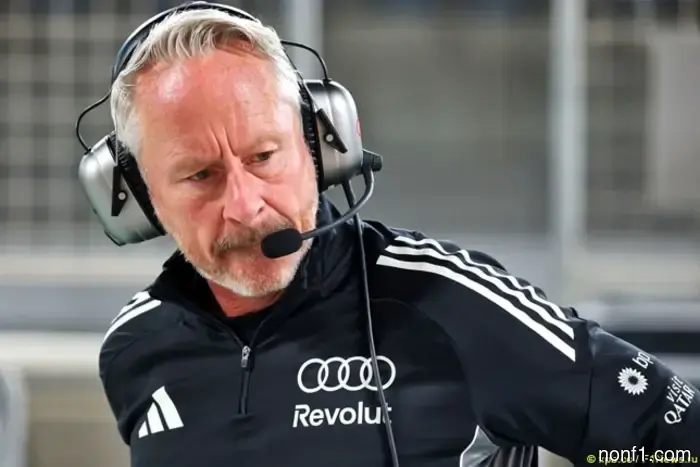 Jonathan Whitley has left his position as head of the Audi team.
Audi has officially confirmed the departure of Jonathan Wheatley from the position of team principal.
Jonathan Whitley has left his position as head of the Audi team.
Audi has officially confirmed the departure of Jonathan Wheatley from the position of team principal.
2026 Volvo V60 Cross Country Final Drive Review: A Contemporary Classic Camouflaged in Congestion
Here’s an explanation of why automobile enthusiasts have such a strong affection for wagons—and why we feel disappointed that the production of this car will be concluding in just a few weeks.