
Pirelli anticipates granulation, which will affect the strategy.
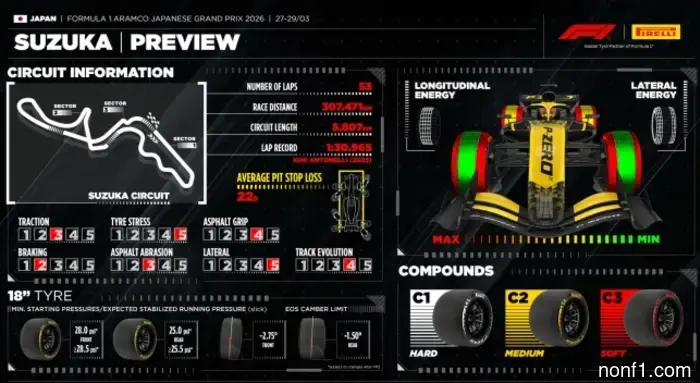
Most Formula 1 drivers consider the Suzuka circuit to be one of their favorites, as it truly showcases driving skill. At the same time, the famous "figure-eight" track with its 18 turns is also among the most challenging, which is directly related to the characteristics of its configuration. The tires work under maximum load due to both high speeds and constant changes in direction, which is why Pirelli brought three of the hardest tire compounds to this race. C1 is used as Hard, C2 as Medium, and C3 as Soft. Notably, C1 will be used for the first time this season.
The Suzuka International Racing Course is owned by Honda, and before the 2025 race, part of the surface was updated – from the exit of the first chicane to the end of the first sector of the lap. This year, the asphalt was also replaced in the two remaining sectors up to the 17th turn. Therefore, Pirelli anticipates that the new surface, while very smooth, will also be somewhat dirty, which will affect the level of grip.
Typically, in such conditions, tires are prone to graining, especially the softest compound. This phenomenon was observed last season, primarily affecting the front tires, but the degree of graining decreased after the first day of practice as the track conditions improved.
Currently, the section of the track with the new asphalt is much longer, and Pirelli specialists will need to analyze the performance and wear characteristics of the tires in even more detail. However, by Friday, there will be much more information available, allowing for predictions about tire behavior in the remaining days of the weekend.
If the hard tires provide sufficient grip, and C3 performs as consistently as it did in Shanghai, it is quite likely that all three compounds will play their role in teams' tactical strategies. Weather will also have an impact: this year, the Japanese Grand Prix takes place a week earlier than in 2025, and air temperatures are expected to be around 15 degrees. If they do not rise significantly, thermal degradation will remain moderate; however, the chances of completing the race with a single pit stop also depend on the degree of graining and its impact on pace. Additionally, Pirelli anticipates certain difficulties with tire warming during qualifying.
Last year, most participants in the Japanese Grand Prix managed to complete the entire distance with a single pit stop. Relatively low temperatures allowed for fairly long stints on Medium and Hard tires, with no significant drop in pace observed. The three drivers who stood on the podium started on medium-hard tires and switched to Hard after about 20 laps.
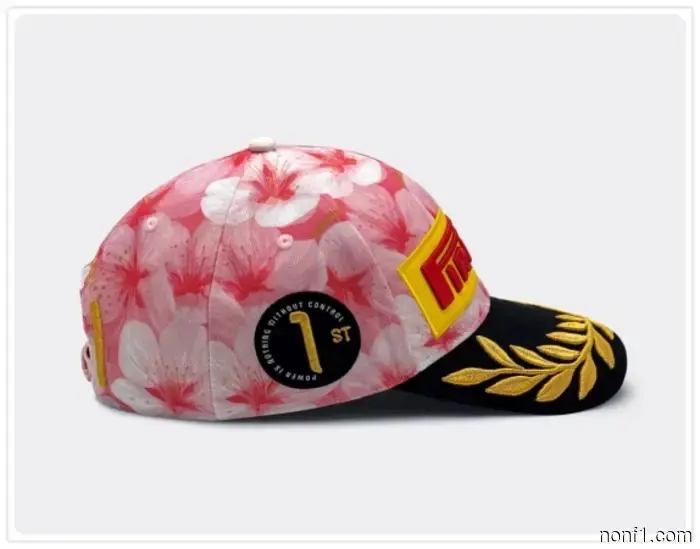
It is worth noting that this year, the top three finishers will appear on the podium in a special version of Pirelli baseball caps: their design features traditional Japanese motifs related to spring – the blooming of cherry blossoms.
Other articles
 Orihara: In Japan, we are still not reaching the necessary level.
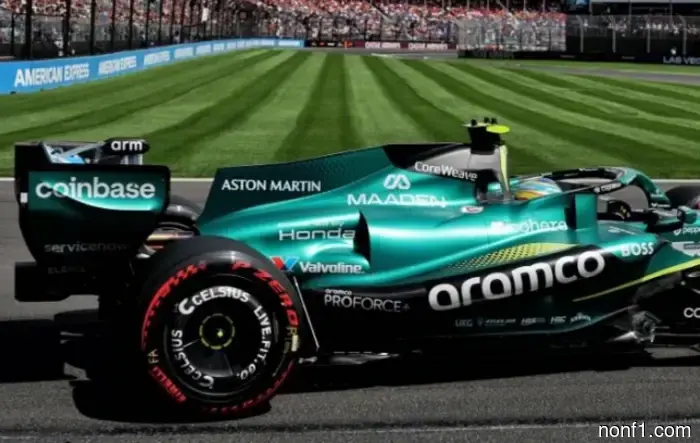
Honda continues to take measures aimed at addressing the shortcomings of its powertrains, and although the issues still persist, there has been some progress...
Orihara: In Japan, we are still not reaching the necessary level.
Honda continues to take measures aimed at addressing the shortcomings of its powertrains, and although the issues still persist, there has been some progress...
 Steve Cohen is another contender for Alpine F1 shares.
American businessman and politician Steve Cohen is interested in purchasing a stake in the Alpine team...
Steve Cohen is another contender for Alpine F1 shares.
American businessman and politician Steve Cohen is interested in purchasing a stake in the Alpine team...
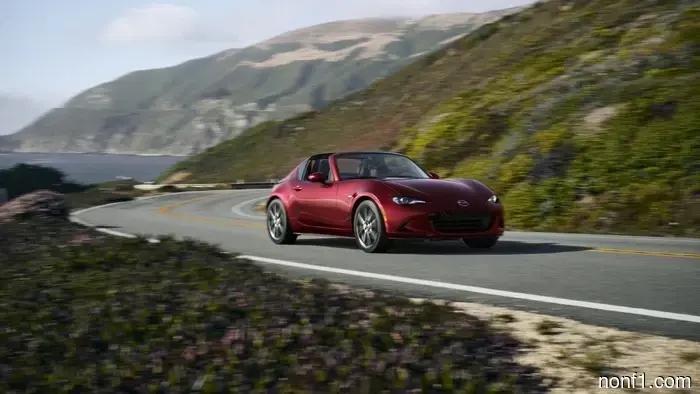 Mazda is developing a new MX-5 Miata that will weigh under 2,200 pounds, according to TDS.
The upcoming Miata will not be electrified as "that technology is quite heavy," stated Manabu Osuga, Mazda's General Manager of Global Sales and Marketing.
Mazda is developing a new MX-5 Miata that will weigh under 2,200 pounds, according to TDS.
The upcoming Miata will not be electrified as "that technology is quite heavy," stated Manabu Osuga, Mazda's General Manager of Global Sales and Marketing.
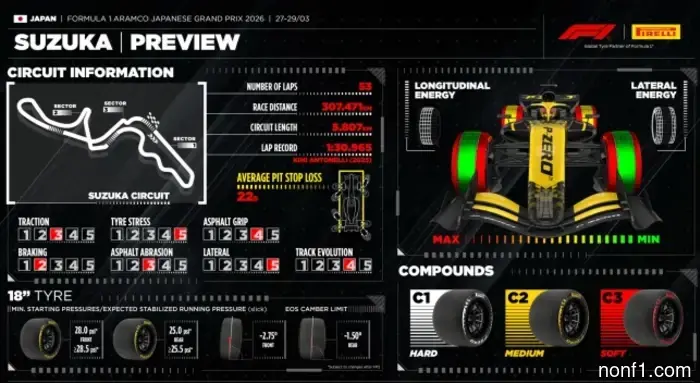 Pirelli anticipates granulation, which will affect the strategy.
On two sectors of the track in Suzuka, the asphalt has been replaced, and Pirelli tire manufacturers anticipate that this may lead to increased rubber granulation...
Pirelli anticipates granulation, which will affect the strategy.
On two sectors of the track in Suzuka, the asphalt has been replaced, and Pirelli tire manufacturers anticipate that this may lead to increased rubber granulation...
 Mercedes Developed a Feature That Memorizes Every Turn You Make and Can Reverse Them.
Struggling to back out of one-way alleys or lengthy, twisting driveways? Mercedes' new reversing feature takes care of it for you.
Mercedes Developed a Feature That Memorizes Every Turn You Make and Can Reverse Them.
Struggling to back out of one-way alleys or lengthy, twisting driveways? Mercedes' new reversing feature takes care of it for you.
Pirelli anticipates granulation, which will affect the strategy.
On two sectors of the track in Suzuka, the asphalt has been replaced, and Pirelli tire manufacturers anticipate that this may lead to increased rubber granulation...