
The Hyundai Boulder Indicates That the Age of Cyberpunk-Inspired Car Interiors Is Approaching Rapidly.
Hyundai
The latest car news and reviews, no nonsense
Our free daily newsletter delivers the most important stories straight to your inbox, every weekday.
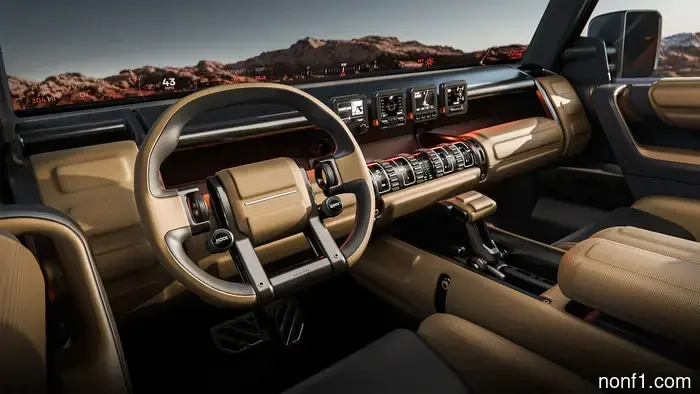
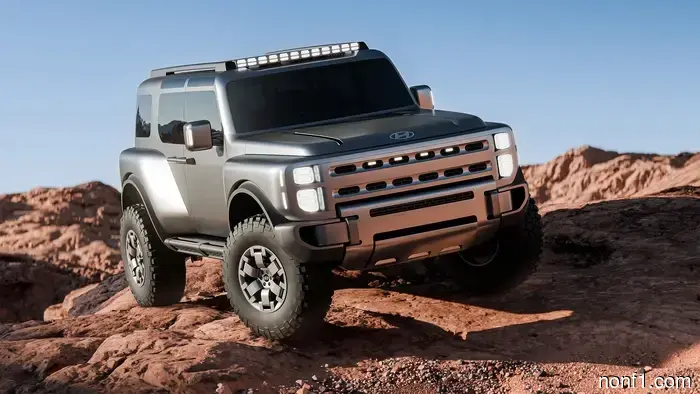
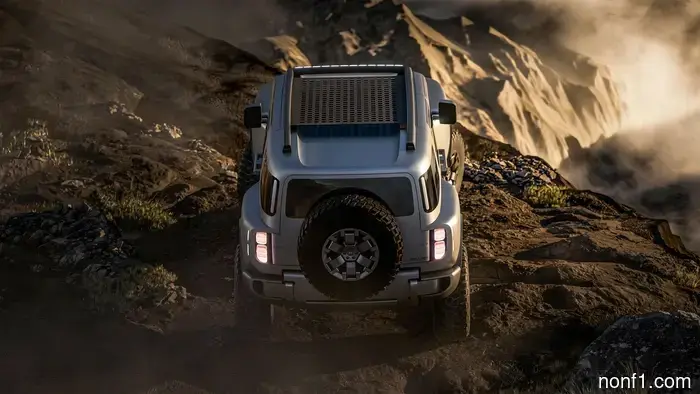
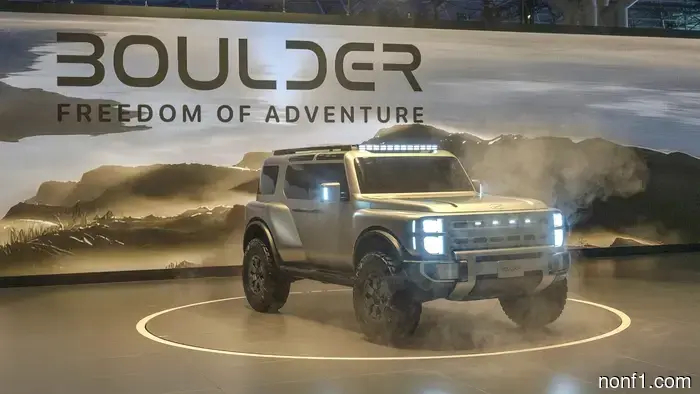
Today in New York, Hyundai unveiled a concept SUV designed to showcase the future of its body-on-frame vehicles tailored for the U.S. This vehicle is named the Boulder, and frankly, its exterior design reminds me of the 2004 Ford Bronco concept mixed with elements of the Scout. But that's a subject for another discussion; here, I want to concentrate on the Boulder’s interior and its forward-looking approach to Cyberpunk car interiors.
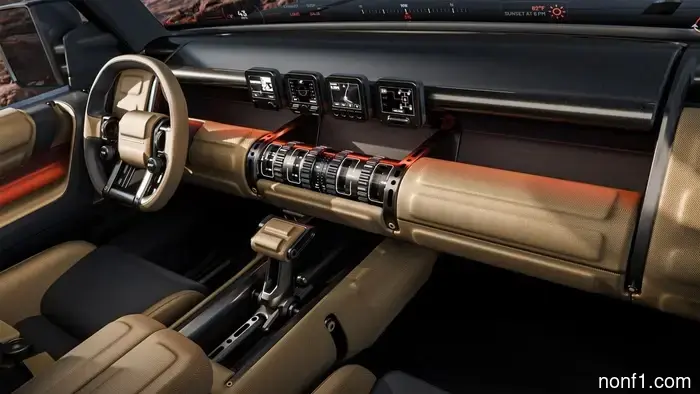
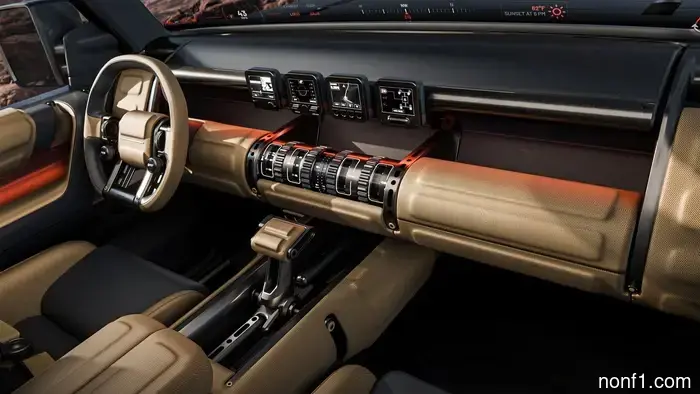
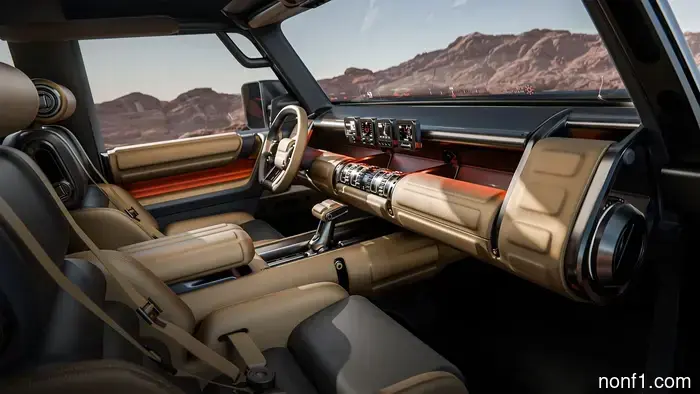
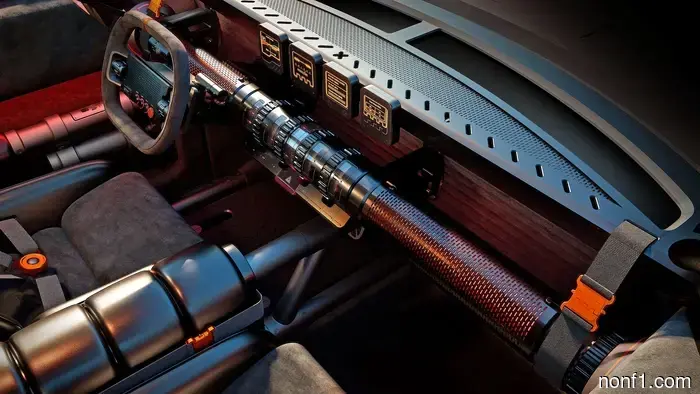
If the Boulder’s interior seems recognizable, it’s because it’s a softer evolution of the dashboard from last year’s Crater concept. The dashboard features the same “Bring Your Own Device” rail system for what appear to be adjustable gauges and screens, along with a cylindrical section underneath that is equipped with large vertical meters and hefty, rotating dials. The key distinction is that the Boulder incorporates more materials typical of actual vehicles, such as textiles and padding. The Crater’s all-metal dash would likely pose an injury risk in the event of a crash, but I’m not the authority to judge that!
The point is, the automotive industry is now at a stage where such designs are moving from theoretical to achievable. Physical controls and buttons, as we’ve seen, are making a comeback. Hyundai has acknowledged this regarding its future models. On the Boulder’s dashboard, from left to right, we have settings for differential locks, four-wheel-drive modes, what might be labeled as “X TREK” (though it’s hard to discern due to the rendering), and likely dynamic stability control. Nestled in between is a compass, and beside each vertical display is a gear-like crown. The Crater model included a row of climate control toggles beneath those, a common feature in modern Hyundai and Kia vehicles, but the Boulder does not.
The top image features the dashboard of the new Boulder concept, while the bottom showcases the dash from last year’s Crater concept. Hyundai
This design is appealing, allowing the Boulder to showcase its rugged aesthetic confidently. Notably, instead of a large touchscreen at the forefront, Hyundai has opted for smaller, modular screens that can theoretically be added, removed, or rearranged according to the owner’s preferences.
A few years back, my former colleague Peter Holderith pointed out that automakers should abandon the idea of cramming every feature into one massive screen and instead segment them into localized panels that cluster similar functions. A prime example of this is the Lucid Air’s lock and lights panel located just left of the instrument cluster. Both the Boulder and the Crater embrace this concept and expand upon it.
Take a look at those hollow, vertically rotating dials on the steering wheel. While they may not be practical for production, they certainly have a striking visual appeal! Hyundai
The screens display currently playing media (yes, “Sabotage”), an inclinometer, maps, and a more detailed view of the 4WD system's activity. Personally, I envision a future where Hyundai offers a variety of these screens, allowing owners to choose their preferences for their vehicles. People generally appreciate technology in their cars, provided they have some control over its integration, and this initiative could facilitate that. Additionally, there’s a lightweight heads-up display running the length of the windshield, which looks impressive, though we would need to see how readable it is in real-world conditions.
Overall, both the Boulder and its predecessor, the Crater, present a forward-looking vision, but not in the stark, soulless, overly minimalist manner that car design pursued over the past decade and into the present. This suggests that Hyundai, along with many other automakers, is genuinely trying to blend technology and tactile experiences in a satisfying manner, rather than overwhelming everything with large screens and troublesome capacitive buttons. The Cyberpunk aesthetic has already influenced the exteriors of several recent Hyundai models, and it appears poised to influence the interior as well.
Hyundai
Have a tip? Contact us at tips@thedrive.com
Other articles
-to-Do-Real-Work.jpg) These One-Cylinder Diesel Farm Trucks Require Just 18 HP (or Less) to Perform Actual Tasks
The engines are positioned horizontally and operate at impressively low RPM.
These One-Cylinder Diesel Farm Trucks Require Just 18 HP (or Less) to Perform Actual Tasks
The engines are positioned horizontally and operate at impressively low RPM.
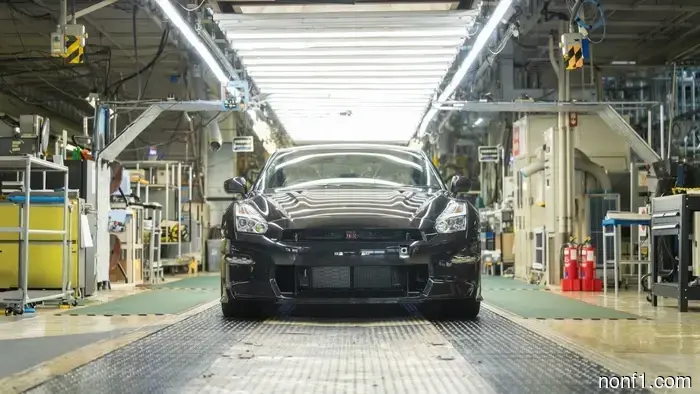 Nissan's upcoming GT-R will feature a hybrid powertrain, retain the VR38 engine block, and is expected to launch by 2030.
Nissan America's president exclusively informed The Drive that the powertrain of the Nissan R36 GT-R will be largely new.
Nissan's upcoming GT-R will feature a hybrid powertrain, retain the VR38 engine block, and is expected to launch by 2030.
Nissan America's president exclusively informed The Drive that the powertrain of the Nissan R36 GT-R will be largely new.
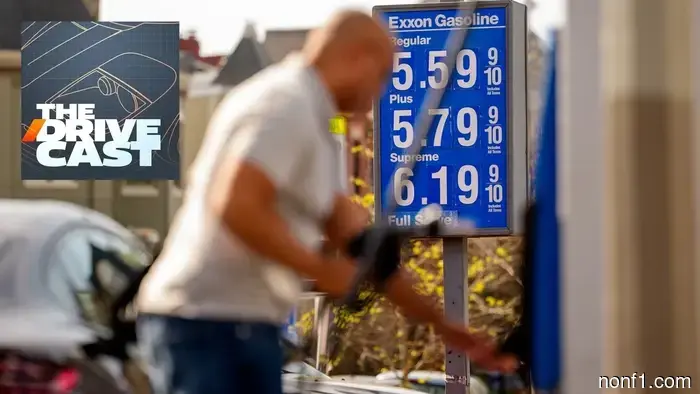 The Federal Reserve Claims That Mixing Ethanol With Fuel Will Lower Gas Prices. We're Skeptical.
As gas prices surpass $4 per gallon, the EPA suggests that more affordable, ethanol-rich fuel will alleviate the burden. However, the calculations don't seem to align, yet the potential dangers are quite clear.
The Federal Reserve Claims That Mixing Ethanol With Fuel Will Lower Gas Prices. We're Skeptical.
As gas prices surpass $4 per gallon, the EPA suggests that more affordable, ethanol-rich fuel will alleviate the burden. However, the calculations don't seem to align, yet the potential dangers are quite clear.
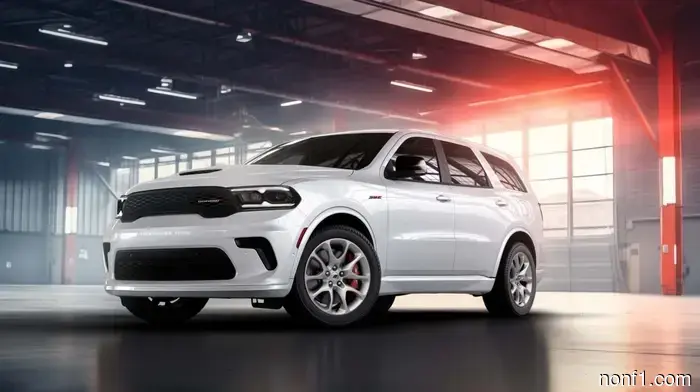 Dodge dealers primarily focus on selling Durangos nowadays.
Looking for a new V8 SUV? Head over to your nearby Durango dealer—excuse me, I meant *Dodge* dealer.
Dodge dealers primarily focus on selling Durangos nowadays.
Looking for a new V8 SUV? Head over to your nearby Durango dealer—excuse me, I meant *Dodge* dealer.
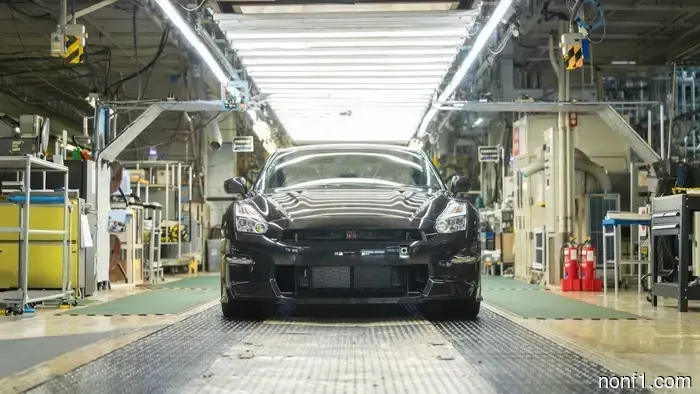 The upcoming Nissan GT-R will feature a hybrid system, maintain the VR38 engine block, and is expected to launch by 2030.
The head of Nissan America exclusively informed The Drive that the powertrain of the Nissan R36 GT-R will primarily be new.
The upcoming Nissan GT-R will feature a hybrid system, maintain the VR38 engine block, and is expected to launch by 2030.
The head of Nissan America exclusively informed The Drive that the powertrain of the Nissan R36 GT-R will primarily be new.
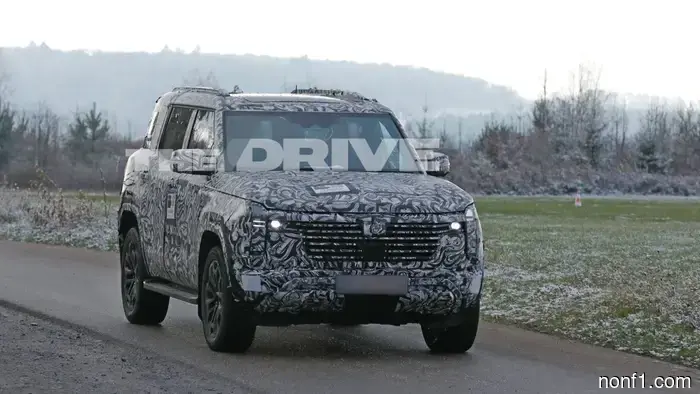 The New Mitsubishi Montero Will Be Launched Later This Year: TDS
A legendary nameplate is about to make its comeback in Mitsubishi dealerships.
The New Mitsubishi Montero Will Be Launched Later This Year: TDS
A legendary nameplate is about to make its comeback in Mitsubishi dealerships.
The Hyundai Boulder Indicates That the Age of Cyberpunk-Inspired Car Interiors Is Approaching Rapidly.
Hyundai's body-on-frame design suggests that we're ready to advance past the annoyance of oversized screens in vehicles, and we couldn't be more excited.