

Ford Continues to Request Exemption from Aluminum Tariffs, But the White House Responds, "Ford Who?"
Ford
The most important car news and reviews, no nonsense
Our free daily newsletter delivers the stories that truly matter directly to you every weekday.
Last week, Ford grabbed attention with news regarding the sales of its updated Mustang. However, hidden within Ford’s sales report was some less favorable information. Sales of the F-Series pickups remain low compared to last year. While this may reflect the current decline in full-size domestic pickup purchases, Ford admits that it has been having difficulty meeting demand for its high-volume and profitable pickups since last fall, when a fire disrupted production at Novelis, one of the largest domestic aluminum suppliers.
Novelis, which supplies aluminum to numerous automakers, including Ford, anticipates restarting production at its Oswego, New York facility in June. In the interim, Novelis has had to fulfill contracts using aluminum sourced internationally, which incurs tariffs of 25%. This is particularly challenging for Ford, which has previously been vocal about the aluminum used in its full-size pickups.
Citing these challenges, Ford approached the administration for temporary tariff relief late last year. Although relief was granted, it turned out to be rather short-lived. The administration approved a waiver for Ford’s operations until November, roughly a month after the fire, rather than extending it to May of this year when Novelis expects to resume production in New York. This adjustment has cost Ford approximately $900 million in additional tariff responsibilities.
Like other automakers, Ford has been exploring ways to mitigate tariff-driven cost increases without raising prices, but many customers are learning that these costs manifest in showrooms, with non-negotiable destination and delivery fees gradually increasing.
Meanwhile, The Wall Street Journal now reports that Ford has continued to seek tariff relief with limited success. However, a White House official noted that automakers, including Ford, “have not requested tariff relief on this issue in a particularly pronounced way.”
What does that mean? We’ll leave that for you to interpret.
In the meantime, the real affected party will continue to be the customers. The funds Ford spends on unexpected tariffs could have been used to incentivize the sale of new pickups. But don’t worry; the government will surely find a way to spend that money wisely.
Have a news tip? Reach out to us at tips@thedrive.com!

Other articles
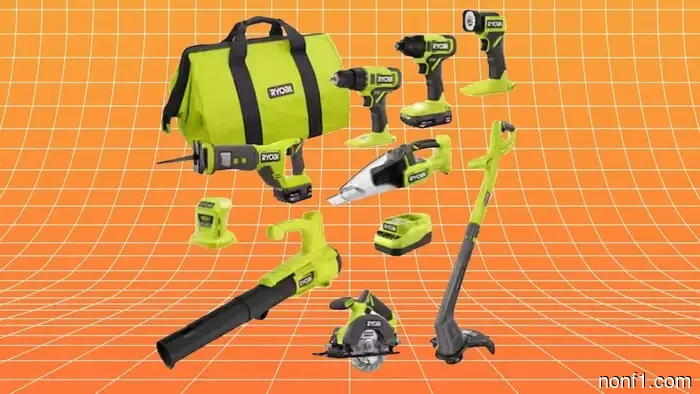 The Home Depot is offering significant discounts on Ryobi power tools as they clear out their inventory.
The Spring Black Friday sale at Home Depot offers amazing deals on Ryobi tools, with discounts reaching up to 69% off.
The Home Depot is offering significant discounts on Ryobi power tools as they clear out their inventory.
The Spring Black Friday sale at Home Depot offers amazing deals on Ryobi tools, with discounts reaching up to 69% off.
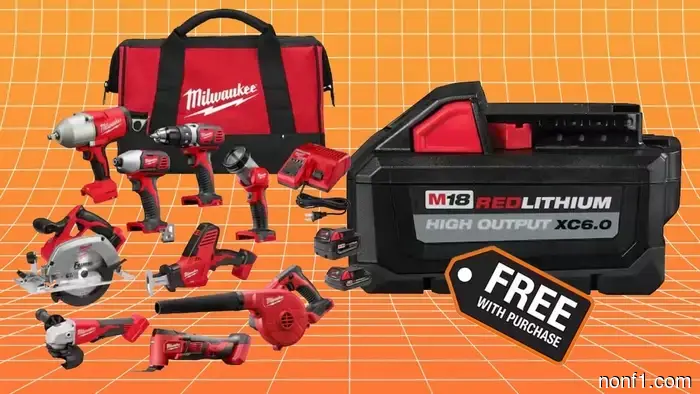 Home Depot has reintroduced free Milwaukee power tool batteries.
If you've been considering a new tool, now is the time to purchase during the Spring Black Friday event at The Home Depot. Purchase a tool and receive a complimentary 6.0Ah battery!
Home Depot has reintroduced free Milwaukee power tool batteries.
If you've been considering a new tool, now is the time to purchase during the Spring Black Friday event at The Home Depot. Purchase a tool and receive a complimentary 6.0Ah battery!
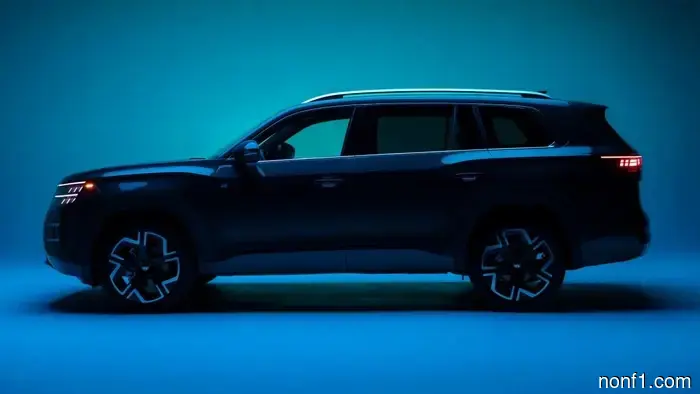 VW is halting production of the US ID.4 to prioritize the larger, gas-powered Atlas model.
VW states it's relocating U.S. production to the gasoline-powered Atlas to "concentrate" on "higher-volume models that promote ongoing growth in North America."
VW is halting production of the US ID.4 to prioritize the larger, gas-powered Atlas model.
VW states it's relocating U.S. production to the gasoline-powered Atlas to "concentrate" on "higher-volume models that promote ongoing growth in North America."
 Ford Continues to Request Relief from Aluminum Tariffs. The White House Responds, Who's Ford?
The Federal authorities are not swayed by Ford's requests for tariff exemptions.
Ford Continues to Request Relief from Aluminum Tariffs. The White House Responds, Who's Ford?
The Federal authorities are not swayed by Ford's requests for tariff exemptions.
Ford Continues to Request Exemption from Aluminum Tariffs, But the White House Responds, "Ford Who?"
The Federal authorities are not convinced by Ford's requests for tariff exemptions.