
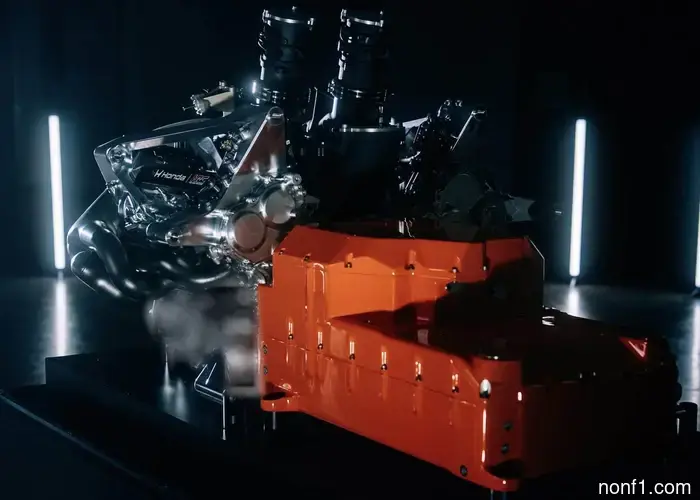
FIA broadens engine catch-up regulations in light of the Honda situation.
The FIA has expanded Formula 1's contentious Additional Development and Upgrade Opportunities (ADUO) system, a decision likely to aid struggling manufacturers such as Honda and possibly Ferrari. The governing body announced modifications to the 2026 engine regulations following the cancellation of the Bahrain and Saudi Arabian Grands Prix, which disrupted the initial schedule for evaluating power unit performance gaps.
The ADUO system was established to prevent situations seen in past F1 engine eras, where underperforming manufacturers could remain uncompetitive for extended periods due to homologation freezes. According to the rules, manufacturers that are lagging behind the benchmark engine receive extra dyno hours, increased financial flexibility, and greater freedom for upgrades.
Now, the FIA has raised the maximum assistance threshold from an 8 percent performance deficit to 10 percent, suggesting that some manufacturers may be further behind than previously believed. Additionally, an extra $8 million allowance has been introduced for 2026 only. The governing body has also adjusted the evaluation timeline; instead of occurring after races six, 12, and 18, the first formal assessment will now take place after the Canadian GP in Montreal, followed by Hungary and Mexico later in the season.
"The FIA might alter these ADUO periods if there are any significant changes to the competition calendar," the governing body remarked. The revisions come amid increasing speculation in the paddock that Honda is considerably lagging under the new rules, with Aston Martin experiencing a poor start to 2026. Spanish commentator Antonio Lobato depicted the situation as exceedingly dire.
"In my view, Aston Martin’s current failure is the gravest failure of any team in Formula 1 history," he stated. "They possess cutting-edge facilities, the finest wind tunnel, a new simulator, aerodynamicists hired from other teams, Adrian Newey - high expectations - and yet everything falls apart because the collaboration with Honda is unsuccessful."
"It’s a catastrophe, an absolute catastrophe." Meanwhile, George Russell downplayed the likely effects of the new concessions. "Naturally, we would appreciate more time in the wind tunnel and more dyno hours," the Mercedes driver mentioned. "I maintain my confidence in the team, and I still don’t believe it will assist us. However, I don’t anticipate it will negatively impact or alter the situation drastically."
There is also uncertainty regarding whether these changes could benefit Red Bull and its new Ford-backed engine project. Red Bull team principal Laurent Mekies acknowledged earlier this year that there were concerns the in-house engine program could evolve into a "nightmare scenario." "However, we are already aware that we won’t disgrace ourselves in this matter, although we still trail behind our rivals," Mekies stated. "Our engine has clearly surpassed expectations at this point."
"I believe we can make significant progress, especially looking towards 2027."
Other articles
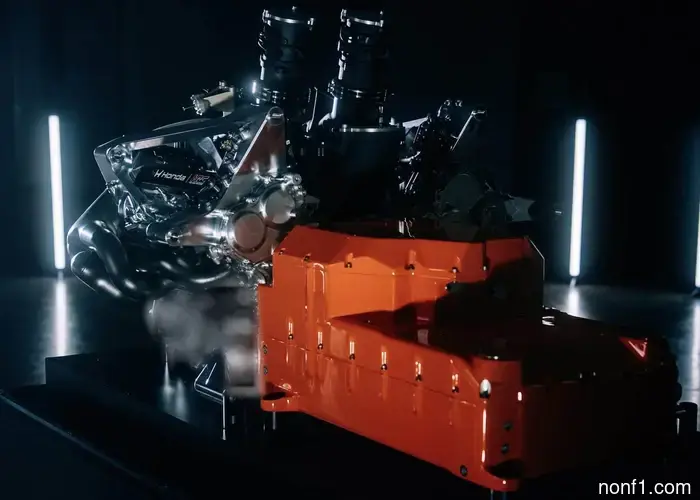 FIA broadens engine catch-up regulations in response to the Honda situation.
Formula 1 | The FIA has expanded the contentious Additional Development and Upgrade Opportunities (ADUO) system in Formula 1 - a change that is expected to aid teams that are facing difficulties (…)
FIA broadens engine catch-up regulations in response to the Honda situation.
Formula 1 | The FIA has expanded the contentious Additional Development and Upgrade Opportunities (ADUO) system in Formula 1 - a change that is expected to aid teams that are facing difficulties (…)
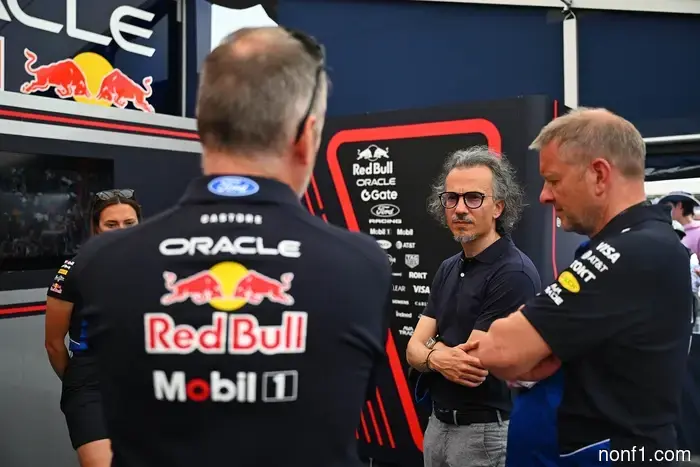 Verstappen remains the 'core of the project' at Red Bull, according to the team principal.
Formula 1 | According to team principal Laurent Mekies, Max Verstappen is completely dedicated to Red Bull, despite growing rumors regarding his future. (…)
Verstappen remains the 'core of the project' at Red Bull, according to the team principal.
Formula 1 | According to team principal Laurent Mekies, Max Verstappen is completely dedicated to Red Bull, despite growing rumors regarding his future. (…)
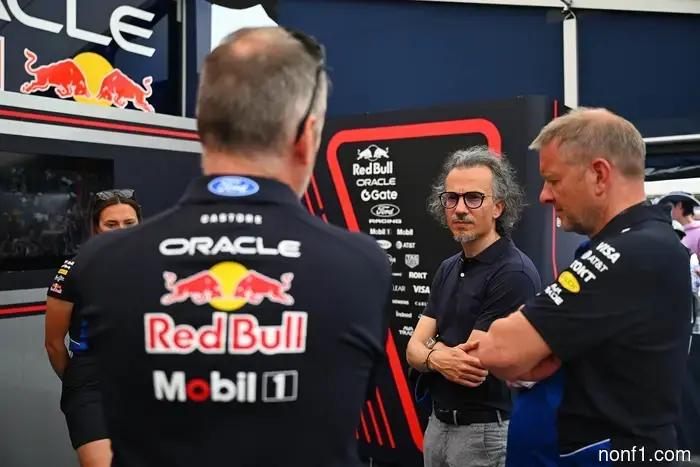 Verstappen remains the 'core of the project' at Red Bull, according to the team principal.
Formula 1 | Team principal Laurent Mekies stated that Max Verstappen is completely dedicated to Red Bull, despite growing speculation regarding his future. (…)
Verstappen remains the 'core of the project' at Red Bull, according to the team principal.
Formula 1 | Team principal Laurent Mekies stated that Max Verstappen is completely dedicated to Red Bull, despite growing speculation regarding his future. (…)
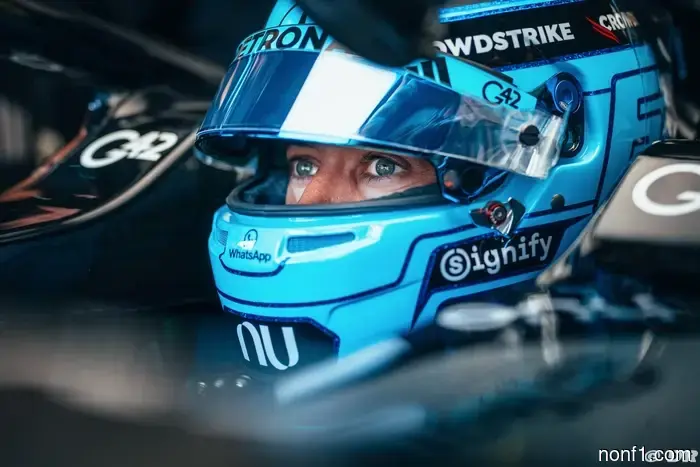 Ecclestone has already excluded Russell from the championship race.
Formula 1 | Bernie Ecclestone thinks that the 2026 world championship is already drifting away from George Russell. Following Kimi Antonelli's impressive rise to a third (…)
Ecclestone has already excluded Russell from the championship race.
Formula 1 | Bernie Ecclestone thinks that the 2026 world championship is already drifting away from George Russell. Following Kimi Antonelli's impressive rise to a third (…)
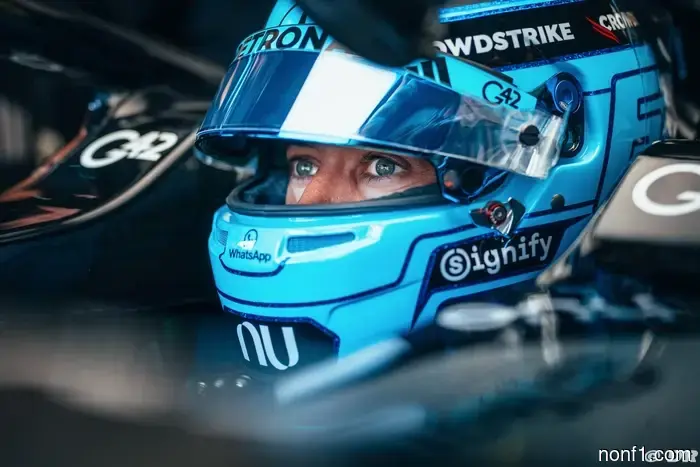 Ecclestone has already dismissed Russell's chances in the title race.
Formula 1 | Bernie Ecclestone thinks that the 2026 world championship is already drifting away from George Russell. Following Kimi Antonelli's impressive performance, which secured a third (...)
Ecclestone has already dismissed Russell's chances in the title race.
Formula 1 | Bernie Ecclestone thinks that the 2026 world championship is already drifting away from George Russell. Following Kimi Antonelli's impressive performance, which secured a third (...)
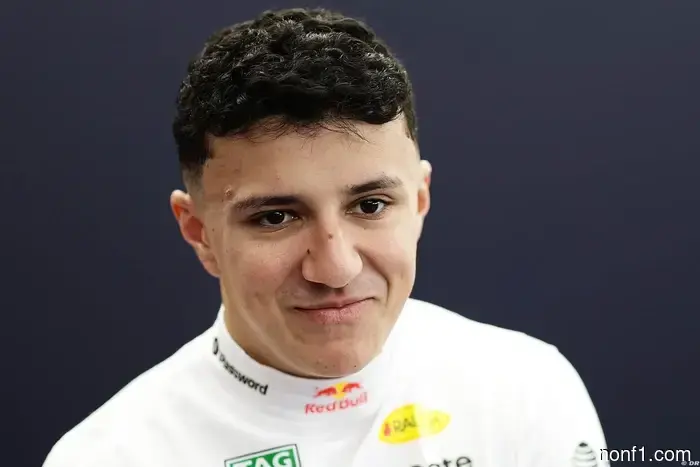 Hadjar expresses approval of the FIA's withdrawal from the 2026 engine regulations.
Formula 1 | Isack Hadjar states that Formula 1 is finally progressing positively after the FIA and manufacturers reached a preliminary agreement to further ease the (...)
Hadjar expresses approval of the FIA's withdrawal from the 2026 engine regulations.
Formula 1 | Isack Hadjar states that Formula 1 is finally progressing positively after the FIA and manufacturers reached a preliminary agreement to further ease the (...)
FIA broadens engine catch-up regulations in light of the Honda situation.
Formula 1 | The FIA has expanded the contentious Additional Development and Upgrade Opportunities (ADUO) system in Formula 1 - a decision that is expected to aid teams that are facing difficulties (…)