
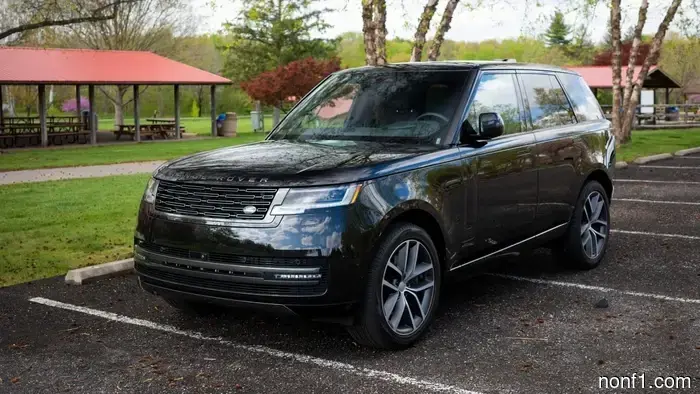
Range Rover SE Plug-In Hybrid Review: Exceptionally Competent, Yet Modest About It
The latest car news and reviews, straightforward and honest.
Our free daily newsletter delivers the most significant stories to your inbox every weekday.
When does an icon stop being an icon? This is a question I pondered multiple times while driving the Range Rover SE plug-in hybrid. This vehicle excels in many traditional Range Rover attributes, particularly its ability to be understated while still commanding attention. It maintains the heritage of its predecessors, boasting impressive capability and versatility while remaining subtle. This may sound hard to believe for a $135,000 SUV, but it seems that owners of this model aren't overly concerned about showcasing their vehicle— that's more typical of the Defender.
I can appreciate this, especially in a time when many cars are crafted to convey an adventurous spirit, particularly for those who aren't actually into the outdoors. Naturally, the Range Rover’s remarkable off-road capabilities don't require embellishment; its uniqueness lies in its performance. I just wish it felt as exceptional when parked.
The Essentials
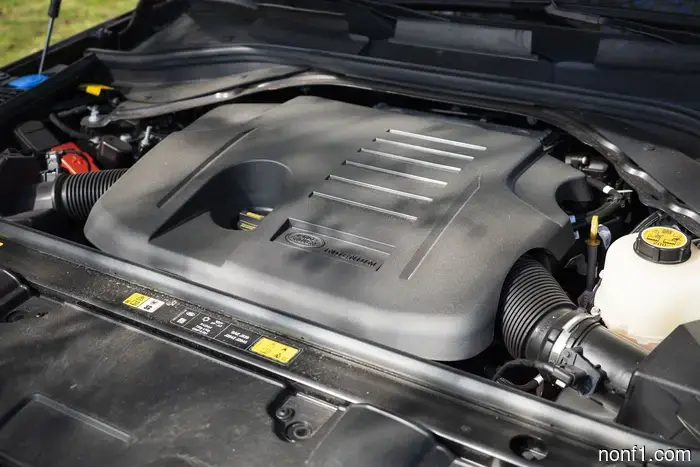
The L460 Range Rover has been in its fourth year and is available in three trims: the base SE, the upscale Autobiography, and the sporty SV, each with three different powertrains. You can choose a 3.0-liter turbocharged "Ingenium" inline-six, which produces 395 horsepower and can be paired with or without hybrid assistance. Alternatively, there's a BMW-sourced 4.4-liter twin-turbo V8 that delivers 523 hp (or 607 hp for the SV edition). All powertrains are linked to all-wheel drive via an eight-speed transmission.
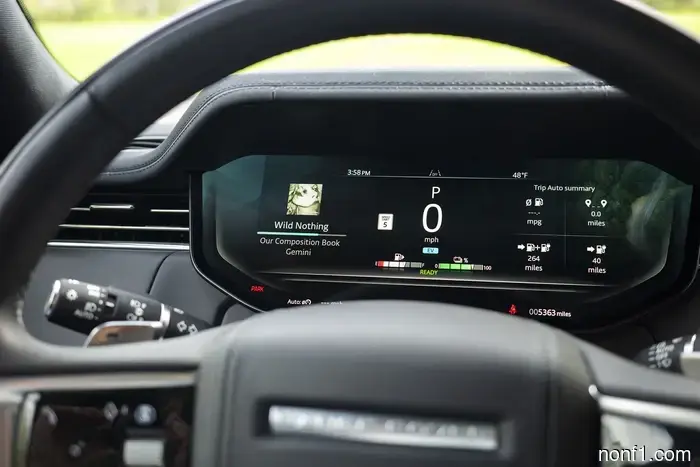
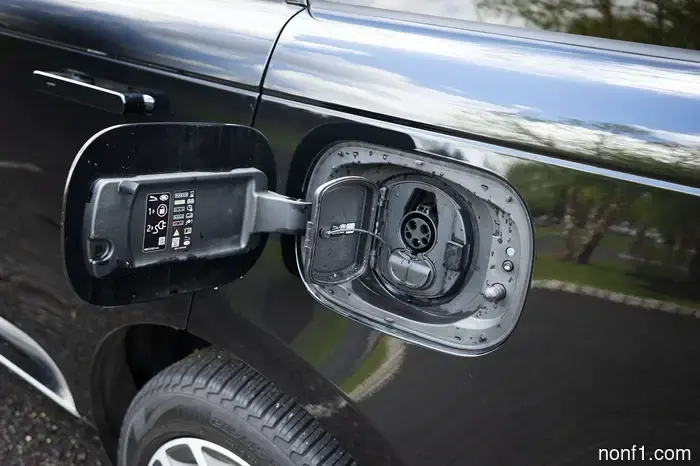
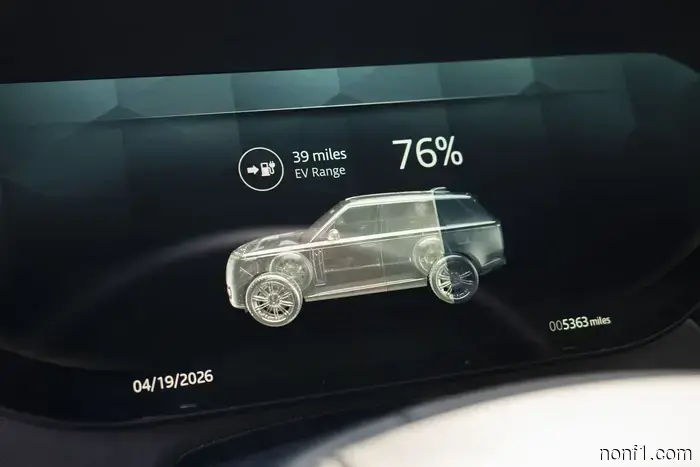
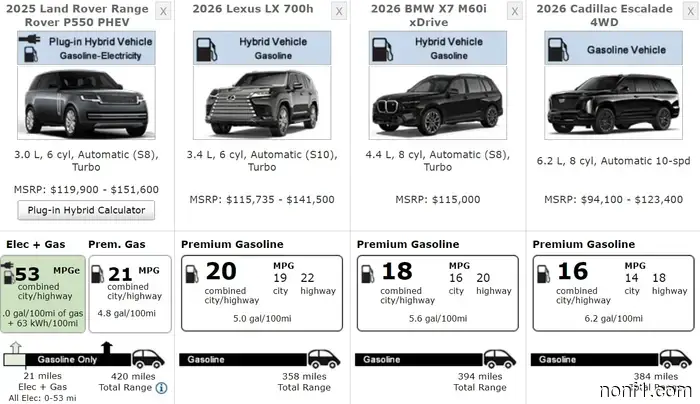
But let's focus on that plug-in hybrid option. The “P550e” variant (though oddly absent from the window sticker) boasts 543 hp and 590 lb-ft of torque, equipped with a 38.2-kWh battery that facilitates up to 50 miles of electric-only driving. It comes with adaptive air suspension, rear-wheel steering, and Dynamic Response Pro, which features electronically controlled anti-roll bars to improve stability. The result is a vehicle that is quite enjoyable to drive.
One more note: While the Range Rover is available in both short and long wheelbase versions, the plug-in hybrid can only be had with the standard size.
Driving the 2025 Range Rover SE PHEV
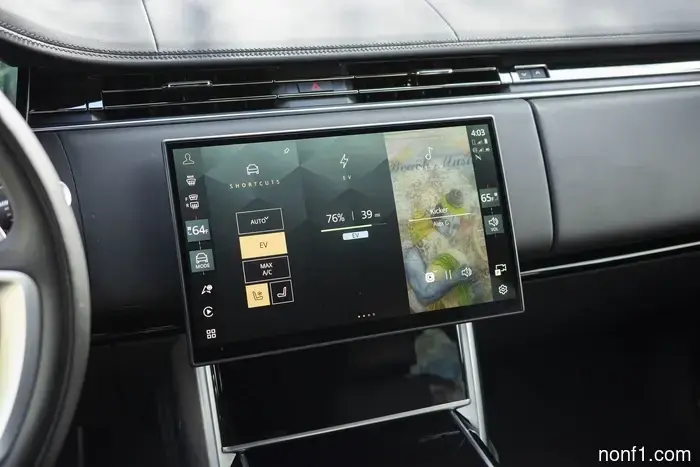
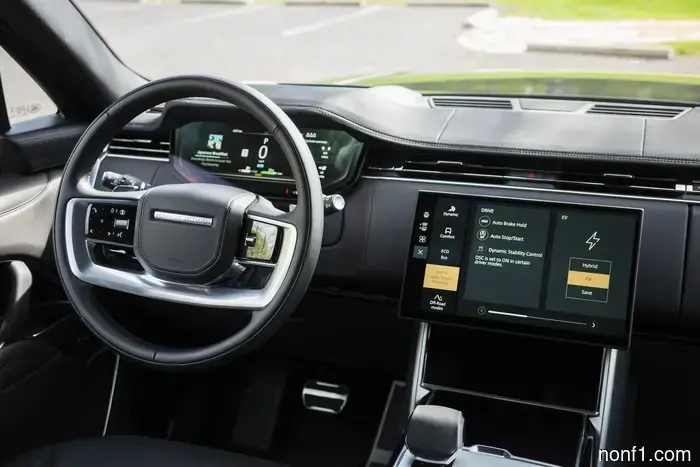
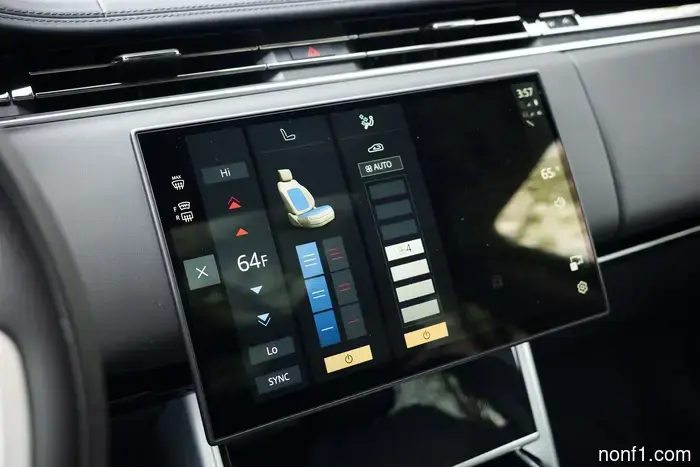
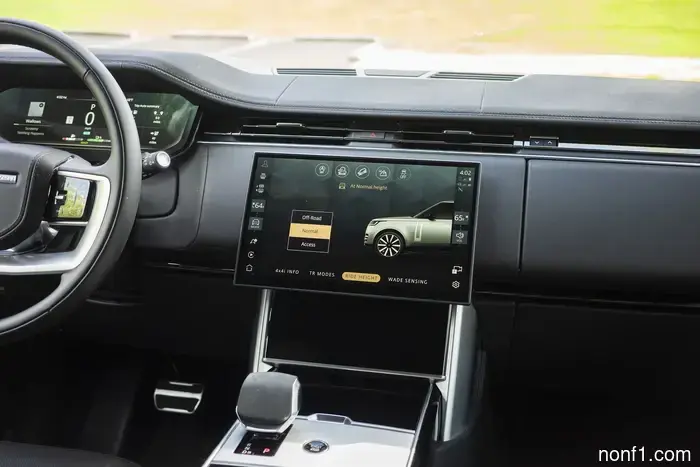
Let’s dive directly into the driving experience, as it is the strongest feature of the Range Rover. Weighing in at 6,000 pounds, it surprisingly doesn’t feel heavy. The immediate torque from the electric motor is noticeable off the line. The powertrain tends to use the battery first before switching to the gas engine, unless you switch to Hybrid or Save mode via the large screen on the dashboard. When the inline-six engine activates, the transition is so smooth that the only indication of its engagement is a muted, slightly distant whir.
Driving this vehicle is a uniquely serene experience. Though I'm always cautious with any car I'm driving, the effortless glide to highway speeds, combined with the elevated seating position and exceptional sound insulation, creates an environment where outside distractions feel irrelevant. I could hit 80 mph on the highway and feel like I was doing 60. It feels like a fortress.
Interestingly, while the Range Rover provides a tranquil driving experience, it also handles with surprising precision and confidence for its size. The steering is very light, yet you always feel connected to what’s happening at the front wheels. The rear-wheel steering assists greatly in maneuvering a vehicle of this dimension.
The sophisticated network of sensors in the chassis all work harmoniously to make you feel in control of this luxurious mobile space. Cornering, braking, and accelerating happen with very little lean or fuss, which is the Range Rover's hidden strength. This isn’t something you can truly appreciate just by looking at it or by reading its specifications. With a starting price of $131,350, you might think it’s excessive for a vehicle, but once you experience it, you'll understand.
The Positives and Negatives
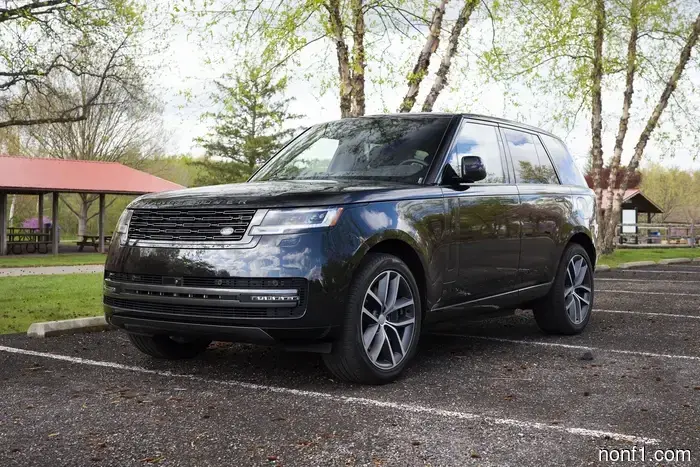
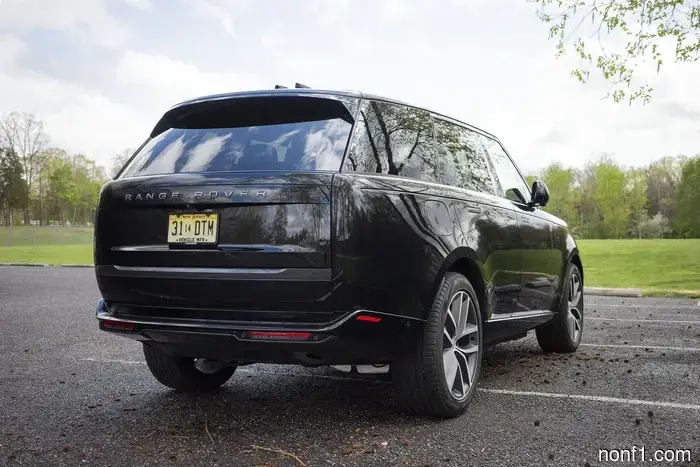
However, stepping away from the driving experience reveals a mixed picture for the modern Range Rover. There's often a drawback to its positives. While I appreciate the subdued exterior and interior design, I feel they've overshot the mark a bit.
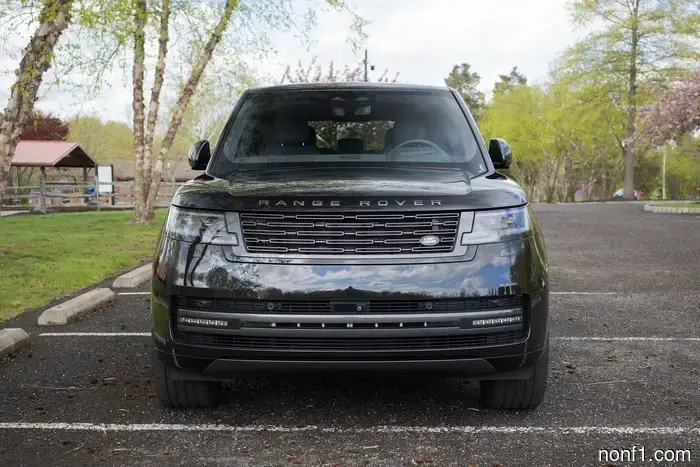
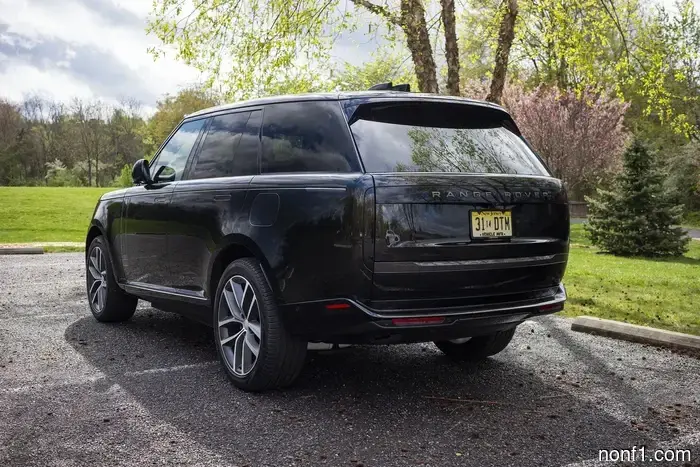
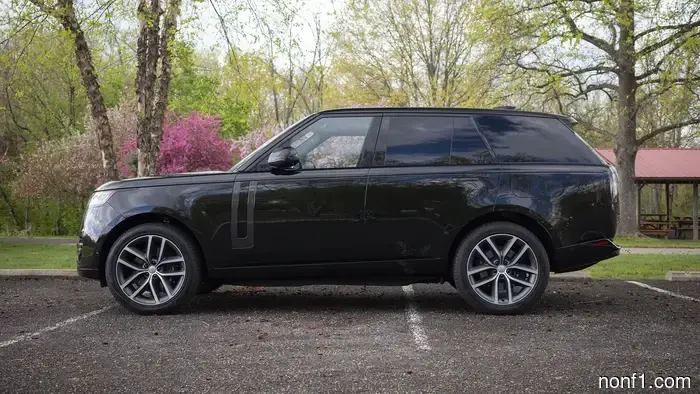
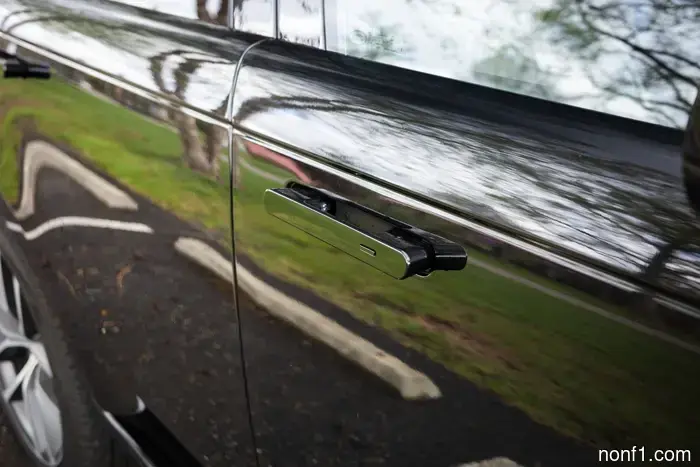
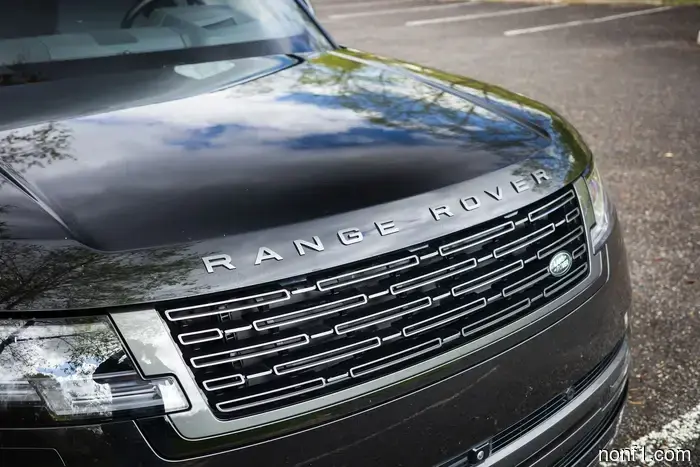
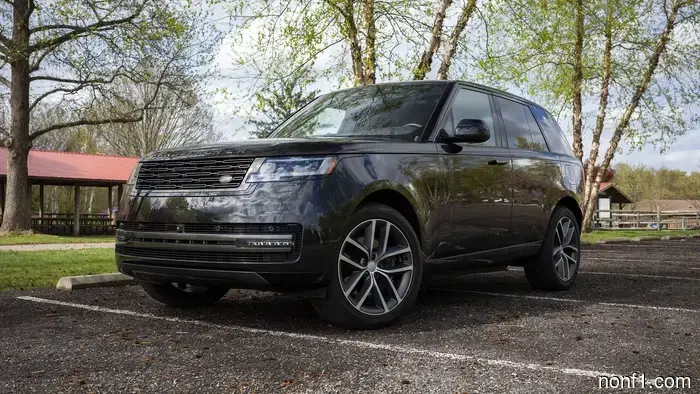
Like many, I regard Phil Simmons’s L322 Range Rover design as one of the most aesthetically pleasing ever made, characterized by clean, simple lines. The current model lacks this appeal; instead, it resembles a soap or pill, sporting a bulging, rounded front.
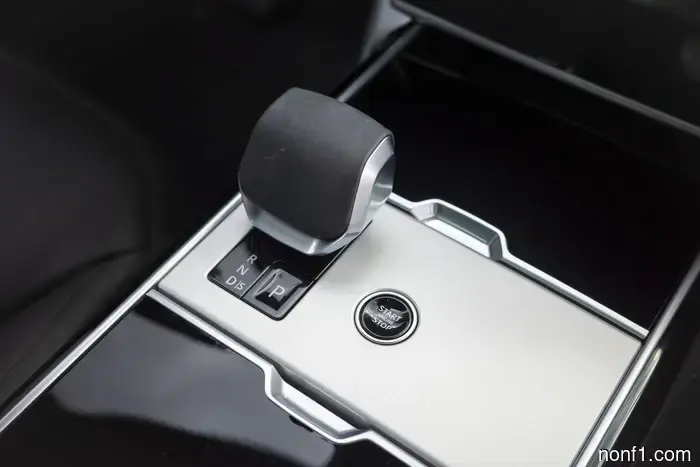
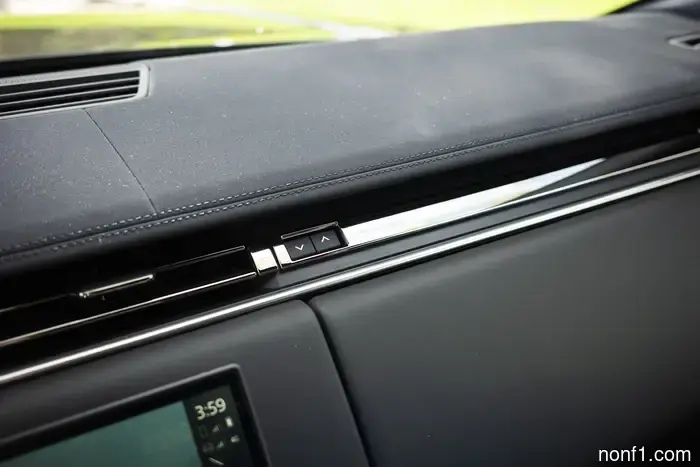
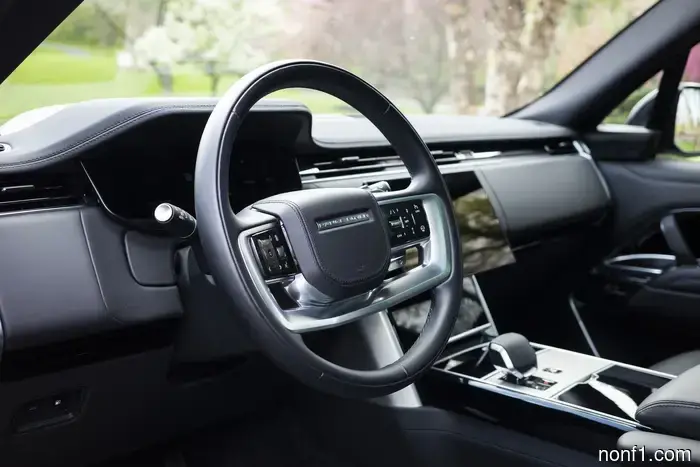
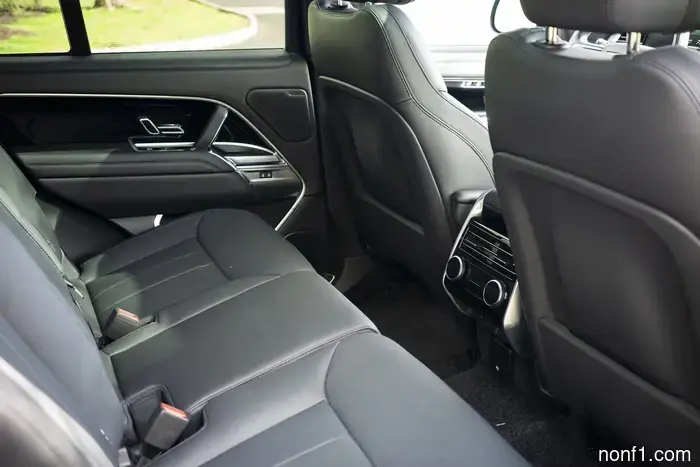
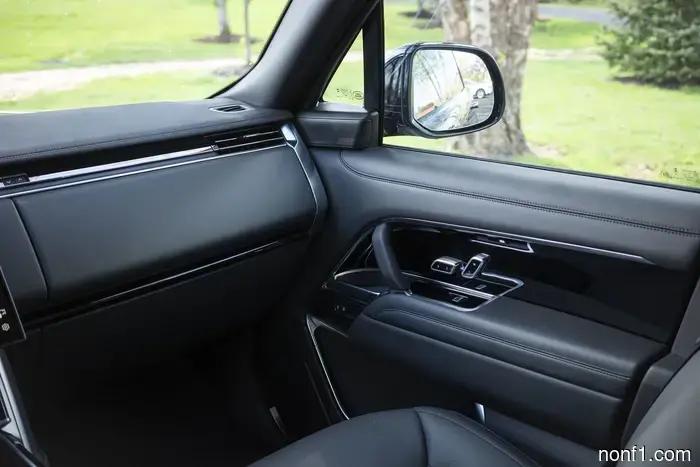
Inside, the trend continues. Though there’s a certain elegance in the dashboard's simplicity, every interaction not related to driving happens via an enormous touchscreen that lacks cohesiveness. Compounding the issue, Land Rover has removed all separate climate controls previously located beneath the screen, including the physical knobs, starting with the 2024 model.
This situation frustrates me because, usually when manufacturers eliminate controls, they repurpose that area for additional storage or functionality. In most cases, I’d prefer buttons

Other articles
 Range Rover SE Plug-In Hybrid Review: Incredibly Proficient, Yet Modestly Reserved
A plug-in powertrain is more logical in a Range Rover than you might expect, even if some other elements could confuse you.
Range Rover SE Plug-In Hybrid Review: Incredibly Proficient, Yet Modestly Reserved
A plug-in powertrain is more logical in a Range Rover than you might expect, even if some other elements could confuse you.
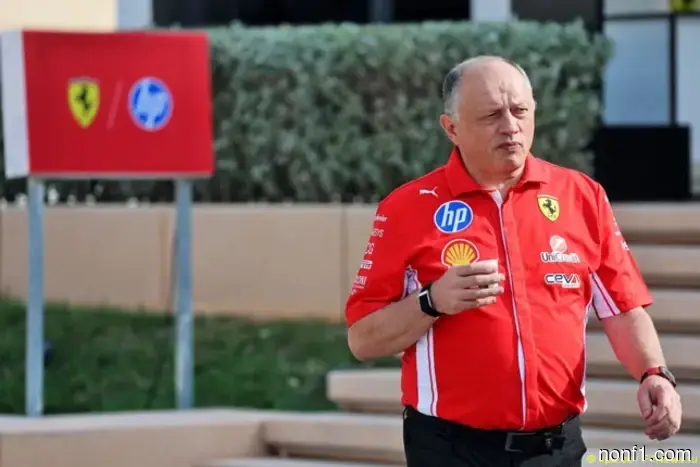 Vasseur: In Monaco, qualification and precision are important.
Saturday qualifying in Monaco has always been just as important as the Sunday race. Ferrari team principal Frederic Vasseur noted that with the transition to new generation cars, the stage on the city circuit could be even more challenging for the drivers.
Vasseur: In Monaco, qualification and precision are important.
Saturday qualifying in Monaco has always been just as important as the Sunday race. Ferrari team principal Frederic Vasseur noted that with the transition to new generation cars, the stage on the city circuit could be even more challenging for the drivers.
 Leclerc: In Monaco, my favorite track and favorite weekend.
The Monaco Grand Prix is a home race for Charles Leclerc. Before the start of the race weekend, Ferrari's press service asked their driver three questions.
Leclerc: In Monaco, my favorite track and favorite weekend.
The Monaco Grand Prix is a home race for Charles Leclerc. Before the start of the race weekend, Ferrari's press service asked their driver three questions.
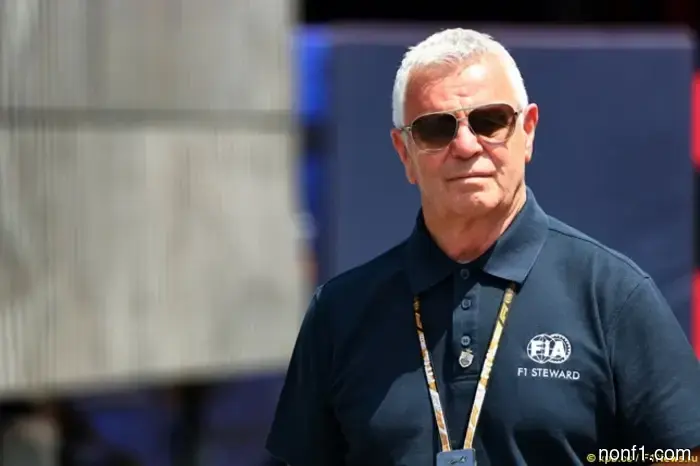 Derek Warwick is the third steward of the Monaco Grand Prix.
Derek Warwick has been invited by the FIA to serve as the third steward for the Monaco Grand Prix.
Derek Warwick is the third steward of the Monaco Grand Prix.
Derek Warwick has been invited by the FIA to serve as the third steward for the Monaco Grand Prix.
 Ram attempted to sell a 'Patriotic T-Shirt' featuring an AI-generated Tacoma and a poorly designed American flag.
That's a cool-looking Ram... oh, hold on.
Ram attempted to sell a 'Patriotic T-Shirt' featuring an AI-generated Tacoma and a poorly designed American flag.
That's a cool-looking Ram... oh, hold on.
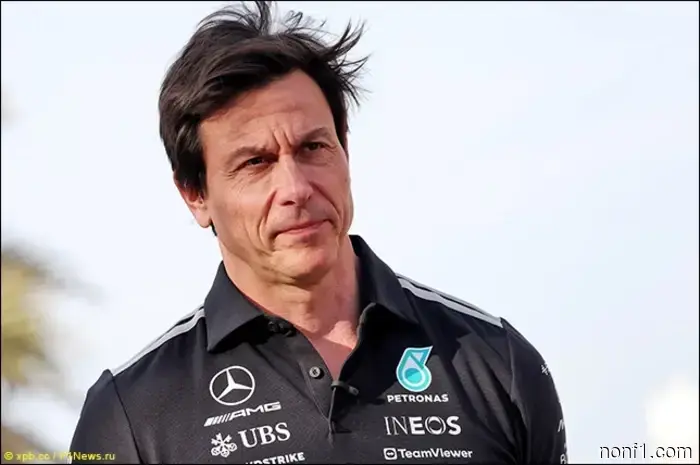 Wolff: On this track, past successes do not matter.
Before the Monaco Grand Prix, Mercedes team principal Toto Wolff spoke about the importance of qualifying and focusing on the result...
Wolff: On this track, past successes do not matter.
Before the Monaco Grand Prix, Mercedes team principal Toto Wolff spoke about the importance of qualifying and focusing on the result...
Range Rover SE Plug-In Hybrid Review: Exceptionally Competent, Yet Modest About It
A plug-in powertrain is more logical in a Range Rover than you might expect, even if certain other features might confuse you.