
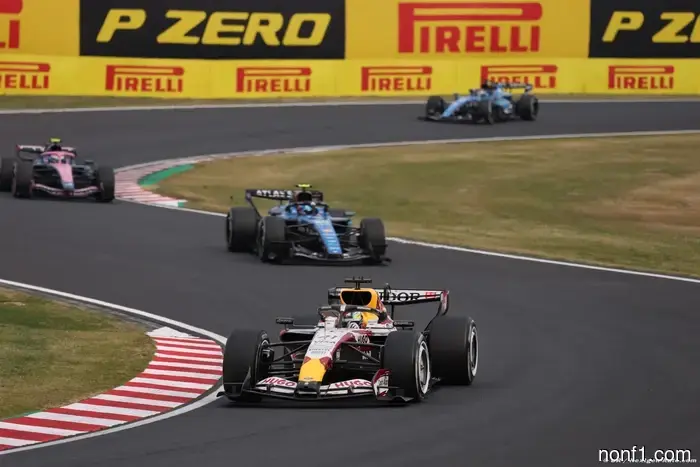
FIA affirms 2027 modifications, stating new regulations are 'not unsuccessful'.
Formula 1’s governing body has revealed major modifications to the contentious new engine regulations, after months of discussions regarding the sport’s power unit direction. This compromise follows ongoing criticism of the initial framework, which many feared prioritized electrical power and energy management excessively.
According to the updated rules, fuel flow will increase by 5 percent in 2027 and by 13 percent in 2028. Concurrently, the ratio between combustion and electrical power will lean further towards the internal combustion engine. The previously adjusted 53-47 split will shift to 58-42 in 2027 and 60-40 in 2028. The FIA explained that this decision was made "following concerns identified in relation to energy management under the new Power Unit framework."
"These recent modifications demonstrate the ongoing collaboration with all stakeholders to refine the framework and tackle identified operational challenges," the governing body stated. "The FIA will now accelerate the formal approval process to give all parties early clarity and ample time to adjust to the updated requirements."
This change is a significant win for drivers and fans who argued that Formula 1 should reduce its reliance on batteries. It is anticipated that the new fuel flow will necessitate some shortened race distances. The agreement also suggests that objections from manufacturers, including Ferrari and Audi, have been resolved.
Honda Racing Corporation president Koji Watanabe expressed his approval of the outcome. "We do not view the new regulations as a failure," he commented to Soy Motor. "Any major new challenge comes with its difficulties. We are satisfied with our readiness to make necessary adjustments and maintain strong communication with the FIA, FOM, and all other power unit manufacturers."
Other articles
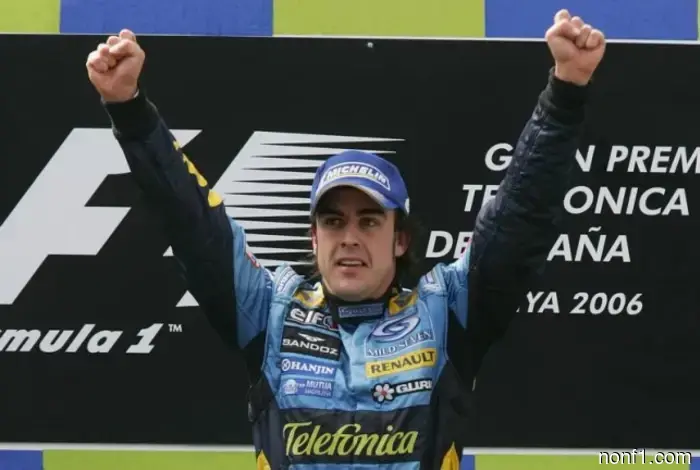 Alonso recalls his first victory in Barcelona.
Speaking with journalists in Barcelona, Fernando Alonso talked not only about the affairs of Aston Martin, which are currently not going well, but also about the role he played in the development of Spanish motorsport...
Alonso recalls his first victory in Barcelona.
Speaking with journalists in Barcelona, Fernando Alonso talked not only about the affairs of Aston Martin, which are currently not going well, but also about the role he played in the development of Spanish motorsport...
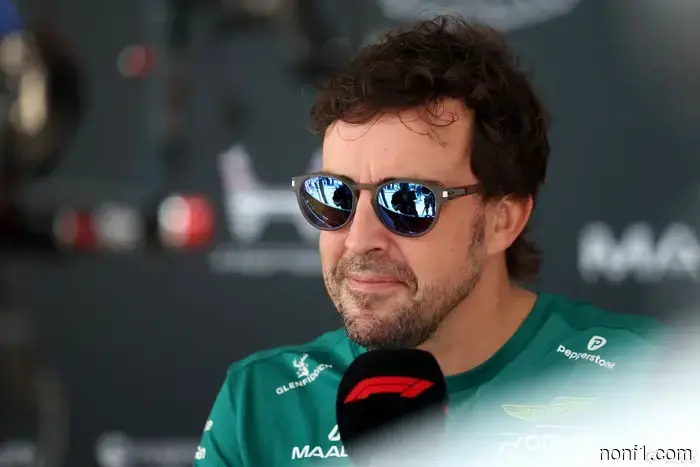 De la Rosa declines to comment on the possibility of Alonso's retirement.
Formula 1 | Pedro de la Rosa has declined to comment on the possibility of Fernando Alonso nearing the conclusion of his Formula 1 career. The Aston Martin (…)
De la Rosa declines to comment on the possibility of Alonso's retirement.
Formula 1 | Pedro de la Rosa has declined to comment on the possibility of Fernando Alonso nearing the conclusion of his Formula 1 career. The Aston Martin (…)
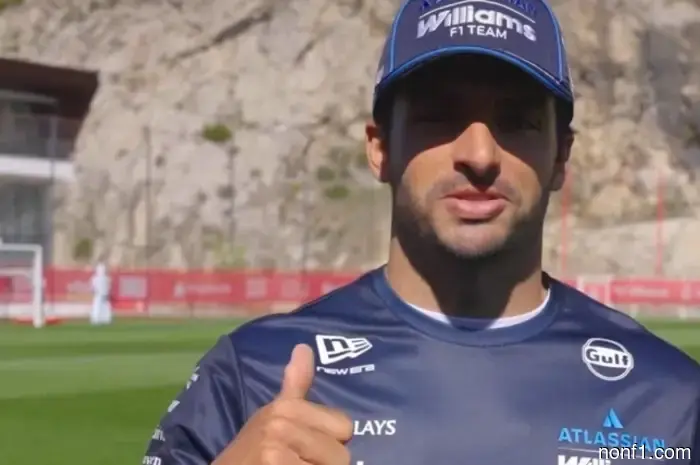 Carlos Sainz wished success to the Spanish national football team.
Williams driver Carlos Sainz recorded a video message to the Spanish national football team, wishing them success in the World Cup starting today...
Carlos Sainz wished success to the Spanish national football team.
Williams driver Carlos Sainz recorded a video message to the Spanish national football team, wishing them success in the World Cup starting today...
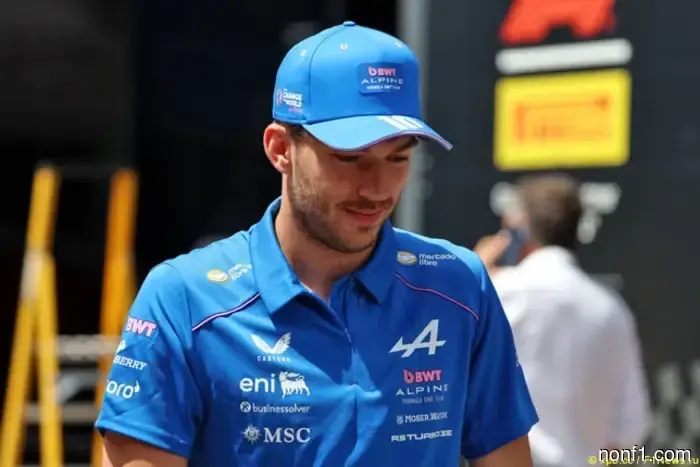 Gasly: Losing the podium is the hardest day of my career
Pierre Gasly finished third in Monaco, but due to two penalties for speeding in the pit lane, he moved down to seventh place in the standings. Alpine requested the right to appeal the penalties, and in Barcelona, the French driver spoke about how difficult it was for him to cope with the loss of the podium.
Gasly: Losing the podium is the hardest day of my career
Pierre Gasly finished third in Monaco, but due to two penalties for speeding in the pit lane, he moved down to seventh place in the standings. Alpine requested the right to appeal the penalties, and in Barcelona, the French driver spoke about how difficult it was for him to cope with the loss of the podium.
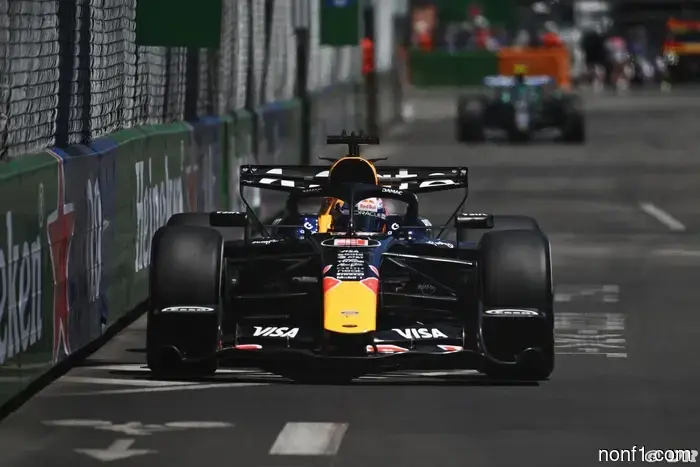 Red Bull's frustration mounts over contentious engine regulation.
Formula 1 | Red Bull is said to be extremely upset regarding a contentious FIA engine evaluation that has unexpectedly labeled the team as the standard in Formula 1 (…)
Red Bull's frustration mounts over contentious engine regulation.
Formula 1 | Red Bull is said to be extremely upset regarding a contentious FIA engine evaluation that has unexpectedly labeled the team as the standard in Formula 1 (…)
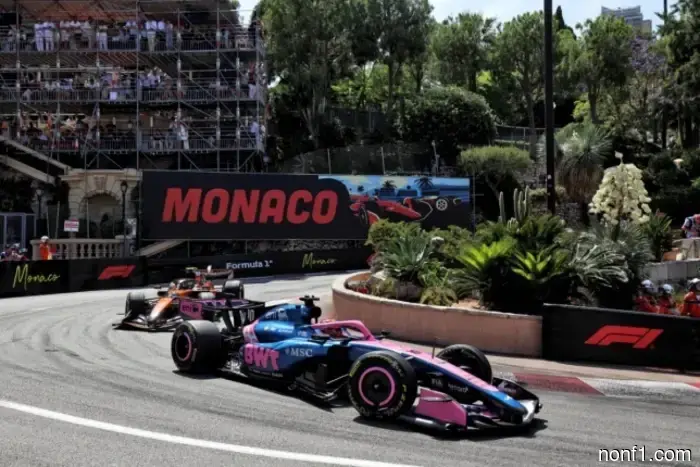 The FIA agreed to consider Alpine's request.
According to information received from the press accredited at the Barcelona-Catalonia Grand Prix, the FIA has agreed with Alpine's arguments and is ready to satisfy the factory team Renault's right to review the results of the race in Monaco...
The FIA agreed to consider Alpine's request.
According to information received from the press accredited at the Barcelona-Catalonia Grand Prix, the FIA has agreed with Alpine's arguments and is ready to satisfy the factory team Renault's right to review the results of the race in Monaco...
FIA affirms 2027 modifications, stating new regulations are 'not unsuccessful'.
Formula 1 | The governing body of Formula 1 has unveiled major revisions to the contentious new engine regulations after months of discussion regarding the (…)