
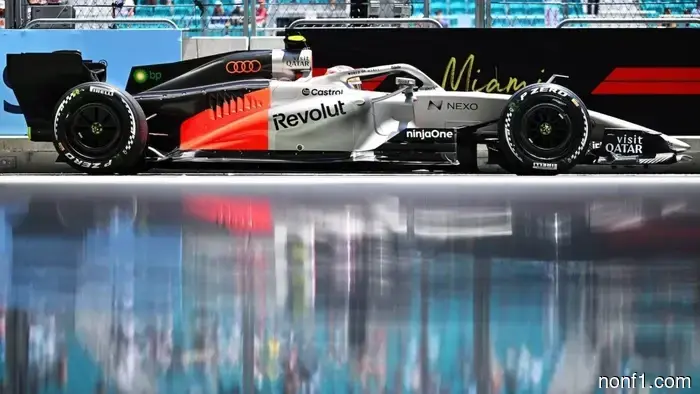
Growing Pains: Dissecting Audi's Challenging Entry into F1
The most significant automotive news and reviews, no nonsense.
Our complimentary daily newsletter delivers the essential stories straight to your inbox every weekday.
As I navigated through the Formula 1 section of Audi Sport's cutting-edge facility in Neuburg, Germany, I was introduced to a room brimming with machinery reminiscent of Dexter’s Laboratory. The engineer overseeing that area explained that the robotic needle beside him could, with a mere light touch, examine any car component for internal fractures that are thousands of times thinner than a human hair. He gestured toward a poster that, according to him, substantiated all his claims. The poster was in German.
I remarked, “So this is how a sport that began with cars being repaired in barns and driven by chainsmokers became so costly, huh?” He didn’t find it amusing. For him, in his small section of a facility that cost hundreds of millions to construct and equip, that very scientific method is what distinguishes between standing on the podium and finishing out of the scoring range; between completing the race and crashing dramatically; between securing Audi a win in the one racing category it hasn’t conquered yet and regretting that it hasn’t. It’s everything.
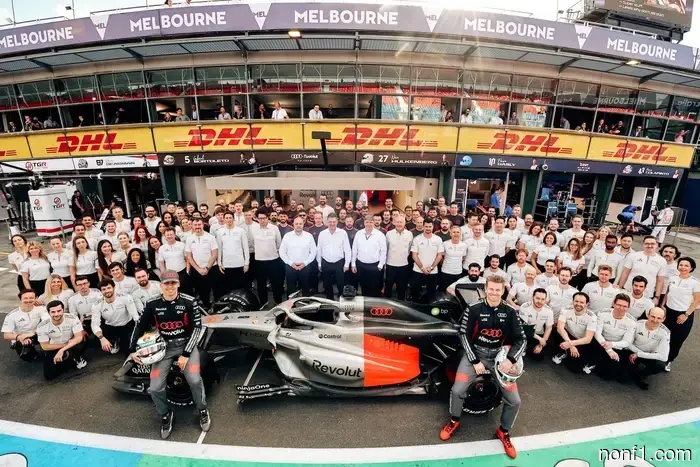
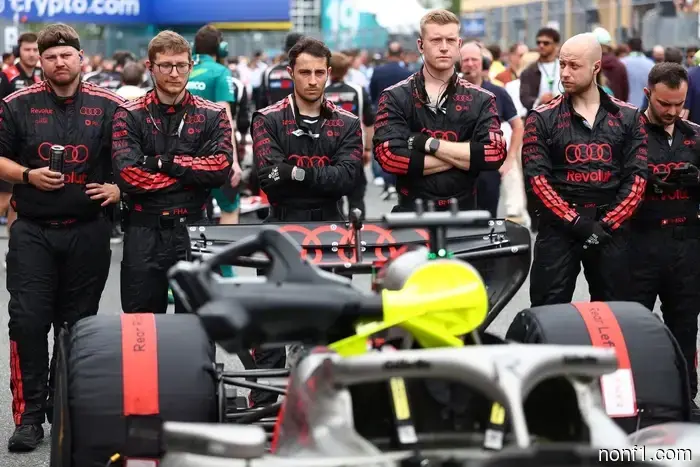
That was last November. Since then, the newly established Audi Revolut F1 Team—completely transforming the Sauber team based in Hinwil, Switzerland—has navigated a tumultuous journey in its inaugural season in the premier league of motorsport. The adventure commenced on a high note in Australia, where they achieved the nearly unthinkable by scoring points in their first-ever F1 race.
China presented a mixed bag, with one DNF in the sprint race and one DNS on Sunday. Then, things took a significant turn. Jonathan Wheatley, the team principal who had become the face of the team with his always-optimistic outlook, abruptly stepped down after just two races—no warning, no explanation (at least none shared publicly by either side). Perhaps Netflix will reveal what truly transpired in the next season of Drive to Survive.
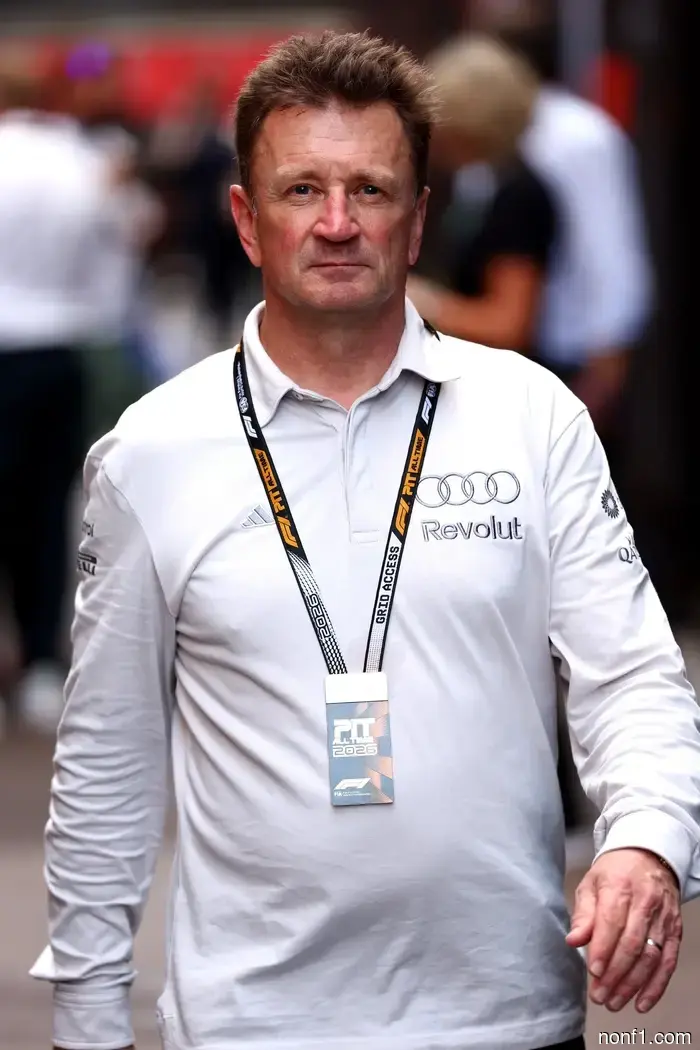
“This is motorsport; you can never be conservative. We push the boundaries. We’re pushing the limits.” —Allan McNish
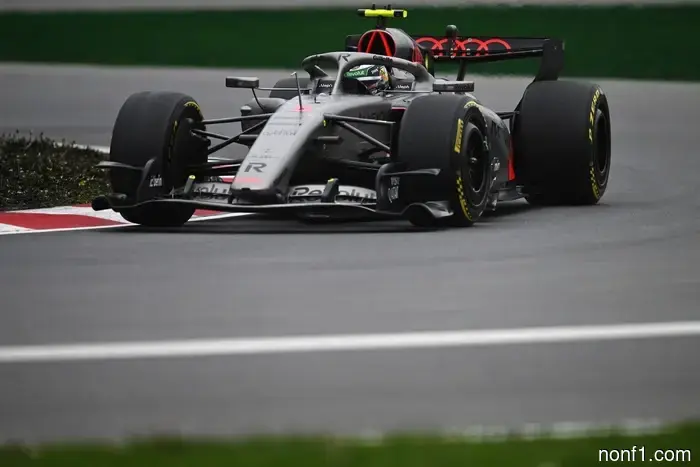
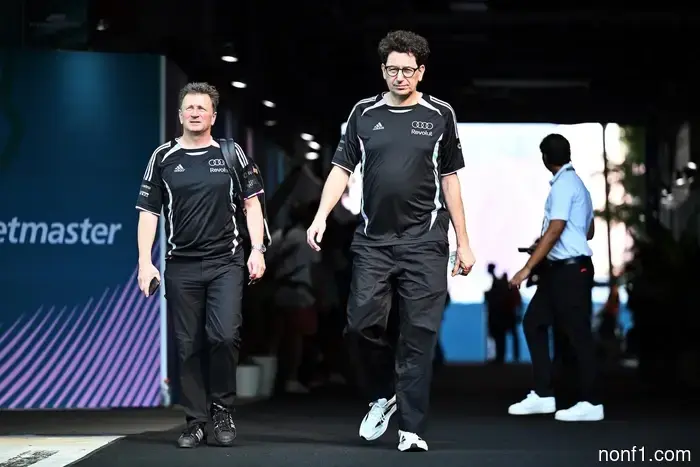
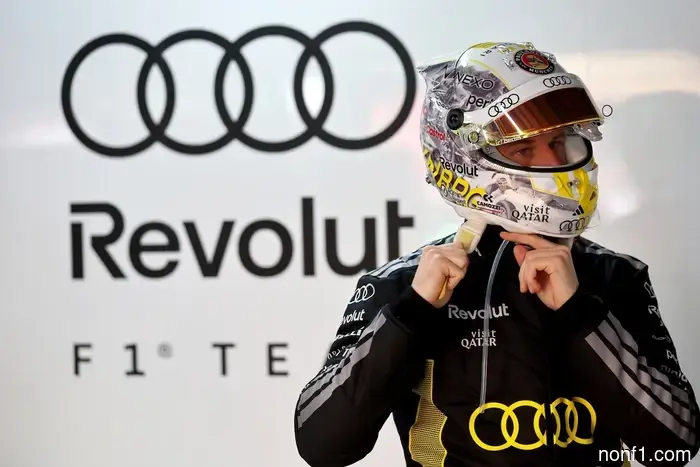
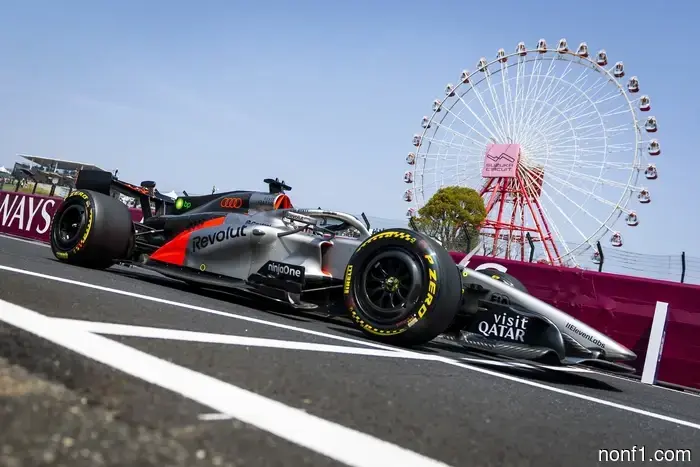
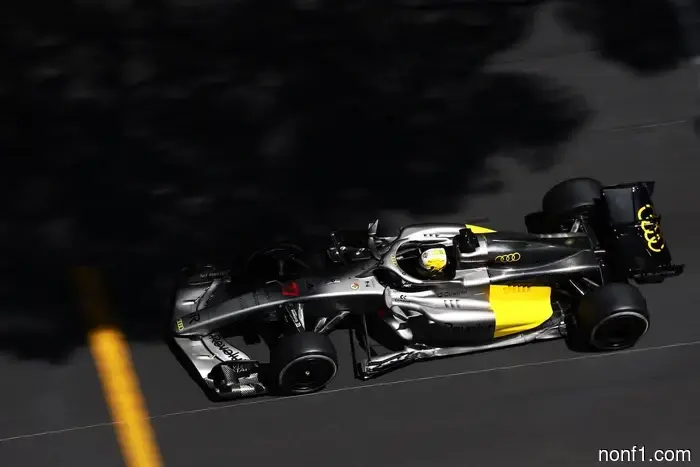
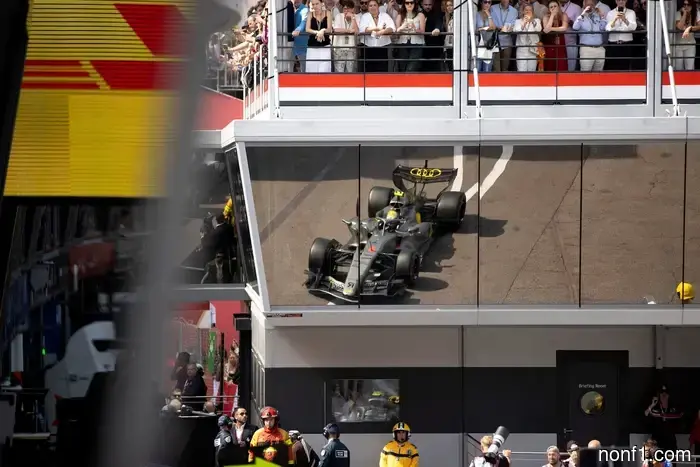
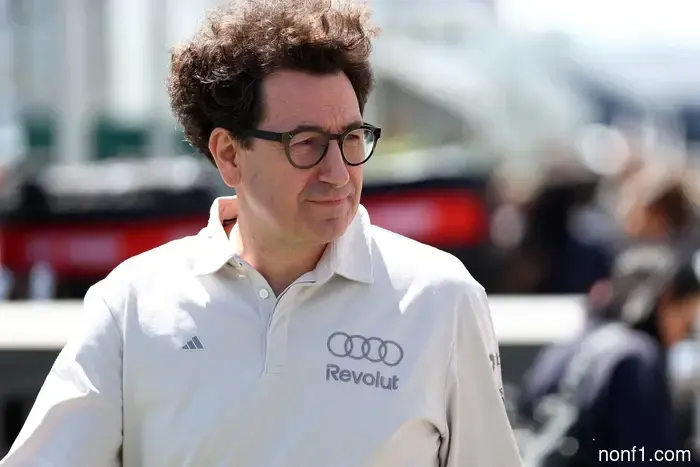
After attending the Japanese, Miami, and Canadian Grand Prix and engaging with the team in various ways—mainly by becoming an annoyance met with “You again?!” from the drivers—I witnessed the team's packed schedules, long working hours, and the emotional roller coaster that every race weekend entails. From observing Mattia Binotto’s initial day as Team Principal in Suzuka to Allan McNish’s debut as Racing Director in Miami, and seeing both cars complete all six track sessions in Canada, Audi's journey has already been lengthy and challenging, but the reality is that this is just the beginning.
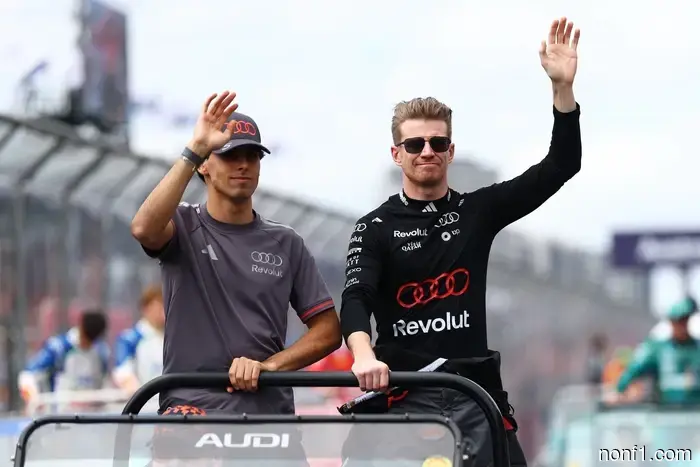
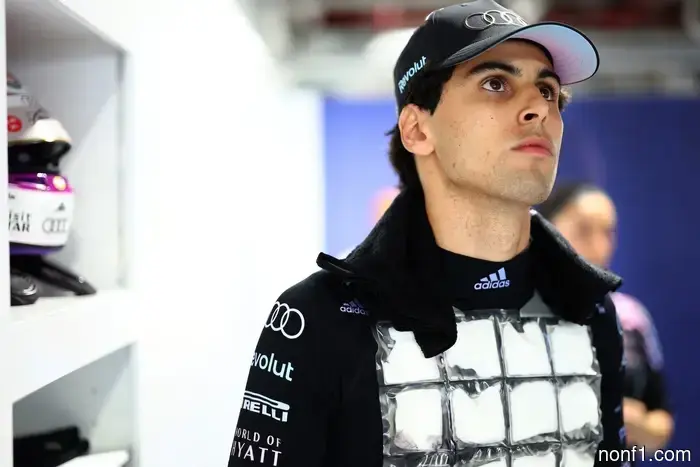
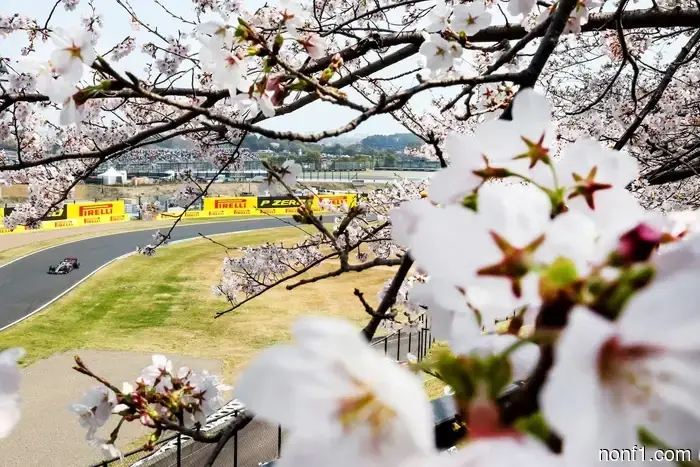
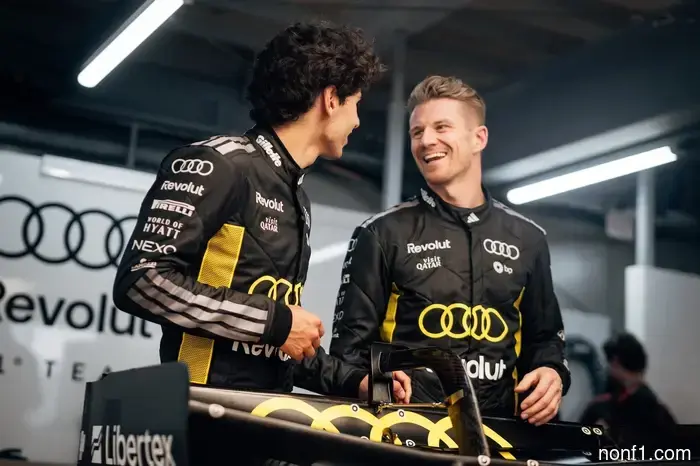
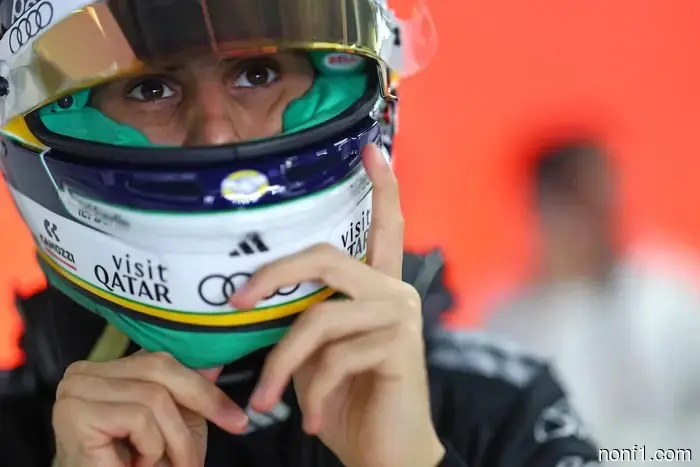
In Japan, the atmosphere felt heavy. The shock of Wheatley’s departure was apparent on every team member's face. Nico Hulkenberg even mentioned he got the news from his mother over the phone after she saw it on TV. Yet, there were silver linings. Both cars finished the race on Sunday, and Hulkenberg recorded the Suzuka top-speed record at 217 mph, ultimately crossing the line in 11th place, just shy of the points-scoring 10th position. Gabriel Bortoleto finished 13th. More significantly, Suzuka marked both an end and a beginning for the fledgling team, which clearly had much work ahead before heading to the United States.
Next up: A five-week break after both Middle Eastern races were removed from the calendar.
Time to Regroup
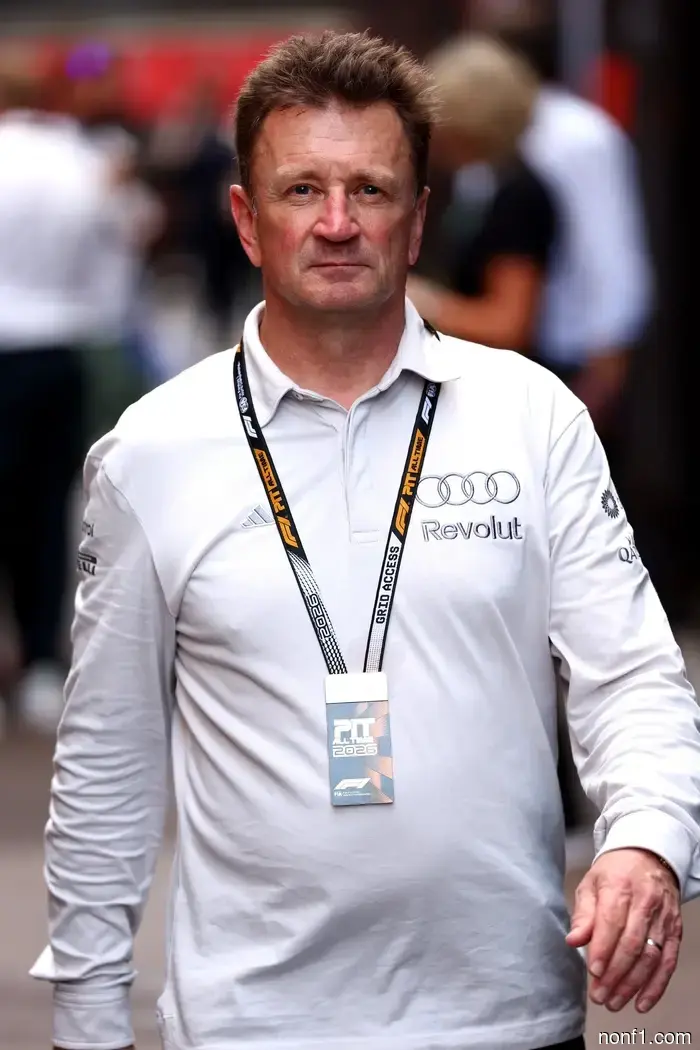
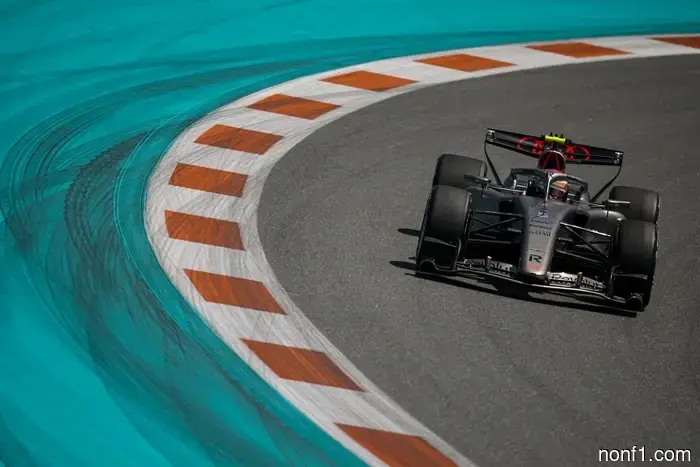
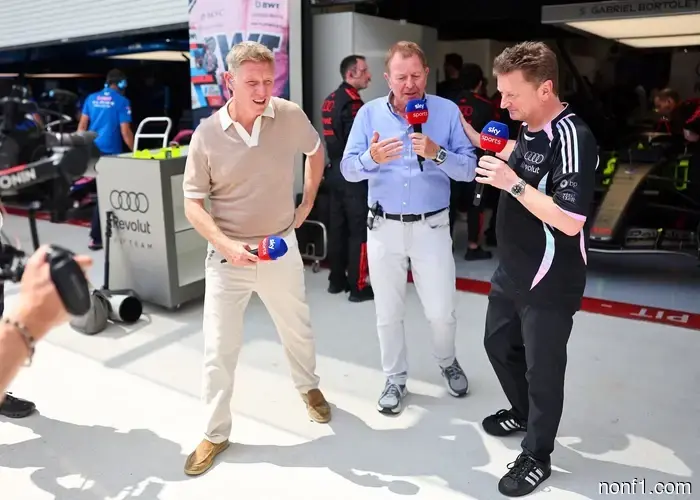
I arrived bright and early Thursday at the Miami International Autodrome (a.k.a. the Hard Rock Stadium parking lot) to a vibe markedly different from Japan. Within moments of entering the team’s hospitality area, situated on the shiny football turf, I saw Binotto walk in with a broad smile. Behind him was the man of the weekend: Allan McNish. The former F1 driver, three-time Le Mans champion, and distinguished sports car racer appeared cheerful as he interacted with his staff.
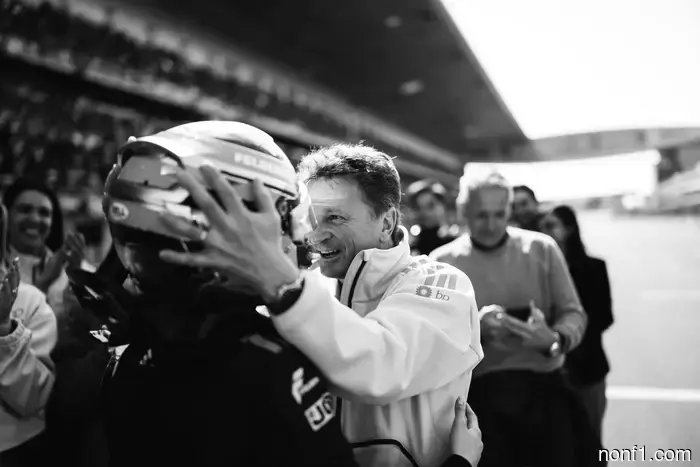
An Audi legend in his own right, the renowned Scot was there with a clear task: to fill the void left by Wheatley, motivate the team, and establish a robust foundation for future success. I sat down with him on Friday after FP1 to discuss his transition from director of driver development to racing director.
“You can't change who you are; your DNA or personality remains constant,” McNish told The Drive when asked about how his leadership style would resemble or differ from Wheatley’s. “I have my own method of working with people. I think I understand Audi very well; I’ve been with them for 25 years. If you slice me in half, you’ll see the rings.”
“At the same time, this is a people game. People construct cars; they innovate the technology, and the drivers execute it. So, it’s about uniting a team

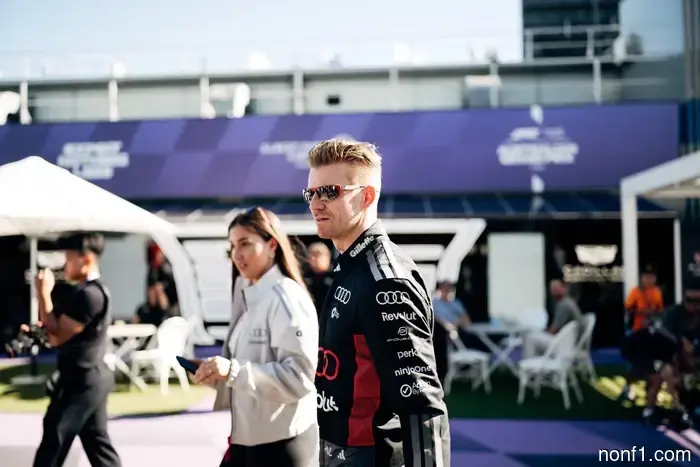
Other articles
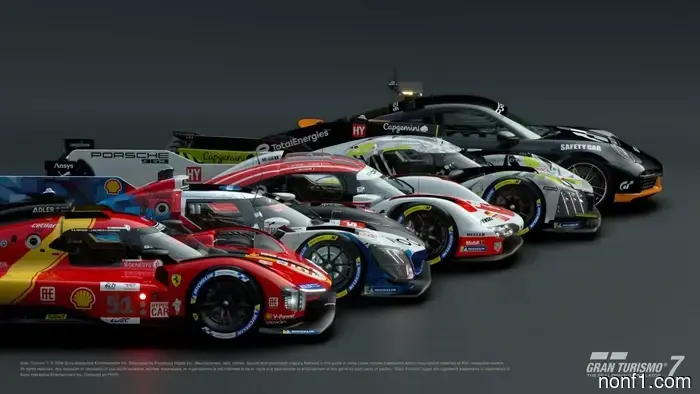 The latest update for GT7 honors Le Mans by introducing four highly anticipated hypercars.
The latest update for GT7 introduces the contemporary Le Mans Hypercar prototypes that fans have been eagerly anticipating, featuring the Ferrari 499P, which has triumphed in the 24 Hours of Le Mans three times.
The latest update for GT7 honors Le Mans by introducing four highly anticipated hypercars.
The latest update for GT7 introduces the contemporary Le Mans Hypercar prototypes that fans have been eagerly anticipating, featuring the Ferrari 499P, which has triumphed in the 24 Hours of Le Mans three times.
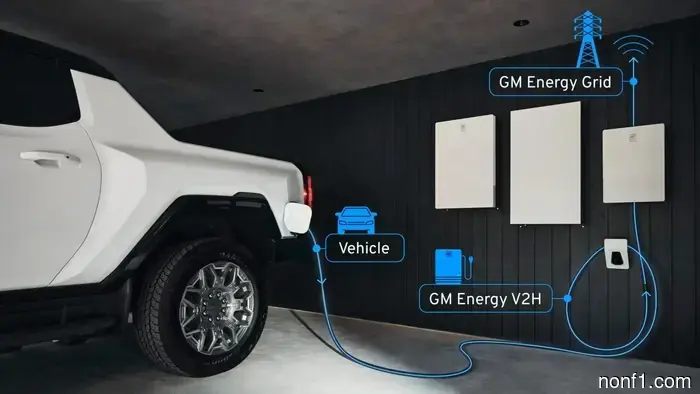 GM Encourages You to Resell Your EV's Energy to Utilities: TDS
The potential of EV-to-grid charging is starting to materialize, with GM introducing pilot programs to initiate progress.
GM Encourages You to Resell Your EV's Energy to Utilities: TDS
The potential of EV-to-grid charging is starting to materialize, with GM introducing pilot programs to initiate progress.
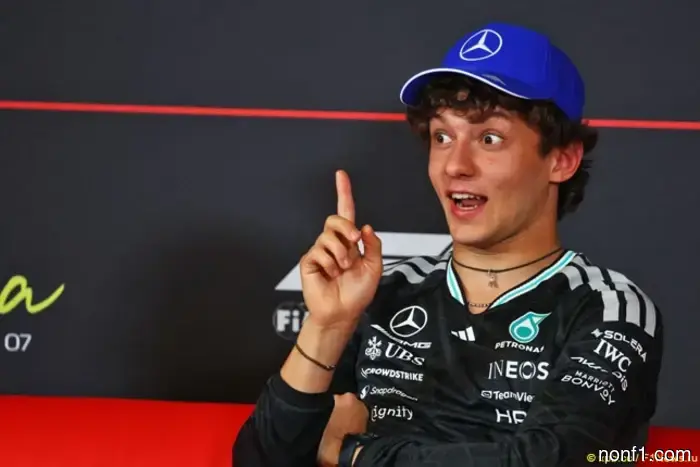 Antonelli: I was surprised by the FIA's decision on ADUO.
One of the topics for discussion in the Barcelona paddock was the FIA's decision to designate the Red Bull power unit as the benchmark within the ADUO program. Kimi Antonelli stated that he was surprised by the FIA's conclusions, as he believed that the Mercedes engine would be named the best.
Antonelli: I was surprised by the FIA's decision on ADUO.
One of the topics for discussion in the Barcelona paddock was the FIA's decision to designate the Red Bull power unit as the benchmark within the ADUO program. Kimi Antonelli stated that he was surprised by the FIA's conclusions, as he believed that the Mercedes engine would be named the best.
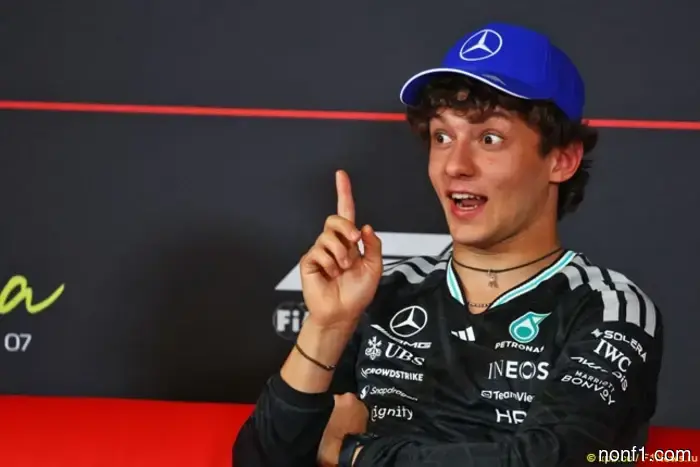 Antonelli: I was surprised by the FIA's decision on ADUO.
One of the topics for discussion in the Barcelona paddock was the FIA's decision to label the Red Bull power unit as the benchmark within the ADUO program. Kimi Antonelli mentioned that he was surprised by the FIA's conclusions, as he believed that the Mercedes engine would be named the best.
Antonelli: I was surprised by the FIA's decision on ADUO.
One of the topics for discussion in the Barcelona paddock was the FIA's decision to label the Red Bull power unit as the benchmark within the ADUO program. Kimi Antonelli mentioned that he was surprised by the FIA's conclusions, as he believed that the Mercedes engine would be named the best.
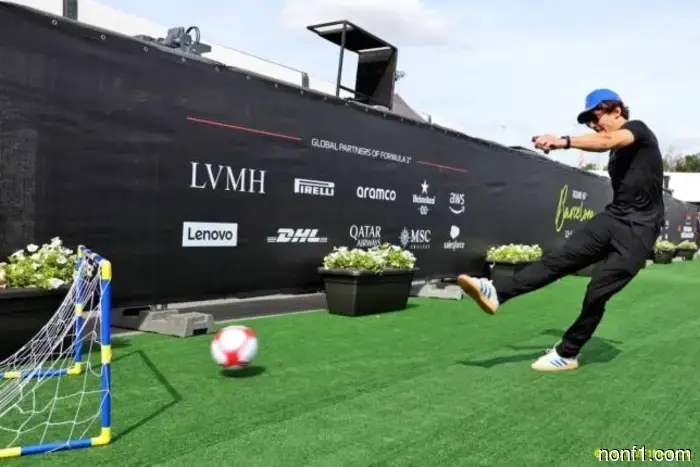 Photo gallery: 11/06. Grand Prix of Barcelona-Catalonia, Thursday
© F1News.Ru Editorial 1997-2026. Media registration certificate El No. FS77-29173. Registered with the Federal Service for Supervision of Communications, Information Technology and Mass Communications.
Photo gallery: 11/06. Grand Prix of Barcelona-Catalonia, Thursday
© F1News.Ru Editorial 1997-2026. Media registration certificate El No. FS77-29173. Registered with the Federal Service for Supervision of Communications, Information Technology and Mass Communications.
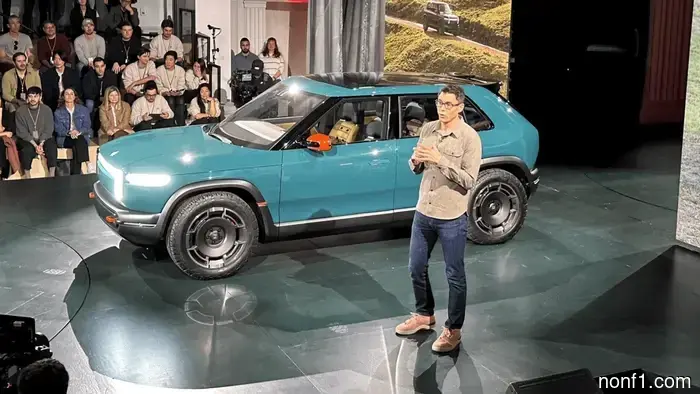 The Rivian R3X is 'a few years off.' RJ Scaringe provided us with the initial concrete timeline.
RJ Scaringe, the CEO of Rivian, exclusively informed The Drive that the R3X is about two years from being released, linking its debut directly to the opening of the Georgia factory.
The Rivian R3X is 'a few years off.' RJ Scaringe provided us with the initial concrete timeline.
RJ Scaringe, the CEO of Rivian, exclusively informed The Drive that the R3X is about two years from being released, linking its debut directly to the opening of the Georgia factory.
Growing Pains: Dissecting Audi's Challenging Entry into F1
From problems with car reliability to a significant change in leadership, Audi's inaugural F1 season is truly a test by fire—and that's exactly what they aim for.