
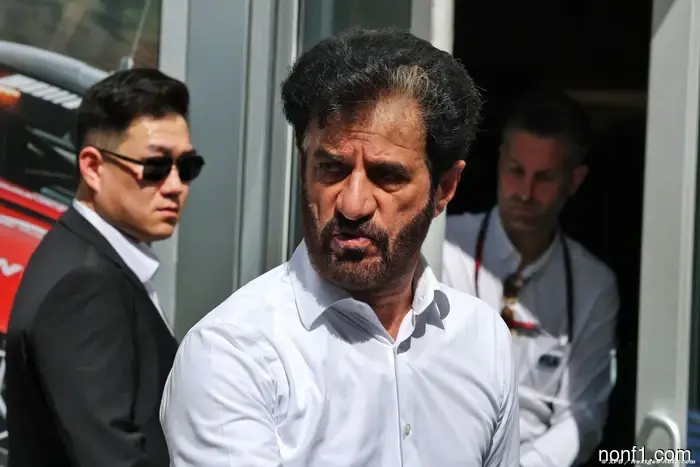
FIA prepared to confront Audi in F1's V8 turbo dispute.
"There will be a hybrid, but it will be lightweight and straightforward."
The upcoming major engine competition in Formula 1 is heating up, with the FIA seemingly set to challenge Audi's push for turbocharging as the sport considers a return to V8 engines. While speaking at Le Mans, FIA president Mohammed Ben Sulayem emphasized his strong support for a more straightforward, lighter, and less expensive engine formula to replace the often-criticized 2026 regulations. "The V8 is a done deal. The decision has been made," he stated to several media outlets, including Auto Hebdo. "A V8 is sustainable. When we discuss R&D, we refer to investments exceeding 200 million euros. Red Bull has invested over 1.3 billion in the current engine - it’s absurd." "There will be a hybrid, but it will be lightweight and straightforward."
Formula 1 is already tilting the balance back toward the combustion engine, and for the regulations set to be introduced in 2027 and 2028 or by 2030 or 2031, the cars might weigh as little as 630 kilograms, Ben Sulayem noted. "With a V8, 10 percent hybridization, and sustainable fuel, we can achieve 760 horsepower in the base version and around 880 with the hybrid. No turbocharger. A turbocharger adds weight and expense," he added. "The objective is simplicity, cost control, and a sound that the audience enjoys. We consulted with the six engine manufacturers - they lean towards lightness and simplicity, aiming to cut engine costs from 1.5 million to about 700,000 euros."
However, Germany’s Auto Motor und Sport reports that Audi remains firmly supportive of turbocharging. "Many say we need a turbo. But that would add weight again," Ben Sulayem mentioned. "Installing a turbo requires a wastegate, intercooler, hoses... all that contributes to weight and costs." This stance clearly conflicts with Audi's management. At Monaco, Audi CEO Gernot Dollner reiterated the manufacturer’s preference for turbocharged engines. "We favor turbocharging due to its efficiency," he remarked. "For Audi, the primary concern is upholding the sustainability concept and ensuring that energy efficiency remains central to F1 regulations."
Reports indicate that Audi prefers a twin-turbo setup similar to what is found in its newly launched Nuvolari supercar. "Of course, it’s beneficial to exchange ideas," Ben Sulayem acknowledged. "The FIA considers the requests from power unit manufacturers. We currently have six. But if it were up to us, we would lean toward low weight, simplicity, and quicker modifications." The FIA president hopes the new regulations can be rolled out by 2030 with manufacturers’ agreement, but indicated that the governing body might enforce its chosen regulations from 2031 onward.
Driver opinions fully reflect Ben Sulayem’s criticism of the 2026 direction. "In my opinion, we should revert to V8s next year, but I realize that progress is very slow," said Aston Martin’s Lance Stroll. "Anyone knowledgeable about cars would tell you these vehicles are difficult to drive. It was predictable, with anything that adds weight, such as the battery and the factors of regeneration and battery usage. I don't know, it shouldn’t be like this, but here we are."
Fernando Alonso went even further than the FIA’s suggested 10 percent hybrid component. "I would prefer to eliminate the electric part entirely," the Spaniard stated firmly. "The electric component adds little value to the competition. There’s already a fully electric series in Formula E, where they truly push that technology to its limits. Those cars are powerful and provide plenty of excitement. For Formula 1, there’s no need to follow the same route."
Other articles
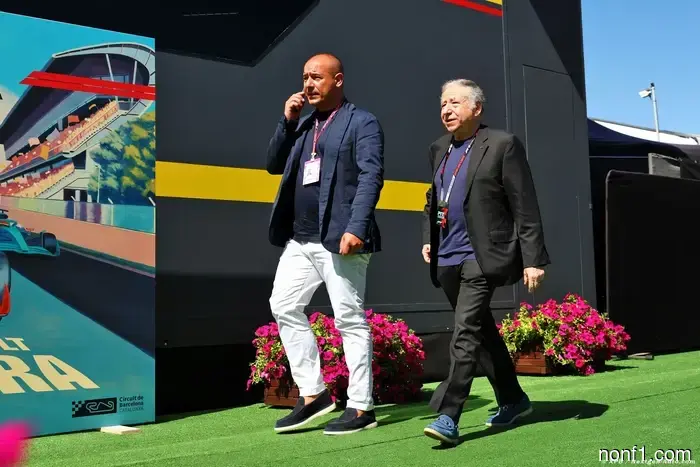 Todt dismisses pessimism regarding the future of Formula 1.
Formula 1 | Jean Todt has eased worries regarding the controversial new regulations set for 2026. Several individuals within the paddock have criticized the new rules (…)
Todt dismisses pessimism regarding the future of Formula 1.
Formula 1 | Jean Todt has eased worries regarding the controversial new regulations set for 2026. Several individuals within the paddock have criticized the new rules (…)
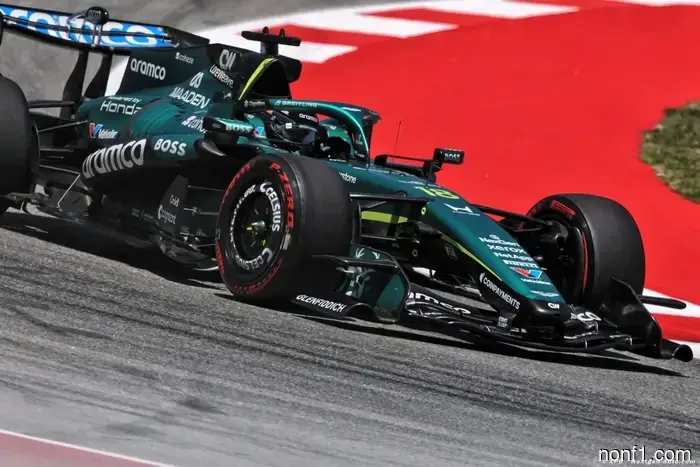 A Honda engineer took the wheel to address an issue with Aston.
Formula 1 | Honda has disclosed that Aston Martin provided a fully assembled Formula 1 car and permitted one of its senior engineers to operate it in an effort to (…)
A Honda engineer took the wheel to address an issue with Aston.
Formula 1 | Honda has disclosed that Aston Martin provided a fully assembled Formula 1 car and permitted one of its senior engineers to operate it in an effort to (…)
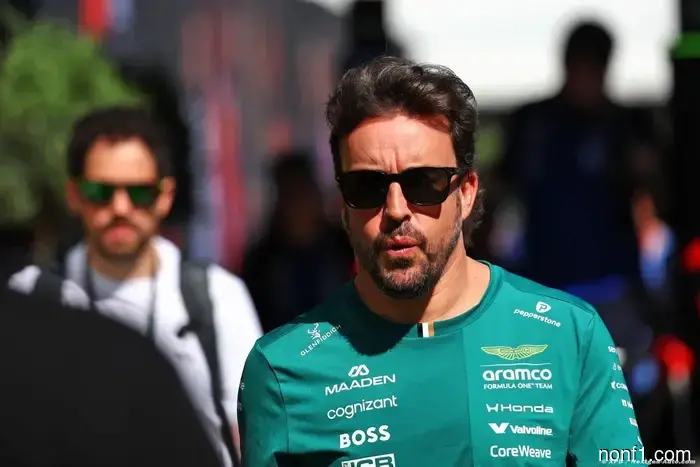 Rumors of an Alonso-Alpine reunion circulate throughout the paddock.
Formula 1 | Fernando Alonso has emerged as the focus of one of the most significant rumors circulating in the Barcelona paddock. As reported by Sky Italia journalist (…)
Rumors of an Alonso-Alpine reunion circulate throughout the paddock.
Formula 1 | Fernando Alonso has emerged as the focus of one of the most significant rumors circulating in the Barcelona paddock. As reported by Sky Italia journalist (…)
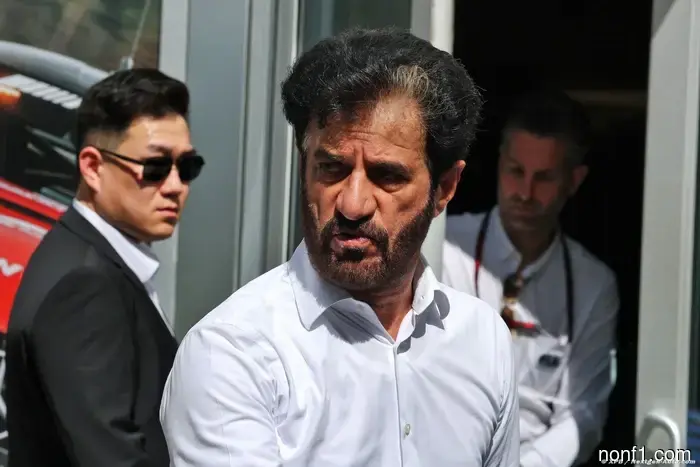 FIA prepared to confront Audi in the V8 turbo controversy of F1.
Formula 1 | A significant engine conflict is on the horizon in Formula 1, as the FIA appears ready to challenge Audi's insistence on using turbocharging in the sport (…)
FIA prepared to confront Audi in the V8 turbo controversy of F1.
Formula 1 | A significant engine conflict is on the horizon in Formula 1, as the FIA appears ready to challenge Audi's insistence on using turbocharging in the sport (…)
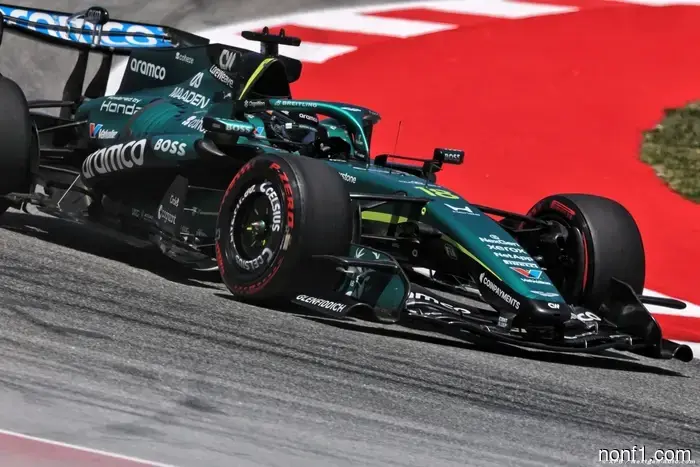 Honda engineer took the wheel to address Aston issue.
Formula 1 | Honda has disclosed that Aston Martin provided a fully assembled Formula 1 car and even permitted one of its top engineers to take it for a drive in an effort to (…)
Honda engineer took the wheel to address Aston issue.
Formula 1 | Honda has disclosed that Aston Martin provided a fully assembled Formula 1 car and even permitted one of its top engineers to take it for a drive in an effort to (…)
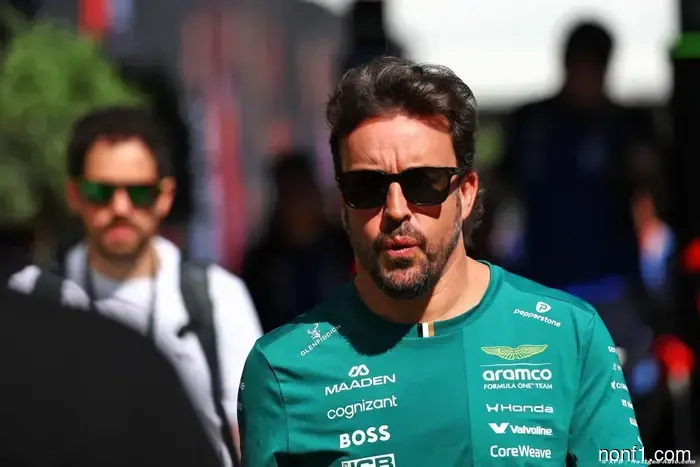 Rumors of an Alonso-Alpine reunion circulate throughout the paddock.
Formula 1 | Fernando Alonso has become the focus of one of the most talked-about rumors in the Barcelona paddock. As reported by Sky Italia journalist (…)
Rumors of an Alonso-Alpine reunion circulate throughout the paddock.
Formula 1 | Fernando Alonso has become the focus of one of the most talked-about rumors in the Barcelona paddock. As reported by Sky Italia journalist (…)
FIA prepared to confront Audi in F1's V8 turbo dispute.
Formula 1 | A significant engine conflict in Formula 1 is already developing, as the FIA appears ready to challenge Audi's demand for turbocharging in the sport (…)