
How Flock Cameras Misidentified Me for Days Due to 'Stolen' Plates and Alerted the Police
Joel Feder
The most significant car news and reviews, no nonsense.
“Are you armed?!” the police officer shouted. “Get out of the car!”
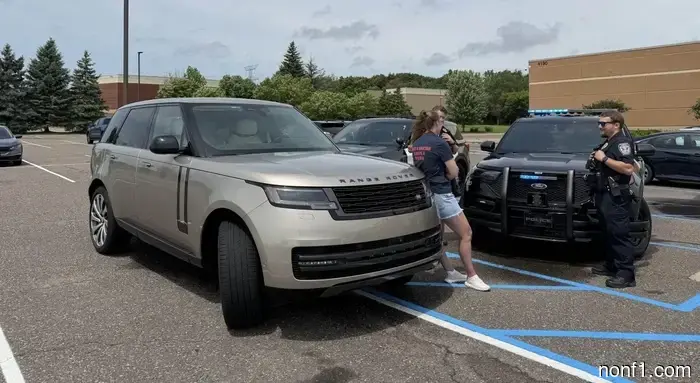
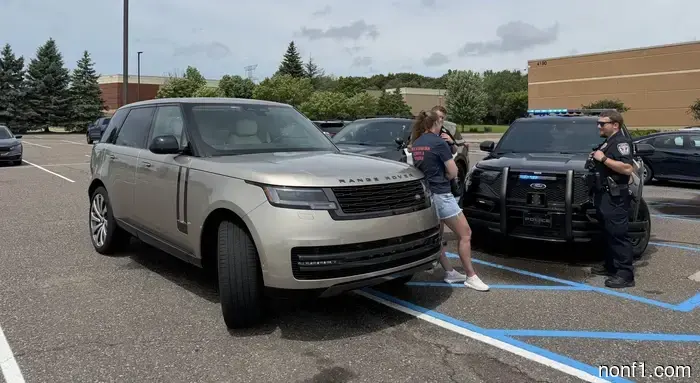
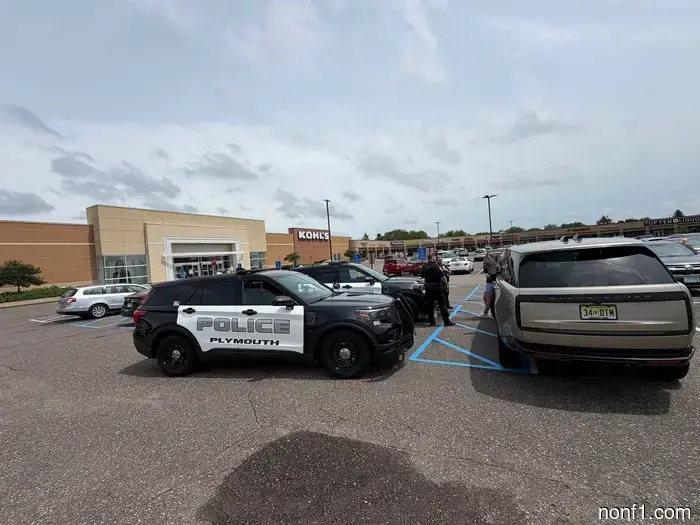
On what seemed like a typical Sunday afternoon in late June, I chose to take the $155,000 Range Rover I was testing that week to run some errands with my wife. I had no idea that this decision would trigger a technological chain involving surveillance cameras, AI, and law enforcement, resulting in my wife and me being surrounded by police officers, hands on their weapons, in a Kohl’s parking lot in suburban Minnesota.
After dropping off our Amazon returns, we had just settled back into the Range Rover and reversed a couple of feet out of the parking spot when four police cars suddenly appeared and surrounded us. The officers exited their vehicles and began shouting. This can be a situation that rapidly escalates, so despite my unpreparedness, I complied with their demands, got out of the car with my hands raised, and tried to understand what was happening.
Eventually, after an hour of tension, I found out. The Plymouth Police Department had been tracking me for several days using Flock license plate recognition cameras, waiting for the right moment to act because they believed I had stolen the Range Rover. The reason I was identified as a dangerous car thief stemmed from a simple data error made 2,000 miles away in California, resulting in an edge case that Flock’s AI camera network couldn’t process correctly.
We currently exist in a surveillance state where cameras installed on stoplights monitor our vehicles, devices, pets, and even us. This is just the start; in the future, these cameras could be installed on our kids’ school buses. Whether you’ve genuinely stolen a car or are merely driving normally, like I was, once these systems target you, there’s generally only one direction this can go. Welcome to the future. It’s a frightening reality.
Joel Feder
In the Kohl’s parking lot, I was standing there with my hands raised, still coming to terms with the shock of putting the Range Rover in reverse and seeing four police cars appear on the backup camera, lights flashing. Officer Max Ganshyn asked me again if I was armed or had any weapons in the vehicle while two officers went around the passenger side to remove my wife. He patted me down, and when he determined I posed no threat, he requested my ID. Then he asked who owned the Range Rover.
“It’s a complicated answer, and I’d be happy to explain, but I need you to be patient,” I replied. I attempted to clarify what The Drive is, what I do for a living, and how I came to be driving a six-figure luxury SUV that doesn’t belong to me. A puzzled expression crossed his face. “Yeah, I’m not a car guy,” he admitted. Fortunately, one of the other officers was familiar with us.
On the other side of the vehicle, the officers were interrogating my wife; our accounts matched because we were being truthful, and they seemed to relax a little. But they still weren’t letting us go. Sensing an opportunity, I asked directly: What is happening here, and why are we being detained?
“The plates on this car are stolen,” Officer Ganshyn responded. My expression must have reflected disbelief because he added that they were unsure whether the vehicle itself or just the plates were stolen. This made absolutely no sense. Car manufacturers maintain detailed records of the fleets they lend to the media. All vehicles are equipped with special manufacturer or dealer plates that are logged upon each entry or exit. The officers eventually checked the Range Rover’s VIN, which came back clear, but they were certain the plates were definitely reported stolen.
Before I could even wrap my head around that, another officer revealed the shocking truth: they had been tracking me around town for days via Flock cameras. However, they kept losing my trail, so when a camera alerted them to the Range Rover’s presence at Kohl’s that morning, they quickly set up an ambush, waiting for my wife and me to exit the store and approach the SUV.
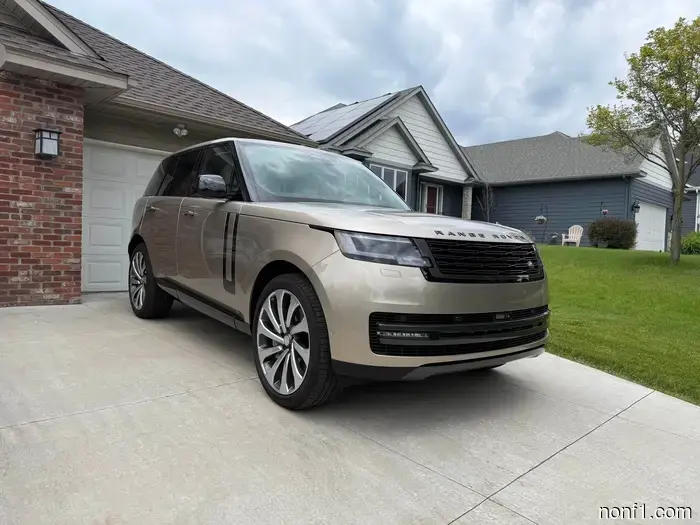
I had been storing the Range Rover in my garage, which explained why the police kept losing track of me before locating me at Kohl’s.
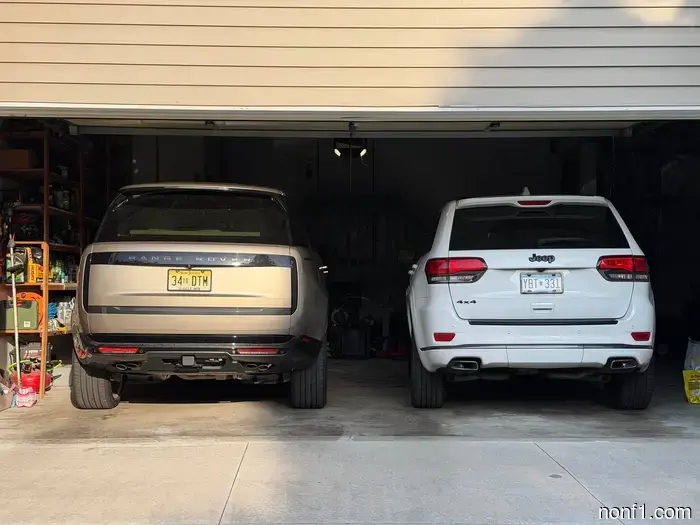
I was stunned, but still composed enough to request to see the camera footage. One of the officers retrieved his phone, opened the Flock app, and showed me two images: a wide shot of the Range Rover at an intersection and a close-up shot of the New Jersey license plate, which clearly read 34 10 DTM and indicated VEHICLE MFR at the bottom. Notably, the number 10 was in much smaller text than the rest of the tag, a non-standard format used by New Jersey for manufacturer plates.
Once again, I tried to clarify that I had no idea why a license plate on a press vehicle would be flagged this way. “Can
Other articles
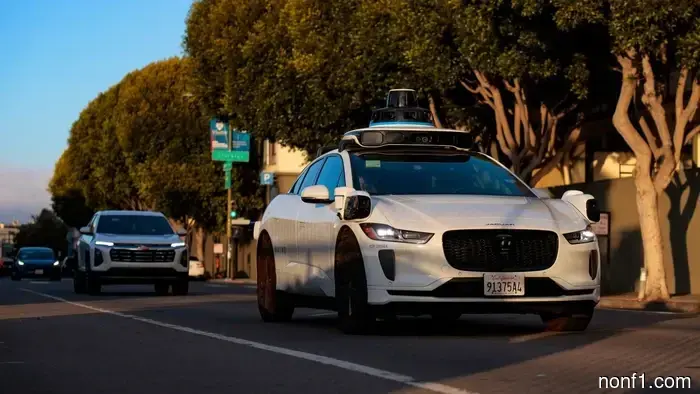 NHTSA States Robotaxis Must Stop Delaying First Responders Already: TDS
A letter from the head of the transportation department urges manufacturers of autonomous vehicles to respond to a "distinct trend" of their cars obstructing emergency situations.
NHTSA States Robotaxis Must Stop Delaying First Responders Already: TDS
A letter from the head of the transportation department urges manufacturers of autonomous vehicles to respond to a "distinct trend" of their cars obstructing emergency situations.
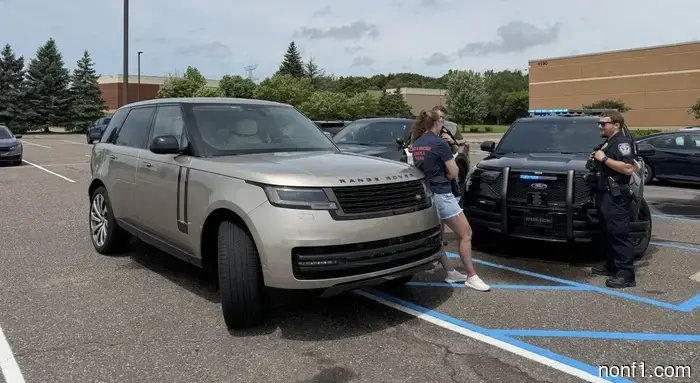 How Flock Cameras Incorrectly Monitored Me for Days Due to 'Stolen' License Plates and Prompted Police Action Against Me
A minor mistake escalated due to Flock's national network of surveillance cameras, resulting in four police cars surrounding me.
How Flock Cameras Incorrectly Monitored Me for Days Due to 'Stolen' License Plates and Prompted Police Action Against Me
A minor mistake escalated due to Flock's national network of surveillance cameras, resulting in four police cars surrounding me.
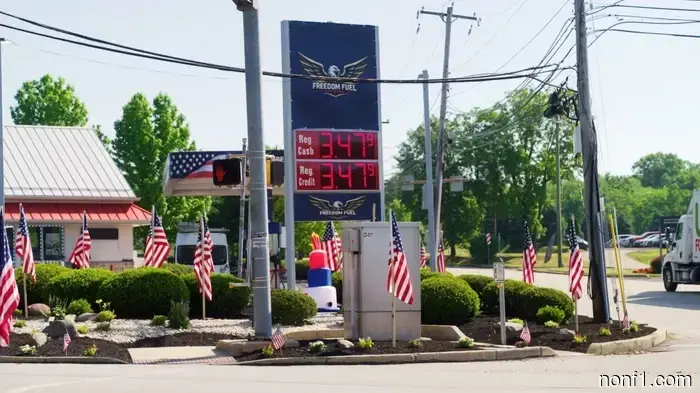 Federal Authorities Are Promoting a New Gas Station Chain Offering Unusually Low Fuel Prices
Twenty-five "Freedom Fuel Network" gas stations have suddenly appeared in the Philadelphia and South Jersey area, offering gas at 30 cents below the average price.
Federal Authorities Are Promoting a New Gas Station Chain Offering Unusually Low Fuel Prices
Twenty-five "Freedom Fuel Network" gas stations have suddenly appeared in the Philadelphia and South Jersey area, offering gas at 30 cents below the average price.
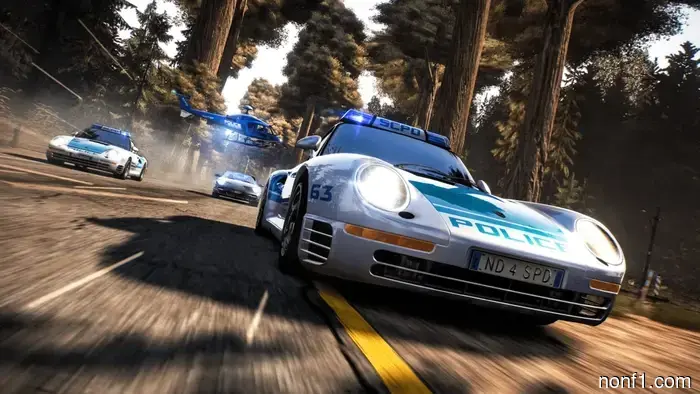 Need for Speed Studio is now completely dedicated to Battlefield, and this may remain the case indefinitely.
It seems that the prospect of a new Burnout is largely over, as Criterion Games has been entirely rebranded as "A Battlefield Studio."
Need for Speed Studio is now completely dedicated to Battlefield, and this may remain the case indefinitely.
It seems that the prospect of a new Burnout is largely over, as Criterion Games has been entirely rebranded as "A Battlefield Studio."
How Flock Cameras Misidentified Me for Days Due to 'Stolen' Plates and Alerted the Police
A minor mistake escalated through Flock's nationwide surveillance camera system, resulting in four police cars surrounding me.