
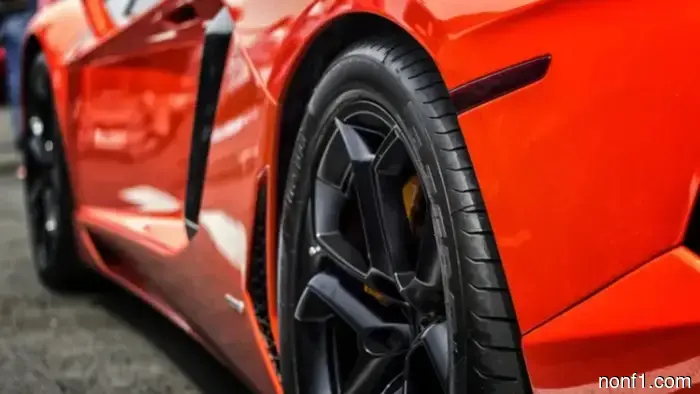
Stay Calm: Understanding California's Aftermarket Tire 'Ban'
The most important news and reviews in the automotive world, no fluff.
Our complimentary daily newsletter delivers the key stories directly to you every weekday.
Twenty-three years ago, the California State Legislature enacted a bill (AB 844) instructing the California Energy Commission (CEC) to create and implement a new tire efficiency program. The CEC states that the program's primary goal is to "ensure that replacement tires sold in the state are at least as energy efficient, on average, as the tires provided as original equipment on new passenger cars and light-duty trucks."
Curious about how this is progressing? It took Boston 16 years to finish the Big Dig; California required seven additional years just to translate the aforementioned provision into an actual policy framework. This week, we are finally discovering the real-world effects of its rulings.
On the surface, the CEC’s argument is quite clear: Automakers typically equip their vehicles with tires that aren’t available for general purchase. While the make and model may match those seen on your favorite auto parts website, manufacturers often request modifications to the finer aspects. Performance tires might have shallower tread than the standard versions to minimize flex and increase confidence for test drivers; adjustments like this can also be made for efficiency tires to reduce drag.
In some instances, automakers specify completely unique tread compounds for their original equipment versions. One focus of manufacturers is fuel efficiency, which often compromises tire durability, as advocates for the new regulations contend.
Have you ever wondered why the tread life on your original tires fell short of what manufacturers claim for replacement options? As mentioned earlier, optimizing tread for grip or efficiency can simply mean shortening the tire’s tread—deliberately reducing its lifespan, in other words. Keep that in mind the next time you read reviews about original-equipment tires. Brands like Michelin and Goodyear may not be the ones at fault for the lackluster durability of factory tires.
Conversely, many drivers notice that their replacement tires don’t perform as well in terms of fuel economy. While new tires may last longer, the savings often revert to fueling the vehicle.
“Tire efficiency has a significant effect on the energy consumption of vehicles. The ease with which a tire rolls, known as rolling resistance, impacts the amount drivers spend on fuel for their vehicle, whether that be gasoline, diesel, electricity, or hydrogen fuel,” according to the CEC summary.
The aim of California’s new regulations is to bridge this gap. Once these rules are implemented in 2035, aftermarket tires will need to meet the same efficiency standards as their original-equipment counterparts. If you typically get your tires replaced at a dealership, this might not seem significant. After all, they provide the original tires for your vehicle, right?
“The proposed regulations in this staff report are expected, if adopted, to save each California driver of a gasoline passenger vehicle approximately $179 (2024 dollars) in fuel costs over the average four-year lifespan of a tire set,” the summary indicates.
“In total,” it adds, “these regulations are projected to save California drivers around $979 million (2024 dollars) in annual fuel expenses in 2035 and reduce greenhouse gas emissions by an estimated 2.0 million metric tons of carbon dioxide equivalent in that year.”
This represents just under 2% of California’s overall passenger vehicle CO2 emissions.
According to the new rule, it’s likely that tire manufacturers will expand their products to include varying rolling resistances, similar to how tires are currently specified for different load ratings. Expect that options for niche or limited models will be pricier since choices may be limited.
And what about car enthusiasts who prefer “inferior” tires? First, there’s no need to worry. These new regulations only dictate what retailers can sell, not what you can do with your own vehicle. Additionally, track and off-road communities were consulted on the new regulations, and the CEC agreed to allow exceptions for ultra-low-treadwear track tires, although the regulations could present challenges for high-performance summer tires that might not meet the necessary stickiness threshold to qualify as track equipment.
Some critics are concerned that requiring aftermarket tires to replicate OEM performance might ultimately disadvantage consumers due to their shorter lifespan, but the CEC is not persuaded that this will restrict real-world outcomes.
“The CEC staff analysis indicates that the regulations proposed in this report are technically feasible, cost-effective, and will not compromise safety, reduce tire lifespan, or increase tire waste.”
The significant impact will primarily affect individuals who typically have service done at dealerships. In such a structured environment, it will be more difficult to navigate around the established rules. Moreover, service departments stand to earn substantial profits from O.E. replacement tires. For dealers navigating the shift to electric vehicles in California, anything that encourages repeat service business is advantageous.
Have a tip to share? Contact us at tips@thedrive.com!
Other articles
 Sainz remains as pressure mounts on Vowles.
Formula 1 | Carlos Sainz has officially signed with Williams for 2027, yet the announcement does little to alleviate the increasing scrutiny surrounding team principal James Vowles (…)
Sainz remains as pressure mounts on Vowles.
Formula 1 | Carlos Sainz has officially signed with Williams for 2027, yet the announcement does little to alleviate the increasing scrutiny surrounding team principal James Vowles (…)
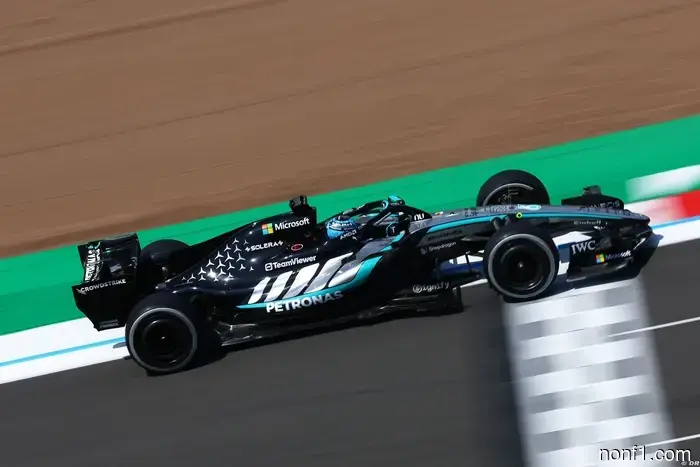 Wolff is receptive to the idea of discarding the existing engine formula.
Formula 1 | Toto Wolff states that although Mercedes holds a current advantage under the new power unit regulations, he does not wish for this concept to persist in the long term. (…)
Wolff is receptive to the idea of discarding the existing engine formula.
Formula 1 | Toto Wolff states that although Mercedes holds a current advantage under the new power unit regulations, he does not wish for this concept to persist in the long term. (…)
 Dutch Grand Prix: Stage Preview
Any successful streak in Formula 1 eventually comes to an end...
Dutch Grand Prix: Stage Preview
Any successful streak in Formula 1 eventually comes to an end...
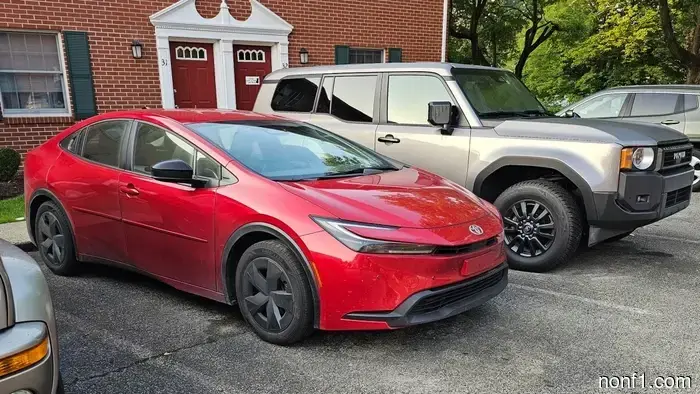 This 2026 Toyota Prius Reached 100,000 Miles in Just Eight Months. Here's How It Performed.
A medical transporter accumulated 100,000 miles in a 2026 Toyota Prius LE within just eight months and provided us with his service records.
This 2026 Toyota Prius Reached 100,000 Miles in Just Eight Months. Here's How It Performed.
A medical transporter accumulated 100,000 miles in a 2026 Toyota Prius LE within just eight months and provided us with his service records.
 Dutch Grand Prix: Round Numbers
Round numbers before the Dutch Grand Prix...
Dutch Grand Prix: Stage Preview
Any successful streak in Formula 1 eventually comes to an end...
Dutch Grand Prix: Round Numbers
Round numbers before the Dutch Grand Prix...
Dutch Grand Prix: Stage Preview
Any successful streak in Formula 1 eventually comes to an end...
Stay Calm: Understanding California's Aftermarket Tire 'Ban'
California's new efficiency regulations will create additional obstacles for enthusiasts when purchasing aftermarket tires.