

Albon believes that F1 will become somewhat similar to Formula E.
The scale of the changes that Formula 1 teams are intensively preparing for in 2026 is very large, and it’s still difficult to assess the balance of power even approximately. And drivers will have to get to grips with new cars that are also quite different from the previous generation’s machinery, which, of course, will affect the nature of the on-track battles.
“I suppose it will be unlike anything we’ve done before,” says Alex Albon. “The job for the drivers is to adapt to it, but everything takes time. For example, I don’t think this winter break will be as quiet as in previous years, when we mostly focused on physical training.
Now we’ll have to spend a lot more time on the simulator, because we need to really understand how everything works, try different driving styles and decide which suits best.”
According to the Williams driver, the hardest part will be finding the optimal approach to working with the new, more powerful hybrid part of the power unit and learning to use electric energy efficiently:
“It’s too early to draw conclusions, but it seems you can point to Formula E as an example, as a more extreme version of what we’re having to deal with now. There you can clearly see how differently drivers use energy during qualifying and races to achieve the best possible results.
In Formula 1 this won’t take such extreme forms, but success will come to those drivers who can properly understand the new requirements and apply their findings effectively in practice. Among other things, here at Williams we have set up a dedicated working group that deals with all these issues.”

Other articles
 Bayer: In several races Lawson was faster than Hadjar.
Peter Bayer, the executive director of Racing Bulls, spoke about what the main argument in favor of Liam Lawson was when the team decided to extend his contract for 2026...
Bayer: In several races Lawson was faster than Hadjar.
Peter Bayer, the executive director of Racing Bulls, spoke about what the main argument in favor of Liam Lawson was when the team decided to extend his contract for 2026...
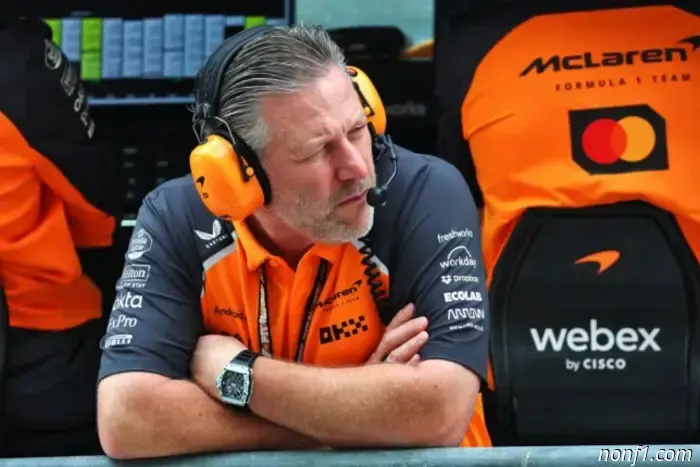 Zak Brown: We are trying to destabilize our rivals.
The team from Woking has been performing increasingly successfully in recent years, but Zak Brown, the CEO of McLaren Racing, attracts attention not only for that reason...
Zak Brown: We are trying to destabilize our rivals.
The team from Woking has been performing increasingly successfully in recent years, but Zak Brown, the CEO of McLaren Racing, attracts attention not only for that reason...
Albon believes that F1 will become somewhat similar to Formula E.
Alex Albon believes that in 2026 the nature of Formula 1 racing will become somewhat similar to Formula E, but will take less extreme forms...