
2027 Mercedes-Benz GLC Electric First Drive Assessment: Making the Future Seem Familiar
The latest car updates and evaluations, straightforward and to the point.
Our complimentary daily newsletter delivers the key stories straight to your inbox every weekday.
While many automakers are retracting or abandoning their electrification strategies, Mercedes remains committed. The renowned German brand intends to provide electric, hybrid, and sometimes plug-in hybrid options throughout its lineup. Evidence of its dedication to an electric future? The introduction of the electric version of its top-selling vehicle, the GLC-Class, is set to launch amidst this industry-wide transformation.
Scheduled for release this fall, the 2027 Mercedes-Benz GLC marks the next generation of the model, featuring a new electric powertrain, a refreshed design, and advanced technology aimed at progressing into the future while respecting its heritage.
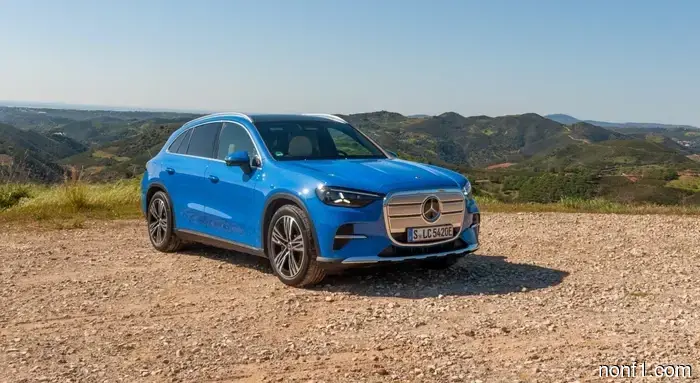
I had the opportunity to drive a blue 2027 GLC for a day near Faro, Portugal, to preview what’s ahead. The vehicle impresses with clever nods to its lineage and innovative technology for future driving, though I hope engineers can refine the suspension a bit more before its U.S. release later this fall. Here’s what I discovered.
The Basics
This is technically the new GLC—simply referred to as the GLC in various press releases and marketing materials. In an alternate reality, a gasoline model might not even be in the picture, but we are not there; a gasoline variant will also be available alongside the EV in showrooms.
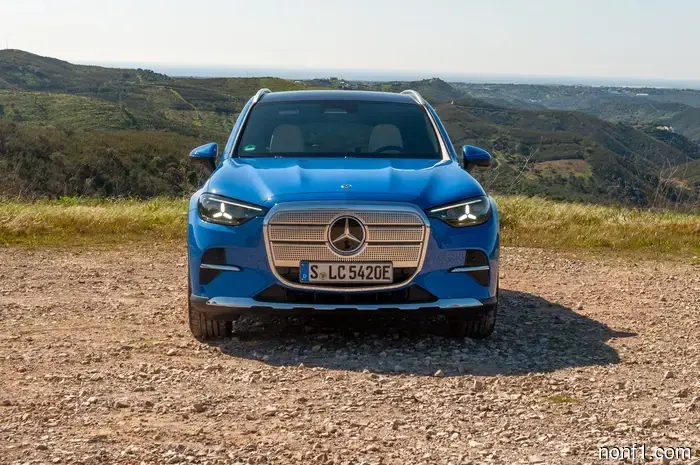
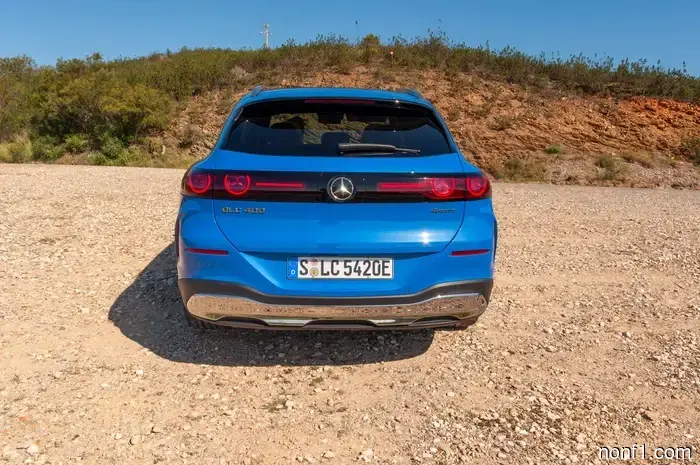
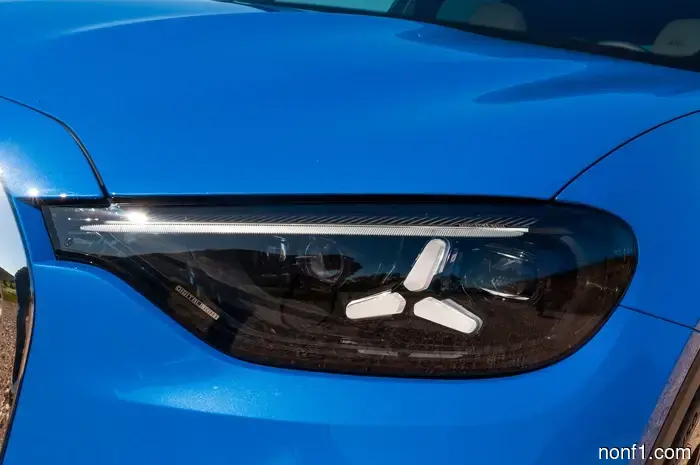
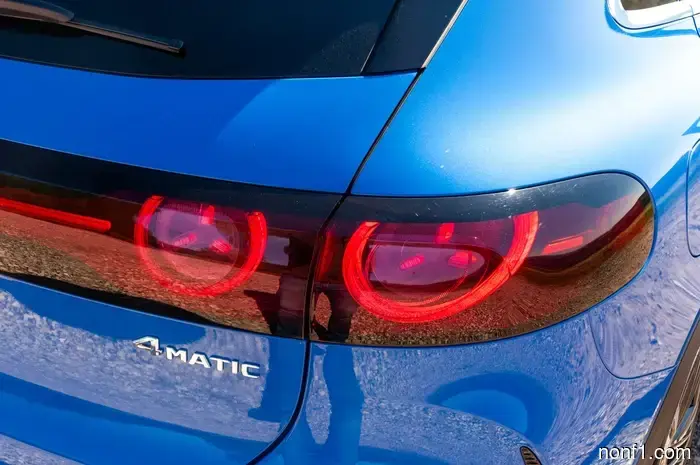
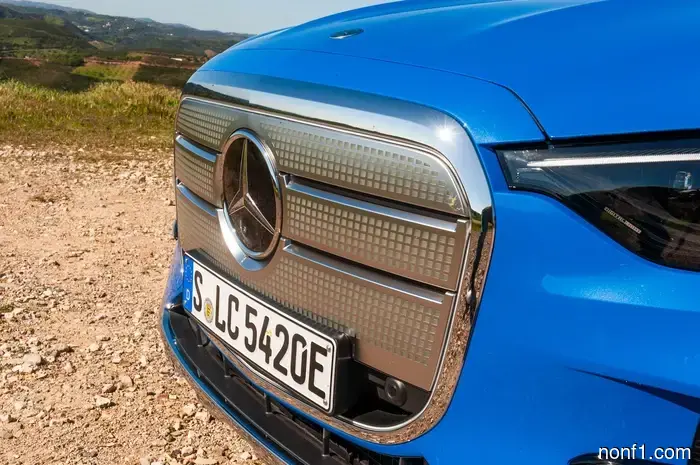
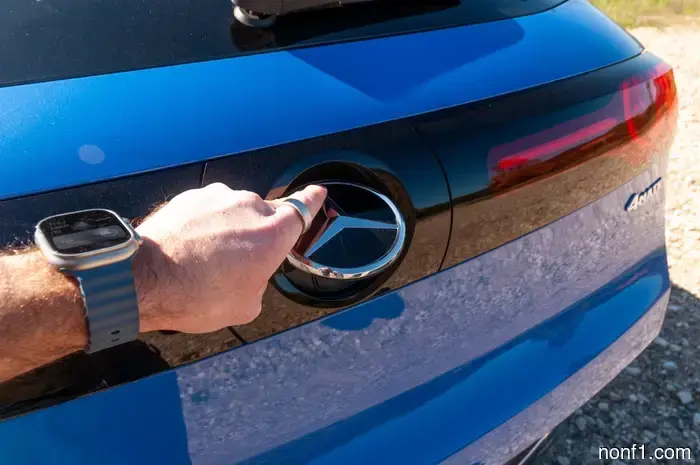
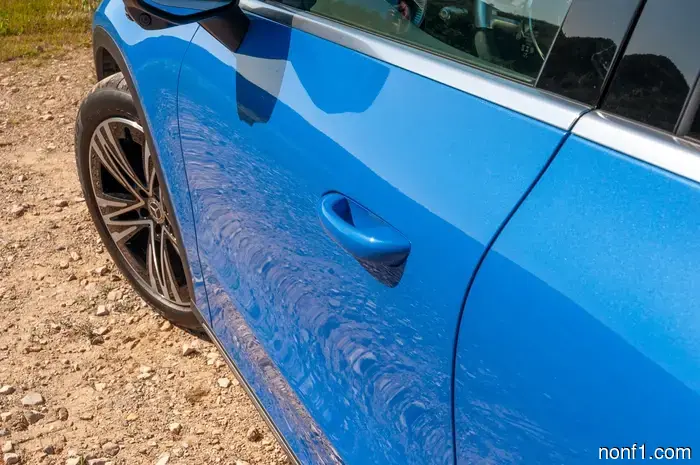
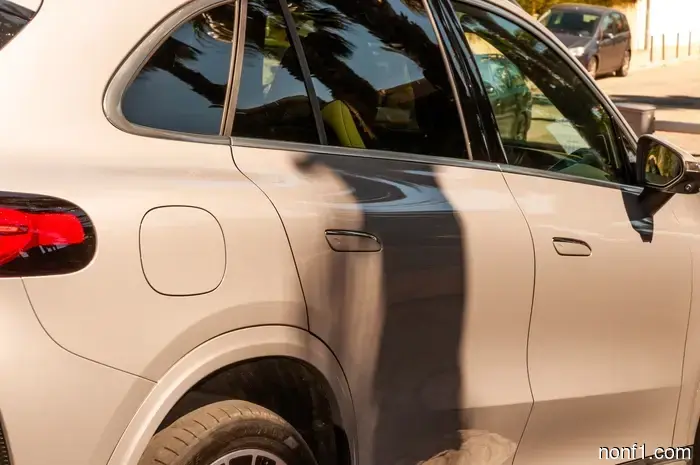
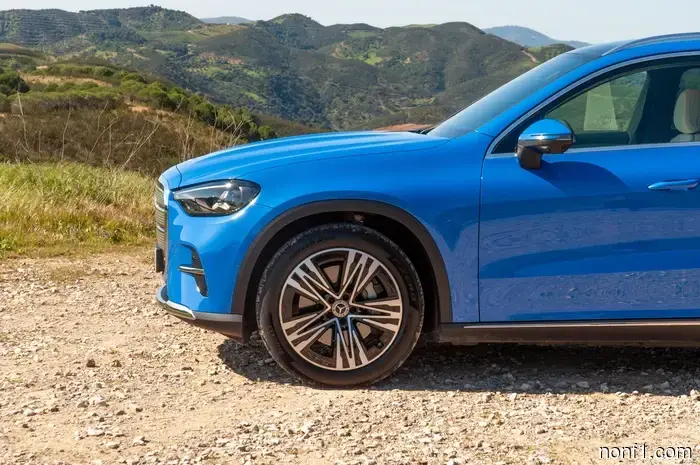
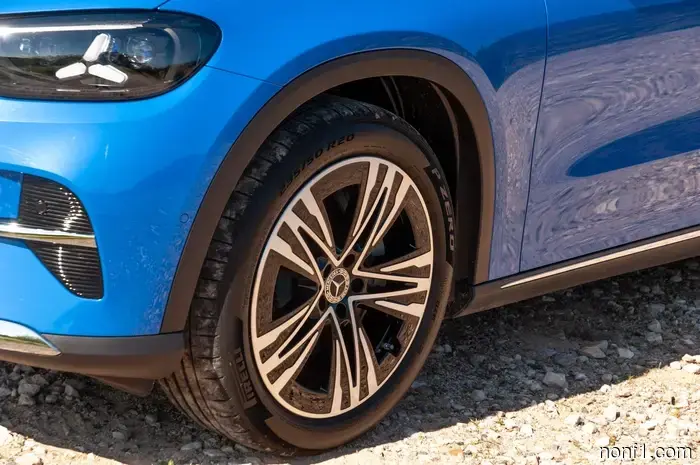
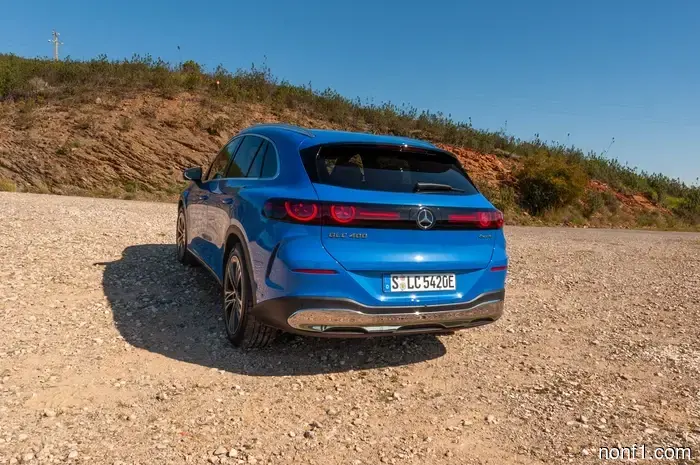
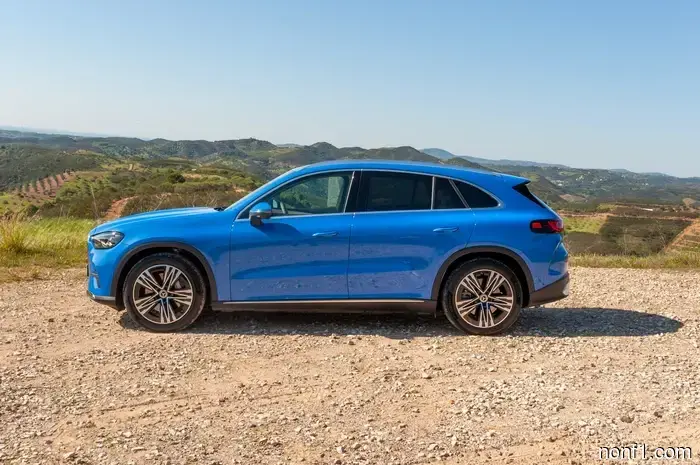
The GLC merges classic and modern elements. The front and rear designs feature striking Benz-style LED tri-points serving as the daytime running lights and taillights. The front grille boasts 942 illuminated points, and its egg-crate design pays homage to the W126 era in a commendable way. I really appreciate it. The overhangs are compact, and the ratio from dash to axle resembles the current gasoline-powered GLC; the neatly designed rear comes with a broad red plastic panel that holds the round star-shaped taillights. Overall, it’s an aesthetically pleasing package that doesn’t scream, “Look at me! I’m an EV! I represent the future!” However, the electronic pop-out door handles that U.S. models will have, as opposed to the traditional pulls in the European pre-production versions I drove, are somewhat bothersome.
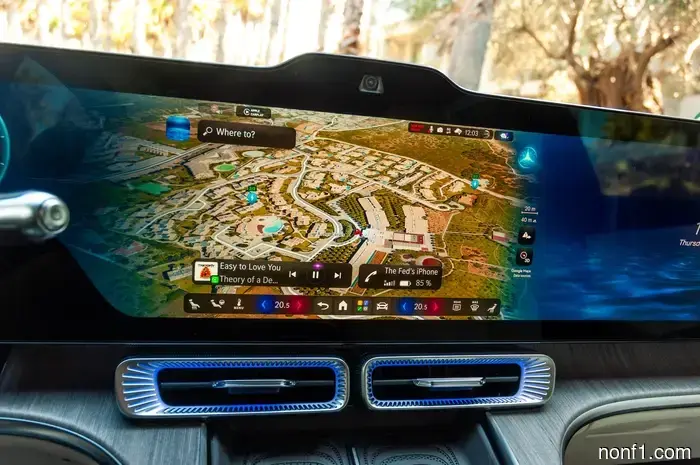
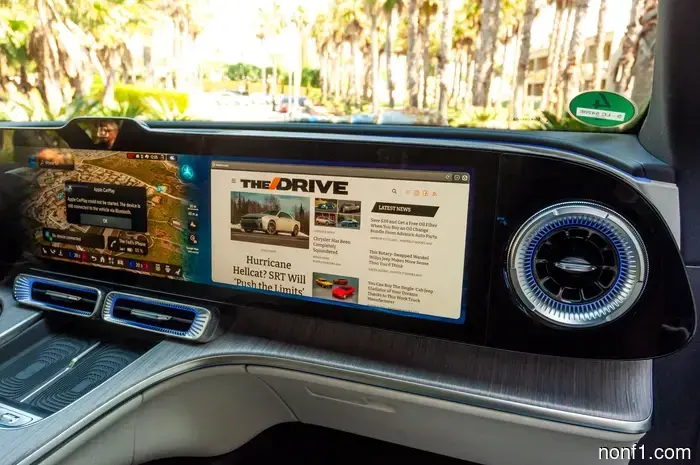
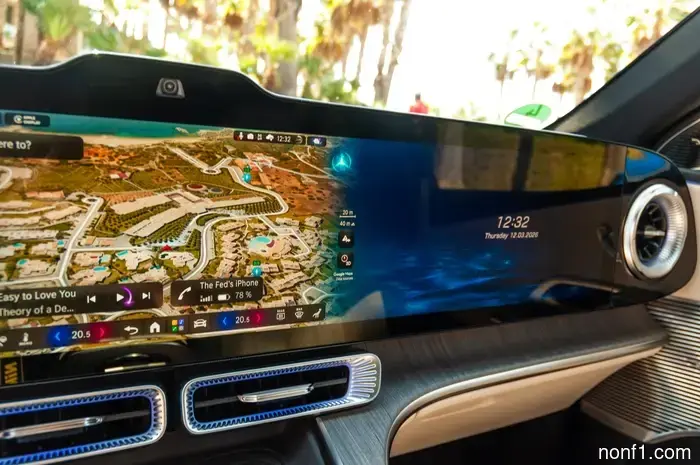
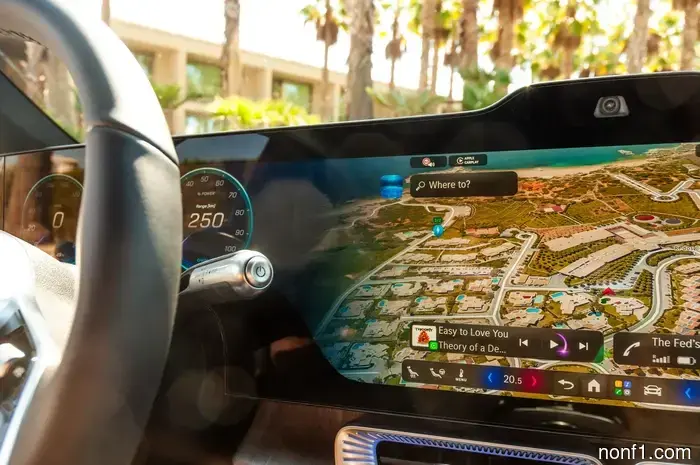
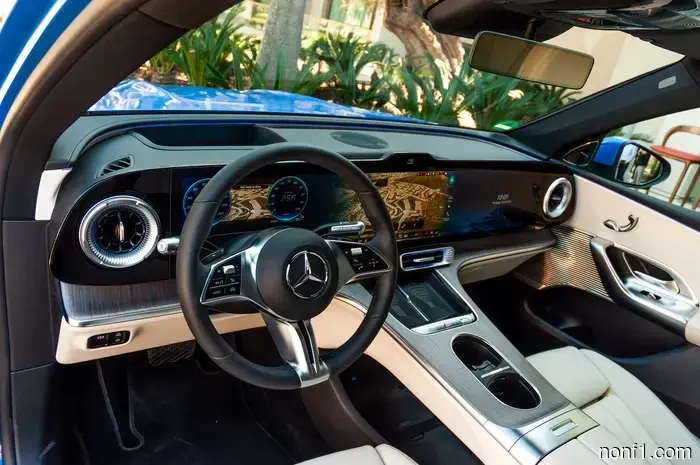
Inside, the standout feature is an optional pillar-to-pillar 39.1-inch display crafted from a single piece of glass, referred to by Mercedes as Hyperscreen. The in-house developed software, known as MB.OS, is user-friendly, layered, and equipped with sizable digital buttons, along with a Google Gemini-powered AI assistant. Wireless Apple CarPlay and Android Auto are included as well.
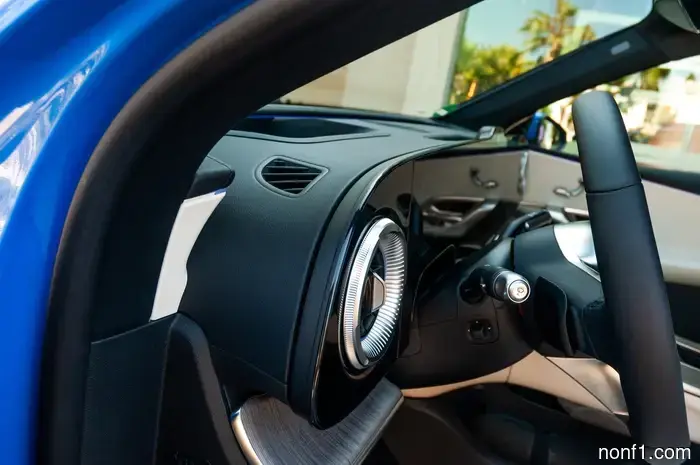
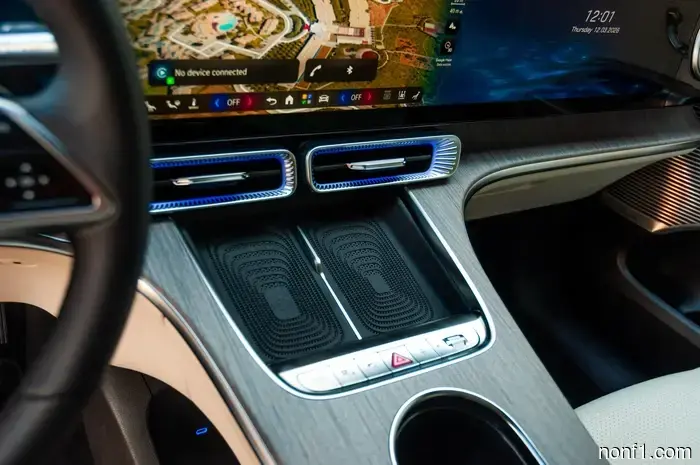
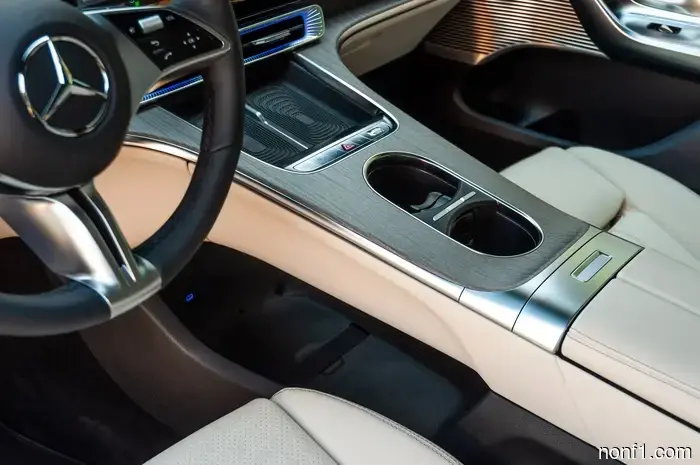
Electric GLCs that don’t feature the Hyperscreen will have three distinct screens under a singular glass pane, termed Superscreen, which includes a 10.25-inch digital gauge cluster, a 14-inch touchscreen infotainment display, and a 14-inch touchscreen for the front passenger. The horizontal dashboard gives an impression of being compact and tight, reminiscent of the W126 era, similar to the grille design. The center console rises to meet the air vents, which are placed between it and the screen, while providing an open storage area with two USB-C ports. Those vents? They have tactile nubs for adjusting airflow, steering clear of digital substitutes. Plus, there are tangible stalks, dedicated buttons for essential functions like parking assist and cameras, and a volume knob. It’s the little details that count.
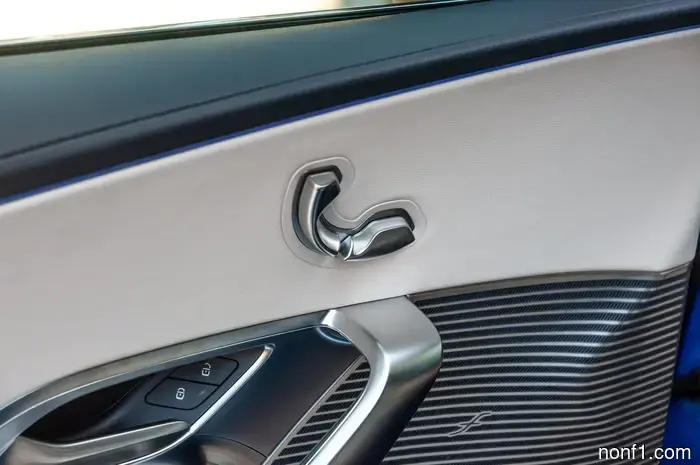
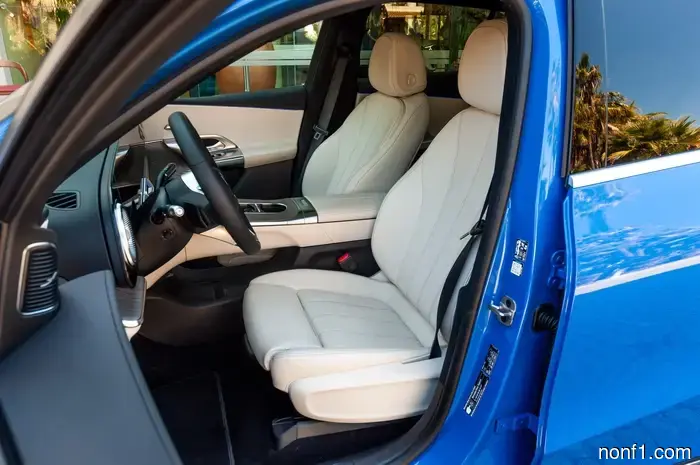
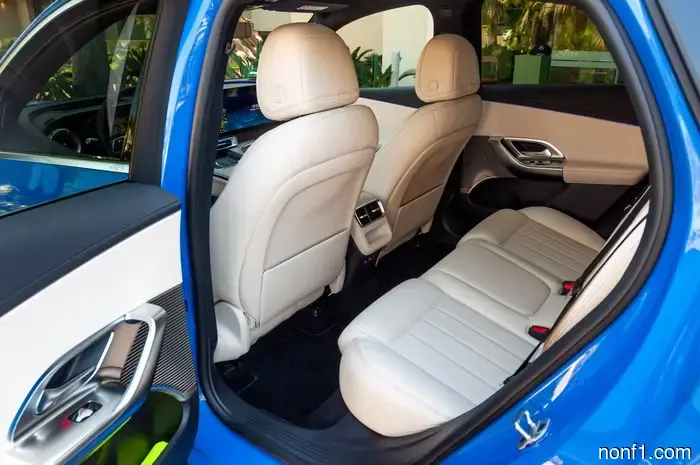
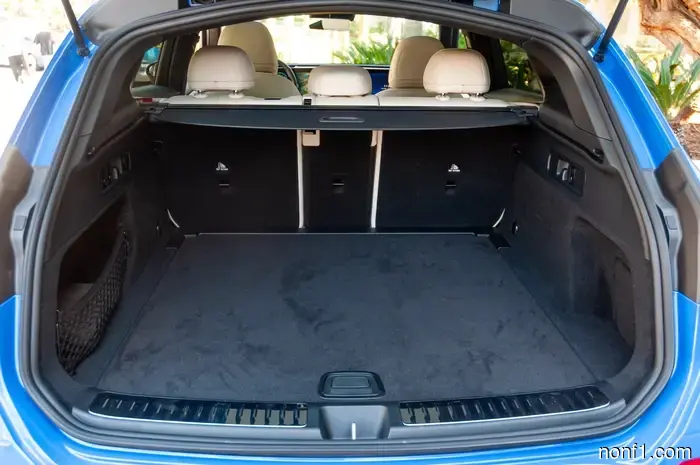
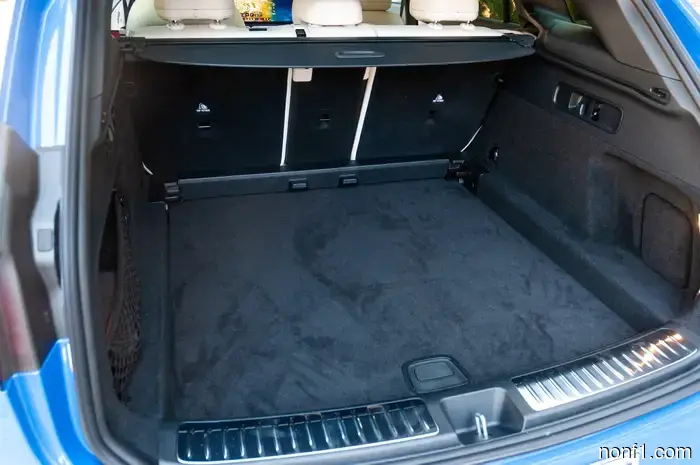
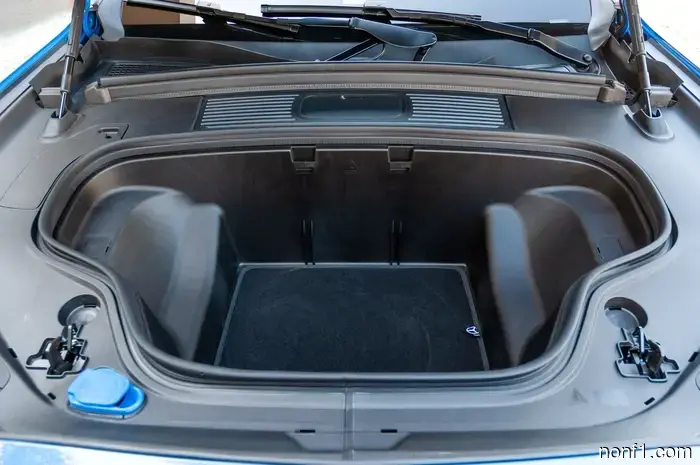
In the front, passengers will find supportive seats, now controlled through new door-mounted controls that resemble curved seats rather than human figures. The rear seats provide approximately half an inch more legroom than the existing gasoline-powered GLC due to the electric model’s extended wheelbase. There is plenty of foot and headroom in the back, along with a comfortable seat bottom angle. The cargo area is roomy and features a panel that can be lowered for added storage depth. Additionally, there’s a functional frunk with a decent 4.5 cubic feet of capacity for storing a backpack or two.
Driving Experience
Initially, every GLC in the U.S. market will be a 400 4Matic model. This translates to a dual-motor setup yielding 483 horsepower and 590 lb-ft of torque distributed to all four wheels through a two-speed transmission. The power comes from a 94-kWh (usable) battery pack utilizing an 800-volt electrical architecture. The standout feature of this system? The two-speed transmission, which I’ll discuss further.
Mercedes claims the electric GLC can accelerate from 0-60 mph in 4.2 seconds and has an electronically capped top speed of 130 mph. I believe both statements are accurate. While this vehicle isn't sluggish, it doesn’t have the explosive acceleration of a V8-powered GLC from previous years, which achieved the feat in just under four seconds but didn’t provide all its torque instantly.
The

Other articles
 Mercedes Alerts That Tariffs Will Be Even More Severe in 2026: TDS
The German luxury brand has not disclosed the exact amount it lost due to tariffs last year, but it has informed analysts that it does not anticipate any improvement in that area for 2026.
Mercedes Alerts That Tariffs Will Be Even More Severe in 2026: TDS
The German luxury brand has not disclosed the exact amount it lost due to tariffs last year, but it has informed analysts that it does not anticipate any improvement in that area for 2026.
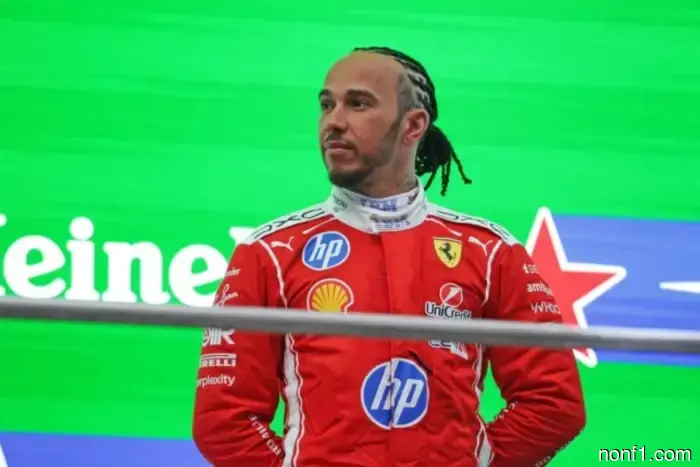 Damon Hill: It seems that the new regulations suit Lewis.
Damon Hill, like many others, sees that Lewis Hamilton has clearly regained his spirit after a disappointing last season and believes that new victories can be expected from him...
Damon Hill: It seems that the new regulations suit Lewis.
Damon Hill, like many others, sees that Lewis Hamilton has clearly regained his spirit after a disappointing last season and believes that new victories can be expected from him...
 Crawford will replace Alonso in the first practice in Japan.
Aston Martin announced a change in the lineup for the first session of free practice at the Japanese Grand Prix. The team's third driver, Jack Crawford, will replace Fernando Alonso at the wheel of the AMR25.
Crawford will replace Alonso in the first practice in Japan.
Aston Martin announced a change in the lineup for the first session of free practice at the Japanese Grand Prix. The team's third driver, Jack Crawford, will replace Fernando Alonso at the wheel of the AMR25.
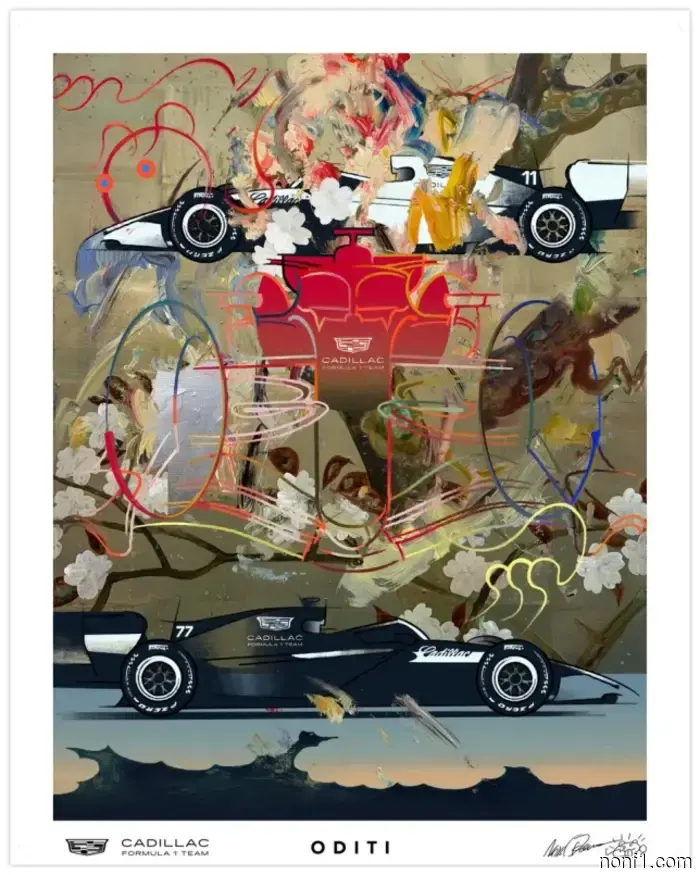 At Cadillac F1, a poster dedicated to Suzuka was unveiled.
In Cadillac F1, they continue the project that was announced even before the start of the season – before each upcoming Grand Prix, the team presents a poster dedicated to it...
At Cadillac F1, a poster dedicated to Suzuka was unveiled.
In Cadillac F1, they continue the project that was announced even before the start of the season – before each upcoming Grand Prix, the team presents a poster dedicated to it...
 Mario Andretti: Our drivers are not in the best shape right now.
The 86-year-old Formula 1 veteran is ready to admit that both Cadillac drivers are not in the best shape at the start of the championship, as they missed last season...
Mario Andretti: Our drivers are not in the best shape right now.
The 86-year-old Formula 1 veteran is ready to admit that both Cadillac drivers are not in the best shape at the start of the championship, as they missed last season...
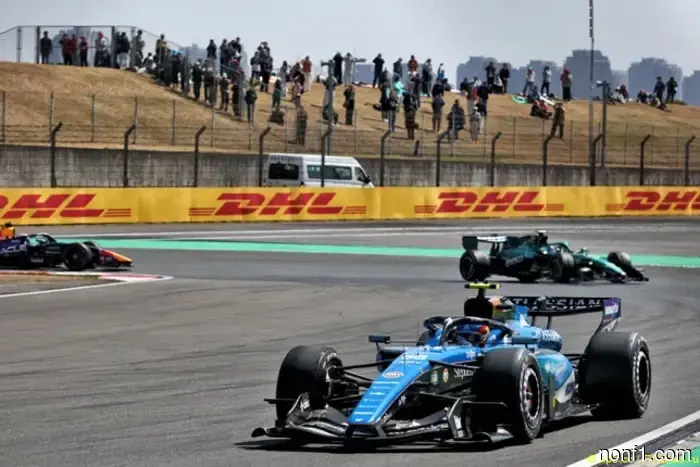 Carlos Sainz is satisfied with his starts at the beginning of the season.
We have already quoted the words of Alex Albon, the Williams driver, that the FW48 car is full of flaws – from the excessive weight of the chassis to low reliability and efficiency. Carlos Sainz agrees with him, but the Spanish driver was able to find one positive aspect of the 2026 car – the starts.
Carlos Sainz is satisfied with his starts at the beginning of the season.
We have already quoted the words of Alex Albon, the Williams driver, that the FW48 car is full of flaws – from the excessive weight of the chassis to low reliability and efficiency. Carlos Sainz agrees with him, but the Spanish driver was able to find one positive aspect of the 2026 car – the starts.
2027 Mercedes-Benz GLC Electric First Drive Assessment: Making the Future Seem Familiar
Mercedes took its top-selling model and created an electric version of the next-generation design.