
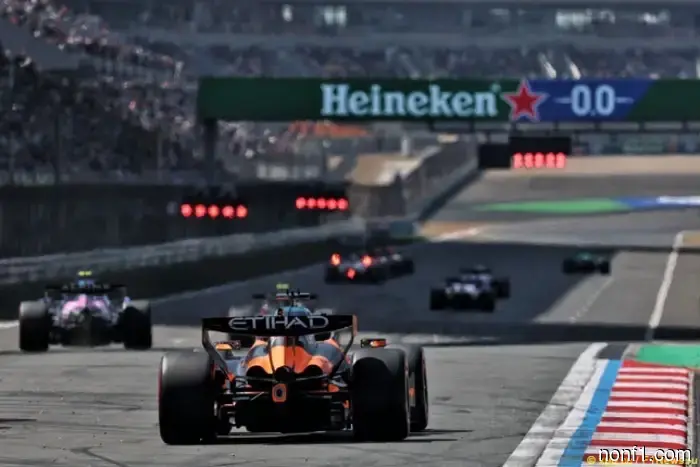
In Formula 1, they are ready to change the regulations for qualifying.
The publication The Race reports that the Formula 1 management plans to make changes to the regulations to restore the spectacle of qualifying. It is expected that work on the regulations will take place during the break after the Japanese Grand Prix, and the first changes may come into effect at the next stage in Miami in early May.
After the start of the season, teams, Formula 1 management, and the FIA began reviewing the 2026 regulations. One of the key issues has been the impact of new power units on the battle for pole position. The first stage of the season in Melbourne already showed that the scale of energy management is so great that it has caused dissatisfaction among drivers, teams, and fans.
Drivers sometimes have to use illogical tactics to complete a fast lap in qualifying. The issue of adjusting the regulations with a focus on qualifying became a priority at the meeting of team leaders with the FIA after the Chinese Grand Prix, where necessary changes were discussed. Sources claim that a consensus was reached at the meeting that qualifying should be the focus when making any adjustments. Accordingly, this issue will be a priority for discussion at the meeting of technical experts with the FIA after the Japanese Grand Prix. The goal is to adjust the regulations in such a way as to eliminate the influence of battery management on the battle in qualifying.
The main challenge is how to do this within the existing limitations of the new power units. One proposal is to increase the power of the recovery system to the full limit of 350 kW. This could reduce the need to lift off the throttle and coast, but the current battery limitations do not allow drivers to use the maximum power of the power unit throughout the lap, so energy management remains inevitable.
Another option is to change the power ratio between the internal combustion engine and the electric motor only for qualifying. Reducing the battery output to 200 kW would allow for a more even distribution of energy throughout the lap, although this would reduce the maximum speed of the cars, which may not be to everyone's liking.
At the same time, the reduction in battery output could be compensated by increasing the contribution of the internal combustion engine, for example, by increasing fuel consumption only in qualifying. Teams are united in the opinion that qualifying needs urgent changes, while races cause less concern. Some drivers are unhappy with the chaotic style of racing that has become characteristic of this season, but it is believed that this causes less irritation among fans.
Opinions remain divided, but everyone agrees that maximum speeds should return to qualifying, and it should stop being an engineering puzzle.
Other articles
 Toto Wolff: We are not considering a change in the lineup.
Toto Wolff denied rumors of negotiations with Max Verstappen...
Toto Wolff: We are not considering a change in the lineup.
Toto Wolff denied rumors of negotiations with Max Verstappen...
 Protect Your Interior and Get 30% Off Indestructible 3W Liners
Enjoy a 30% discount today on liners that come with a lifetime guarantee.
Protect Your Interior and Get 30% Off Indestructible 3W Liners
Enjoy a 30% discount today on liners that come with a lifetime guarantee.
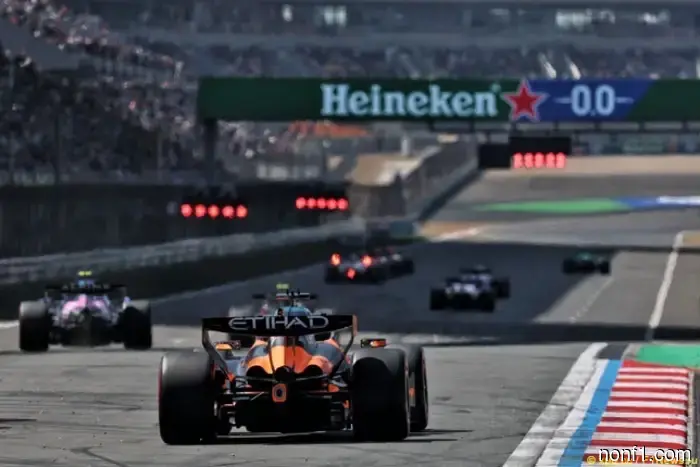 In Formula 1, they are ready to change the regulations for qualifying.
The publication The Race reports that the Formula 1 management plans to make changes to the regulations to restore the former spectacle of qualifying.
In Formula 1, they are ready to change the regulations for qualifying.
The publication The Race reports that the Formula 1 management plans to make changes to the regulations to restore the former spectacle of qualifying.
 Driven: Kumho Solus 4S HA32 Eliminates the Hassle of Seasonal Tire Changes
The Kumho Solus HA32 is an all-weather tire that outperforms a budget all-season tire in snow, ice, and rain conditions. It offers solid performance at a mid-range price point.
Driven: Kumho Solus 4S HA32 Eliminates the Hassle of Seasonal Tire Changes
The Kumho Solus HA32 is an all-weather tire that outperforms a budget all-season tire in snow, ice, and rain conditions. It offers solid performance at a mid-range price point.
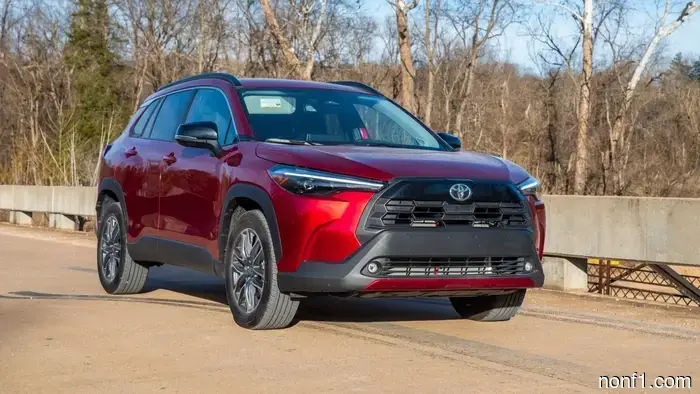 2026 Toyota Corolla Cross Review: It's All About the Base Model, Baby!
The Corolla Cross is a good vehicle for around $25,000. However, at $35,000? Not so much...
2026 Toyota Corolla Cross Review: It's All About the Base Model, Baby!
The Corolla Cross is a good vehicle for around $25,000. However, at $35,000? Not so much...
 Paul Williams on the features of the track in Suzuka…
The chief engineer of the Williams racing team on the key technical factors that can influence the course of the weekend...
Paul Williams on the features of the track in Suzuka…
The chief engineer of the Williams racing team on the key technical factors that can influence the course of the weekend...
In Formula 1, they are ready to change the regulations for qualifying.
The publication The Race reports that the Formula 1 management plans to make changes to the regulations to restore the former spectacle of qualifying.