
Japanese Grand Prix: Stage Preview
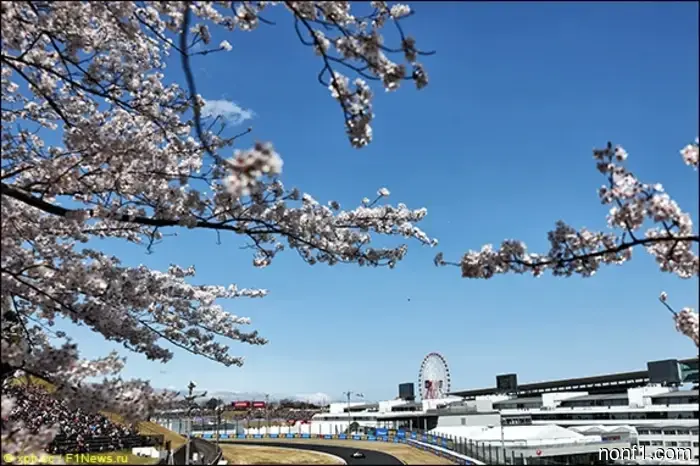
With the move to spring, the Japanese Grand Prix has lost some of its appeal. This stage should be at the end of the season, playing the role of one of the decisive races, when its unpredictability becomes part of the intrigue. The Japanese Grand Prix will take place earlier than ever – on March 29. It is already warm in Suzuka, the cherry blossoms are blooming, and the likelihood of precipitation and cloudy days is much lower now than in October, when the stage was previously held, which will reduce the risk of session delays and add color to the television picture.
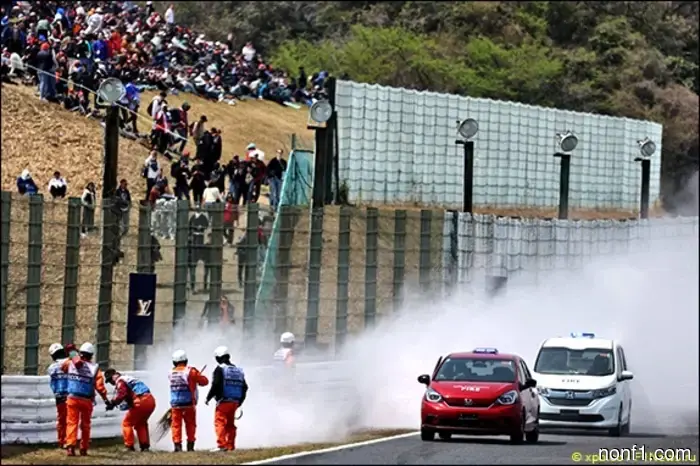
Last year, an unexpected problem arose due to the timing of the event – the ignition of old dry grass on the sidelines due to sparks from the titanium plates on the underside touching the asphalt. On Friday, practice sessions were stopped twice with red flags, the grass was mowed and watered, but on Saturday, practice had to be stopped twice again. Before qualifying, the grass was watered, but it caught fire again. The FIA proposed to replace the titanium plates with steel ones – as they produce sparks at a lower temperature, tests were conducted, but no significant effect was achieved, and the problem did not recur at other tracks – we will see how it goes now.
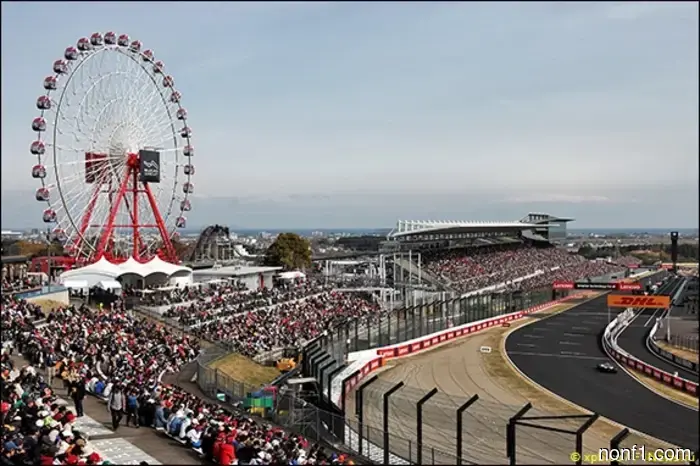
After the Japanese stage was moved to spring in 2024, it no longer determines the fate of the championship title. Ayrton Senna won all three of his titles in Suzuka, while Michael Schumacher and Mika Hakkinen won two each. Champions in Japan have included James Hunt (1976), Nelson Piquet (1987), Alain Prost (1989), Damon Hill (1996), Sebastian Vettel (2011), and Max Verstappen (2022). The race in Suzuka has named a new Formula 1 champion 14 times in history. Now it is the third stage on the calendar, where teams are trying to adapt to new cars – for this, the Japanese test track, built by John Hugenholtz for testing Honda road cars, is perfectly suited. The narrow, barrier-surrounded old-school track includes all possible types of turns, requiring composure and precision from the drivers. Any mistake can lead to a crash and a session stoppage, which happens particularly often during practice.
The Suzuka stage this year was the third in a series of five races at the beginning of the season, but after the cancellation of the stages in Bahrain and Jeddah, this series will end prematurely. Due to the military conflict in the Middle East, Formula 1 received an unexpected month-long break at the beginning of the season – the organizers simply had no other choice. As Formula 1 becomes more global, it becomes increasingly difficult to maintain a record calendar. After Suzuka, teams will have a free April and will continue the fight only in May, at the overseas North American stages in Miami and Montreal, before Formula 1 returns to Europe in June, where it will remain until mid-September.
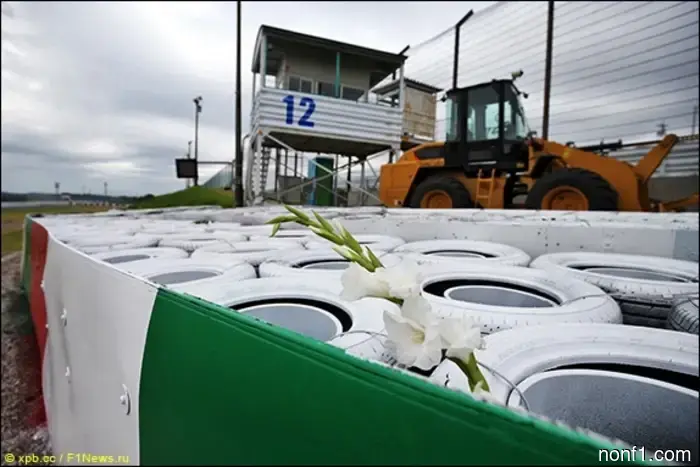
Just as the Imola track is forever linked to the death of Ayrton Senna, and flowers are laid at the site of Antoine Hubert's fatal accident in Spa, the race in Suzuka is associated with the death of Jules Bianchi in 2014. A few months before that tragedy, two weeks before his 25th birthday, Jules told F1News.ru in an interview: "I am here in Formula 1, and I want to build a successful career. I want to prove that I am worth something, and I hope to spend many more years in the championship. But no one can predict the future..." Jules found eternal peace at the Nice cemetery, and a street was named in his honor in the city. He was just a driver. Since then, Formula 1 has used a virtual safety car mode to control speed when yellow flags appear on the track. At the seventh turn of Suzuka, there is a stationary crane for car evacuation instead of a movable one, which was the one that Bianchi's car crashed into. At that time, the FIA introduced a rule that the start of the Grand Prix must be given no less than four hours before sunset or twilight, to ensure good visibility during the race. Since 2015, the start time of the race in Suzuka has been moved forward by one hour and is set for 14:00 local time.
Other articles
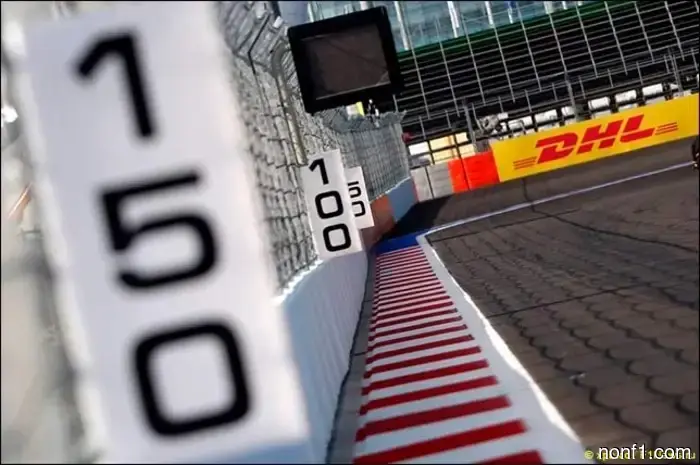 Japanese Grand Prix: Round Numbers
Possible anniversary achievements in the upcoming Grand Prix...
Japanese Grand Prix: Round Numbers
Possible anniversary achievements in the upcoming Grand Prix...
 Berman: I understand that I am unlikely to remain fifth.
Having earned points in the first two races, Oliver Berman is in fifth place in the individual standings and is pleased with how the season has started…
Berman: I understand that I am unlikely to remain fifth.
Having earned points in the first two races, Oliver Berman is in fifth place in the individual standings and is pleased with how the season has started…
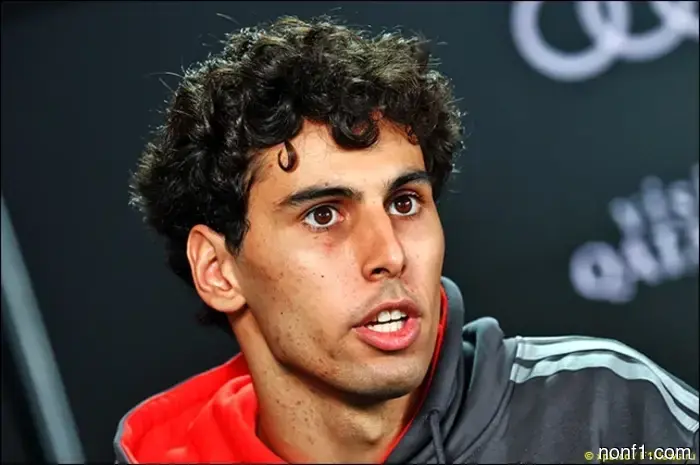 Gabriel Bortoleto: Whitley's departure was not unexpected
On Thursday in Suzuka, Audi driver Gabriel Bortoleto admitted that Jonathan Wheatley's departure as team principal was not unexpected for him...
Gabriel Bortoleto: Whitley's departure was not unexpected
On Thursday in Suzuka, Audi driver Gabriel Bortoleto admitted that Jonathan Wheatley's departure as team principal was not unexpected for him...
 Protect Your Interior and Get 30% Off Indestructible 3W Liners
Enjoy a 30% discount today on liners that come with a lifetime guarantee.
Protect Your Interior and Get 30% Off Indestructible 3W Liners
Enjoy a 30% discount today on liners that come with a lifetime guarantee.
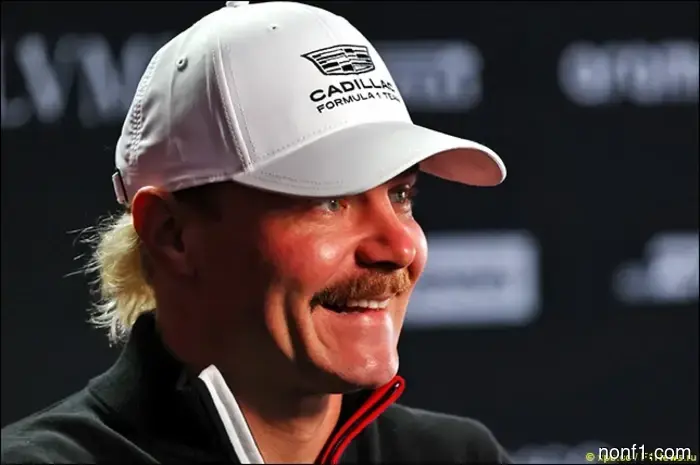 Bottas: We are progressing with each session.
The Cadillac team has yet to score points in their debut season, but Finnish veteran Valtteri Bottas believes that everything is going according to plan…
Bottas: We are progressing with each session.
The Cadillac team has yet to score points in their debut season, but Finnish veteran Valtteri Bottas believes that everything is going according to plan…
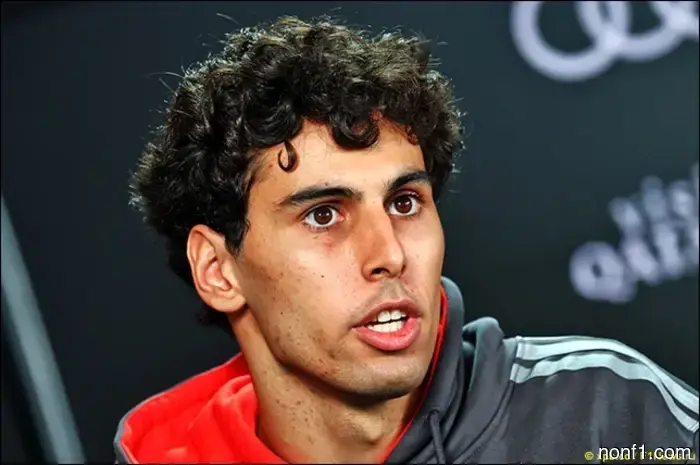 Gabriel Bortoleto: Whitley's departure was not unexpected.
On Thursday in Suzuka, Audi driver Gabriel Bortoleto admitted that Jonathan Wheatley's departure as team principal was not unexpected for him...
Gabriel Bortoleto: Whitley's departure was not unexpected.
On Thursday in Suzuka, Audi driver Gabriel Bortoleto admitted that Jonathan Wheatley's departure as team principal was not unexpected for him...
Japanese Grand Prix: Stage Preview
The legendary Suzuka is one of the best old-school tracks...