
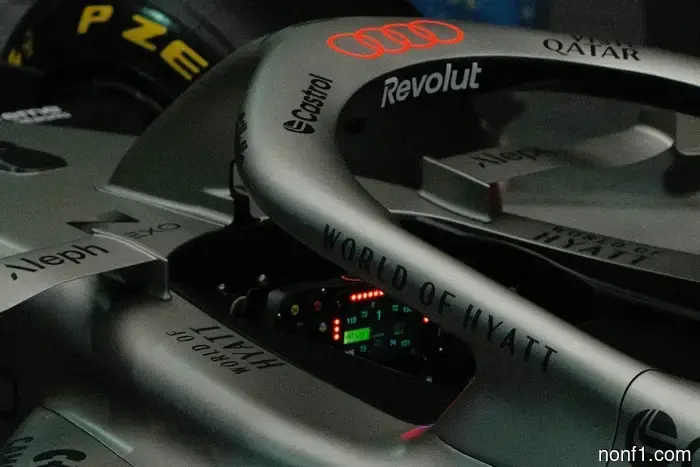
The Emergence of Sprint Weekends: A Fresh Dynamic
Formula 1 has traditionally embraced the philosophy of "measure twice, cut once." For many years, the cadence of a Grand Prix weekend was predictable, characterized by methodical practice sessions and a strategic approach to the main event on Sunday. However, the implementation of the Sprint format has dramatically altered this, akin to tossing a chessboard into a wind tunnel.
It's now not solely about having the fastest vehicle; it’s also about the ability to adapt swiftly when the security of practice sessions is eliminated.
The impact of this shift is palpable for the drivers. During a standard weekend, they enjoy three full hours of practice to establish their rhythm. Conversely, in a Sprint weekend, they are limited to just sixty minutes. That’s all they have—one hour to fine-tune aerodynamics and become accustomed to braking zones before engaging in a "shootout" that determines the starting grid. It’s a precarious situation where a single mistake or unexpected gust of wind can spoil not just a lap, but the entire weekend’s progress.
This lack of a "safety net" has significantly altered how we perceive the sport. On a typical Saturday, viewers witness a display of technical precision. On a Sprint Saturday, it transforms into a chaotic scramble.
The reduced race distance on Saturdays eliminates the need for "tire whispering" and fuel conservation strategies that can make the middle sections of a Grand Prix feel like a parade. Instead, it becomes a straightforward sprint for points. Drivers who usually prefer a more calculated approach must adopt a more aggressive stance, while midfield teams find a rare opportunity to take risks they might avoid on Sundays.
This increased unpredictability has dramatically reshaped fan interaction. The 2026 season has seen Formula 1 move from viewing betting as a minor aspect to establishing it as a formal fan product. With the introduction of Betway as the sport’s first official betting operator, real-time telemetry has been integrated into its F1 betting platform. This enables fans to partake in the intense "scramble" of a Sprint weekend by placing wagers on race strategies—from the timing of a 'Manual Override' boost to the erratic changes triggered by an aerodynamic issue.
Nonetheless, the rapid pace doesn’t sit well with everyone. Purists often claim that the Sprint takes away from the "Grand" aspect of the Grand Prix, arguing that by Sunday, much is already revealed about the best race pace. There’s also a valid concern regarding "expensive carbon fiber"—a crash during a Saturday Sprint can require mechanics to stay up all night to ensure a legal car is ready for Sunday, and sometimes forces teams to start from the pit lane, effectively concluding their weekend before the main event begins.
Beyond its immediate effects on drivers and the pit wall, the move toward Sprint weekends signifies a significant evolution in the "product" of Formula 1. For years, Fridays were reserved for dedicated fans to watch cars circulate in relative quiet. Now, every day of the weekend has a clear "winner" and "loser." This relentless competition has transitioned F1 from a technical pursuit into a high-stakes narrative, akin to the intensity of playoff games in other major sports.
The rise of the Sprint mirrors a contemporary desire for immediate stakes. It has transformed Formula 1 from a three-day marathon into a series of interconnected sprints. While discussions about the sport's "soul" will likely persist, it is undeniable that the dynamics have changed. We are witnessing more overtakes and dramatic "hero-to-zero" moments than ever before. In a sport that once relied on factory decisions made months in advance, the Sprint has re-empowered the driver, placing both power and pressure firmly back in their hands.
Other articles
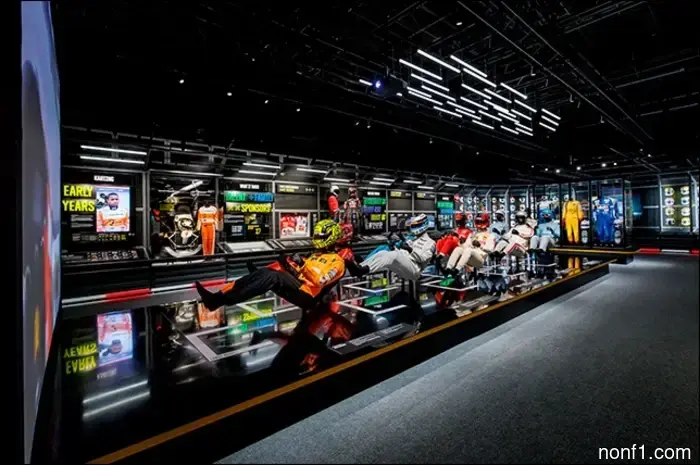 The Formula 1 exhibition will take place in Munich.
The official Formula 1 exhibition is once again changing its exhibition location...
The Formula 1 exhibition will take place in Munich.
The official Formula 1 exhibition is once again changing its exhibition location...
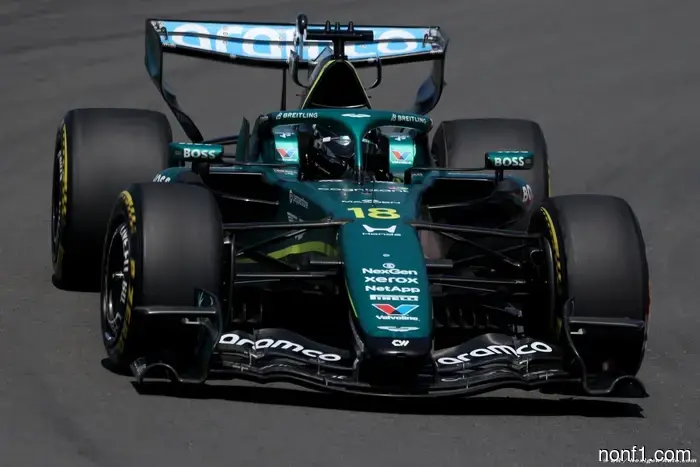 Stroll criticizes Aston car while Honda remains cautious for Suzuka.
Formula 1 | Lance Stroll has been seen expressing his annoyance regarding Aston Martin's struggling 2026 car as the team gets ready for Honda's home race in Japan. (…)
Stroll criticizes Aston car while Honda remains cautious for Suzuka.
Formula 1 | Lance Stroll has been seen expressing his annoyance regarding Aston Martin's struggling 2026 car as the team gets ready for Honda's home race in Japan. (…)
 Graham Loudon: Someone else's experience won't help us
Graham Loudon, head of Cadillac F1, spoke about the challenges that the new team has to tackle in the early stages of its debut season...
Graham Loudon: Someone else's experience won't help us
Graham Loudon, head of Cadillac F1, spoke about the challenges that the new team has to tackle in the early stages of its debut season...
 Ferrari rejected Antonelli when he was young, according to his father.
Formula 1 | Kimi Antonelli's father has disclosed how Ferrari overlooked the opportunity to secure Italy's emerging Formula 1 talent long before his rise to prominence. Amid (…)
Ferrari rejected Antonelli when he was young, according to his father.
Formula 1 | Kimi Antonelli's father has disclosed how Ferrari overlooked the opportunity to secure Italy's emerging Formula 1 talent long before his rise to prominence. Amid (…)
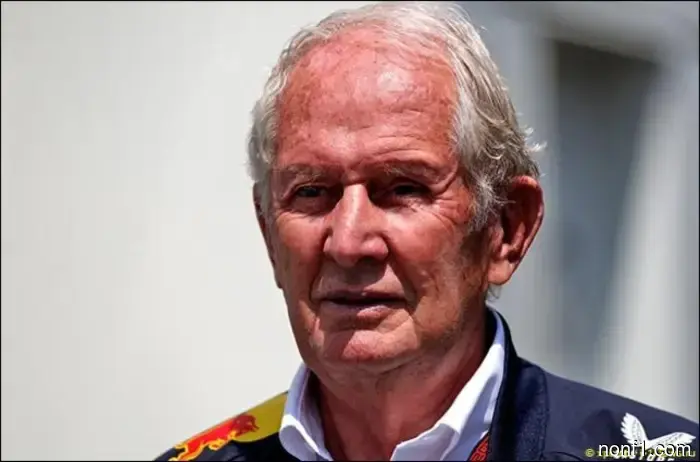 Marko: Red Bull knows how to come back from a deficit.
Helmut Marko on the new rules, Adrian Newey's problems, and Max Verstappen's chances...
Marko: Red Bull knows how to come back from a deficit.
Helmut Marko on the new rules, Adrian Newey's problems, and Max Verstappen's chances...
 Ferrari rejected Antonelli when he was younger, according to his father.
Formula 1 | The father of Kimi Antonelli has disclosed how Ferrari passed up the opportunity to sign Italy's emerging Formula 1 talent long before his rise to prominence. Amid (…)
Ferrari rejected Antonelli when he was younger, according to his father.
Formula 1 | The father of Kimi Antonelli has disclosed how Ferrari passed up the opportunity to sign Italy's emerging Formula 1 talent long before his rise to prominence. Amid (…)
The Emergence of Sprint Weekends: A Fresh Dynamic
Formula 1 | Formula 1 has consistently been a sport of planning carefully before taking action. For many years, the flow of a Grand Prix weekend has been regular, akin to the hours of (…)