
Technical innovations presented in Japan
Teams are gradually mastering new machines, and there is no doubt that at their bases in the UK, Italy, and now in the USA (in the case of Cadillac F1), intensive work is underway to modernize the technology based on information gathered during tests and the first two stages of the season. However, it is unlikely that anyone has managed to create something fundamentally new in the period between the races in Australia and Japan, and the improvements that seven of the eleven teams presented today in Suzuka were, at best, prepared after the tests. Most of this was created in a planned manner, as the pace of modernization in 2026 promises to be extremely high.
Red Bull Racing
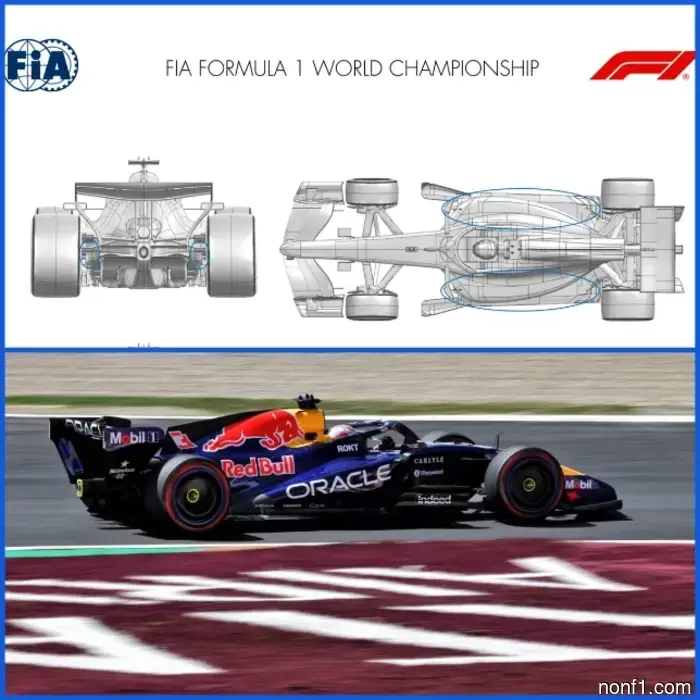
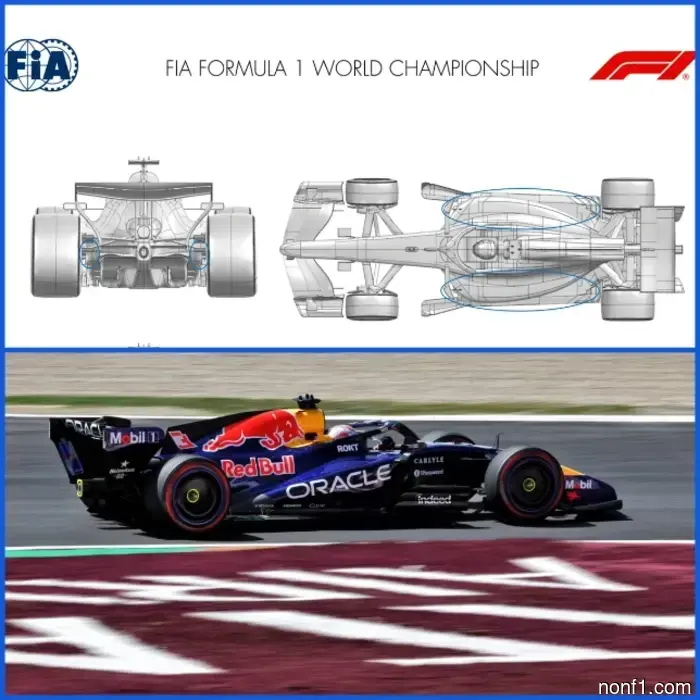
Red Bull Racing has the most extensive list of innovations, with four items. It starts with the intake opening of the side pontoon air ducts, which has taken on a slightly different shape, leading to changes in the chassis and floor. According to the explanations provided by the team, with this shape of the opening, the pressure of the oncoming airflow that is "swallowed" by the air duct increases, thus performing its function more effectively. In connection with this change, the profile of the surfaces of the body components of the RB22 adjacent to the side pontoons has been adjusted, primarily referring to the engine cover. These measures contribute to more effective cooling of the car, and at the same time improve the quality of the airflow directed to the floor. In this context, the upper surface of the floor has also undergone some changes, and only regarding the updates related to the rear of the car, or rather, to its "rear corner," as this area is called in motorsport, it is specified that they are related to the characteristics of the Japanese track in Suzuka. There, the geometry of the brake ducts has been revised considering the high braking energy at this racetrack; however, the team emphasized that the changes are quite minor and primarily related to the characteristics of the materials from which the components of the braking system used on this track are made.
Ferrari
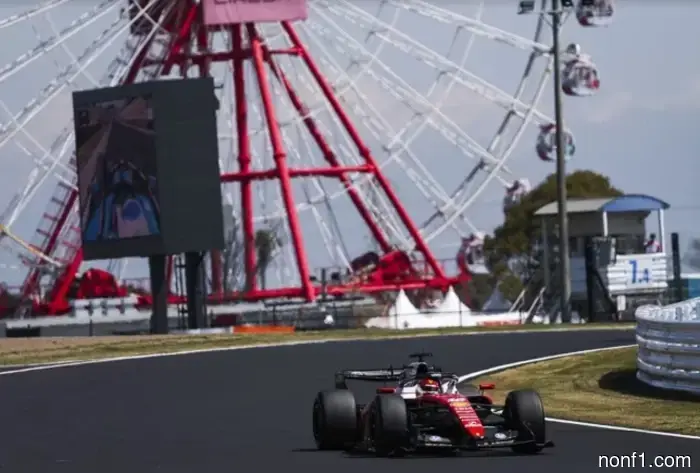
On the cars of Charles Leclerc and Lewis Hamilton, smaller front brake ducts have been installed; as the team explains, this is done in accordance with the intensity of the loads on the brakes in Suzuka. Some modifications have also affected the front part of the SF-26 floor, but this is not related to the characteristics of the Japanese track, but is generally aimed at improving the quality of the airflow and increasing the efficiency of the floor.
Williams
The team that will have to make significant changes to the chassis design is Williams, whose car suffers from excessive weight, and the FW-48 clearly lacks efficiency. According to the team, the "structure of the front suspension" has been changed on the car, which is done for optimization and allows for improved flow parameters directed to the car's floor.
Aston Martin F1
Aston Martin is another team that needs to achieve improvements, and judging by the fact that there are three items on its list of innovations, this work is in full swing. The third element of the front wing has become narrower and shorter, and accordingly, the geometry of the end plates has also been adjusted. All this allows for optimal distribution of aerodynamic load across the edges of the wing. In addition, the geometry of the front edge of the floor and the elements installed on it has been revised to increase the efficiency of this crucial area of the aerodynamic package.
Haas F1
According to the American team, the design of the movable aerodynamic element drive system of the front wing on the VF-26 has been simplified. In particular, the elements of this system have been reduced in size, thus reducing obstacles in the airflow directed to the rear of the car, and improving the parameters of this flow.
Alpine F1
On the A526, the design of the deflectors installed at the front of the car, which affect the quality of the airflow, has been changed. The geometry of the movable element on the rear wing has been adjusted, allowing for increased efficiency of the wing both in cornering and in straight-line sections of the track. The profile of the lower part of the end plates of the rear wing has also changed, which allows for "improving the influence on the flow at the rear of the car while simultaneously increasing the aerodynamic load."
Cadillac F1
The new American team has taken measures to improve the efficiency of the diffuser by changing the geometry of its partitions. In addition, the profile of the rear edge of the diffuser has been altered to optimize its overall performance.
Other articles
 Technical innovations presented in Japan
Today in Suzuki, seven out of eleven teams presented various technical updates...
Technical innovations presented in Japan
Today in Suzuki, seven out of eleven teams presented various technical updates...
 Stella: We hope the Japanese weekend goes well.
McLaren's affairs at the beginning of the season are not going well, and at the press conference in Suzuka, the head of the championship team tried to explain what this is related to...
Stella: We hope the Japanese weekend goes well.
McLaren's affairs at the beginning of the season are not going well, and at the press conference in Suzuka, the head of the championship team tried to explain what this is related to...
 Leclerc: The pace is decent, but the gap is still quite large.
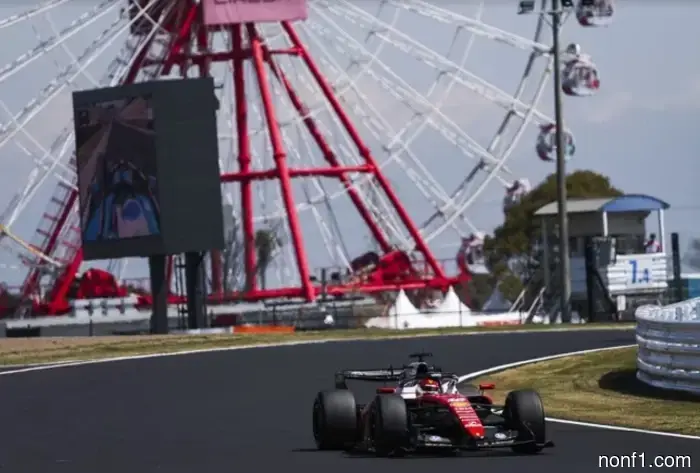
Ferrari reported that both practice sessions in Suzuka went smoothly, the team gathered a large amount of information in the process of preparing for qualifying and the race, but work needs to continue...
Leclerc: The pace is decent, but the gap is still quite large.
Ferrari reported that both practice sessions in Suzuka went smoothly, the team gathered a large amount of information in the process of preparing for qualifying and the race, but work needs to continue...
 Antonelli: Qualification can play a key role
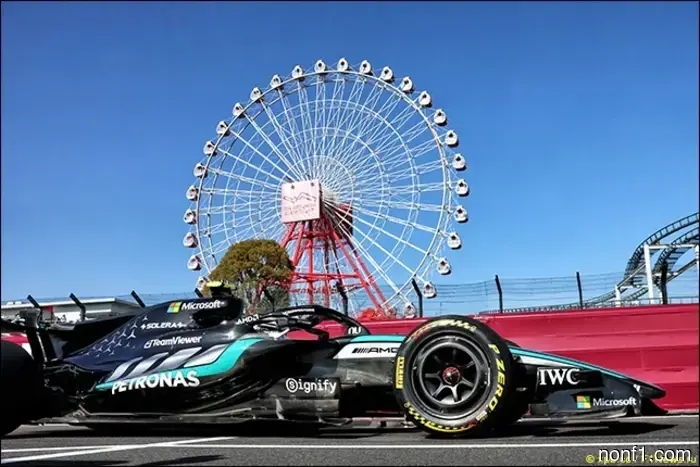
In the second Friday practice, the Mercedes drivers unexpectedly lost to Oscar Piastri from McLaren, but they are confident that the balance of power will return to normal on Saturday...
Antonelli: Qualification can play a key role
In the second Friday practice, the Mercedes drivers unexpectedly lost to Oscar Piastri from McLaren, but they are confident that the balance of power will return to normal on Saturday...
 Leclerc: The pace is decent, but the gap is still quite large.
Ferrari reported that both practice sessions in Suzuka went smoothly, the team gathered a large amount of information in the process of preparing for qualifying and the race, but work needs to continue...
Leclerc: The pace is decent, but the gap is still quite large.
Ferrari reported that both practice sessions in Suzuka went smoothly, the team gathered a large amount of information in the process of preparing for qualifying and the race, but work needs to continue...
Technical innovations presented in Japan
Today in Suzuki, seven teams out of eleven presented various technical updates...