

EPA Instructs Diesel Engine Manufacturers to Eliminate One of the Least Reliable Emissions Parts
Caleb Jacobs
The latest updates and reviews on cars, without any nonsense
Our daily newsletter is free and delivers the most important stories straight to your inbox every weekday.
The U.S. Environmental Protection Agency (EPA) has shifted its stance on diesel emissions regulations. Once rigorous in enforcement, imposing fines on engine manufacturers and aftermarket companies, the agency is now pursuing a path of deregulation under Administrator Lee Zeldin. The EPA has already requested manufacturers to eliminate the immediate reduction in power when diesel exhaust fluid (DEF) becomes low, and now it is strongly urging companies to eliminate one of the more troublesome components of modern emissions systems.
In a letter dated March 26, the EPA stated that urea quality sensors exhibit “among the highest failure rates of any SCR (selective catalyst reduction) components.” This information stems from the Engine Manufacturers Association, which recommends investigating alternative methods to detect contaminated or diluted DEF. The EPA supported this advice while emphasizing that such alternatives—like NOx sensors—are entirely legal.
To simplify, urea quality sensors measure the concentration of urea in DEF, which is crucial for reducing NOx emissions in diesel exhaust. DEF typically consists of 32.5% urea and 67.5% deionized water, although lower-quality versions may be more diluted. The mixture can also be compromised by adding water or other fluids to the DEF tank. If a urea quality sensor detects this, the emissions system can drastically limit engine performance.
The issue arises from the frequent failure of urea quality sensors. Manufacturers have reported numerous problems to the EPA through customer warranty claims. When these sensors fail, it can lead to significant operational issues, such as poor engine performance or complete shutdown.
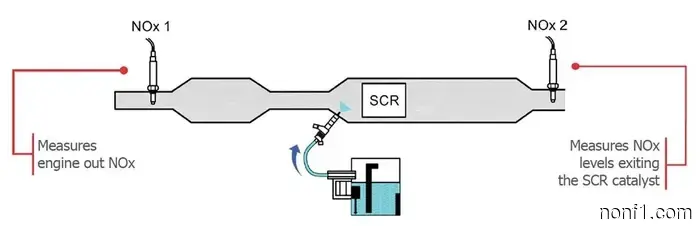
NOx sensors measure nitrogen oxide levels before and after DEF is injected. The EPA advises using this method to assess if the urea concentration is sufficient, assuming that if NOx levels downstream from the SCR are acceptable, the urea concentration is likely adequate.
What the EPA is conveying in this letter is that manufacturers have alternatives to detect suitable urea levels without facing consequences. Furthermore, third parties can remove current urea quality sensors without violating the Clean Air Act, provided they are replaced with effective alternatives. If you are a diesel truck driver or a shop owner, pay close attention to this point. While emissions removal is still illegal, the EPA is clarifying that other solutions can be utilized outside of urea quality sensors, as long as an alternative solution is in place.
It is clear that the EPA is still working through these issues. The agency's Assistant Administrator Aaron Szabo mentions in the letter that neither urea quality sensors nor NOx sensors are flawless in every situation, especially in conditions where DEF may freeze below 16 degrees Fahrenheit. This has led U.S. senators from Alaska and Wyoming to advocate for the removal of certain DEF requirements in colder areas. However, it is crucial to note that, at present, there are no signs that the EPA plans to fully deregulate DEF.
Have a tip or question for the author? Reach out directly: caleb@thedrive.com


EPA Instructs Diesel Engine Manufacturers to Eliminate One of the Least Reliable Emissions Parts
The federal authorities are not eliminating DEF entirely, but this could potentially resolve a significant number of emissions system failures.