
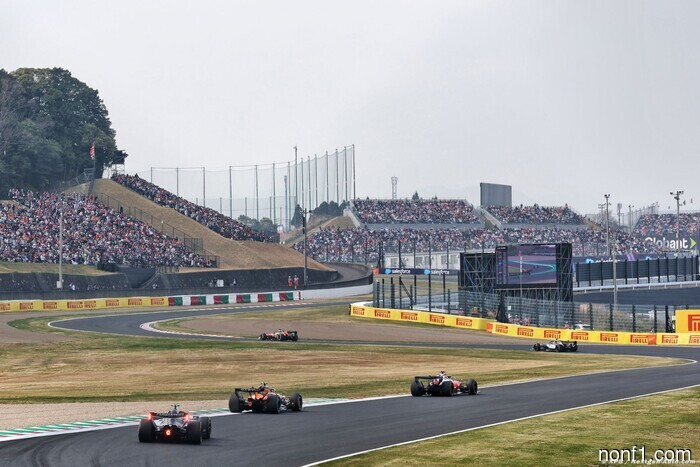
F1 contemplates the future direction for the 2026 regulations as discussions on potential solutions continue.
The alternative is to decrease electric power output.
Formula 1 is working rapidly to determine what – if anything – can be done to amend its controversial regulations for 2026, as the solutions are proving to be as intricate as the issues themselves. In light of growing criticism from drivers, teams, and fans, a significant meeting of technical directors and the FIA is scheduled for April 9, though substantial changes seem unlikely. Formula E chief Jeff Dodds indicates that the central issue stems from the core concept. “They can increase the electric power, but – according to pure physics – the more they increase the power, the slower the car becomes,” he explained to Soy Motor.
This leaves two primary technical alternatives, both of which have their challenges. In line with Auto Motor und Sport, enhancing the combustion engine with increased fuel flow would restore a more conventional balance and lessen the requirement for energy conservation. However, such a change would demand extensive modifications to engines, cooling systems, and fuel tanks, which involve long development times. Experts believe there’s “no chance” of implementing such a change during the current season.
The other option is to reduce electric power output – from 350 kW to 250 kW, for instance – which would simplify energy management and reduce the troublesome "clipping" phases. Nonetheless, this would result in slower overall car speeds and could push lap times closer to those of Formula 2, a less appealing outcome from a marketing perspective. Consequently, some discussions are concentrating not on addressing the core problem, but on easing its impacts.
“We are working on light signals, for instance, so that the driver behind can better grasp what’s happening in front,” said Racing Bulls CEO Peter Bayer, referring to improved warning systems for sudden speed changes. The focus on safety is becoming increasingly prominent, particularly following the Oliver Bearman crash, which was associated with extreme speed differentials.
“Ultimately, you feel helpless,” expressed former driver Patrick Friesacher on Servus TV. “If you’re reliant solely on the combustion engine and suddenly lose 470 hp from the electric motor, the difference is as drastic as if you were standing still.” Max Verstappen even suggested that “safety” could become a key factor for change. “When it’s about safety, it’s easy to address,” he noted. “You can use safety as a reason for many things. So perhaps we should start using the term ‘safety’ more frequently.”
Simultaneously, the leading teams are already leveraging loopholes in the intricate regulations. Auto Motor und Sport reports that Mercedes and Red Bull tested an assertive energy deployment strategy during qualifying—utilizing the full electric power for a longer duration before suddenly cutting it off. This leads to a 60-second lockout of the MGU-K system, causing abrupt power loss and unpredictable track behavior. The FIA is now closely monitoring the situation, concerned that this system, while technically legal, was “not intended” and may pose safety risks. Ferrari has already raised internal concerns, viewing this development as another instance of teams pushing the boundaries of the regulations.
For Formula E’s Dodds, the larger trajectory of F1 is still linked to manufacturer priorities. “The regulations are designed to support the direction manufacturers are taking, as they want car brands to participate and are moving toward electric vehicles,” he remarked. “However, pursuing this direction involves compromise.” He further noted that there had even been support within the FIA for simpler engines. “In fact, I believe the FIA staff were among the strongest proponents for a return to V8 engines, but they didn’t receive the backing they were hoping for from the manufacturers.”
Despite the criticism, Dodds emphasized the need for patience. “I understand how complex it is to manage a global motorsport category and how challenging it can be to satisfy the fans,” he stated. “But I think it’s premature to make changes. If you’re running a motorsport category, you have to listen to what all the fans are saying. That said, it’s still early in the process.
Some have been particularly negative even before the first race and hadn’t witnessed any events, so let’s wait and see what unfolds; let’s give them some time.”
Other articles
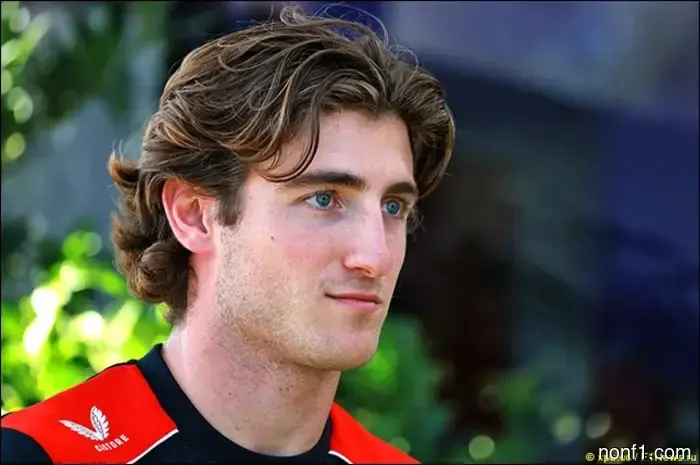 Jack Duen found a way to continue his career.
An Australian will join the European Le Mans Series, where he will compete for the Nielsen Racing team in the LMP2 class.
Jack Duen found a way to continue his career.
An Australian will join the European Le Mans Series, where he will compete for the Nielsen Racing team in the LMP2 class.
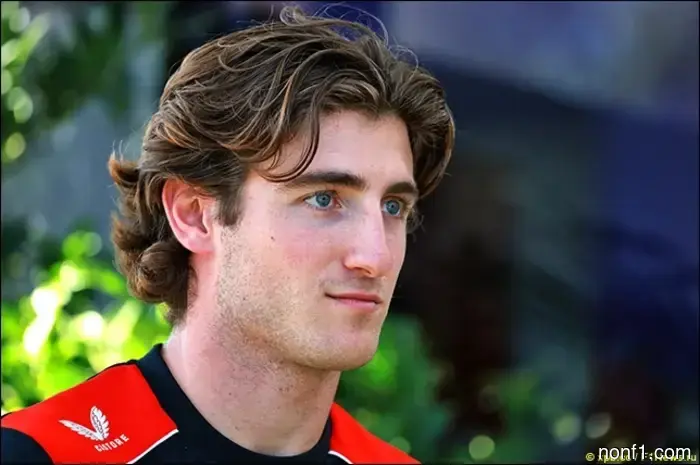 Jack Duen found a way to continue his career.
An Australian will join the European Le Mans Series, where he will compete for the Nielsen Racing team in the LMP2 class.
Jack Duen found a way to continue his career.
An Australian will join the European Le Mans Series, where he will compete for the Nielsen Racing team in the LMP2 class.
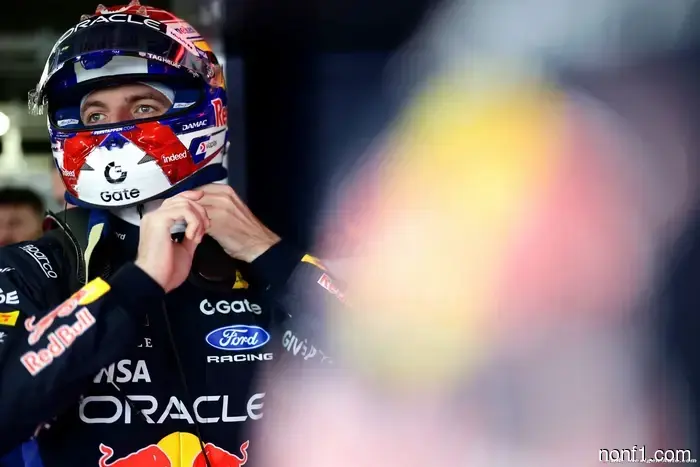 Verstappen advised to 'set aside ego' in light of F1 frustrations.
Formula 1 | Ralf Schumacher has cautioned Max Verstappen to temper his criticism of the sport's new era, advising the Dutch driver to concentrate more on his team instead of (…)
Verstappen advised to 'set aside ego' in light of F1 frustrations.
Formula 1 | Ralf Schumacher has cautioned Max Verstappen to temper his criticism of the sport's new era, advising the Dutch driver to concentrate more on his team instead of (…)
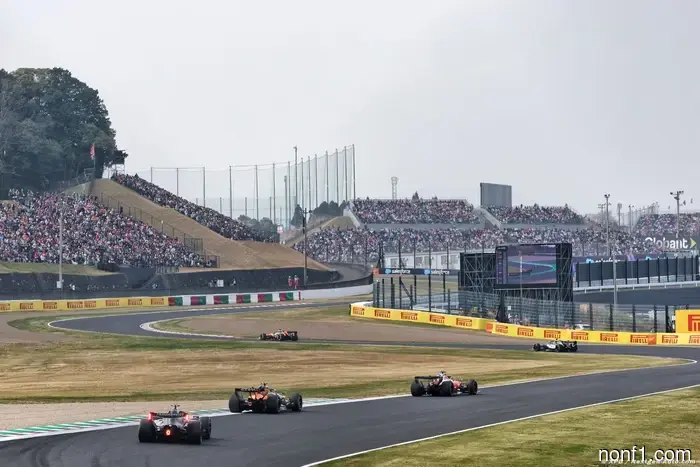 F1 struggles with the 'what's next' for the 2026 regulations as solutions are discussed.
Formula 1 is working hard to determine what, if anything, can be done to address its contentious 2026 regulations, as proposed solutions have been…
F1 struggles with the 'what's next' for the 2026 regulations as solutions are discussed.
Formula 1 is working hard to determine what, if anything, can be done to address its contentious 2026 regulations, as proposed solutions have been…
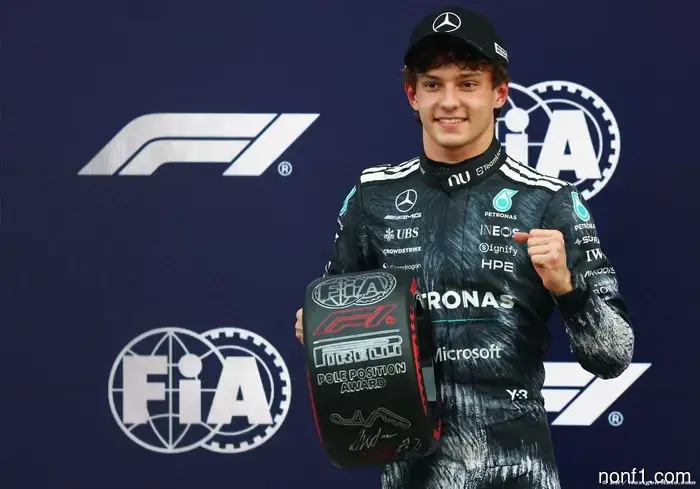 Wolff discusses that it's 'too early' for Antonelli's title talk.
Formula 1 | Toto Wolff has requested that the media dial down the increasing championship excitement surrounding Kimi Antonelli, despite the young prodigy making an early (…)
Wolff discusses that it's 'too early' for Antonelli's title talk.
Formula 1 | Toto Wolff has requested that the media dial down the increasing championship excitement surrounding Kimi Antonelli, despite the young prodigy making an early (…)
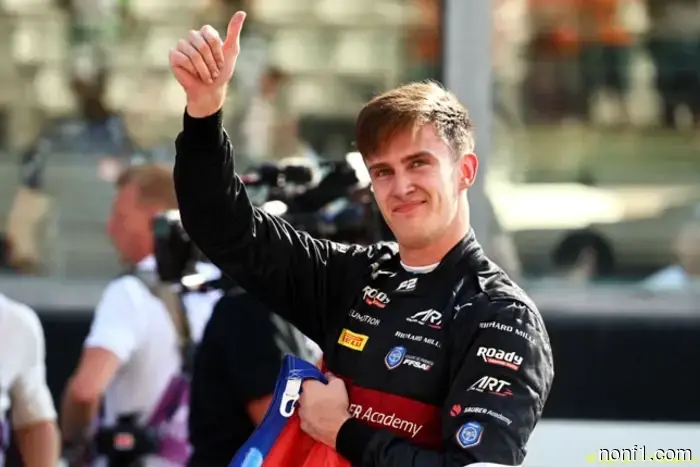 Theo Purser hopes to find a place in Formula E.
2023 Formula 2 champion Theo Pourchaire stated that he hopes to secure a seat in Formula E.
Theo Purser hopes to find a place in Formula E.
2023 Formula 2 champion Theo Pourchaire stated that he hopes to secure a seat in Formula E.
F1 contemplates the future direction for the 2026 regulations as discussions on potential solutions continue.
Formula 1 is working urgently to determine what, if anything, can be done to address its contentious 2026 regulations, with proposed solutions showing to be as (…)