
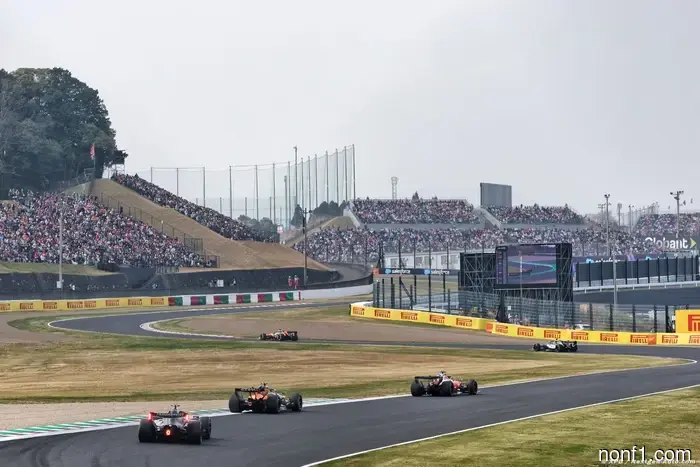
F1 struggles with the 'what's next' for the 2026 regulations as solutions are discussed.
The alternative involves decreasing the output of electric power.
Formula 1 is making efforts to determine what can be done, if anything, to address its contentious 2026 regulations, with potential solutions emerging as complicated as the issues themselves. With increasing criticism from drivers, teams, and fans, a significant meeting of technical directors and the FIA is scheduled for April 9, though substantial changes appear unlikely. Formula E chief Jeff Dodds indicates that the main problem lies in the basic concept. "They can increase the electric power, but due to pure physics, increasing the power actually causes the car to become slower," he stated to Soy Motor.
This situation leaves two primary technical options, both of which present challenges. As reported by Auto Motor und Sport, enhancing the combustion engine through greater fuel flow could restore a more traditional balance and lessen energy-saving demands. However, such a change would necessitate significant hardware modifications across engines, cooling systems, and fuel tanks, requiring lengthy development timelines. Experts believe there is "no chance" that such alterations could be implemented during the current season.
Another option is to lower electric power output, for instance, from 350 kW to 250 kW, which would simplify energy management and reduce the troublesome "clipping" periods. However, this would ultimately slow the cars down overall and risk bringing lap times closer to those of Formula 2, which isn't appealing from a marketing perspective. Consequently, some discussions are now focused on alleviating the consequences rather than addressing the core issue.
"We are developing light signals, for instance, to help the driver behind understand better what’s happening ahead," said Racing Bulls CEO Peter Bayer, in reference to enhancing warning systems for sudden speed changes. The safety aspect is gaining more emphasis, particularly following the Oliver Bearman crash, which was connected to extreme speed differences.
"Ultimately, you feel powerless," commented former driver Patrick Friesacher on Servus TV. "If you only rely on the combustion engine and suddenly lose 470 hp from the electric motor, it feels as significant as if you were at a standstill." Max Verstappen even suggested that "safety" could serve as a catalyst for change. "When safety is the central theme, solutions come easier," he remarked. "You can leverage safety for many things, so perhaps we should begin using the term 'safety' more frequently."
Simultaneously, the leading teams are taking advantage of gaps in the intricate regulations. Auto Motor und Sport reported that Mercedes and Red Bull have tested an aggressive energy deployment strategy in qualifying—utilizing full electric power longer before cutting it off suddenly. This results in a 60-second lockout of the MGU-K system, causing a sudden loss of power and unpredictable on-track behavior. The FIA is closely monitoring the situation, expressing concerns that, while technically legal, the approach was "not intended" and could present safety risks. Ferrari has already raised internal concerns, seeing this development as another instance of teams pushing regulatory boundaries.
For Dodds, the broader trajectory of F1 remains aligned with manufacturer interests. "The regulations are crafted to support the direction in which car brands are moving, as they want manufacturers to engage and are transitioning toward electric vehicles," he stated. "Nonetheless, this direction entails a compromise." He also noted that there had been support within the FIA for simpler engines. "I believe the FIA staff were among the strongest proponents for a return to V8 engines, but they did not receive the desired backing from manufacturers."
Despite the backlash, Dodds called for patience. "I understand how challenging it is to manage a motorsport category on a global scale and how difficult it is to satisfy the fans," he remarked. "However, I think it’s premature to react. When running a motorsport category, you must consider the fans' opinions, but it's still early to discuss changes. Some were particularly critical even before the first race without having seen any action, so let’s observe how things unfold and allow them some time."
Other articles
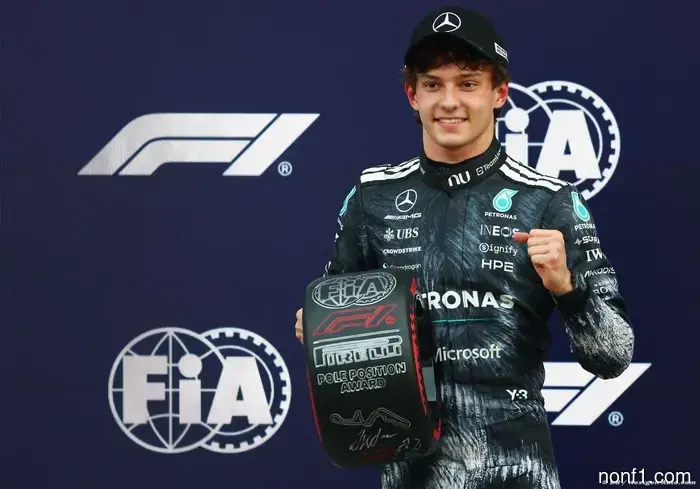 Wolff's comments regarding Antonelli suggest that it is 'too early' to bring him up.
Formula 1 | Toto Wolff has requested the media to temper the increasing championship excitement surrounding Kimi Antonelli, even though the teenage prodigy has emerged as an early (…)
Wolff's comments regarding Antonelli suggest that it is 'too early' to bring him up.
Formula 1 | Toto Wolff has requested the media to temper the increasing championship excitement surrounding Kimi Antonelli, even though the teenage prodigy has emerged as an early (…)
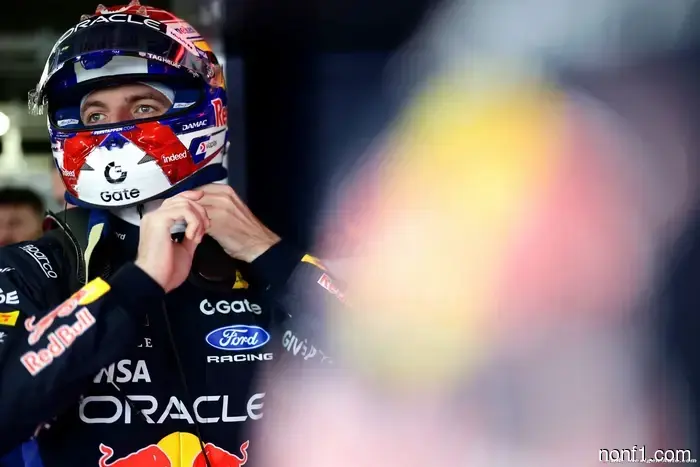 Verstappen advised to 'set ego aside' due to F1 frustrations.
Formula 1 | Ralf Schumacher has advised Max Verstappen to temper his criticism of the sport's new era, cautioning the Dutch driver to concentrate on his team instead of (…)
Verstappen advised to 'set ego aside' due to F1 frustrations.
Formula 1 | Ralf Schumacher has advised Max Verstappen to temper his criticism of the sport's new era, cautioning the Dutch driver to concentrate on his team instead of (…)
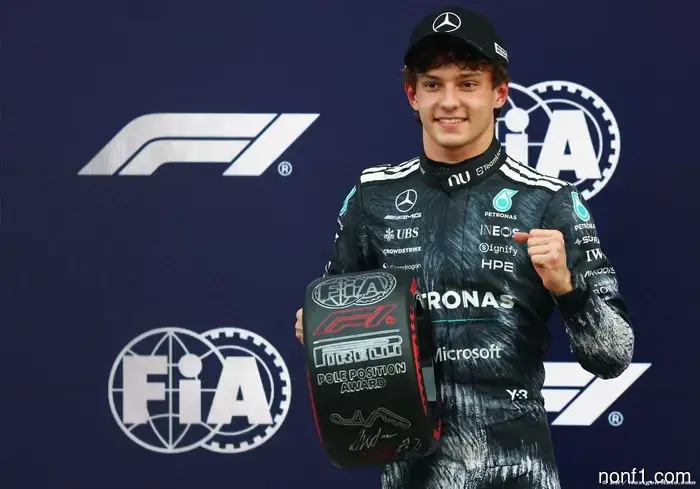 Wolff discusses that it's 'too early' for Antonelli's title talk.
Formula 1 | Toto Wolff has requested that the media dial down the increasing championship excitement surrounding Kimi Antonelli, despite the young prodigy making an early (…)
Wolff discusses that it's 'too early' for Antonelli's title talk.
Formula 1 | Toto Wolff has requested that the media dial down the increasing championship excitement surrounding Kimi Antonelli, despite the young prodigy making an early (…)
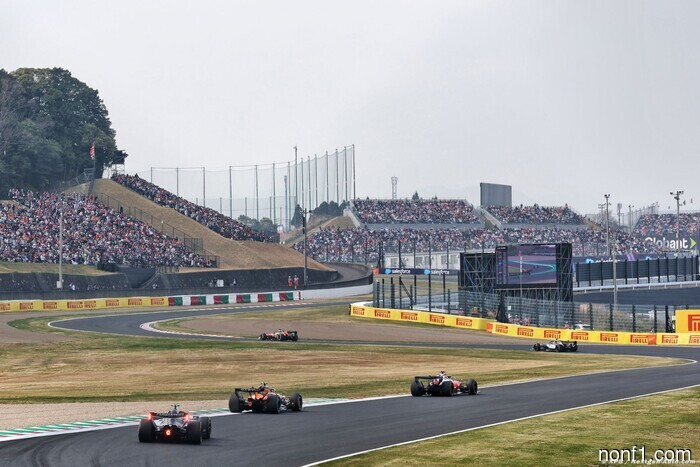 F1 contemplates the future direction for the 2026 regulations as discussions on potential solutions continue.
Formula 1 is working urgently to determine what, if anything, can be done to address its contentious 2026 regulations, with proposed solutions showing to be as (…)
F1 contemplates the future direction for the 2026 regulations as discussions on potential solutions continue.
Formula 1 is working urgently to determine what, if anything, can be done to address its contentious 2026 regulations, with proposed solutions showing to be as (…)
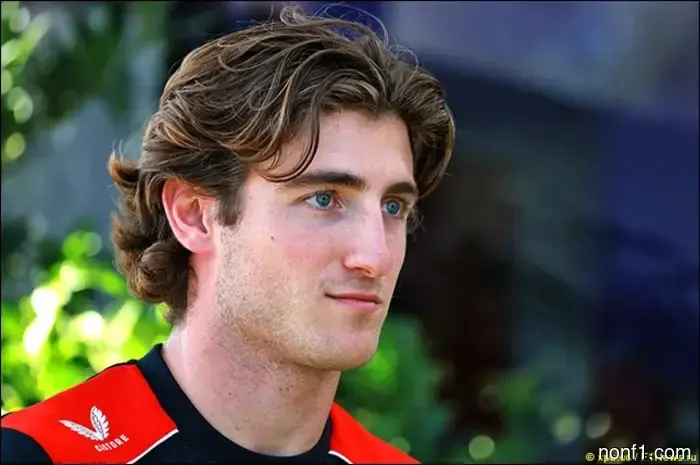 Jack Duen found a way to continue his career.
An Australian will join the European Le Mans Series, where he will compete for the Nielsen Racing team in the LMP2 class.
Jack Duen found a way to continue his career.
An Australian will join the European Le Mans Series, where he will compete for the Nielsen Racing team in the LMP2 class.
 Jack Duen found a way to continue his career.
An Australian will join the European Le Mans Series, where he will compete for the Nielsen Racing team in the LMP2 class.
Jack Duen found a way to continue his career.
An Australian will join the European Le Mans Series, where he will compete for the Nielsen Racing team in the LMP2 class.
F1 struggles with the 'what's next' for the 2026 regulations as solutions are discussed.
Formula 1 is working hard to determine what, if anything, can be done to address its contentious 2026 regulations, as proposed solutions have been…