
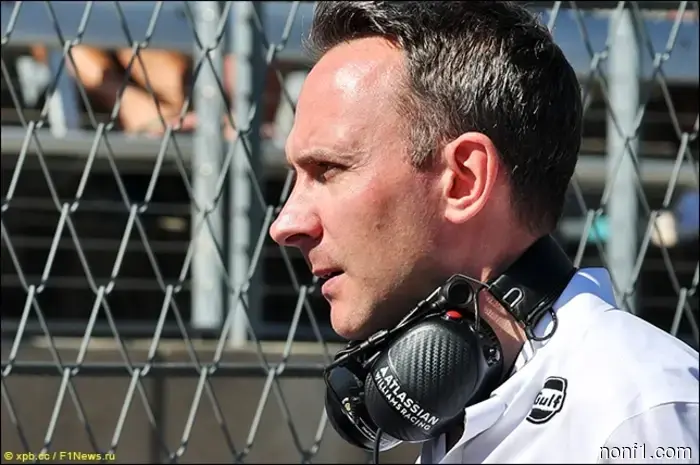
Paul Williams on the features of the track in Miami…
Before the Miami Grand Prix, Paul Williams, the chief engineer of the Williams racing team, spoke about the key technical factors that could influence the weekend's events...
Question: What are the main technical challenges of the Miami track?
Paul Williams: In Miami, we have the second of six weekends with a Saturday sprint this year. The key difference is that the single practice session on Friday will be extended by 30 minutes, giving engineers and drivers more time to gather data.
When setting up the car, the balance between high-speed and slow sections is important. The configuration requires a compromise: the fast corners at the beginning and end of the lap contrast with the slow and technical middle sector that connects two long straights.
Since the track is temporary and located around a stadium, the condition of the asphalt will change with each session, which is also important to consider.
The hot weather in Florida will be another challenge for the cars and drivers. High asphalt temperatures exceeding 50°C lead to significant overheating of the rear tires, especially in the slow middle sector and during accelerations. Monitoring tire condition over the lap will be a key factor for success.
Question: How will the transition to the 2026 regulations affect the weekend's events?
Paul Williams: This year, the key factor is energy distribution; drivers are specifically working on this in the simulator. In Miami, this is even more important since there is only one practice session.
On the other hand, the track's features, with multiple opportunities for energy recovery before the long energy-intensive straights, somewhat simplify the task of energy management compared to previous races.
Recent changes in the regulations, adopted before the event, should also ease the task, but overall the challenges will remain the same – preparing the tires for a fast lap, optimizing energy use and recovery, and developing a race strategy.
In Miami, there are three Straight Mode zones – on the start-finish straight, in the section between turns 8 and 11, and on the back straight. In case of rain, the second zone will be deactivated, and teams will be able to raise the front suspension height in the closed park conditions.
Question: What challenges may arise in working with tires?
Paul Williams: Choosing the softest compounds and the high track temperature leads to overheating of the tire's upper layer, especially in the second sector. In the first sector, in the 6-7-8 corner sequence, the front tires wear out and slide significantly.
The long back straight will complicate tire preparation in qualifying – they may cool down too much before the start of the lap, especially if you find yourself in traffic.
Additionally, the track has dark asphalt – during the day it heats up quickly and then cools down just as fast, which can lead to significant changes in balance throughout the session.
Question: What strategic considerations should be taken into account before the race?
Paul Williams: In Miami, overtaking is quite simple; the result depends more on race pace than on qualifying.
The race is expected to be run with one pit stop using Hard and Medium tires, although all three compounds are quite effective over the distance. Some may even try an alternative strategy – starting on Soft and switching to Medium.
There is a high likelihood of a virtual safety car being deployed at this track, which could benefit those who have not yet pitted or force drivers to make an additional pit stop. A slight increase in tire wear could lead to a two-stop strategy.
Other articles
Paul Williams on the features of the track in Miami…
Paul Williams spoke about the technical factors that could influence the course of the weekend...