
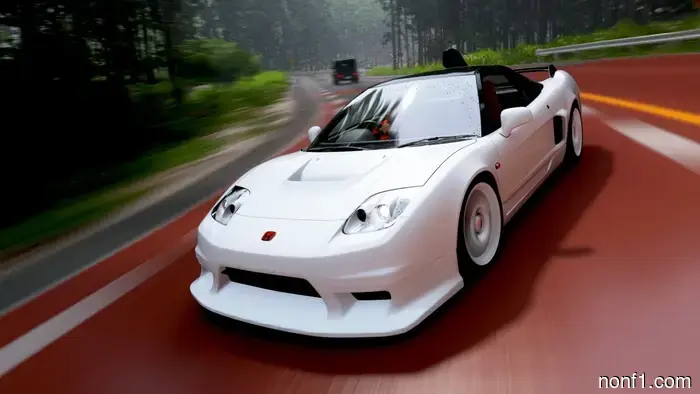
Forza Horizon 6 Review: An Exquisite, Recognizable Journey
The latest car news and reviews, straightforward and honest.
Our free daily newsletter delivers the most important stories directly to you every weekday.
Everyone needs a break. If you're into cars and video games, your go-to escape might be the automotive playground of Forza Horizon. It’s hard to believe that it’s been nearly fifteen years since a newly formed group of experienced racing game developers at Playground Games combined the physics of the Forza Motorsport series with an open-world concept. Back then, it was a bold experiment; realistic driving simulations were reserved for actual motorsport on racetracks and closed circuits. What’s the use of a sim on regular roads?
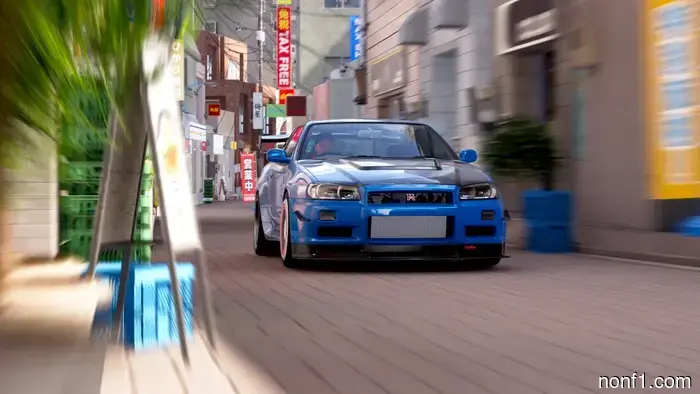
Playground quickly addressed that issue, transforming Horizon from a peculiar spinoff to arguably the largest racing game featuring licensed vehicles enjoyed by the general public. The successful mix of exploration, car culture, and a handling system rooted in reality without being too harsh has resonated with audiences. Players continue to join in, whether from Xbox Game Pass, Steam, or PlayStation. Playground just needs to change the venue, and this time, it’s Japan.
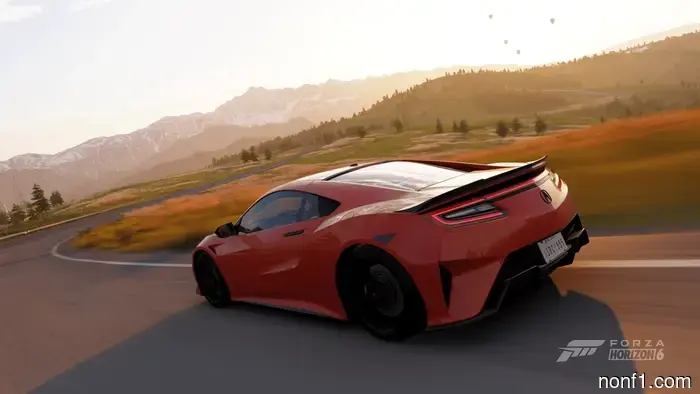
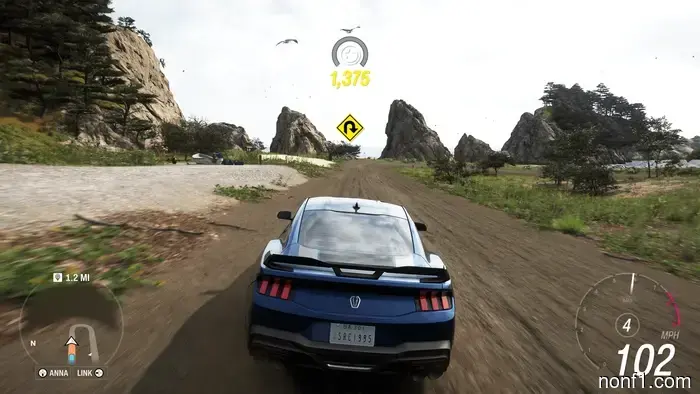
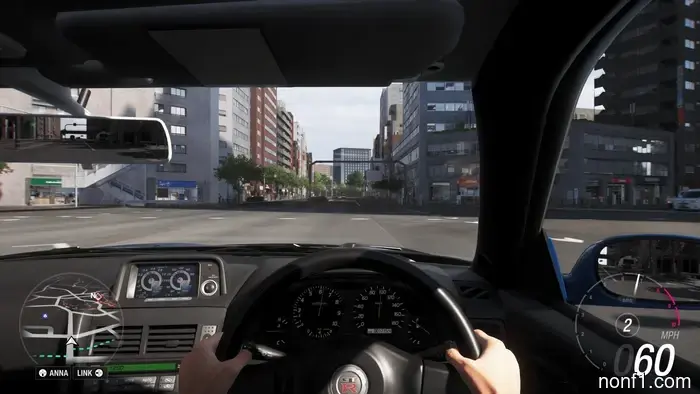
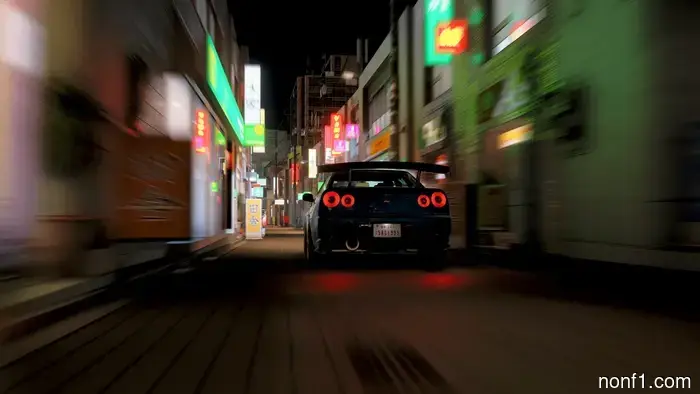
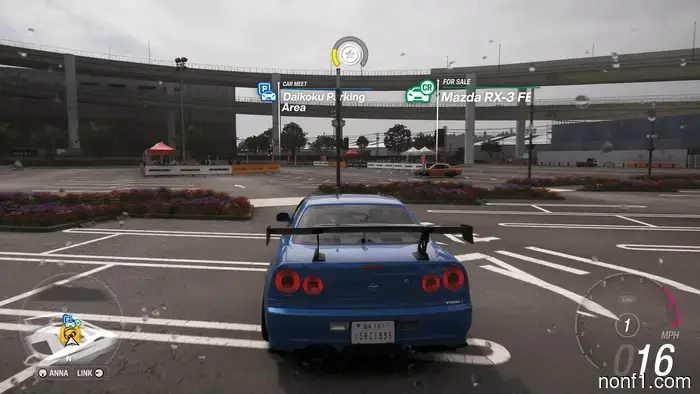
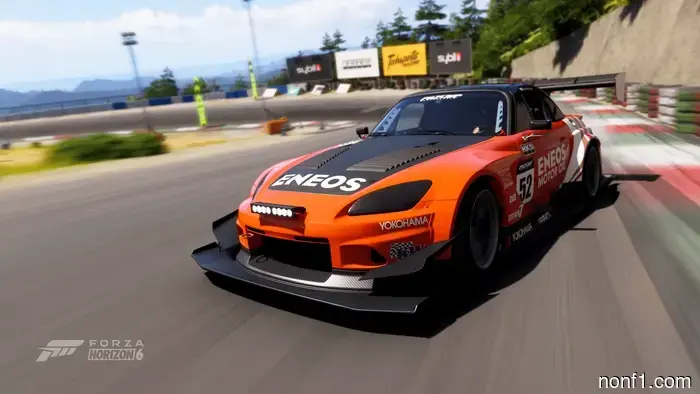
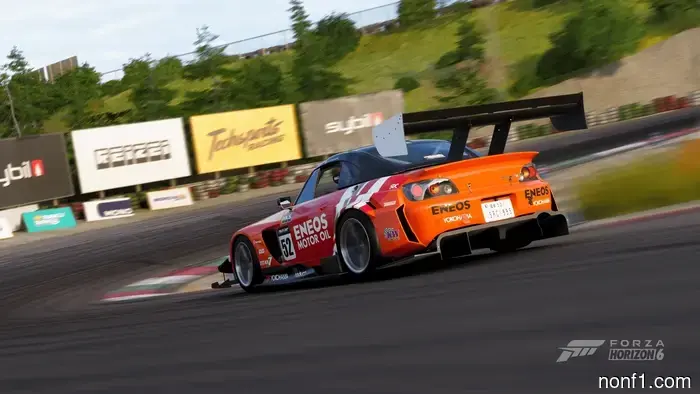
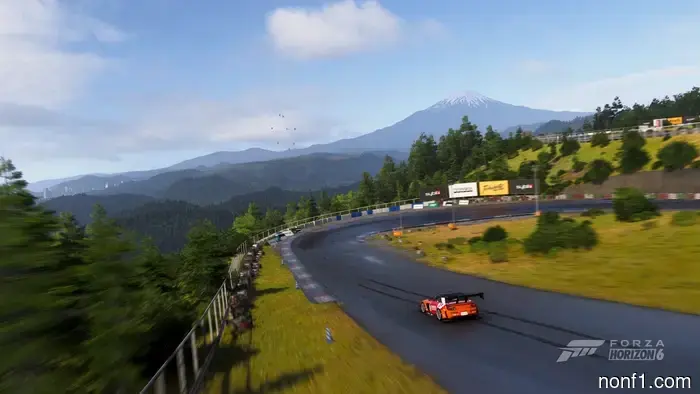
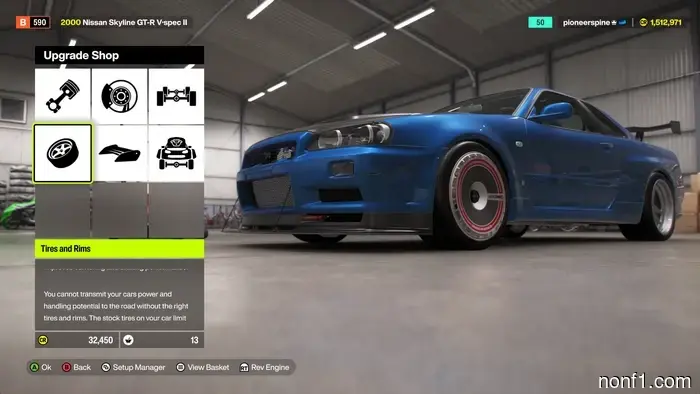
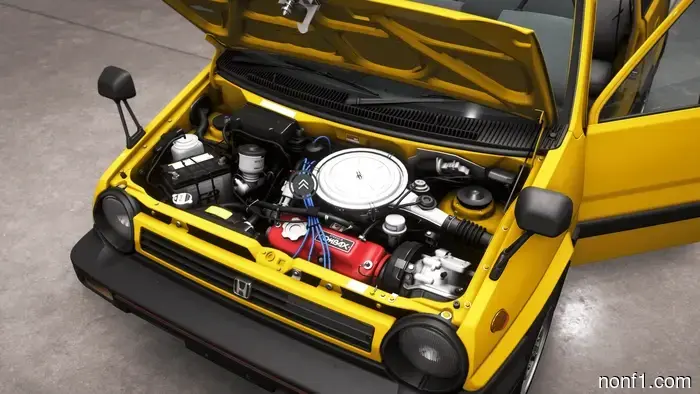
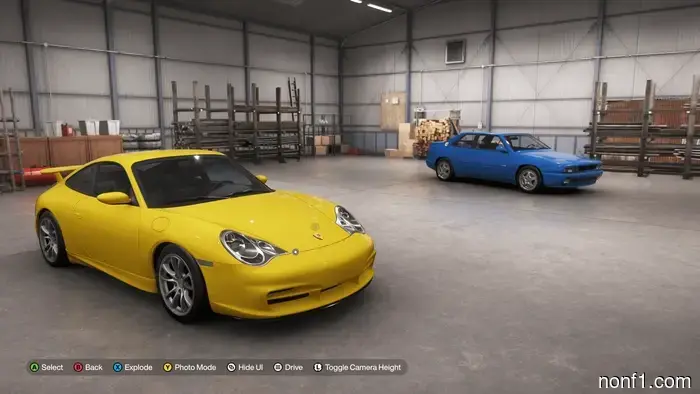
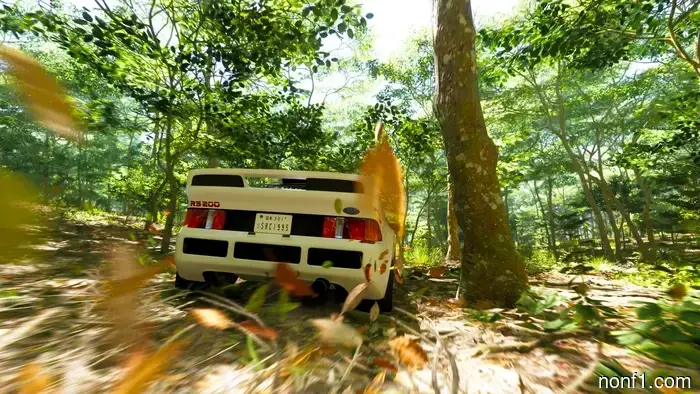
This installment features Horizon's largest and most intricate map yet, boasting a city five times greater than the previous game’s. It also debuts with 550 cars, many familiar from the expansive Forza franchise library, alongside a few new arrivals.
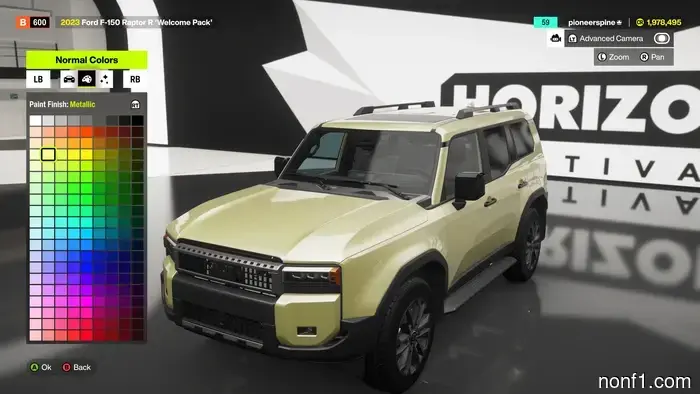
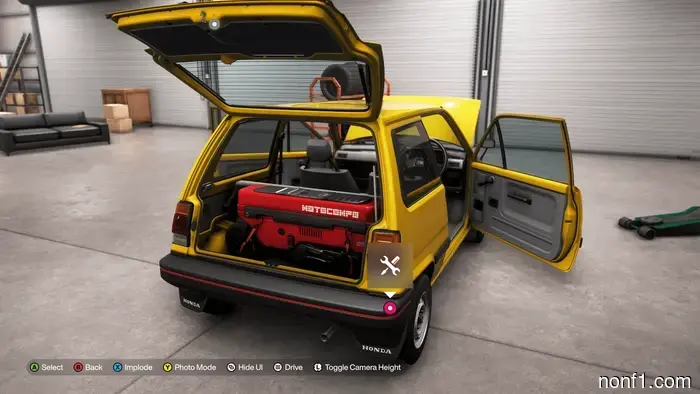
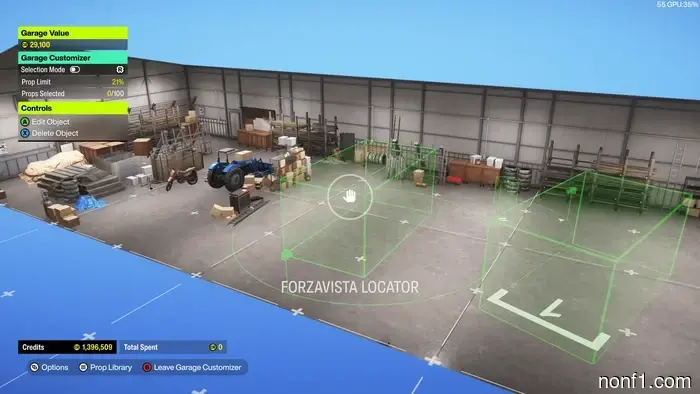
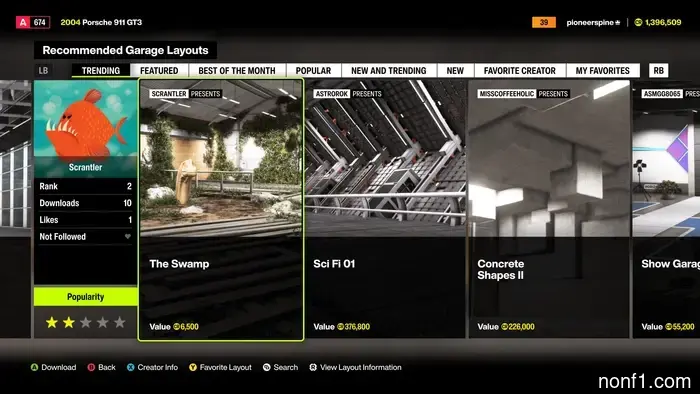
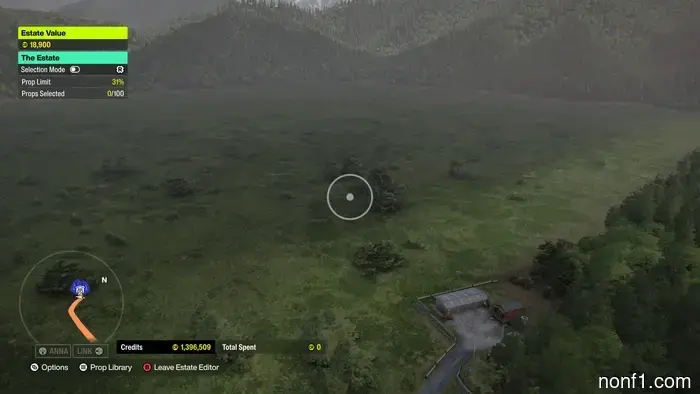
There are some minor quality-of-life improvements along with a fresh way for the most imaginative players to claim their space in this world. Fans of previous Horizon festivals in Australia, the UK, and Mexico might have expected this. If you wandered through those environments and thought, “What could they do next?” the answer FH6 provides isn’t particularly exhilarating. Nevertheless, history shows that a little shift in scenery is enough to bring everyone back to the gathering.
An Abundance of Activities and Rewards
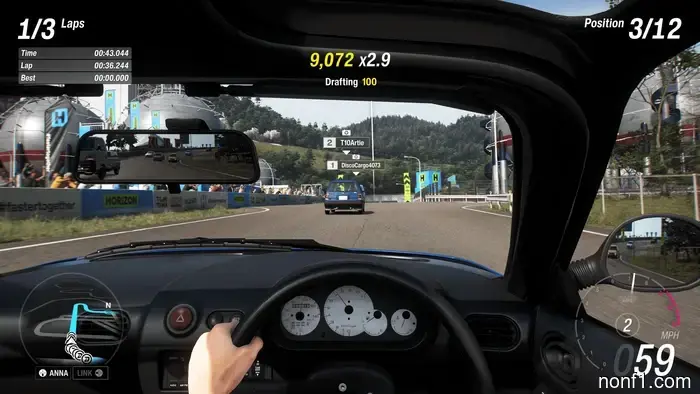
In Forza Horizon 6, you start as a newcomer who must qualify for the music and motorsport festival before progressing through events by earning wristbands. These wristbands grant access to races where you'll drive increasingly powerful vehicles. This marks a significant change from the last few titles that allowed players to select any vehicle for any race, with the AI presenting competitive rides. While “unsanctioned” street and touge races still operate that way, main campaign events in FH6 will have you starting with lower-power cars—including kei cars—before gaining access to a Chiron.
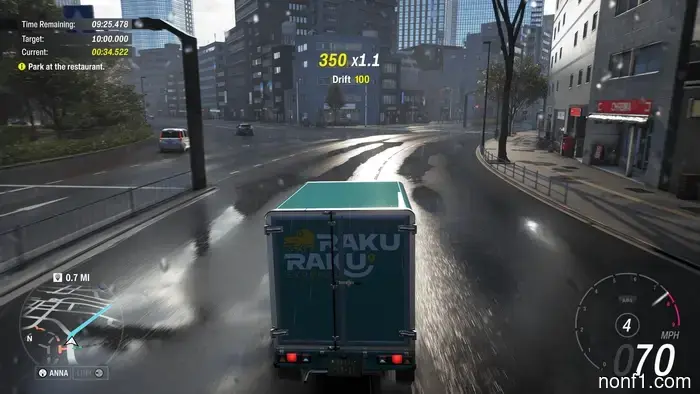
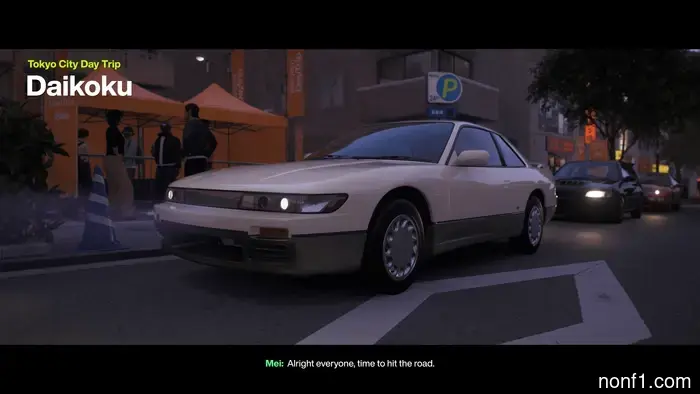
However, given that this is Horizon, there are plenty of other ways to keep busy between races. You can take on a part-time job as a food delivery driver, join a drifting club, go on a guided tour of Japan with fellow tourists, or even help identify great photo opportunities with the renowned Larry Chen. For collectors, FH6 offers a plethora of tasks that could keep you engaged for potentially a lifetime. There are countless progress bars and checklists linked to road exploration, vehicle photography, and, in traditional Horizon style, smashing XP boards and mascots.
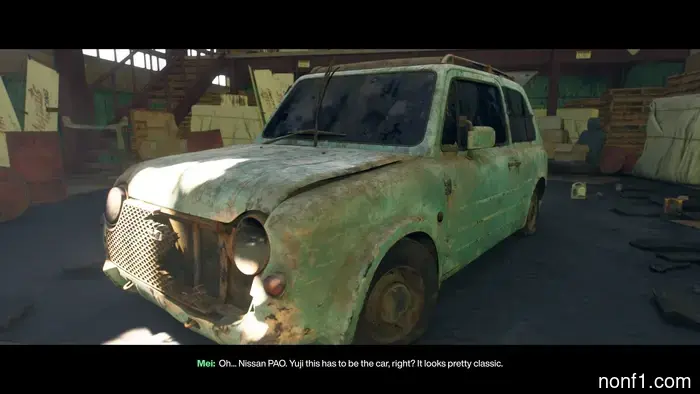
Once again, you can uncover barn finds, along with Treasure Cars that are more commonplace vehicles seemingly abandoned, with only a postcard to assist you in tracking them down. Barn Finds are among my favorite contributions Horizon has made to open-world racing games, and similar to FH5, you can also leave a gift for other players once you uncover a barn find, which is a lovely touch.
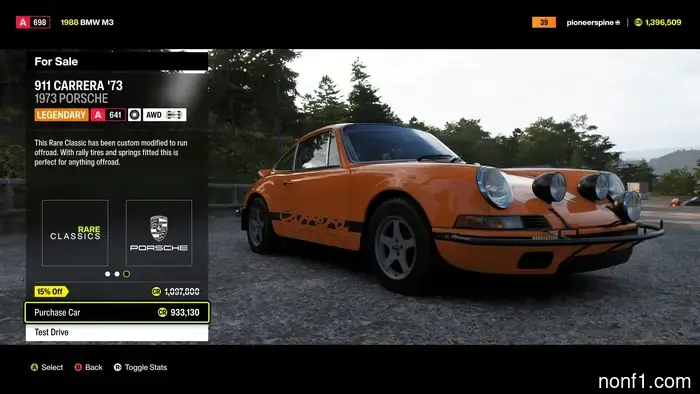
There are now Aftermarket Cars, which are used cars available for reduced prices found throughout the map, either stock or heavily modified. New vehicles rotate into these spots as you advance through the game, and they’re a joy to find.
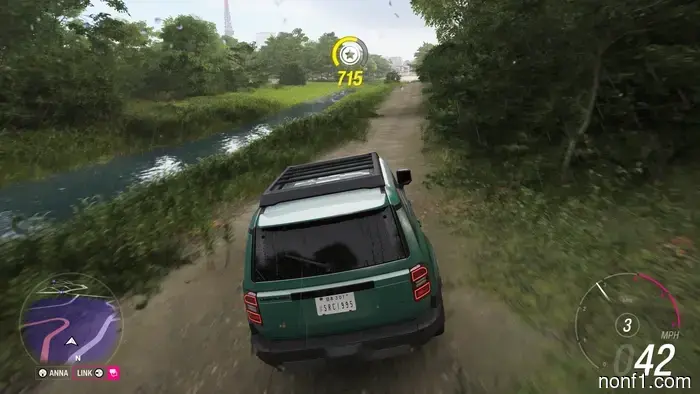
However, don’t think that the more structured campaign progression has made FH6 grindy. At the beginning of the game, you can select one of three cars (a Toyota Celica, Nissan Silvia, or K5 GMC Jimmy), but it hardly matters which you choose, as all three will end up in your garage. A few events in, you’ll be gifted another trio of vehicles, and nearly every milestone completion results in cash bonuses, prize cars, or wheelspins—a prize roulette.
You’ll acquire cars faster than you can handle, collect “stamps” for achieving—what seems to be—nothing significant, and tick off events toward the next wristband without needing to win them or even finish in the top three. This is nothing new for the series, and players who want to jump onto their couch and drive straight into a GR GT will appreciate this streamlined approach.
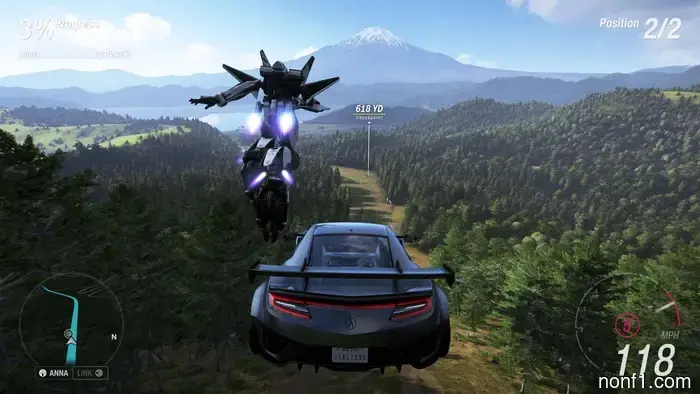
But this also leads to a lack of connection with the vehicles in your garage that you didn’t specifically request but are taking up space. The reduced level of challenge also makes notable moments—like racing against an actual mecha in Japan—lose their impact. While it’s impressive to see a giant Gundam leap over you and boost through a tunnel, if it slows to a leisurely jog 500 feet before the finish line to let you win, any admiration for earlier thrills quickly fades into insignificance.
Another World


Other articles
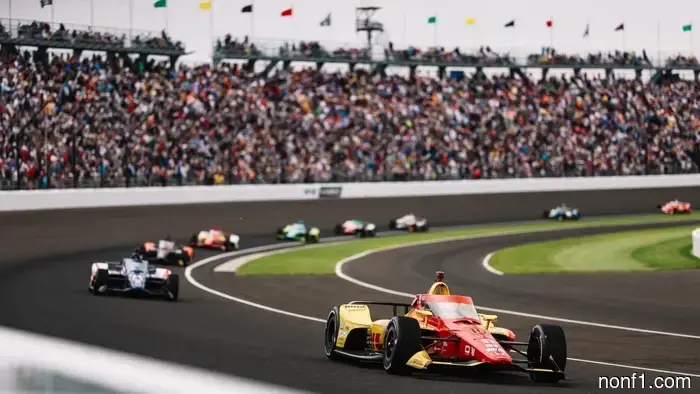 The Indy 500 Has Sold Out Once More
For the second consecutive year, all tickets for the 110th edition of the Indy 500 have sold out before race day. The good news is that the local TV blackout has been removed.
The Indy 500 Has Sold Out Once More
For the second consecutive year, all tickets for the 110th edition of the Indy 500 have sold out before race day. The good news is that the local TV blackout has been removed.
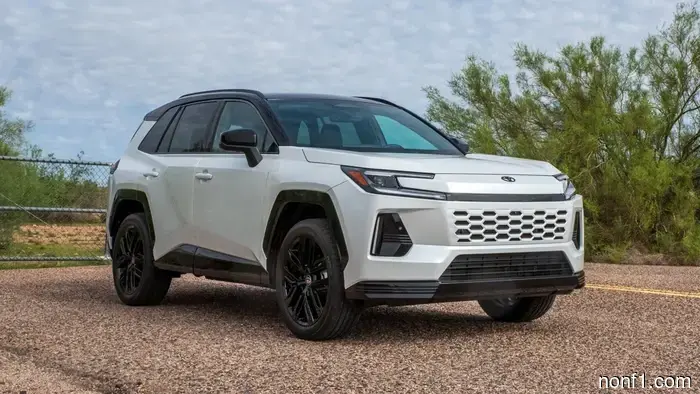 Reported Toyota Service Bulletin Cautions About Potential Motor Oil Shortage
The unstable petroleum market is currently affecting more than just fuel, as it may also become more difficult to obtain lubricants for your car.
Reported Toyota Service Bulletin Cautions About Potential Motor Oil Shortage
The unstable petroleum market is currently affecting more than just fuel, as it may also become more difficult to obtain lubricants for your car.
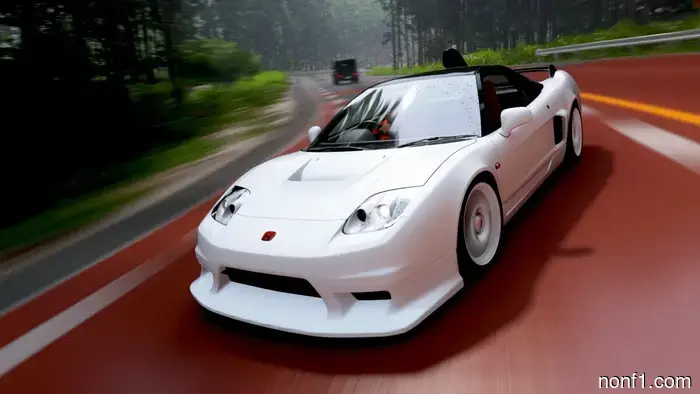 Forza Horizon 6 Review: An Attractive, Recognizable Journey
Japan delivers the most diverse map in Forza Horizon to date, offering numerous opportunities for enjoyment, yet it is not entirely free from a sense of déjà vu.
Forza Horizon 6 Review: An Attractive, Recognizable Journey
Japan delivers the most diverse map in Forza Horizon to date, offering numerous opportunities for enjoyment, yet it is not entirely free from a sense of déjà vu.
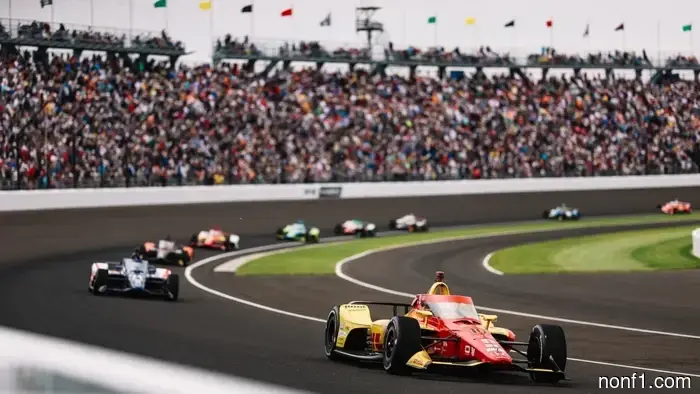 The Indy 500 has sold out once more.
For the second consecutive year, all tickets for the 110th Indy 500 have been sold out prior to race day. The good news is that the local TV blackout has been removed.
The Indy 500 has sold out once more.
For the second consecutive year, all tickets for the 110th Indy 500 have been sold out prior to race day. The good news is that the local TV blackout has been removed.
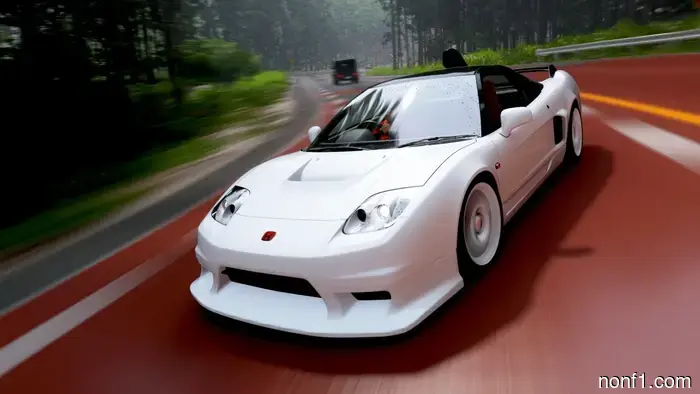 Forza Horizon 6 Review: An Attractive, Recognizable Journey
Japan offers Forza Horizon's most diverse map to date, providing numerous opportunities for enjoyment; however, it still has a hint of déjà vu.
Forza Horizon 6 Review: An Attractive, Recognizable Journey
Japan offers Forza Horizon's most diverse map to date, providing numerous opportunities for enjoyment; however, it still has a hint of déjà vu.
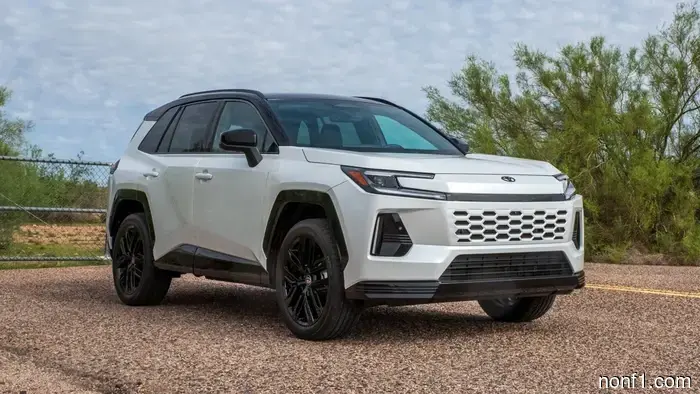 Reported Toyota Service Bulletin Indicates Potential Upcoming Motor Oil Shortage
The unstable petroleum market is currently affecting more than just fuel; it may also become more difficult to obtain lubricants for your car.
Reported Toyota Service Bulletin Indicates Potential Upcoming Motor Oil Shortage
The unstable petroleum market is currently affecting more than just fuel; it may also become more difficult to obtain lubricants for your car.
Forza Horizon 6 Review: An Exquisite, Recognizable Journey
Japan offers the most diverse map in Forza Horizon to date, providing numerous opportunities for creative enjoyment, yet it still carries a hint of déjà vu.