
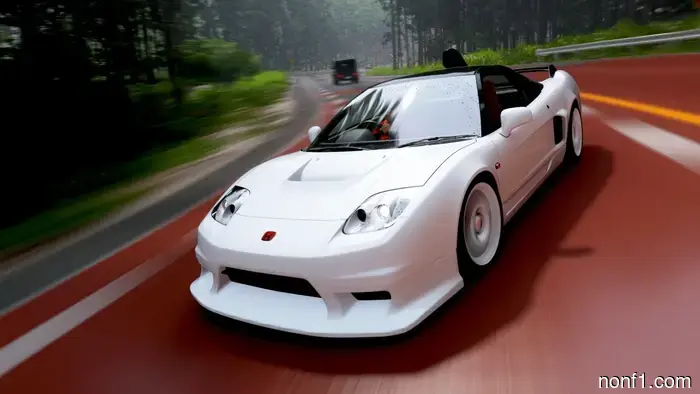
Forza Horizon 6 Review: An Attractive, Recognizable Journey
The most significant automotive news and reviews, with no nonsense.
Our free daily newsletter delivers the crucial stories directly to your inbox every weekday.
Everyone needs an escape. If you're a fan of cars and video games, you've likely spent time in the automotive sandbox of Forza Horizon. Believe it or not, it has been almost 15 years since a new team of racing game veterans at Playground Games combined the physics of the Forza Motorsport series with an open world. Initially, it was an experimental concept; realistic driving experiences were typically confined to racetracks and closed circuits. What’s the point of a simulation on ordinary roads?
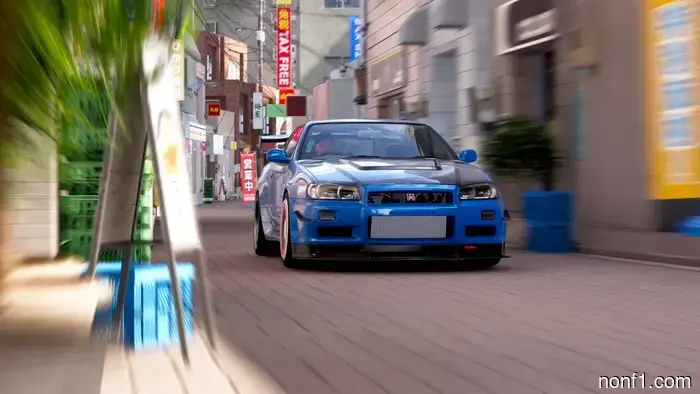
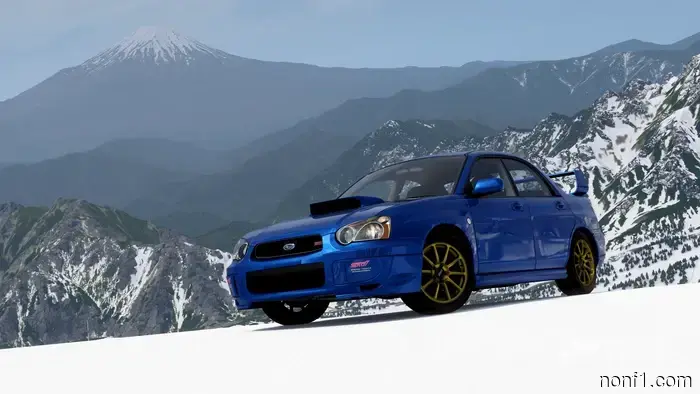
Playground quickly answered that question, transforming Horizon from a quirky spinoff into the most popular racing game featuring licensed cars enjoyed by a broad audience. The blend of exploration, car culture, and a handling model that is realistic yet forgiving has proven to be a successful formula. Players continue to flock to it, whether through Xbox Game Pass, Steam, or PlayStation. Playground just needs to change the setting, and this time, it’s Japan.
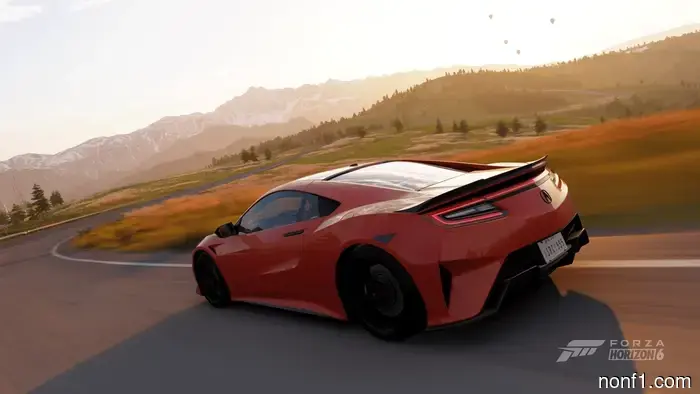
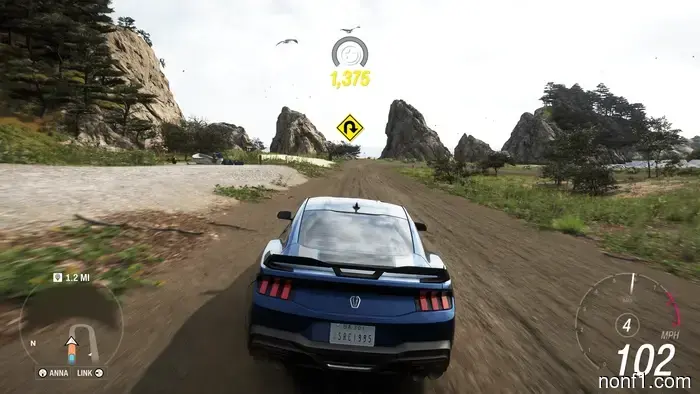
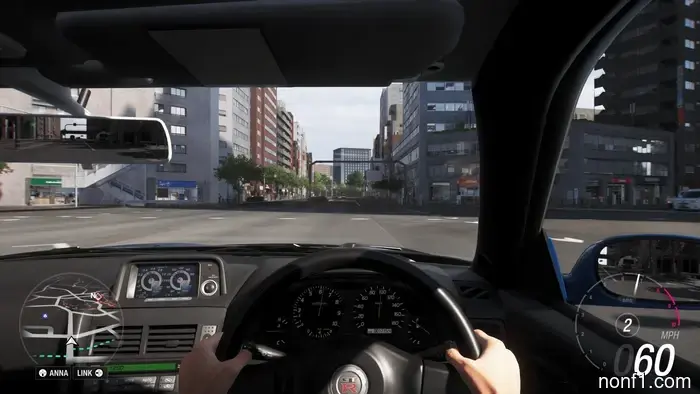
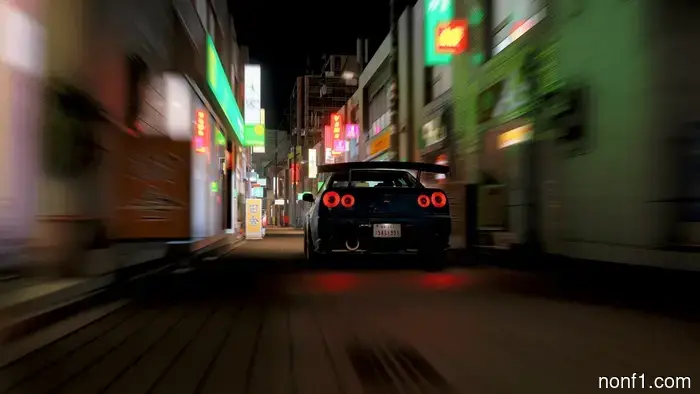
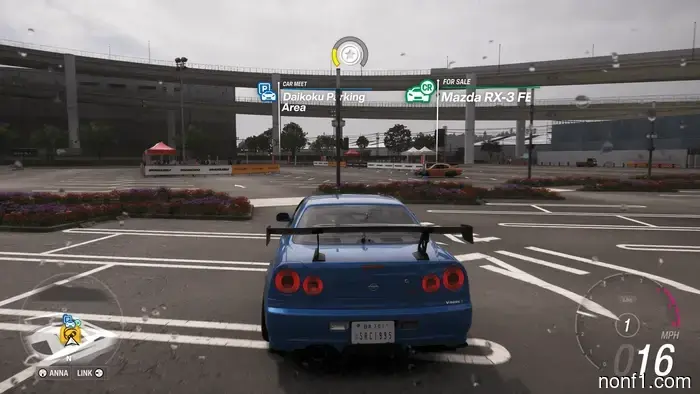
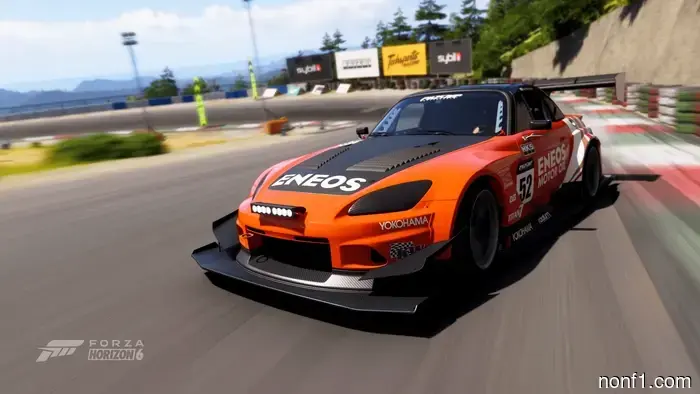
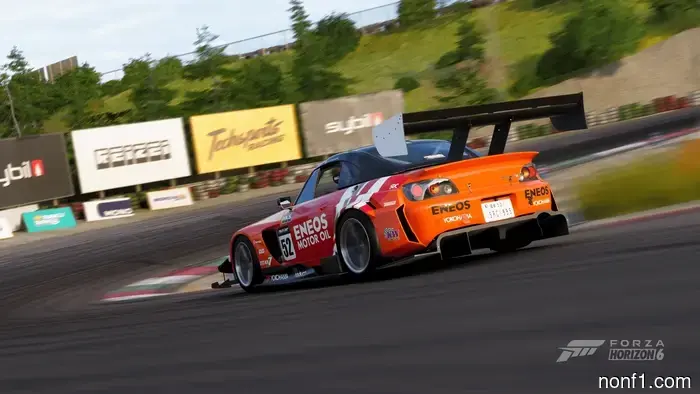
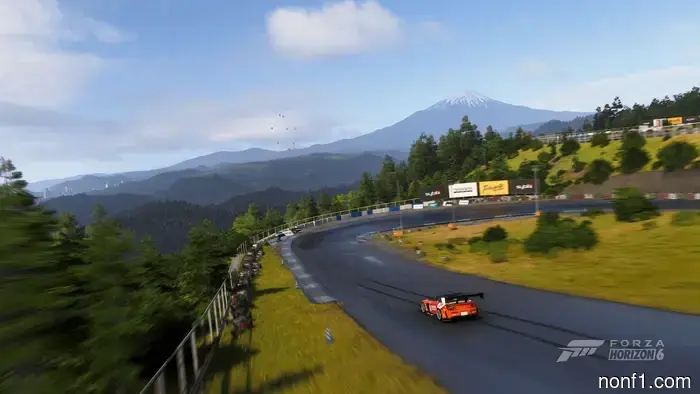
Horizon offers its largest and most intricate map to date, with a city five times the size of its predecessor—but you probably guessed that. It also launches with 550 vehicles, many of which are returning classics from the Forza franchise, with some new additions as well.
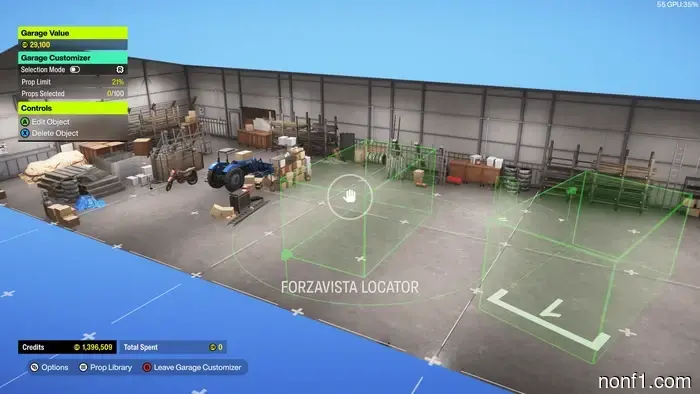
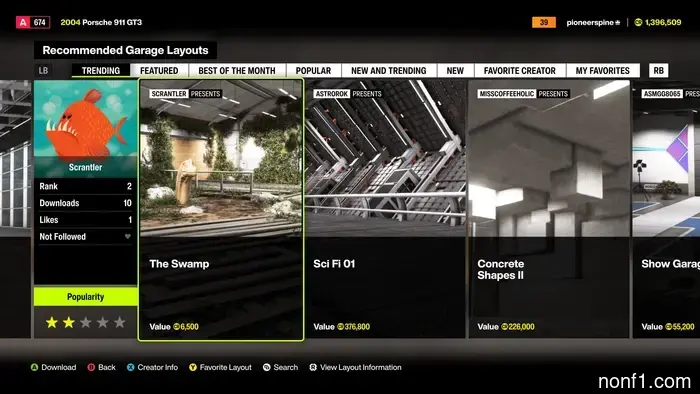
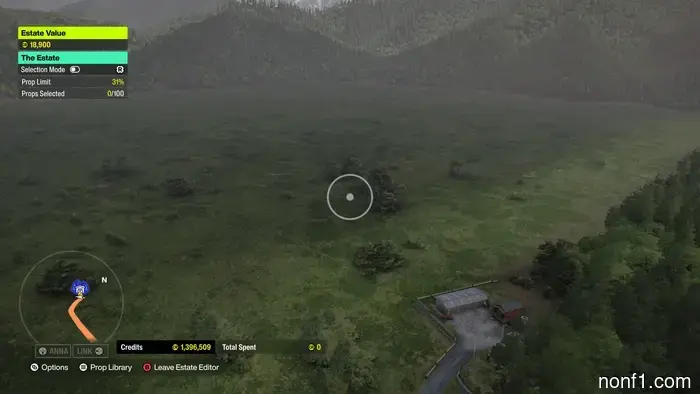
There have been minor quality-of-life enhancements and an exciting new way for the most imaginative players to make their mark in this world. Attendees of previous Horizon festivals in Australia, the U.K., and Mexico may have expected this. If you explored those settings and wondered, “Where could they possibly go from here?” the answer FH6 gives isn’t particularly thrilling. However, history shows that sometimes a shift in scenery is all it takes to draw everyone back to the festivities.
Plenty to Do, Plenty to Earn
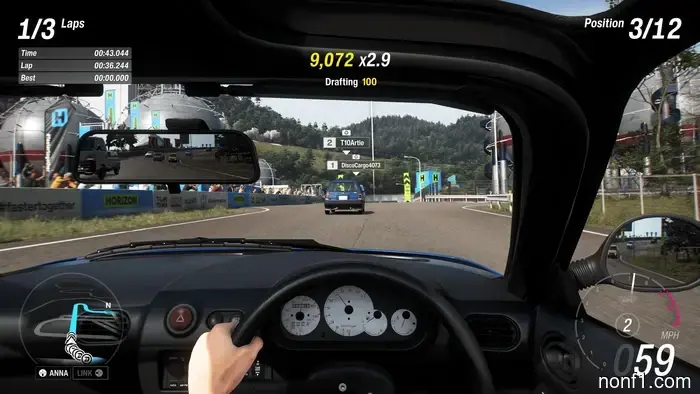
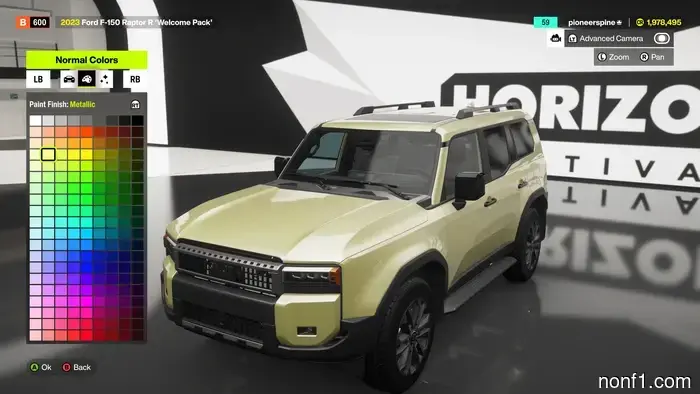
In Forza Horizon 6, you enter as a newcomer who must first qualify for the music and motorsport festival before climbing through the ranks of events by acquiring wristbands. These wristbands grant entry to races where you’ll pilot progressively more powerful vehicles, marking a significant change from previous entries that allowed any car in any race, with the AI adjusting to match. While there are still "unsanctioned" street and touge races that operate this way, main campaign events in FH6 will have you starting with lower-powered vehicles—including kei cars—before moving on to a Chiron.
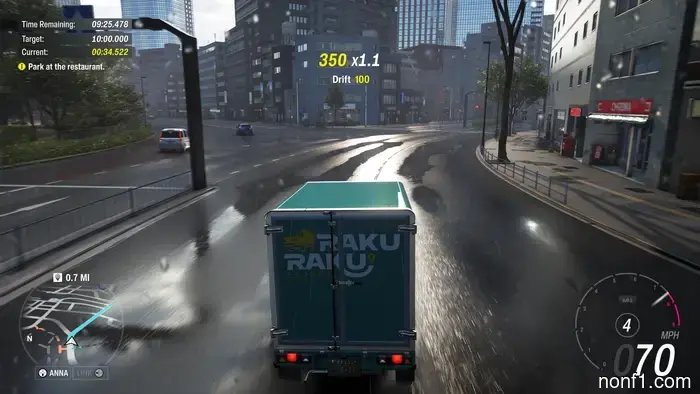
Being Horizon, however, there are numerous other activities to occupy your time between races. You can take on a part-time job as a food delivery driver, join a drifting club, enjoy a guided tour of Japan alongside fellow tourists, or even help scout fantastic photo locations with renowned automotive photographer Larry Chen. And if you enjoy collection quests, FH6 offers countless opportunities to keep you engaged indefinitely. There’s a seemingly endless series of progress bars and checklists related to road exploration, car photography, and, in classic Horizon fashion, breaking XP boards and mascots.
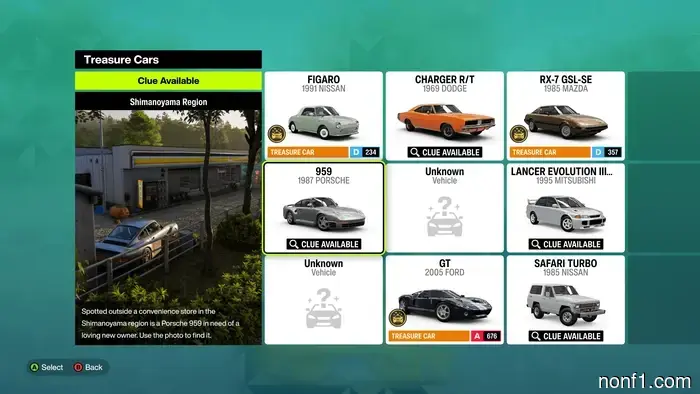
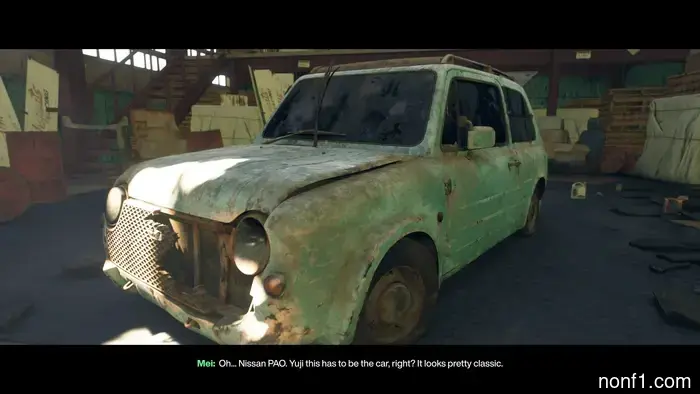
The game continues to include barn finds to discover, alongside Treasure Cars, which are ordinary vehicles seemingly abandoned in the open, requiring only a postcard to help locate them. Barn Finds have long been one of my favorite contributions of Horizon to open-world racing, and like in FH5, after discovering them, you can also leave a gift for other players, which is a nice feature.
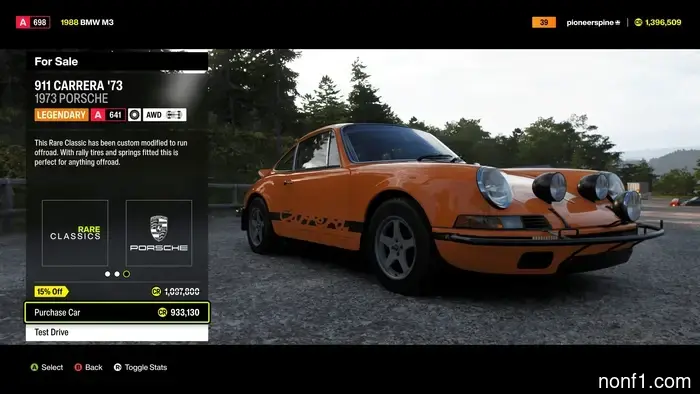
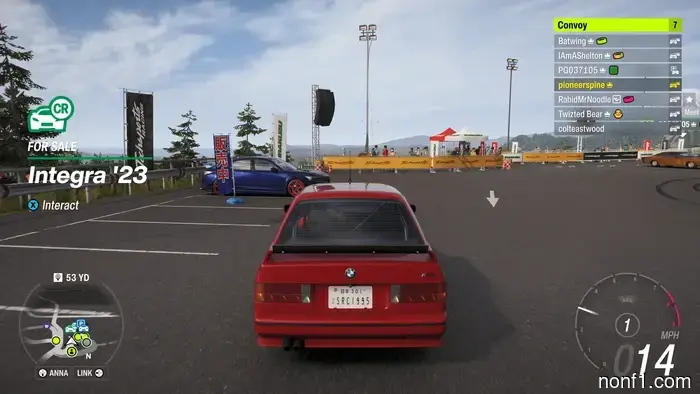
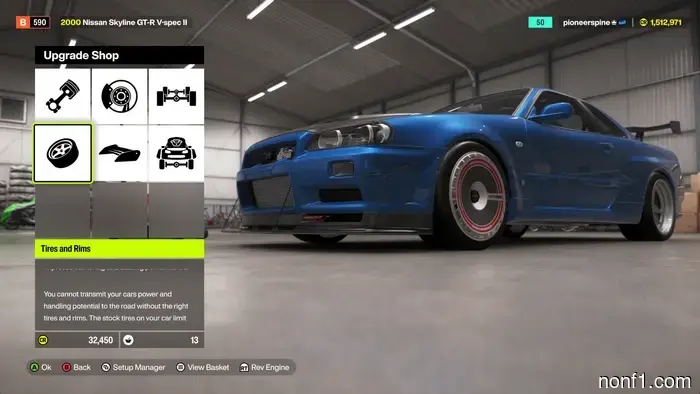
Now, there are Aftermarket Cars, which are simply used cars sold at reduced prices available on the world map, potentially stock or heavily modified. New vehicles appear in these locations as you progress, making stumbling upon them a delightful experience.
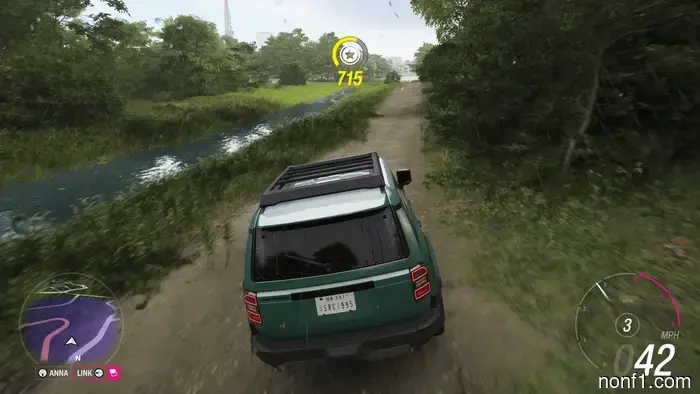
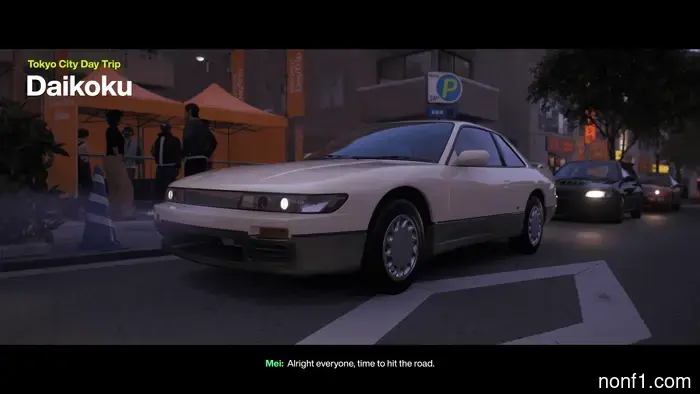
Don't assume that the more structured campaign progression has made FH6 grindy. From the start, you can choose one of three cars to try (a Toyota Celica, Nissan Silvia, or K5 GMC Jimmy), but it doesn’t matter which one you pick, as all three end up in your garage. A few events in, you receive three more cars, and nearly every milestone nets you cash, a prize vehicle, or a spin on the wheel, which offers various rewards.
You’ll accumulate cars faster than you can manage, collect “stamps” for seemingly unimportant achievements, and complete events to earn the next wristband without necessarily needing to win or even place in the top three. This is typical for the series, and players who prefer not to grind endlessly for a single vehicle or part, looking to simply relax on their couch and hop into a GR GT, will appreciate this.
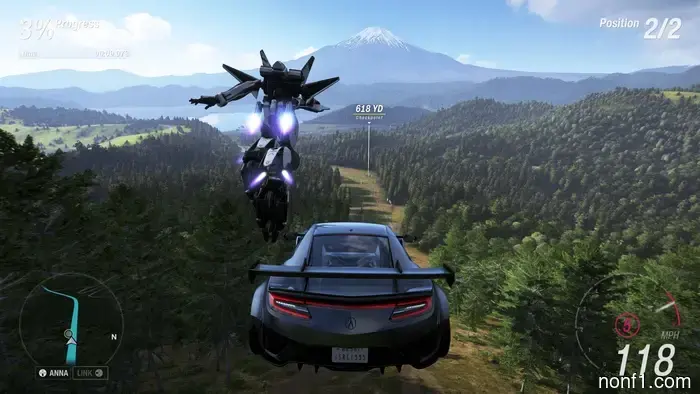
However, the lack of challenge leads to a disconnection with the vehicles in your garage that you never asked for, yet they occupy space nonetheless. The absence of difficulty can make major moments—like a race against a giant mech in Japan—fall flat. While it's impressive to see a giant Gundam leap over you and gracefully slide through a tunnel, if it suddenly slows to a jog before the finish line to allow you to win, any amazement you felt

Other articles
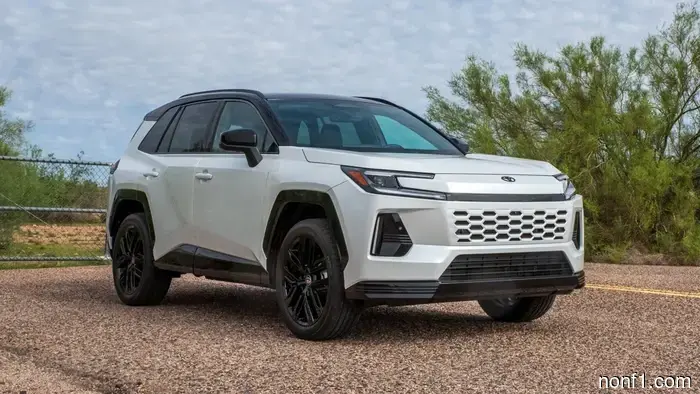 Reported Toyota Service Bulletin Cautions About Potential Motor Oil Shortage
The unstable petroleum market is currently affecting more than just fuel, as it may also become more difficult to obtain lubricants for your car.
Reported Toyota Service Bulletin Cautions About Potential Motor Oil Shortage
The unstable petroleum market is currently affecting more than just fuel, as it may also become more difficult to obtain lubricants for your car.
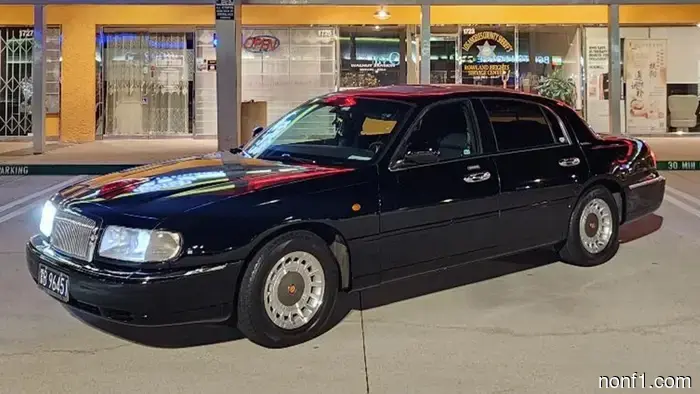 You can purchase this Lincoln Town Car revamped with components from the Chinese domestic market from a past era.
It's $10,000 for a Town Car with 75,000 miles that features authentic Hongqi body panels, lighting, and badges brought in from China.
You can purchase this Lincoln Town Car revamped with components from the Chinese domestic market from a past era.
It's $10,000 for a Town Car with 75,000 miles that features authentic Hongqi body panels, lighting, and badges brought in from China.
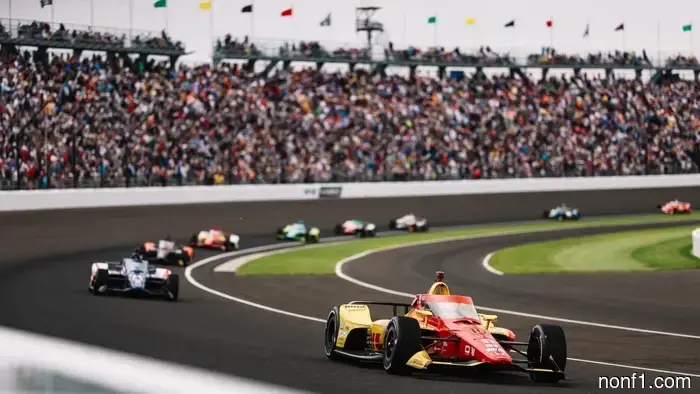 The Indy 500 Has Sold Out Once More
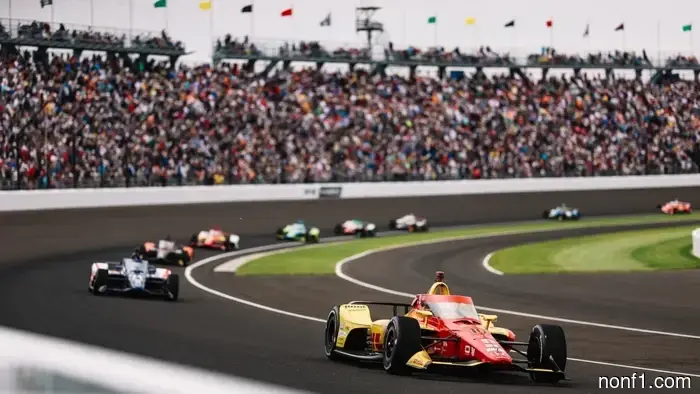
For the second consecutive year, all tickets for the 110th edition of the Indy 500 have sold out before race day. The good news is that the local TV blackout has been removed.
The Indy 500 Has Sold Out Once More
For the second consecutive year, all tickets for the 110th edition of the Indy 500 have sold out before race day. The good news is that the local TV blackout has been removed.
 The Indy 500 has sold out once more.
For the second consecutive year, all tickets for the 110th Indy 500 have been sold out prior to race day. The good news is that the local TV blackout has been removed.
The Indy 500 has sold out once more.
For the second consecutive year, all tickets for the 110th Indy 500 have been sold out prior to race day. The good news is that the local TV blackout has been removed.
 Forza Horizon 6 Review: An Attractive, Recognizable Journey
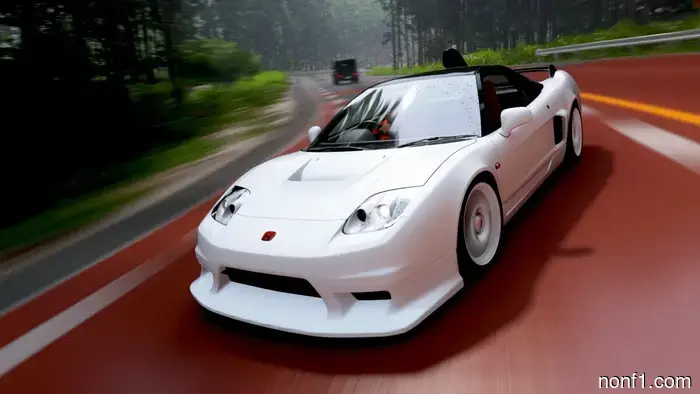
Japan delivers the most diverse map in Forza Horizon to date, offering numerous opportunities for enjoyment, yet it is not entirely free from a sense of déjà vu.
Forza Horizon 6 Review: An Attractive, Recognizable Journey
Japan delivers the most diverse map in Forza Horizon to date, offering numerous opportunities for enjoyment, yet it is not entirely free from a sense of déjà vu.
 Reported Toyota Service Bulletin Indicates Potential Upcoming Motor Oil Shortage
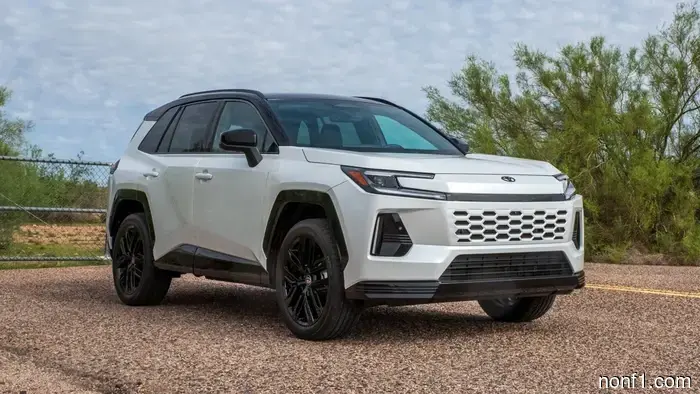
The unstable petroleum market is currently affecting more than just fuel; it may also become more difficult to obtain lubricants for your car.
Reported Toyota Service Bulletin Indicates Potential Upcoming Motor Oil Shortage
The unstable petroleum market is currently affecting more than just fuel; it may also become more difficult to obtain lubricants for your car.
Forza Horizon 6 Review: An Attractive, Recognizable Journey
Japan offers Forza Horizon's most diverse map to date, providing numerous opportunities for enjoyment; however, it still has a hint of déjà vu.