
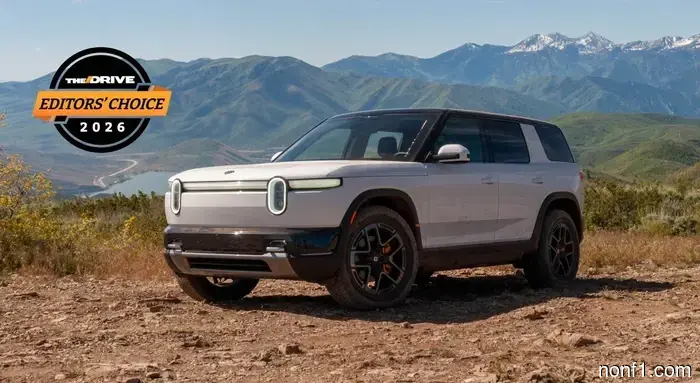
2027 Rivian R2 First Drive Review: The Ideal Vehicle for a Wide Range of Drivers
The latest in automotive news and reviews, no fluff.
Our free daily newsletter delivers the most important stories straight to your inbox every weekday.
The Rivian R2 makes its debut in the compact SUV segment, priced competitively and boasting more than 300 miles of range, aimed at popular contenders like the Tesla Model Y.
It offers an impressive combination of features, blending on-road performance and off-road capabilities with cutting-edge technology and a premium feel.
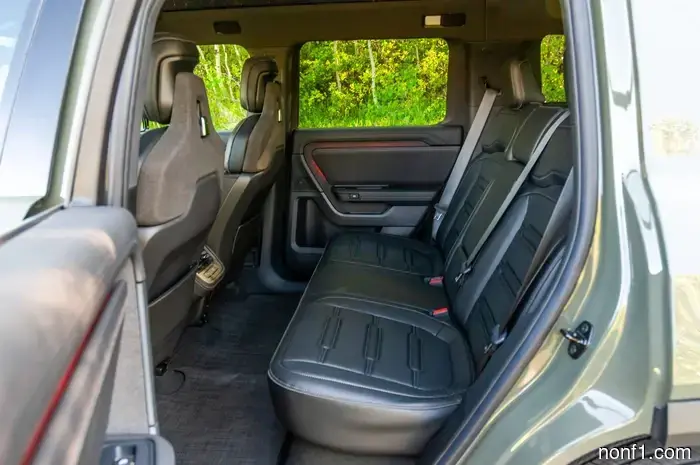
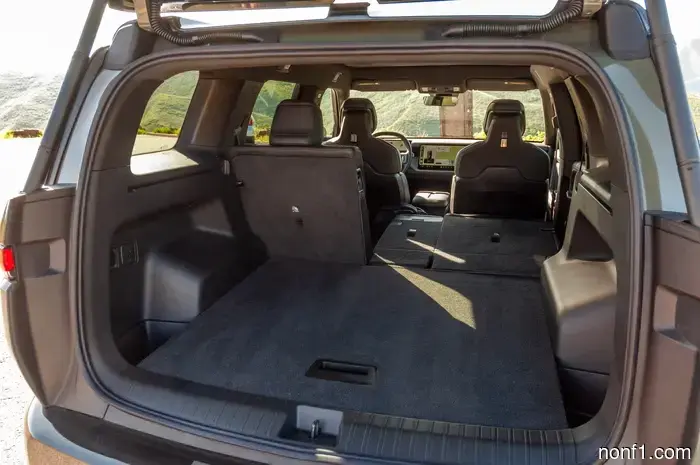
The innovative design and interior include unique features such as a drop-down rear window, dual glove boxes, and 40:20:40 split-folding rear seats that distinguish it from competitors.
In terms of performance and efficiency, the R2 provides various powertrain options, rapid charging capabilities, and a range of up to 330 miles.
In summary, the Rivian R2 is set to capture a significant market share with its stylish design, advanced technology, and solid performance—all at a competitive price.
AI-assisted, editor-reviewed.
The 2027 Rivian R2 marks the startup’s entry into what another company’s CEO described as a “cutthroat” segment on The Drivecast a couple of weeks ago: the compact crossover SUV arena. With a starting price of $46,485, reaching up to $59,485, over 300 miles of range, and an abundance of technology, the R2 targets rivals ranging from the Tesla Model Y to the Toyota RAV4.
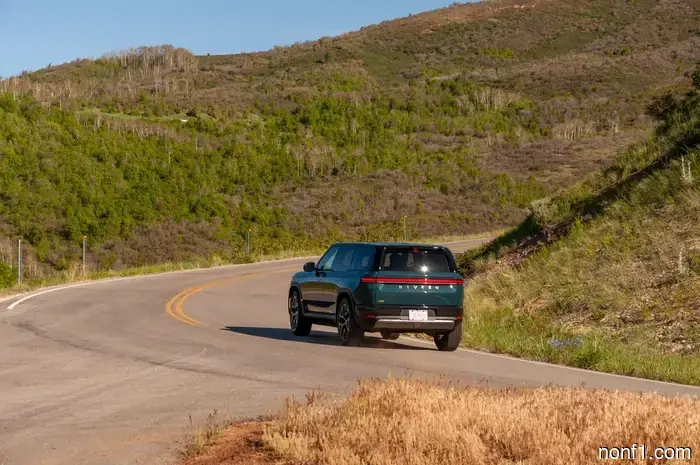
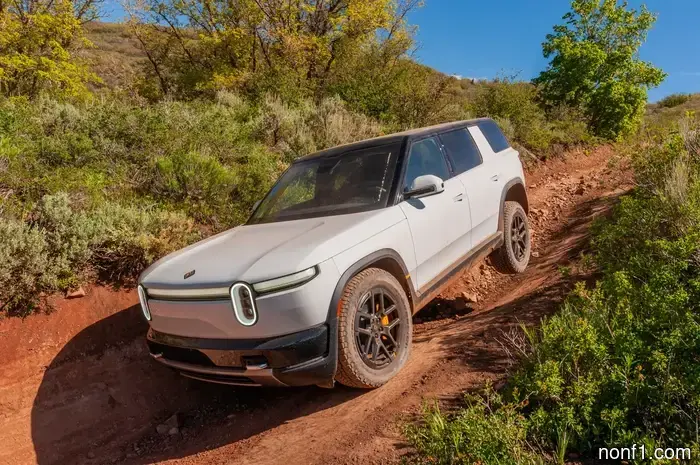
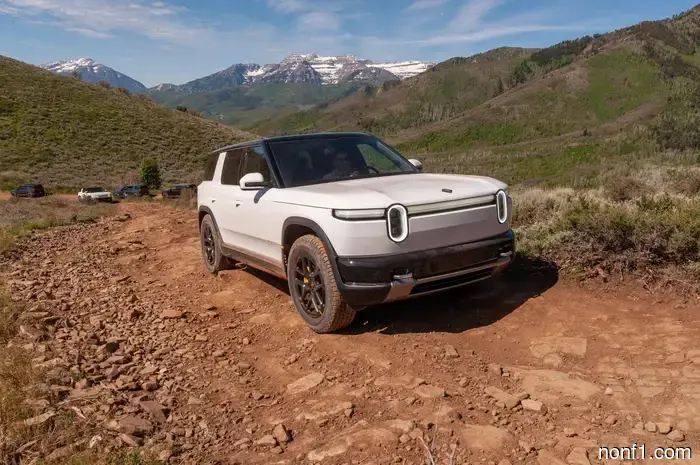
It’s hard to leave me speechless—just ask anyone on the team or my wife. I was taken aback after spending a day with the R2. Rivian has managed to achieve an incredible balance of on-road dynamics and off-road prowess in a premium package priced competitively.
The Essentials
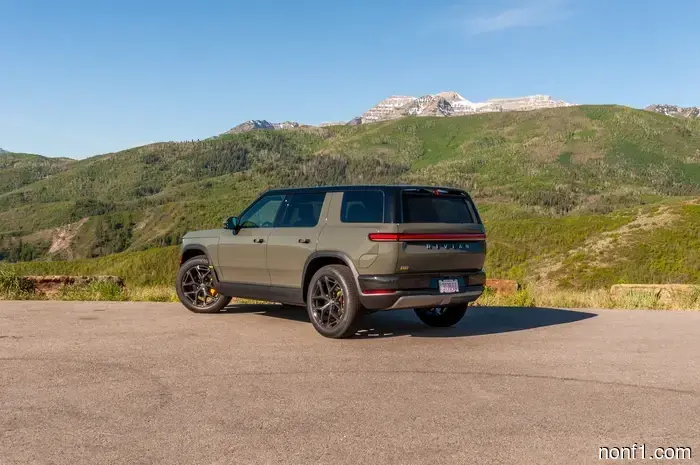
The Rivian R2 is the successor to the larger R1S, featuring a two-row crossover design that is more affordable, less complex in some aspects, yet ironically more advanced in others. This model provides Rivian a chance to enter a vital market, as compact crossover SUVs are the most popular vehicle type and size in the U.S., with the Toyota RAV4, Tesla Model Y, and others leading sales. Notably, the R2 measures 185.9 inches long, perfectly catering to the majority of buyers.
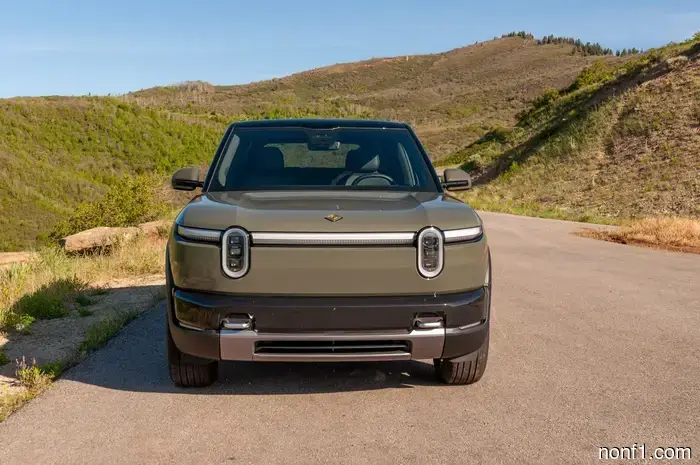
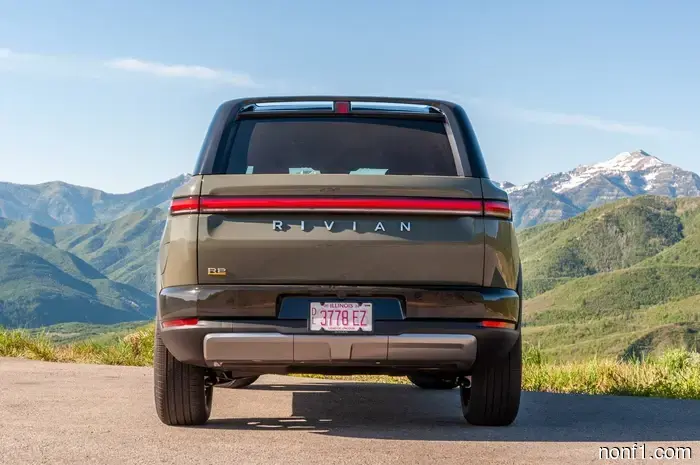
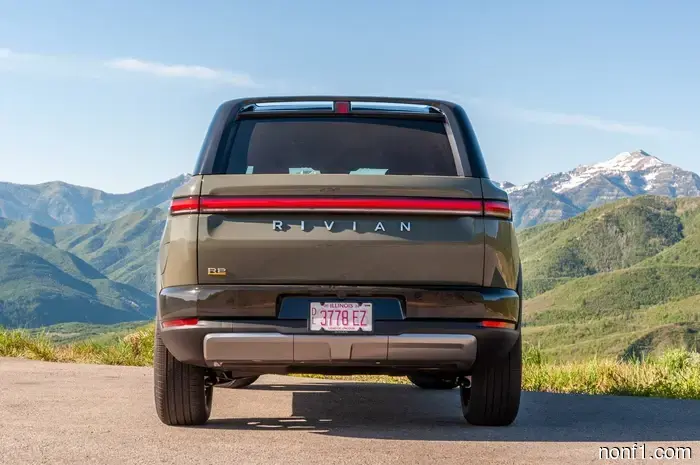
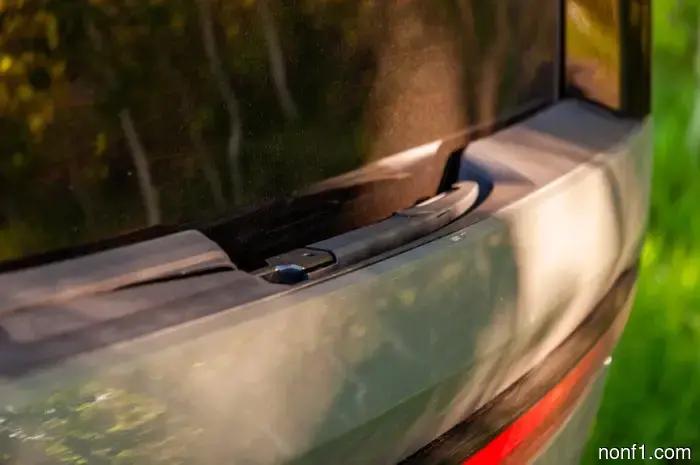
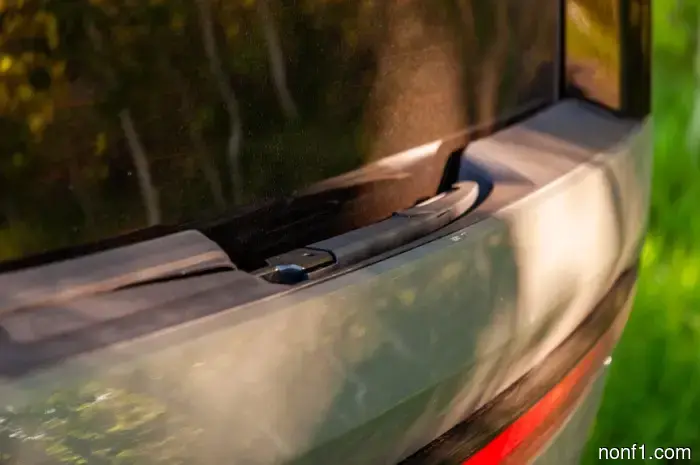
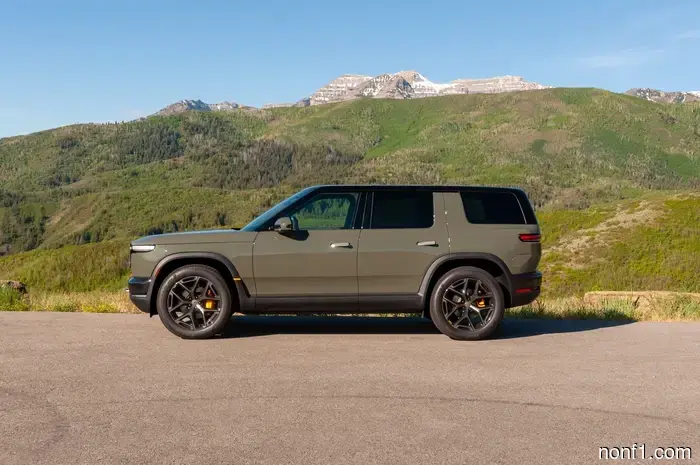
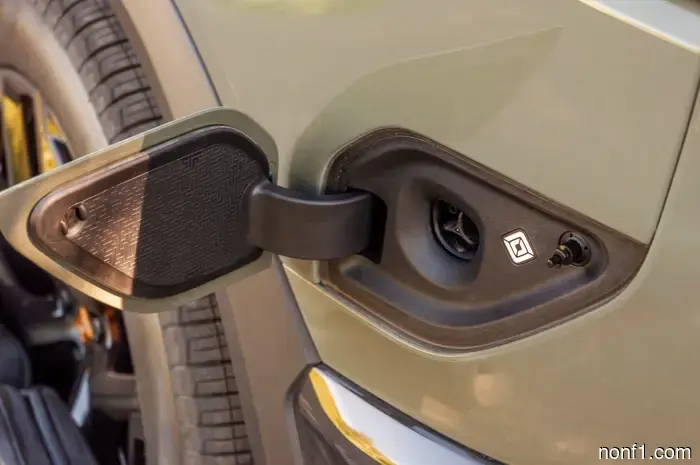
At a glance, you might mistake the R2 for the larger R1S, which is intentional. The two models share clear design elements, such as Rivian's signature front and rear lighting, though the details are more polished, with smaller, vertically-oriented headlights. The front fenders now feature turn signal indicators instead of being integrated into the side mirrors, and there's no trim around the door glass or roof, providing a seamless, aerodynamically efficient, and cost-effective design. The rear door glass lacks a fixed panel due to the smaller doors, and the charging port is located on the driver’s rear fender, similar to a Tesla, which also enhances its ease of use. The rear glass drops down into the tailgate—similar to the Toyota 4Runner—making it a valuable feature. Additionally, the rear wiper is cleverly hidden within the tailgate, an industry first. These changes might seem minor, but they are distinct and significant. The R2 maintains Rivian’s identity while offering a more compact form, keeping its SUV-like look without appearing overly rounded.
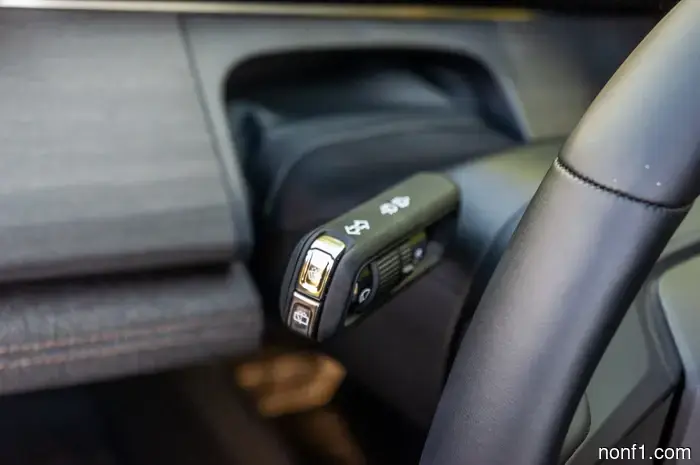
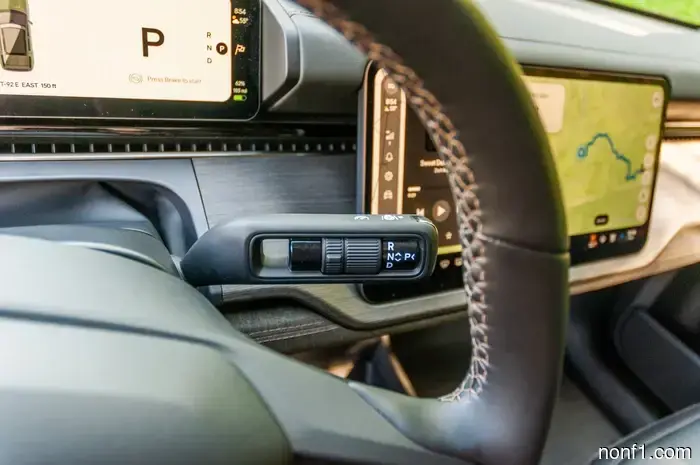
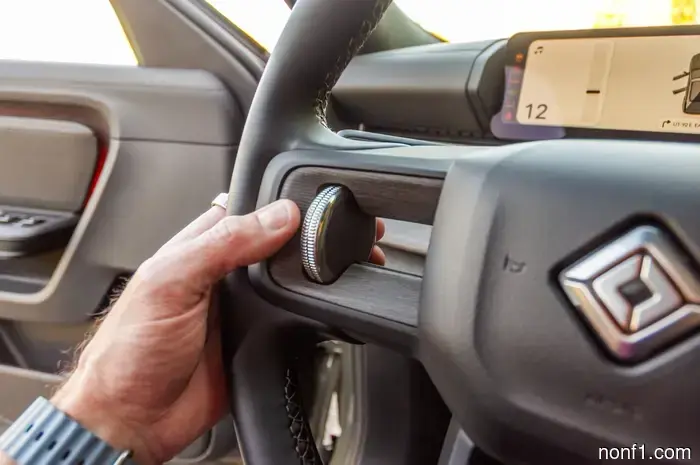
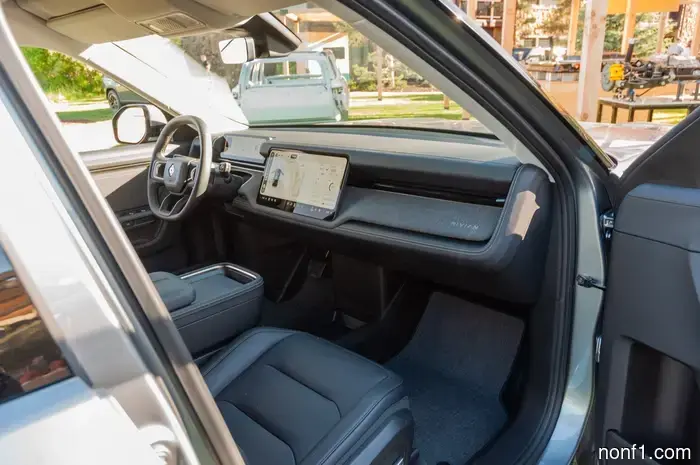
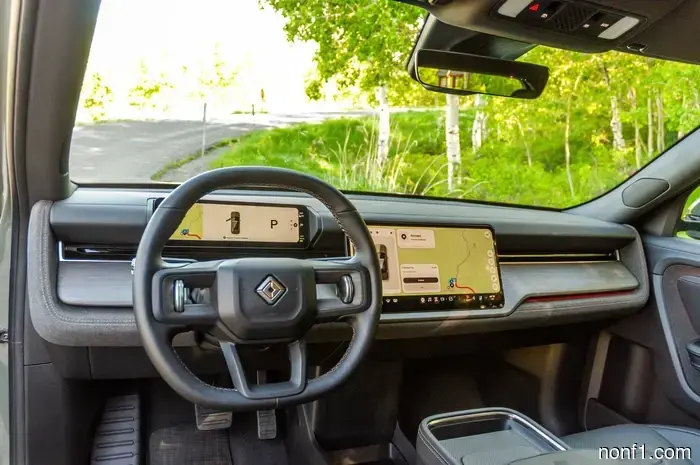
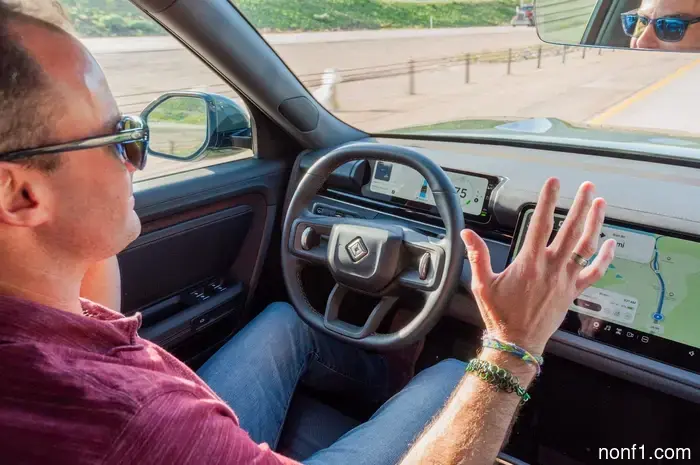
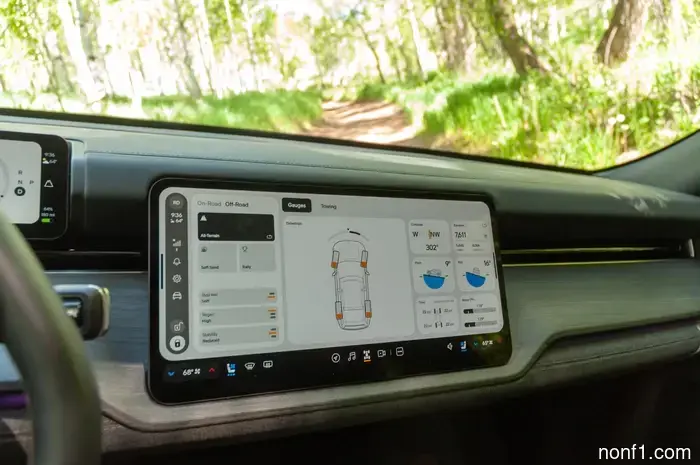
Changes to the interior were made based on feedback from current owners during the transition from R1S to R2. The dashboard remains straightforward, featuring a 12.0-inch digital gauge cluster paired with a 15.6-inch touchscreen for most controls. There are two stalks filled with buttons and knobs for various functions, including windshield wipers, physical headlight controls, drive gear selection, and speed control for the adaptive cruise control and Universal Hands-Free driver-assist system. The steering wheel now has Halo Wheels that rotate, slide, and can be pushed or pulled for functions such as adjusting audio volume, changing drive modes, and modifying climate control settings. While more features may be added in the future, the current array of steering wheel controls is already impressive. However, some elements are still absent, including traditional door handles (currently featuring electronic push buttons from the R1S), manual air vent controls (still on the touchscreen), and grab handles for unexpected moments.
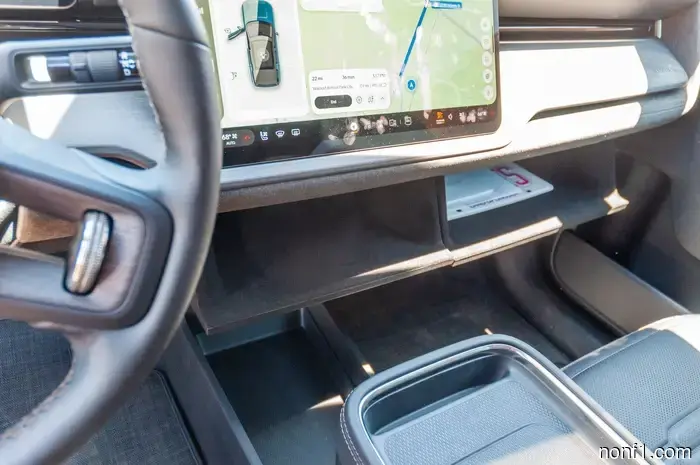
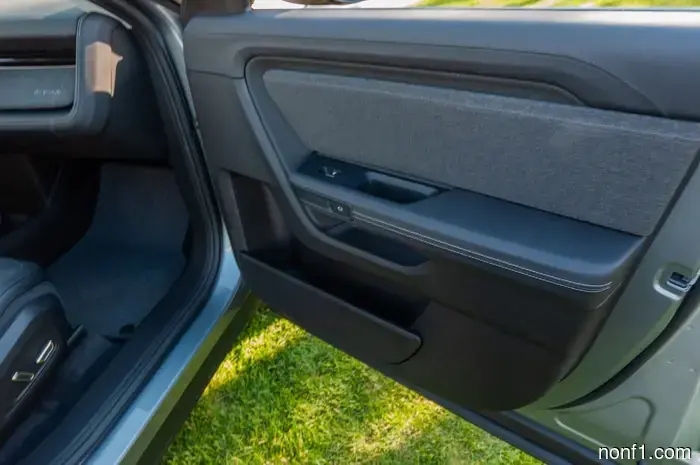
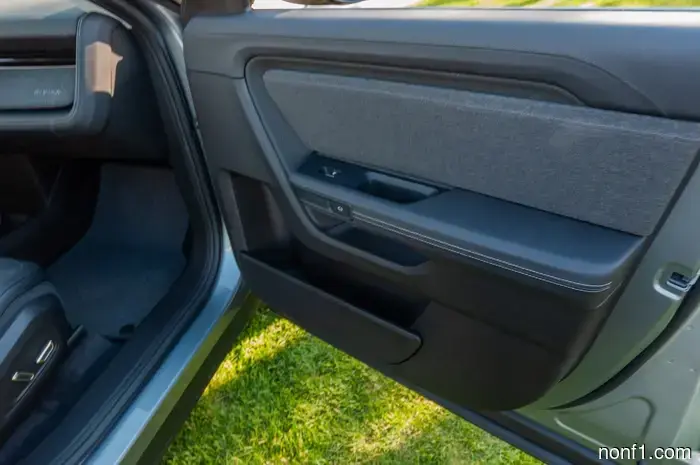
The dashboard is wrapped in soft-touch materials, with higher trims offering wood accents. Base models come with cloth trim that still feels high-quality. Rivian relocated the front speakers to the center of the vehicle, freeing up space in the door panels for larger water bottle storage, a change driven by R1S customer feedback. Additionally, the R2 boasts two glove boxes, a feature missing in the R1S. The wireless charging pad in the front accommodates two phones and is MagSafe-compatible, functioning well during my testing.
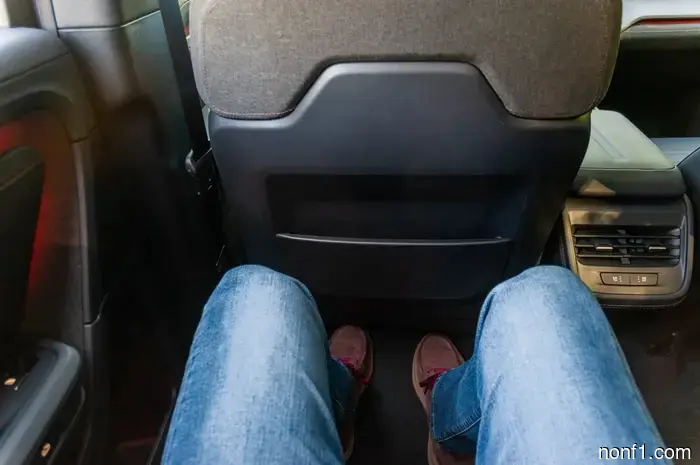
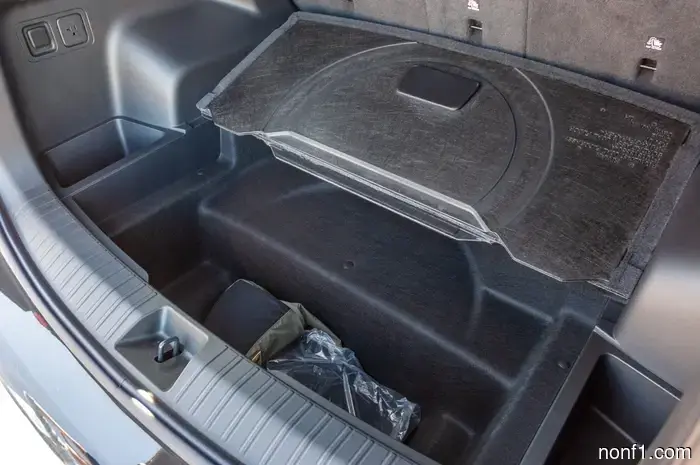
The rear seats can be folded in a 40/20/40 configuration, a rarity in this segment, allowing for





Other articles
 Honda refutes claims of opposing changes to F1 engine regulations.
Formula 1 | Honda has dismissed claims that it is obstructing the proposed engine changes for 2027, while also indicating its willingness to engage in discussions regarding (…)
Honda refutes claims of opposing changes to F1 engine regulations.
Formula 1 | Honda has dismissed claims that it is obstructing the proposed engine changes for 2027, while also indicating its willingness to engage in discussions regarding (…)
 Ferrari's regret deepens as Antonelli's momentum continues to rise.
Formula 1 | As Kimi Antonelli's impressive title pursuit gains traction, inquiries are once more arising regarding why Ferrari did not manage to secure Italy's most (…)
Ferrari's regret deepens as Antonelli's momentum continues to rise.
Formula 1 | As Kimi Antonelli's impressive title pursuit gains traction, inquiries are once more arising regarding why Ferrari did not manage to secure Italy's most (…)
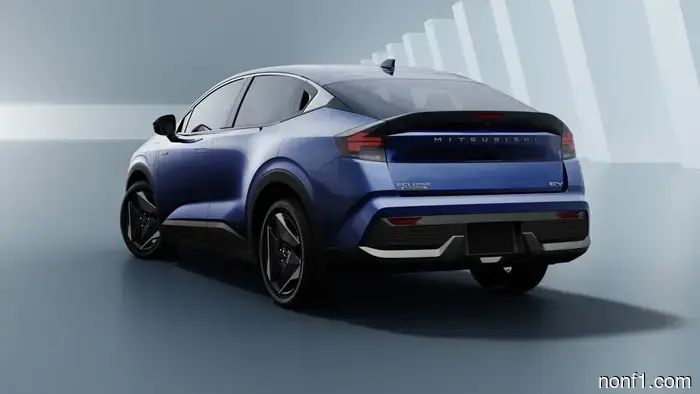 The new Mitsubishi Eclipse is essentially a Nissan Leaf at its core.
The Mitsubishi Eclipse Sportback EV is an affordable commuter vehicle built on the Nissan Leaf platform that surprisingly has a decent appearance.
The new Mitsubishi Eclipse is essentially a Nissan Leaf at its core.
The Mitsubishi Eclipse Sportback EV is an affordable commuter vehicle built on the Nissan Leaf platform that surprisingly has a decent appearance.
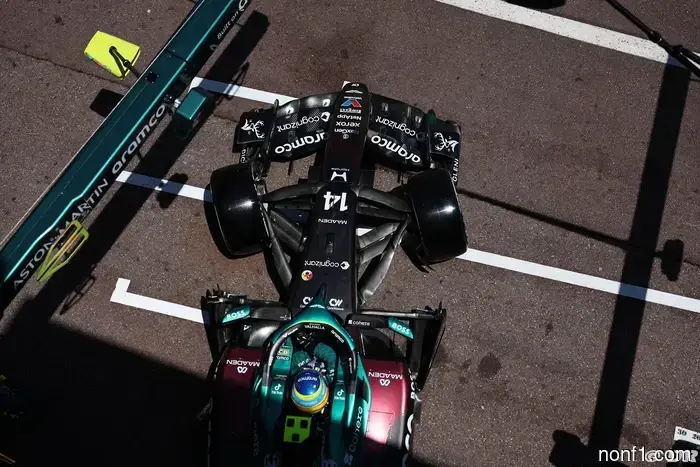 Improved Aston Martin 'chassis' is on the way - de la Rosa
Formula 1 | Adrian Newey has finally spoken out in Monaco regarding Aston Martin's poor beginning to 2026, asserting that a significant upgrade package is forthcoming. (...)
Improved Aston Martin 'chassis' is on the way - de la Rosa
Formula 1 | Adrian Newey has finally spoken out in Monaco regarding Aston Martin's poor beginning to 2026, asserting that a significant upgrade package is forthcoming. (...)
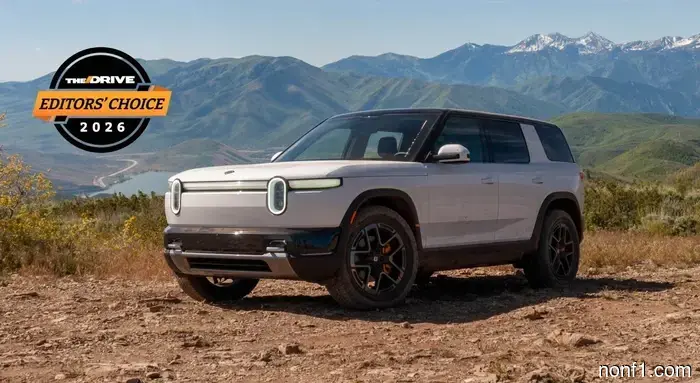 2027 Rivian R2 Initial Driving Review: The Ideal Vehicle for a Wide Range of People
The appropriately sized Rivian R2 positions the American startup automaker in the mainstream market, and rivals should be quite concerned.
2027 Rivian R2 Initial Driving Review: The Ideal Vehicle for a Wide Range of People
The appropriately sized Rivian R2 positions the American startup automaker in the mainstream market, and rivals should be quite concerned.
 Piastri's manager states that McLaren 'must resolve problems.'
Formula 1 | Mark Webber, Oscar Piastri's manager, indicates that McLaren's title defense is exhibiting growing signs of pressure. The ex-Formula 1 driver is (…)
Piastri's manager states that McLaren 'must resolve problems.'
Formula 1 | Mark Webber, Oscar Piastri's manager, indicates that McLaren's title defense is exhibiting growing signs of pressure. The ex-Formula 1 driver is (…)
2027 Rivian R2 First Drive Review: The Ideal Vehicle for a Wide Range of Drivers
The appropriately sized Rivian R2 brings the American startup car manufacturer into the mainstream, and competitors should be quite concerned.