
Toyota Won't Substitute Every Recalled Tundra V6, and Some Owners Are Growing Frustrated
The latest in automotive news and reviews, without any fluff.
Our free daily newsletter delivers the most significant stories straight to your inbox every weekday.
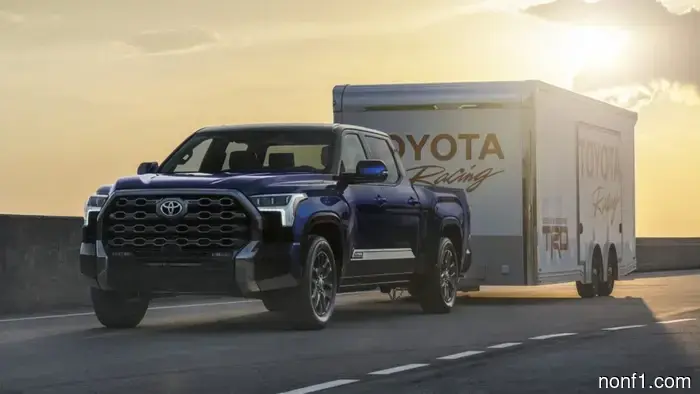
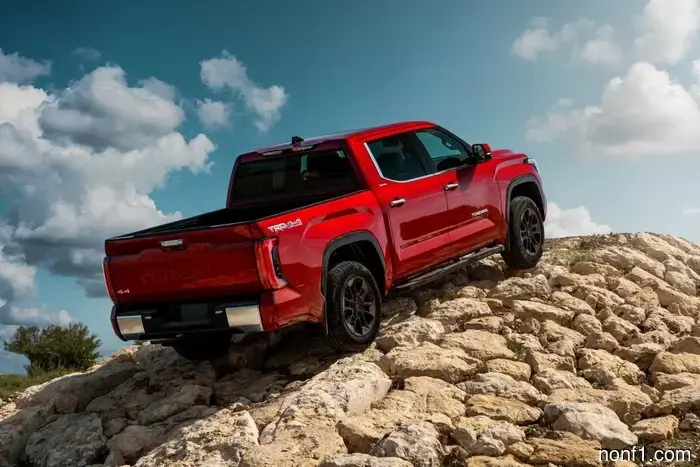
Toyota is facing a significant challenge with repairs for its twin-turbo V6 engines. To date, over 270,000 vehicles equipped with the V35A-FTS engine have been recalled, with the primary solution being complete engine replacements. While this continues to apply to some Toyota Tundra pickups and Lexus LX SUVs, many of these vehicles will now need to undergo dealer assessments using new inspection software to ascertain if their engines are indeed defective.
This new procedure was outlined in a National Highway Traffic Safety Administration document that was updated on June 15. The document states:
“All known owners of the affected vehicles will be instructed to return their vehicles to a Toyota and Lexus dealer. Dealers will utilize inspection software to evaluate the #1 main bearing and gather available vehicle drive data to verify the condition of that bearing. If the inspection software cannot confirm that the bearing is free from abnormal wear due to this issue, dealers will replace the engine. The remedy will be provided at no cost.”
In summary, some of Toyota’s V6 truck engines have failed due to issues with the stated main bearing. Manufacturing debris, referred to as swarf, can attach to the main bearing, resulting in knocking, a rough idle, or complete engine failure. This has led to three significant recalls so far, with the first occurring in May 2024, the second in November 2025, and the most recent in May 2026.
I inquired with Toyota about which vehicles are covered by this new procedure. A Toyota spokesperson clarified that older trucks affected by the May 2024 recall will still receive engine replacements if they haven't done so already. (So far, Toyota has replaced more than 70,000 twin-turbo V6 engines.) When I asked if Toyota and Lexus owners who have already had their V35A-FTS engines replaced would need to go through the inspection, the spokesperson stated, “No. A design change was implemented for the #1 main bearing starting in July 2024, which has been used in vehicles that received the recall remedy.”
Additionally, I questioned how the inspection software functions, particularly since data is collected from driving rather than directly disassembling the engine. The Toyota spokesperson explained, “Essentially, this inspection utilizes the resonant frequency at the front of the crankshaft to evaluate the condition of the #1 main bearing. Toyota developed this inspection by testing numerous engines to identify the frequency differences between a #1 main bearing with and without abnormal wear.
“Moreover, available vehicle drive data is collected to evaluate if the engine has been subjected to enough load, reinforcing confidence in assessing the condition of the #1 main bearing. If the vehicle drive data is insufficient, the engine will be replaced.”
However, this approach has not satisfied all owners, as some believe the issues are more profound. Ryan Gregg, a Tundra enthusiast and advocate for owners, is one among many voicing their concerns.
“The Tundra owners’ community is profoundly disappointed to learn about the remedy for the latest V35A engine recall,” Gregg remarked. “I’m reminded of a powerful quote from Martin Luther King Jr., ‘The time is always right to do what is right.’ We urge Toyota to reconsider their recent decision and prioritize the customer over profits in all future decisions.”
Gregg also mentioned, “From my viewpoint, this is their method of stemming the financial losses while avoiding acknowledgment of a fundamental design flaw or issue. It’s a strategy to buy them time.”
Members of the 2022+ Toyota Tundra Owners group on Facebook echo this frustration. They have witnessed this situation unfold over the last two years, and whether they attribute the problems to a supposed design flaw or inadequate quality control, the outcome remains the same: many are dissatisfied with the ongoing inconsistency. (Meanwhile, Tundra owners who have experienced no issues with their vehicles are weary of the discussions surrounding the problems.)
Toyota continues to manufacture new Tundras daily with the V35A-FTS engine. The automaker has implemented various changes to the first main bearing and asserts that, while manufacturing debris may still exist in new engines, they are allegedly less vulnerable to damage as a result. Should failures occur in these revised engines, Toyota's challenges could escalate even further. This entire situation has jeopardized Toyota’s reputation for reliability.
Have a tip or question for the author? Reach out to them directly: caleb@thedrive.com
Other articles
 Ford's $30,000 Electric Truck Is Real, and Here's Evidence of Its Existence.
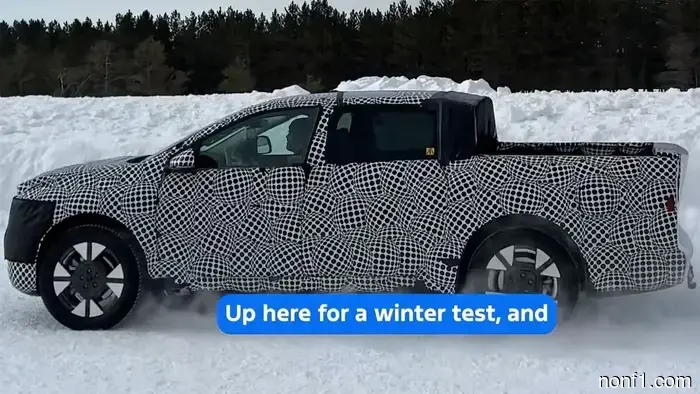
Ford's "$30K electric pickup," reminiscent of a "Model T-moment," is set to arrive at dealerships next year, and the company is now releasing videos of prototype testing.
Ford's $30,000 Electric Truck Is Real, and Here's Evidence of Its Existence.
Ford's "$30K electric pickup," reminiscent of a "Model T-moment," is set to arrive at dealerships next year, and the company is now releasing videos of prototype testing.
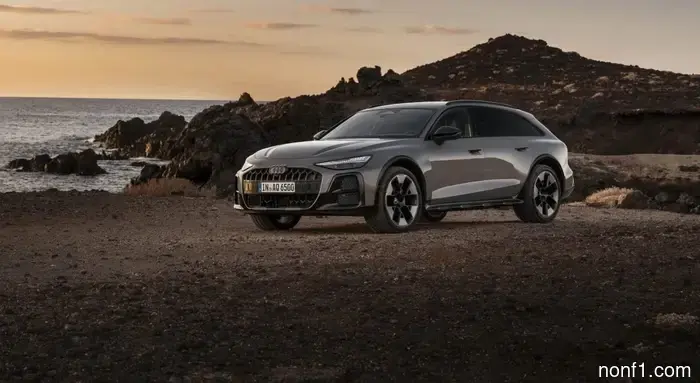 The new Audi A6 Allroad is larger, more aggressive, and a promising sign for the RS6 Avant.
Audi informed The Drive that the next-generation Allroad will be available in the U.S. next year, featuring a body that is 4.3 inches wider, flared fenders, and standard quattro.
The new Audi A6 Allroad is larger, more aggressive, and a promising sign for the RS6 Avant.
Audi informed The Drive that the next-generation Allroad will be available in the U.S. next year, featuring a body that is 4.3 inches wider, flared fenders, and standard quattro.
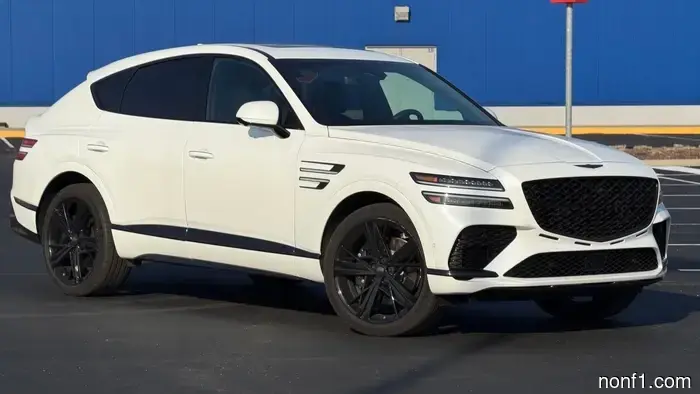 2026 Genesis GV80 Coupe Quick Overview: Outperforms the Germans, but Struggles on Curves
As the flagship SUV of the brand, the Genesis GV80 presents a more luxurious and polished offering compared to BMW or Mercedes, yet there is one aspect where the Germans still excel.
2026 Genesis GV80 Coupe Quick Overview: Outperforms the Germans, but Struggles on Curves
As the flagship SUV of the brand, the Genesis GV80 presents a more luxurious and polished offering compared to BMW or Mercedes, yet there is one aspect where the Germans still excel.
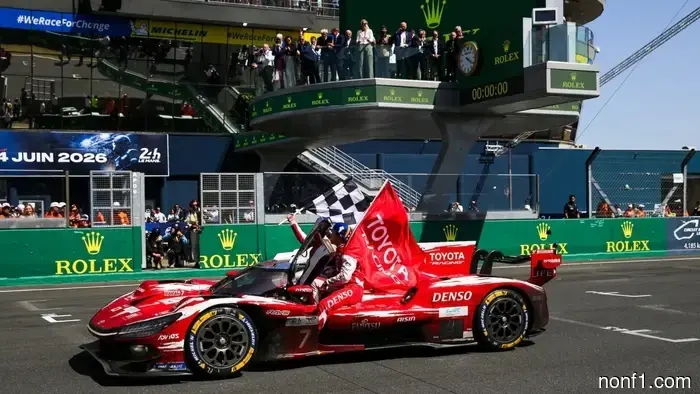 How Toyota's First Le Mans Victory in Four Years Reflects the Spirit of Competition in the Race
Despite Ferrari's claims of an uneven Balance of Performance and the misfortunes of other teams—along with previous disappointments for the Japanese manufacturer—Toyota returned to Le Mans and achieved a legitimate victory.
How Toyota's First Le Mans Victory in Four Years Reflects the Spirit of Competition in the Race
Despite Ferrari's claims of an uneven Balance of Performance and the misfortunes of other teams—along with previous disappointments for the Japanese manufacturer—Toyota returned to Le Mans and achieved a legitimate victory.
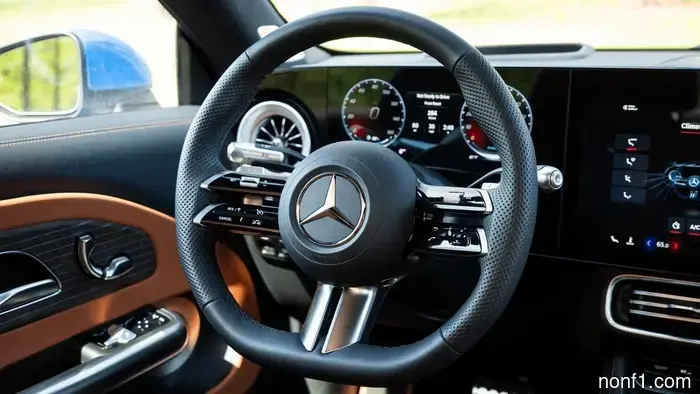 Mercedes Eliminated Steering Wheel Music Controls in Favor of Voice Commands for the New CLA.
The steering wheel of the new Mercedes CLA does not feature music controls, requiring you to use voice commands or touch the center screen to change songs.
Mercedes Eliminated Steering Wheel Music Controls in Favor of Voice Commands for the New CLA.
The steering wheel of the new Mercedes CLA does not feature music controls, requiring you to use voice commands or touch the center screen to change songs.
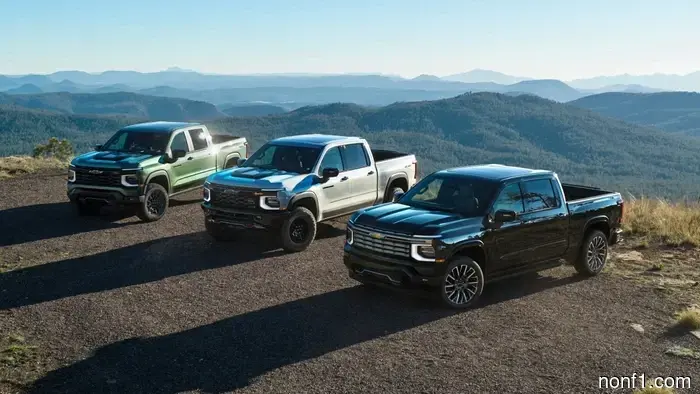 Chevy Introduces New 350, 400, and 409 V8 Engines—Just Like Back in the Day
With the inclusion of the LS6 in the revamped Corvette, Chevy now offers three new V8 engines in its lineup, all with well-known displacements.
Chevy Introduces New 350, 400, and 409 V8 Engines—Just Like Back in the Day
With the inclusion of the LS6 in the revamped Corvette, Chevy now offers three new V8 engines in its lineup, all with well-known displacements.
Toyota Won't Substitute Every Recalled Tundra V6, and Some Owners Are Growing Frustrated
Toyota will rely on software instead of wrenches to determine which recalled Tundra vehicles require new engines.