
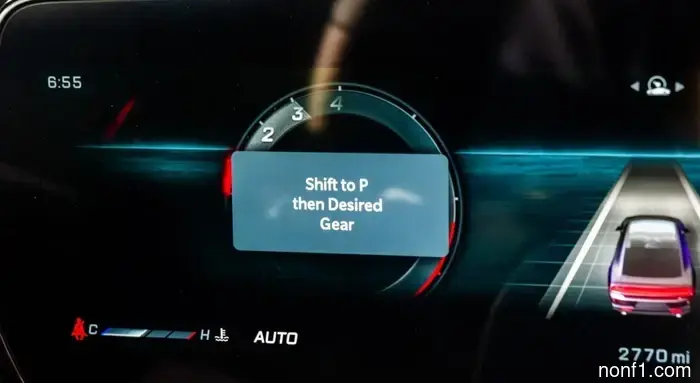
My 2026 Dodge Charger test vehicle became inoperable three times within five days.
Joel Feder
The most significant car news and reviews, without the fluff.
Our free daily newsletter delivers the important stories directly to you, every weekday.
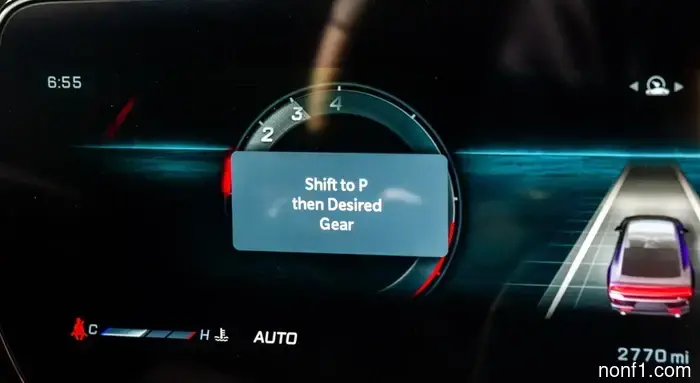
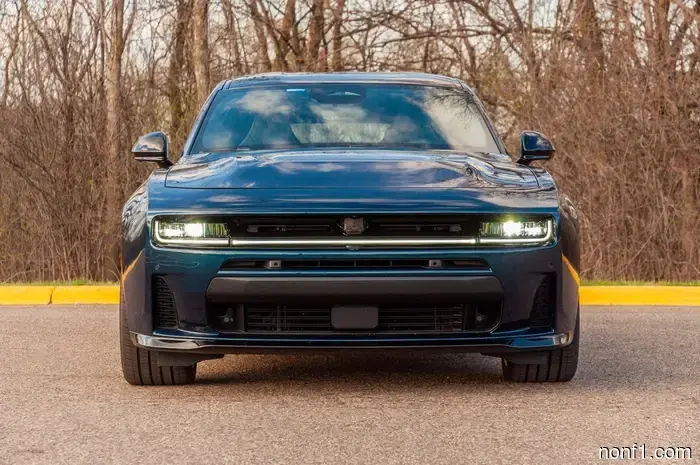
While I was stuck in traffic on Highway 494 in Bloomington, Minnesota, the vehicle in front of me began to move. I pressed the accelerator in the four-door 2026 Dodge Charger Scat Pack, and the reintroduced muscle car… didn’t move. A notification appeared on the digital gauge display: “Shift to P then desired Gear.” I followed the prompt twice, but nothing happened. The car was immobile, and I suddenly felt a sinking feeling in my stomach.
This was my experience just moments after getting behind the wheel of the gas-powered 2026 Dodge Charger I was evaluating after a 14-hour journey home from Japan. Certainly not an ideal situation.
Traffic started to flow again, horns blared behind me, and I decided to turn off the car and restart it, hoping for the best. Unfortunately, the Charger failed to shut down with a single button press. (A win for traditional keys.) Alarmed, I pressed the button again, to no avail. The third attempt proved successful—it finally powered down, and when I restarted it, the issue was resolved. I was then able to shift to Drive and resume moving.
For a brief moment, I wondered if I had imagined the whole thing, as I was completely drained from the long flight. That thought vanished when it happened again.
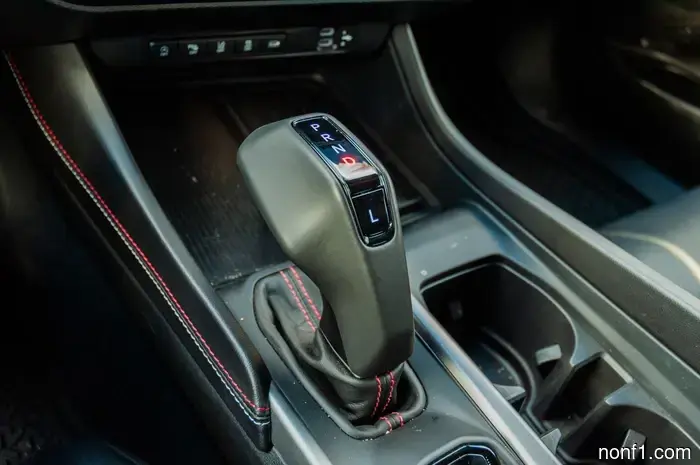
Two days later, while parked and taking pictures of the Charger during my son’s soccer practice, I attempted to reposition the car for a better angle. I had left it running in Park, but when I shifted the pistol-grip gear selector to Drive, the same alert appeared in the display: “Shift to P then desired Gear.” I could've sworn that I was doing just that. Switching between Park and Drive had no effect, and I couldn’t even shift into Neutral. Once again, the power button failed to work, but thankfully, it only took two tries to shut it off this time, allowing me to shift into Drive afterward.
The Charger’s digital gauge cluster features a messages page that can be accessed, but the incident left no record. According to the car, nothing had gone wrong. Twice.
Finally, a few days later, I was at a red light after dropping my child off at school. When it turned green, I stepped on the gas, and the same error message appeared, rendering the car immobile. The sequence repeated: it took three attempts to turn it off while being honked at, and by the time I got home and checked, the onboard diagnostics showed no indication the incident had occurred.
I reached out to Stellantis, whose representative informed me that this was the first report they had received of such an occurrence. The 2,770-mile Scat Pack I was driving was technically a pre-production model with “production-intent” software. They said they would immediately remove it from the review fleet and send it to a dealership in Detroit for a thorough system scan, later forwarding the results to their engineering team for analysis. However, the scan didn’t pinpoint the issue, so the car was eventually sent back to headquarters for further examination.
It took nearly four weeks, but Stellantis eventually explained what happened and why.
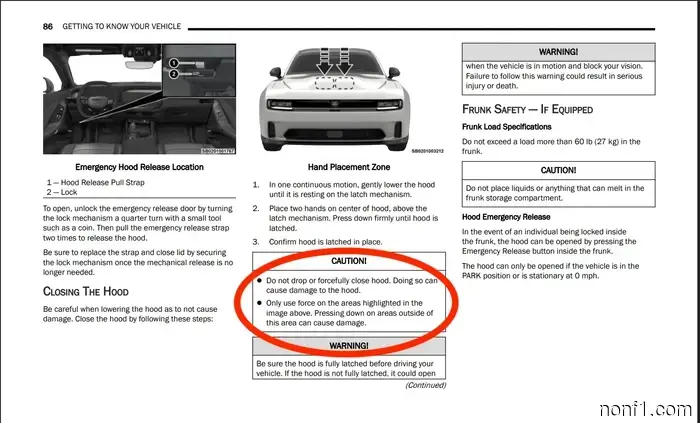
“The team identified the event you experienced, which was triggered by a body control module (BCM) software issue. During an engine start-stop (ESS) event, the BCM that monitors the hood latch sensor sent a brief, irregular voltage signal to the engine control module (ECM). Due to this irregular voltage, the ECM could not ascertain whether the hood was open or closed. The Charger’s safety protocol prohibits an automatic ESS restart if the hood is open, triggering your alert and necessitating a manual restart. Our team completed a software reflash of the BCM, which we believe has resolved the issue you experienced with this pre-production unit, and similarly has not been reported on any customer vehicles,” a spokesperson stated.
While a defective hood sensor could theoretically immobilize any new vehicle, Stellantis’ explanation didn’t fully clarify why I was unable to power cycle the car without repeated attempts.
I inquired with Stellantis for a detailed explanation of what constitutes a “manual restart,” as two of the three instances occurred while I was driving. “Manual restart indicates that the vehicle requires a standard key cycle (shift to park, foot on brake, and press the engine start button) because the automatic ESS restart was prevented due to the BCM’s voltage irregularity. The event you experienced is not linked to the transmission limp mode referenced in the owner’s manual,” commented a Stellantis spokesperson. Importantly, this means the car wasn’t instructing me to open the driver’s door and lock it to enter “sleep” mode—something impractical in these driving scenarios.
Searching online, I couldn’t find other complaints or reports of this issue occurring with the 2026
Other articles
 Emerson Fittipaldi gave advice to George Russell.
Emerson Fittipaldi, the legendary Brazilian driver, gave advice to George Russell on how he should act in the second half of the season if he intends to catch up with Kimi Antonelli...
Emerson Fittipaldi gave advice to George Russell.
Emerson Fittipaldi, the legendary Brazilian driver, gave advice to George Russell on how he should act in the second half of the season if he intends to catch up with Kimi Antonelli...
 The man responsible for the juke will become Nissan's new head of design.
Matthew Weaver, a veteran of Nissan for twenty-four years, will take over from Alfonso Albaisa, who is resigning from his position as the brand's corporate executive of global design on October 1.
The man responsible for the juke will become Nissan's new head of design.
Matthew Weaver, a veteran of Nissan for twenty-four years, will take over from Alfonso Albaisa, who is resigning from his position as the brand's corporate executive of global design on October 1.
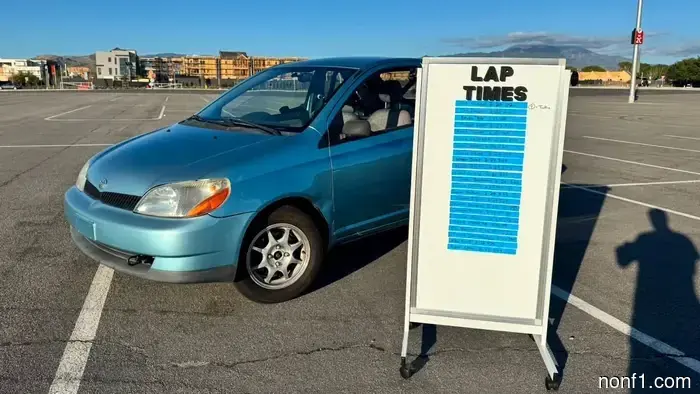 The Hottest Track Car in California Is a Standard Toyota Echo
If you believe that a "true" performance car is necessary for an enjoyable track day, let us introduce you to the Echo Hot Lap Challenge.
The Hottest Track Car in California Is a Standard Toyota Echo
If you believe that a "true" performance car is necessary for an enjoyable track day, let us introduce you to the Echo Hot Lap Challenge.
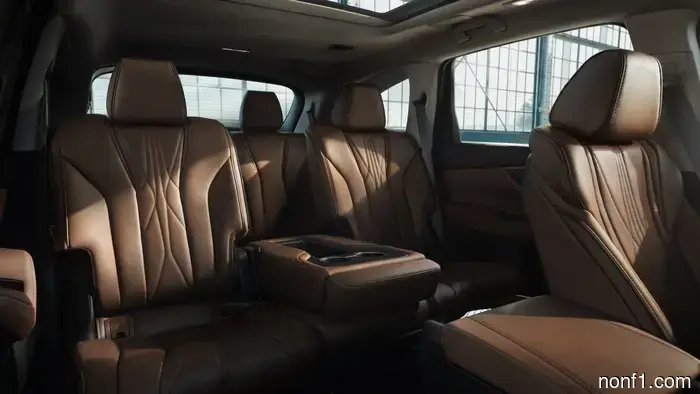 Heated seats rank as the top feature sought after by new car buyers.
Heated seats ranked highest among the features desired by new car buyers, whereas more frequently utilized features such as power seats, adaptive cruise control, and blind-spot detection systems received lower rankings.
Heated seats rank as the top feature sought after by new car buyers.
Heated seats ranked highest among the features desired by new car buyers, whereas more frequently utilized features such as power seats, adaptive cruise control, and blind-spot detection systems received lower rankings.
 Newey: When relationships improve, results grow as well.
Adrian Newey fully agrees with Koji Watanabe's opinion that the difficulties experienced at the beginning of the season are in the past...
Newey: When relationships improve, results grow as well.
Adrian Newey fully agrees with Koji Watanabe's opinion that the difficulties experienced at the beginning of the season are in the past...
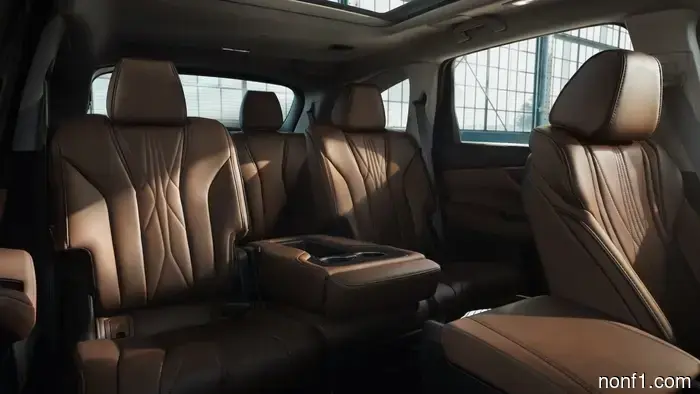 Heated seats are the top feature that new car purchasers desire.
Heated seats were the most desired feature among new car buyers, whereas features that are more commonly utilized, such as power seats, adaptive cruise control, and blind-spot detection systems, were ranked lower.
Heated seats are the top feature that new car purchasers desire.
Heated seats were the most desired feature among new car buyers, whereas features that are more commonly utilized, such as power seats, adaptive cruise control, and blind-spot detection systems, were ranked lower.
My 2026 Dodge Charger test vehicle became inoperable three times within five days.
It took four weeks and sending the car back to Detroit for Stellantis to understand what occurred, but we still have unanswered questions.