
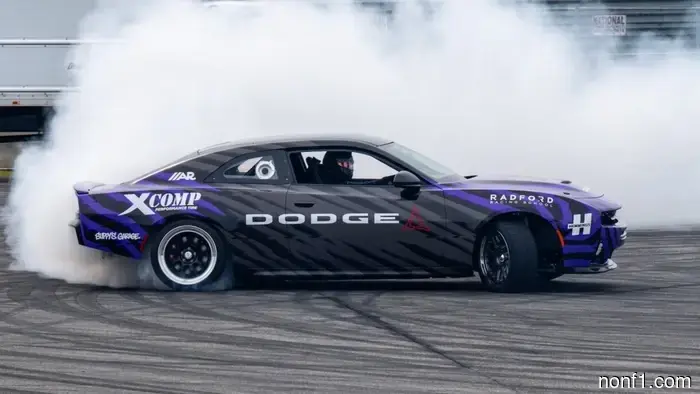
Dodge is trying its best to win people over to the new Charger—except by offering a V8 engine.
Stellantis
The latest in car news and reviews, no nonsense.
Sign up for our free daily newsletter to receive the most important stories straight to your inbox every weekday.
This week, Stellantis unveiled a range of updates regarding Dodge and SRT. Although they have not introduced a V8 engine for the current-generation Charger, they are implementing something that should have been included from the outset for the contentious new muscle car.
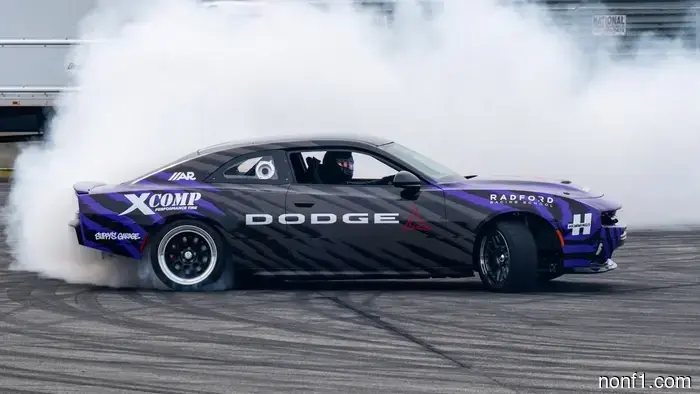
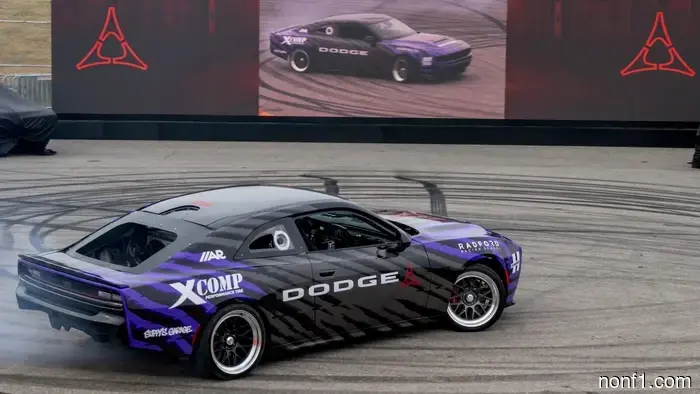
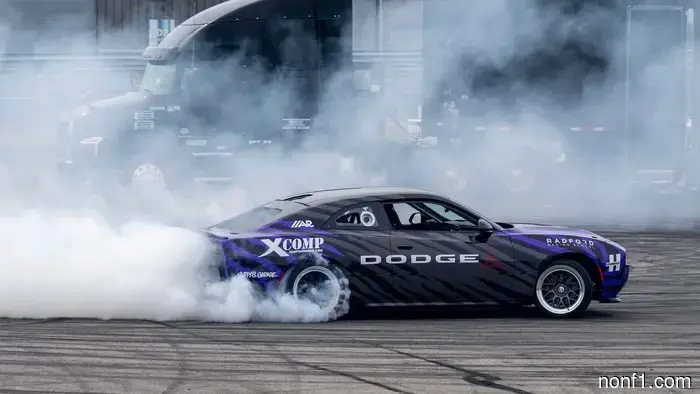
Stellantis has built a couple of drift cars that, while still equipped with the twin-turbo 3.0-liter Hurricane inline-six, will at least have the ability to burn rubber like genuine muscle cars. One is a coupe named the Boost, and the other is a sedan called the RPM (short for Rapid People Mover), which will transport guests at automotive lifestyle events for which these vehicles were designed. They will debut at Roadkill Nights in suburban Detroit before heading to the next Gridlife event at Laguna Seca and FuelFest in Arizona.
The cars started with the Sixpack H.O. version of the inline-six, factory-rated at 550 horsepower and 531 pound-feet of torque. Both models have been enhanced to what Stellantis refers to as a “conservative estimate” of 750 hp, featuring aftermarket turbos (with a single-turbo setup for the coupe), new intakes, and MoTec engine management systems. The coupe has also received a new exhaust system, while the sedan has new intercoolers and cooling system upgrades, likely for reliability during repeated rides.
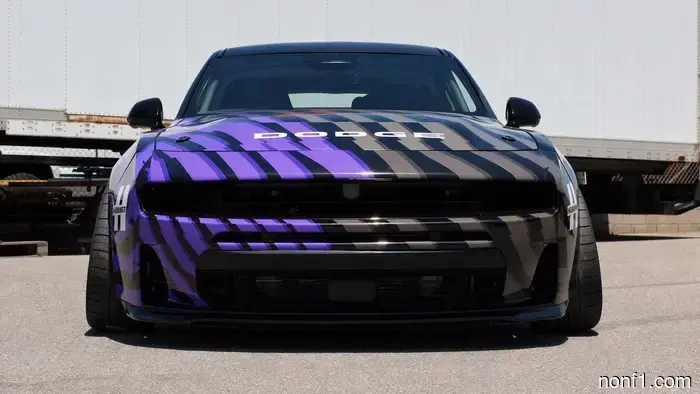
A drift car requires more than just power, so the Chargers were modified for pure rear-wheel drive (the stock versions have all-wheel drive with a front-axle disconnect) and had their eight-speed automatic transmissions replaced with manual ones. Essential modifications such as roll cages, reinforced drivetrain components, and flared fenders complete the upgrades. It’s unfortunate that Dodge won’t produce vehicles like these themselves, but they should at least look impressive smoking tires in front of enthusiastic crowds. This brings the Charger closer to realizing its potential.
The new Charger has disappointed many fans because it fails to capture the essence of its predecessor. Fusing the classic styling of the 1968 Charger with contemporary powertrains seemed promising until it became clear that the appearance of the last Charger was not what mattered. It was cherished as an affordable and accessible option for rear-wheel drive and V8 power. This might explain the dismal sales of the new Charger. Although the latest model is technically superior, it does not meet the desires of its fans.
Dodge appears to understand this. They are giving cars to content creators to demonstrate that the new Charger can be a great tuning platform like the old model (which is why there are so many Charger videos on YouTube), and the drift cars will help serve a similar marketing function. They will perform the actions that fans expect from Chargers. Now all that Dodge needs to do is offer that V8 option.
Other articles
 Fittipaldi: Max's departure will cause a shuffle of rearrangements.
The Brazilian Formula 1 veteran highly values Max Verstappen's loyalty to Red Bull, but does not rule out the possibility that the driver and the team may part ways...
Fittipaldi: Max's departure will cause a shuffle of rearrangements.
The Brazilian Formula 1 veteran highly values Max Verstappen's loyalty to Red Bull, but does not rule out the possibility that the driver and the team may part ways...
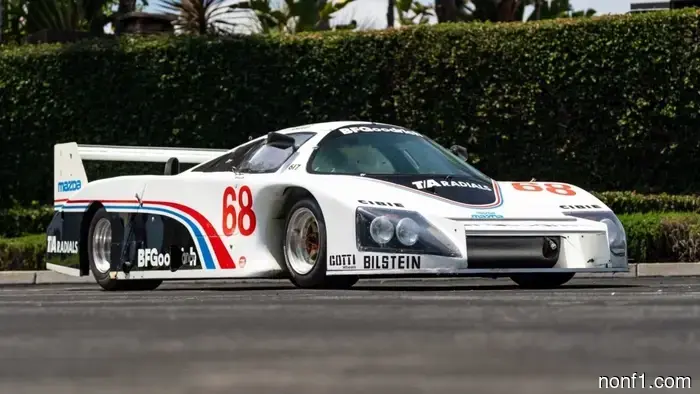 For Sale: 1984 Lola with Rotary Engine that Claimed Victory in Its Class at Le Mans on Street Tires
The T616 contributed to laying the groundwork for Mazda’s significant overall win seven years afterward.
For Sale: 1984 Lola with Rotary Engine that Claimed Victory in Its Class at Le Mans on Street Tires
The T616 contributed to laying the groundwork for Mazda’s significant overall win seven years afterward.
 These trucks are designed specifically to disperse fog to eliminate mosquitoes.
Mosquito control trucks have existed for many years, but since they primarily operate during the night, they are seldom observed.
These trucks are designed specifically to disperse fog to eliminate mosquitoes.
Mosquito control trucks have existed for many years, but since they primarily operate during the night, they are seldom observed.
Dodge is trying its best to win people over to the new Charger—except by offering a V8 engine.
New Charger drift cars guarantee donuts and burnouts, even if they feature the incorrect engine.