
Paul Williams on the features of the weekend in Zandvoort…
Before the Dutch Grand Prix, Williams' chief race engineer Paul Williams spoke about the factors that could influence the weekend's proceedings...
Question: What are the main technical challenges of the Zandvoort circuit?
Paul Williams: It's difficult to overtake on a short, twisty circuit, so qualifying and starting position become particularly important. The track resembles "American racing" with significant inclines and elevation changes, which puts a lot of strain on the car, increasing the risk of damage to the floor and other components when attacking curbs and on uneven surfaces. The circuit is located on the coast, where the weather is changeable and windy. The dunes block some areas, so the car's balance is constantly changing depending on the direction and strength of the wind. The current forecast indicates a high likelihood of rain, especially on Friday and Saturday.
Question: How will the features of the 2026 regulations affect the approach to the weekend?
Paul Williams: In terms of energy management, Zandvoort is similar to Budapest; ERS is actively used here, and the circuit is not too demanding on energy consumption. We will see two DRS zones where active aerodynamics can be used; they will remain active even in wet conditions, but in this case, the activation points will be shifted.
Question: What are the characteristics of working with tires at Zandvoort?
Paul Williams: The "medium" trio of compounds works excellently for this circuit in cool weather. The load on the front tires is high, but with significant asymmetry—the main load falls on the left front tire, which requires special attention to managing front-end slip. It's difficult to warm up the tires in one short qualifying lap; this requires careful preparation on the out lap and traffic management, especially relevant in the first and second parts of qualifying, where additional laps may be needed to "warm up" the tires. In the race, tire performance will be determined by high wear on the front left tire and overall tire overheating.
Question: What strategic considerations need to be taken into account?
Paul Williams: A good pace in qualifying at Zandvoort plays a more crucial role than pace in the race, as overtaking is very difficult there. In the sprint qualifying, we will likely see different strategies due to the complexity of preparing the tires for a fast lap—with a warm-up lap, with one or two cooling laps after the attempt. By the start of the main qualifying session, everything will settle down, with Soft tires becoming the primary choice in the first session. We expect the Grand Prix to take place with two pit stops, although a one-stop strategy is also possible. According to forecasts, Hard tires will be the best choice for the race, and most teams will try to preserve their two sets. In the sprint, drivers will likely use Medium tires, although some may opt for new Hard tires to attack later. The probability of a safety car deployment and the announcement of a VSC is 60%. Any such event after the 40th lap will likely necessitate a second pit stop for most drivers.

Other articles
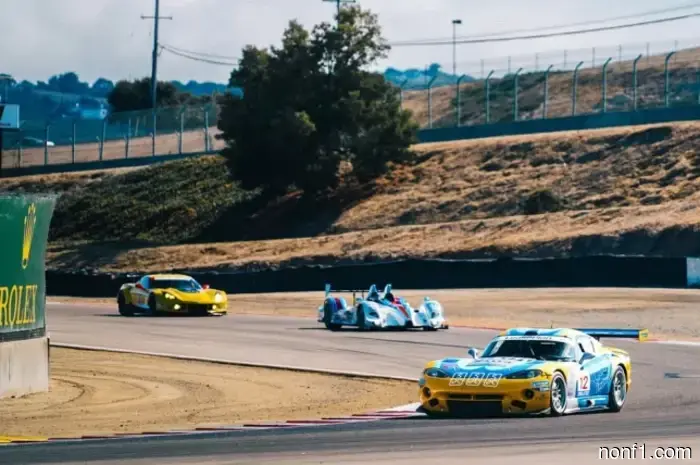 Jenson Button's garage has a Chrysler Viper GTS-R.
Jenson Button announced a new acquisition: another historic sports car has appeared in his garage – it's a Chrysler Viper GTS-R, which at one time competed in the FIA GT championship with Paul Belmondo...
Jenson Button's garage has a Chrysler Viper GTS-R.
Jenson Button announced a new acquisition: another historic sports car has appeared in his garage – it's a Chrysler Viper GTS-R, which at one time competed in the FIA GT championship with Paul Belmondo...
 Paul Williams on the features of the weekend in Zandvoort...
Before the Dutch Grand Prix, Williams' chief race engineer Paul Williams spoke about the factors that could influence the course of the weekend...
Paul Williams on the features of the weekend in Zandvoort...
Before the Dutch Grand Prix, Williams' chief race engineer Paul Williams spoke about the factors that could influence the course of the weekend...
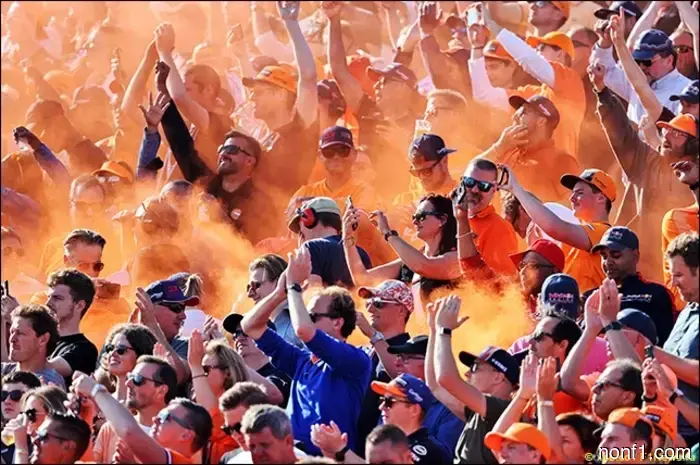 Dutch Grand Prix: Stage Preview
Any successful streak in Formula 1 eventually comes to an end...
Dutch Grand Prix: Stage Preview
Any successful streak in Formula 1 eventually comes to an end...
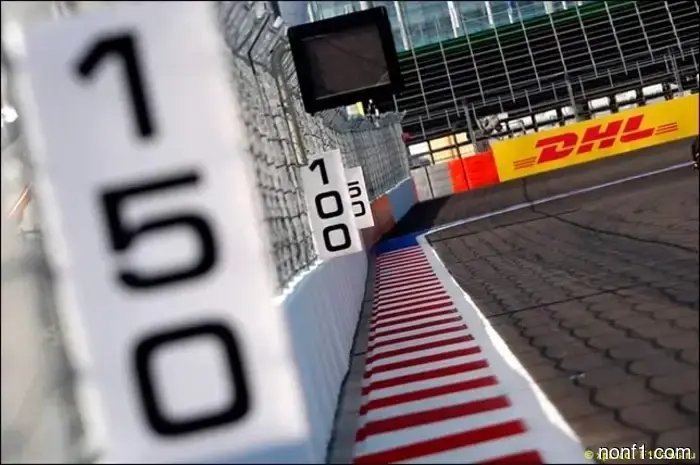 Dutch Grand Prix: Round Numbers
Round numbers before the Dutch Grand Prix...
Carlos Sainz and Williams extended the contract.
Williams announced a new multi-year contract with Carlos Sainz...
Vittantonio Liuzzi - third steward of the Dutch Grand Prix
Former Formula 1, FIA WEC, Super Formula, and Super GT driver Vitantonio Liuzzi has been invited by the FIA to serve as the third steward for the Dutch Grand Prix.
Dutch Grand Prix: Round Numbers
Round numbers before the Dutch Grand Prix...
Carlos Sainz and Williams extended the contract.
Williams announced a new multi-year contract with Carlos Sainz...
Vittantonio Liuzzi - third steward of the Dutch Grand Prix
Former Formula 1, FIA WEC, Super Formula, and Super GT driver Vitantonio Liuzzi has been invited by the FIA to serve as the third steward for the Dutch Grand Prix.
Paul Williams on the features of the weekend in Zandvoort…
Before the Dutch Grand Prix, Williams' chief race engineer Paul Williams spoke about the factors that could influence the course of the weekend...