
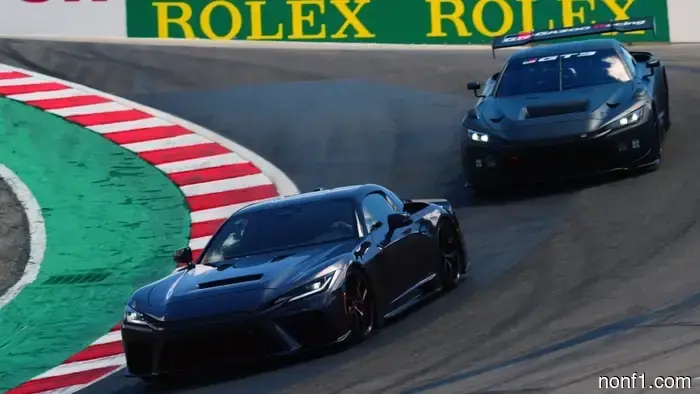
Toyota is aware that the GR GT "doesn't make financial sense." However, Akio has vowed to avoid producing dull vehicles.
Toyota
The latest car news and reviews, straightforward and to the point.
Our free daily newsletter delivers the most significant stories directly to you every weekday.
Earlier this week, we reported that the U.S. allocation for Toyota's latest supercar, the GR GT, is virtually sold out. The emphasis on "virtually" is crucial, as the company later clarified that no transactions have occurred yet, but they recognize there’s greater demand than supply—and that was intentional.
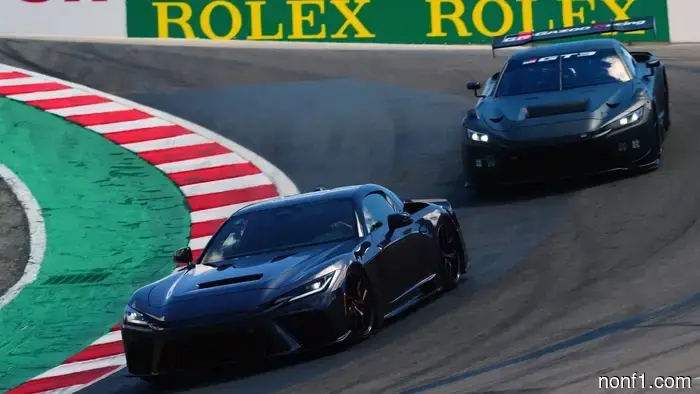
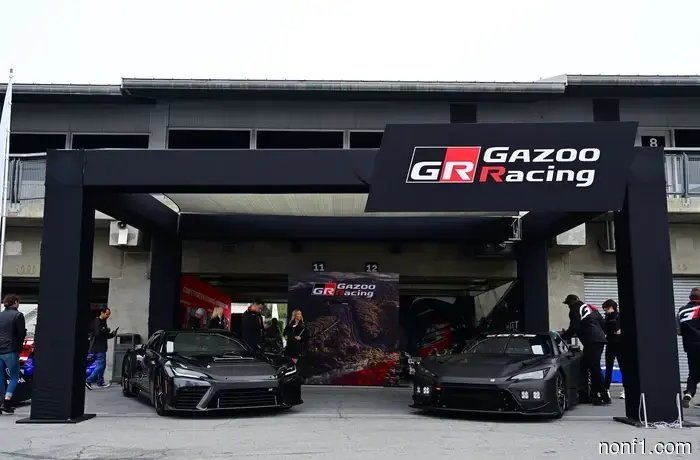
During last weekend’s engineering briefing at Laguna Seca, Toyota's Senior Vice President of Automotive Operations, Andrew Gilleland, shared additional intriguing insights about the project. Specifically, he discussed the business rationale behind the significant investment in creating a new flagship car and a GT3 race car at a time when the economy isn't thriving.
Gilleland candidly spoke about the project's complicated economics, stating that the “car itself makes no financial sense.” However, he elaborated on Toyota’s intentions to make wise long-term financial choices as the street and track versions of the supercar appeal to more buyers over time. He highlighted that one of the new car's main features is its flexibility, not just in terms of performance but also in its suitability for drivers.
After hearing “gentleman driver” mentioned several times during the briefing, I inquired whether this was Toyota’s primary business model and how it planned to engage customers—whether through a one-make series, customer vehicles via established teams, or something akin to Ferrari’s Corse Clienti.
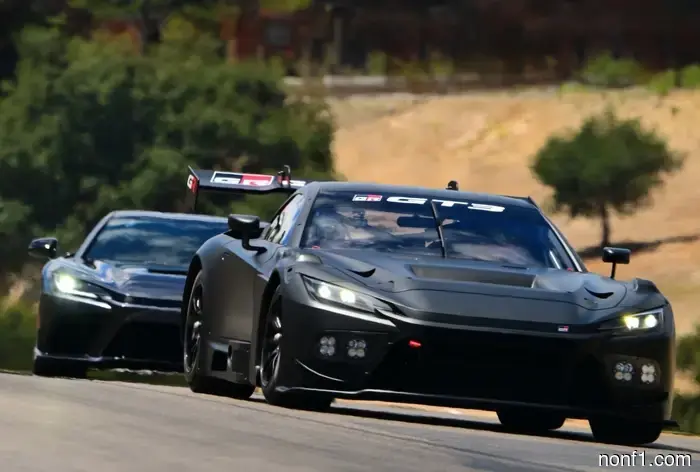
“We’ve discussed launching customer racing since Toyota currently lacks a customer racing program,” Gilleland informed The Drive. “This car was purposely designed, built, and engineered as a customer racing vehicle, so when [pro racer] Jack Hawksworth mentions its ease of use, that’s intentional. We want the gentleman driver to be able to step into this car and drive it reasonably quickly. This focus has been essential in developing the GT3 car.
“While the car itself may not be financially sound, it effectively showcases the company’s capabilities and creates a halo car. We race to make a statement, a pursuit shared by every car manufacturer, but ultimately it demonstrates our potential,” he added.
Hawksworth, who has participated in various racing formats including IndyCar, IMSA, and the 24 Hours of Le Mans, also discussed his role as a development driver for the GR GT and GT3 programs. He detailed how the cockpit's versatility surpasses that of the current Lexus RC-F race car, accommodating a broader range of drivers regarding size and skill. He described it as much more “spacious and comfortable,” which would reduce intimidation for new drivers and provide an easier learning curve, effectively making the car more appealing.
Gilleland underscored that Toyota's customer racing program would heavily rely on production capacity and output. Once Toyota assesses that, it would also need to learn about various aspects from its existing racing programs before deciding on a definitive path.
“The key issue is the production levels we can achieve; for us, in 2027, it will solely involve [IMSA’s] Vasser Sullivan Racing, but in the 2028 racing calendar year, we plan to introduce a customer program,” Gilleland mentioned. “It will start small. Do I envision a day five or six years into the lifecycle where we’ll be able to sell one [GT3] to a customer? Yes.”
“Honestly, this is one of the reasons we’re establishing the GR Cup and GT4; to understand customer racing and what we, as an OEM, need to do, along with what the teams need to handle—that’s part of the GR Cup’s inception,” Gilleland said. “The other aspect involves track and development. The GR Cup has shown us what support we require and what kind of racing engineering is necessary—even the number of haulers we need for parts.”
“Additionally, the challenge is that these vehicles are complex, which means a certain level of support at the track is necessary,” Gilleland explained. “We are working to formulate a ladder program for customer racing, developing this internally with TRD to ensure we can adequately support it.”
The veteran executive concluded by stating that the entire project is rooted in Akio Toyoda’s vision from decades ago, aimed at eliminating cars that lacked excitement and driving enjoyment. His aspiration was to create a world-class sports car, and this project embodies that dream.
“The technology incorporated into this [GT3] car and the road-going version is also present in a Camry,” Gilleland remarked. "One of Akio’s main passions when he became CEO 20 years ago was that he felt cars were dull and lacked excitement or fun to drive. Now, these vehicles have evolved, so if you experience a new Camry, it's genuinely enjoyable to drive. They’ve addressed the issues, making it fun without being harsh or uncomfortable.”
“We race to win and aim to secure more victories, but we
Other articles
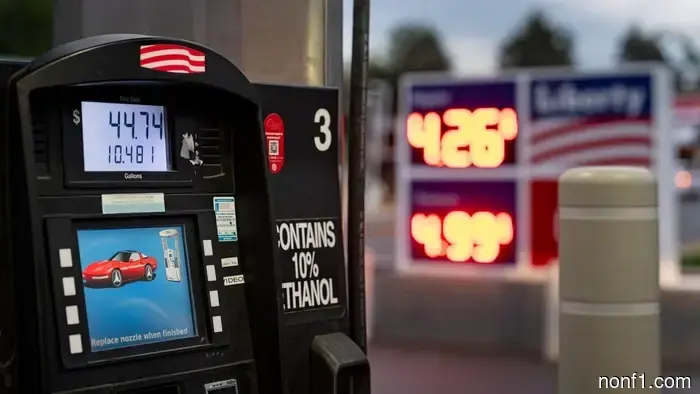 The government continues to manipulate fuel formulas in an effort to reduce gas prices.
The EPA is permitting the sale of more volatile "winter gas" sooner in the year than normal, despite the fact that elevated temperatures exacerbate pollution.
The government continues to manipulate fuel formulas in an effort to reduce gas prices.
The EPA is permitting the sale of more volatile "winter gas" sooner in the year than normal, despite the fact that elevated temperatures exacerbate pollution.
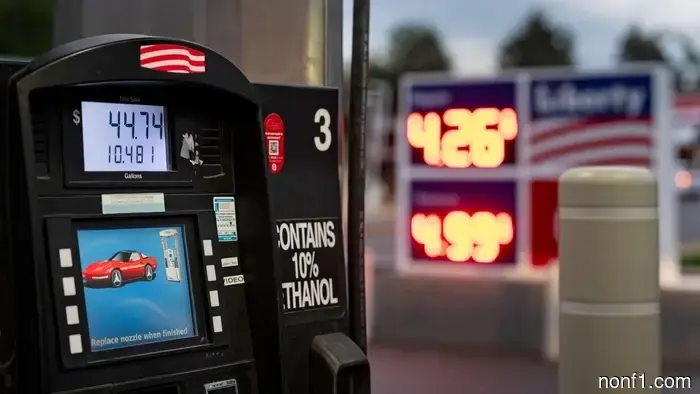 The government continues to adjust fuel formulas in an effort to reduce gas prices.
The EPA is permitting the sale of more volatile "winter gas" earlier in the year than normal, despite the fact that higher temperatures exacerbate pollution.
The government continues to adjust fuel formulas in an effort to reduce gas prices.
The EPA is permitting the sale of more volatile "winter gas" earlier in the year than normal, despite the fact that higher temperatures exacerbate pollution.
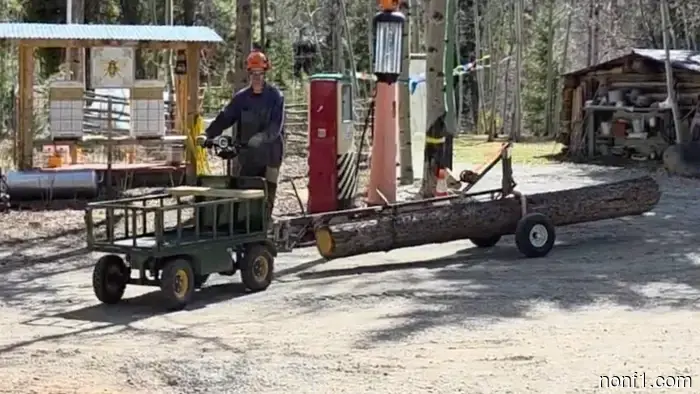 These Stand-On Motorized Wagons Have Given Rise to an Intriguing Modding Community
The StepRanger is marketed as a micro-truck that can access areas where larger pickups cannot, and owners are customizing them in some really impressive ways.
These Stand-On Motorized Wagons Have Given Rise to an Intriguing Modding Community
The StepRanger is marketed as a micro-truck that can access areas where larger pickups cannot, and owners are customizing them in some really impressive ways.
 GTA 6's driving physics suggest a comeback to the realism seen in GTA 4.
If you found the arcade-style vehicle handling in Grand Theft Auto V unsatisfactory, you might appreciate the latest GTA 6 gameplay leak.
GTA 6's driving physics suggest a comeback to the realism seen in GTA 4.
If you found the arcade-style vehicle handling in Grand Theft Auto V unsatisfactory, you might appreciate the latest GTA 6 gameplay leak.
 GTA 6's driving physics suggest a revival of the realism seen in GTA 4.
If you were let down by the arcade-style car handling in Grand Theft Auto V, you might appreciate the latest gameplay leak from GTA 6.
GTA 6's driving physics suggest a revival of the realism seen in GTA 4.
If you were let down by the arcade-style car handling in Grand Theft Auto V, you might appreciate the latest gameplay leak from GTA 6.
Toyota is aware that the GR GT "doesn't make financial sense." However, Akio has vowed to avoid producing dull vehicles.
A Toyota executive shares insights regarding the financial aspects of the brand's new flagship car and explains the importance of gentleman drivers for its success.