

Domenicali acknowledges that fans are bewildered as the upcoming V8 era approaches.
"Many new Formula 1 fans are not acquainted with this realm."
Formula 1 faces pressure to convince skeptical fans of its groundbreaking 2026 engine regulations, even as discussions about the subsequent set of rules have already begun. The 2026 power units will see a significant increase in electric power, accompanied by complex energy management systems. Some individuals in the paddock worry that the overall excitement may decline, particularly as new fans find it challenging to grasp the technology.
"We must be practical, effective in our communication, and simplify," stated F1 CEO Stefano Domenicali to Italian media prior to the Monza event. "Many new Formula 1 fans are unfamiliar with this world. And yes, the drivers will need to relearn their driving techniques. However, it won't replicate the 2014 scenario, where one manufacturer dominated. There will be many more factors influencing the outcome this time."
Behind the scenes, there is already momentum for the next engine cycle to arrive sooner—possibly lasting only four to five years. According to Auto Motor und Sport, a 2.4-liter V8 with hybrid technology is currently the preferred option. "Following Monza, we will discuss the regulations for the next cycle, beyond 2026," Domenicali confirmed to Italian reporters.
"The FIA's input is focused on simplifying the engine and attracting private suppliers, not just large manufacturers. We'll need to create an appealing project that utilizes sustainable fuels, which will help us reduce the size and weight of the cars." Auto Motor und Sport reported that the next engine strategy would incorporate an electric unit producing 220-240kW—intermediate between the current systems and the 350kW target for 2026. The FIA is thought to support a 2029 introduction, with backing from Red Bull Powertrains and Cadillac. However, manufacturers such as Audi and Honda prefer to adhere to the promised five-year cycle to safeguard their substantial investments.
"Developing the engines incurs the same costs for everyone," warned Dr. Helmut Marko, an advisor for Red Bull. "We need to focus more on the fans and less on the engineers when shaping future regulations. The engines must be simpler and more economical."
Ferrari may be more adaptable, while team principal Frederic Vasseur emphasized that cost reductions cannot occur without clear guidelines. "Clear explanations must outline how the expected cost reductions will be achieved," he mentioned, indicating stricter rules or a more definitive cap.
Sound is another contentious issue. Even V8s with hybrid systems and lean-burn technology might struggle to recreate the excitement of earlier times. Moreover, without turbos, fuel restrictions will continue to diminish the noise.
Costs are also a pivotal concern. From 2026 onward, manufacturers will encounter a $130 million annual cap, while customer teams will pay up to 20 million euros annually for engines and sustainable fuels. Reports suggest that the FIA is aiming for leasing fees of 10 million in the future.

Other articles
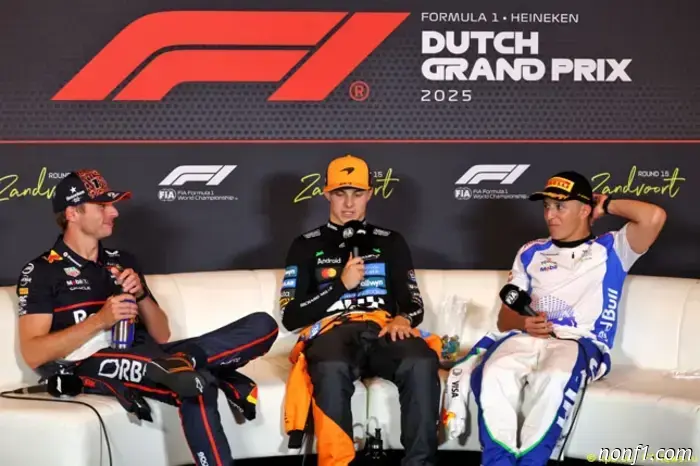 Italian Grand Prix: Press conference schedule
The FIA announced the lineup of participants for the official press conferences of the Italian Grand Prix.
Italian Grand Prix: Press conference schedule
The FIA announced the lineup of participants for the official press conferences of the Italian Grand Prix.
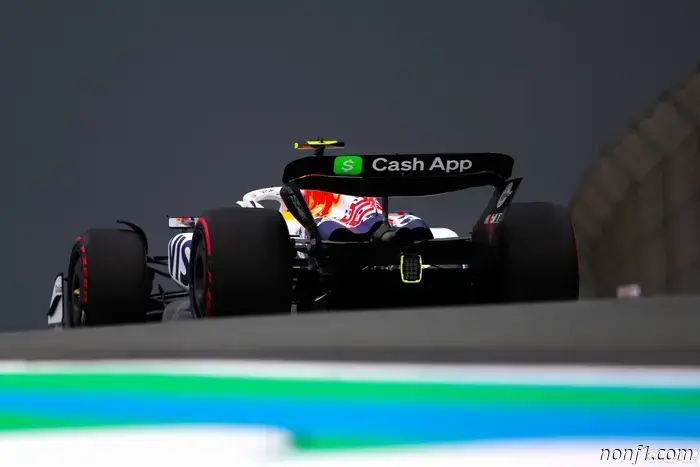 Team leaders dismiss the idea of Verstappen moving to Racing Bulls as a joke.
Formula 1 | After Zandvoort, Fernando Alonso quipped that if Max Verstappen had been behind the wheel of a Racing Bulls, he could have already clinched the world championship once more. The (…)
Team leaders dismiss the idea of Verstappen moving to Racing Bulls as a joke.
Formula 1 | After Zandvoort, Fernando Alonso quipped that if Max Verstappen had been behind the wheel of a Racing Bulls, he could have already clinched the world championship once more. The (…)
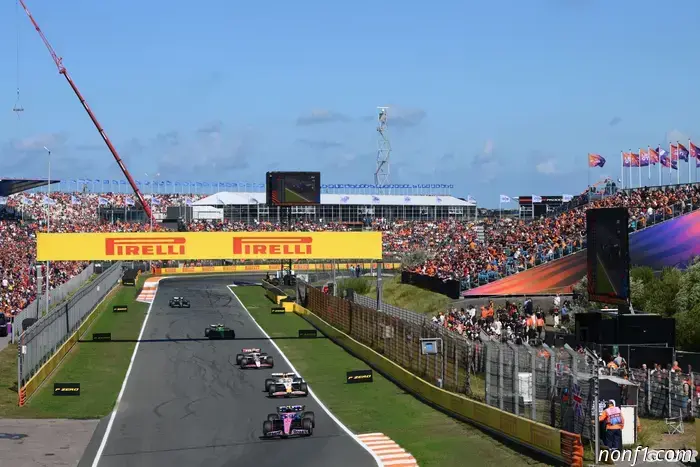 Domenicali indicates an increase in sprint races - as well as reverse grids.
Formula 1 | Stefano Domenicali has given the strongest indication so far that Formula 1 is set to broaden its sprint race format and may even try out reverse grids. (…)
Domenicali indicates an increase in sprint races - as well as reverse grids.
Formula 1 | Stefano Domenicali has given the strongest indication so far that Formula 1 is set to broaden its sprint race format and may even try out reverse grids. (…)
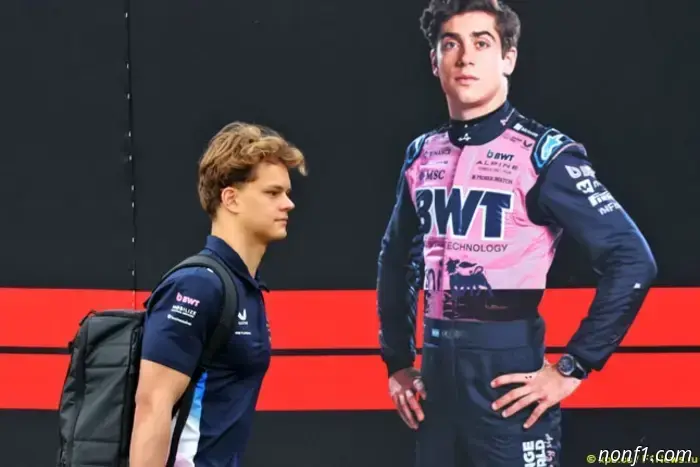 Paul Aron will replace Colapinto in the first practice in Monza.
Estonian driver Paul Aron will return behind the wheel of a Formula 1 car in the first free practice session of the Italian Grand Prix.
Paul Aron will replace Colapinto in the first practice in Monza.
Estonian driver Paul Aron will return behind the wheel of a Formula 1 car in the first free practice session of the Italian Grand Prix.
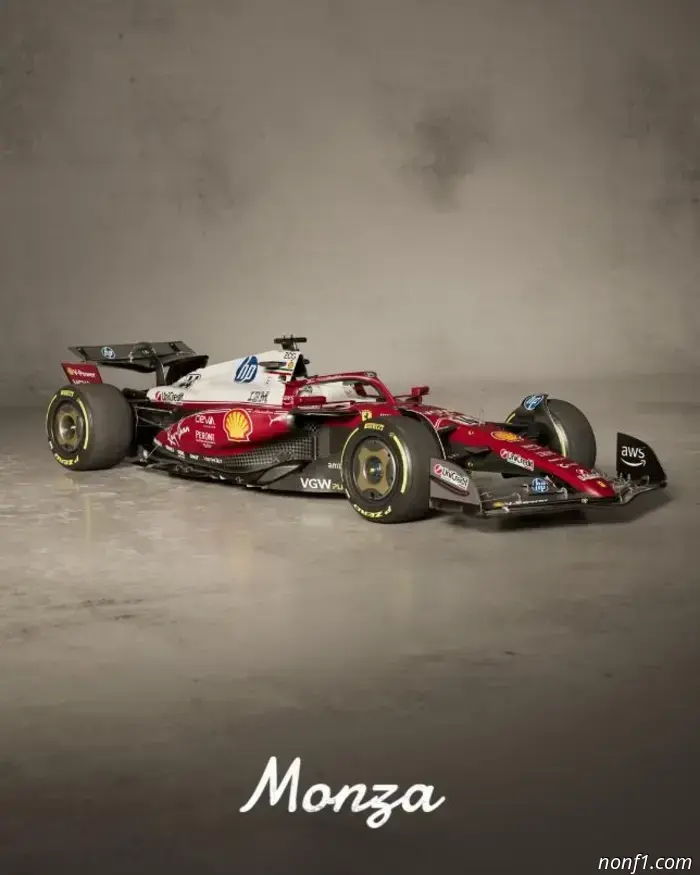 Photo gallery: Ferrari livery at Monza in honor of Niki Lauda
© F1News.Ru Editorial Office 1997–2025. Mass Media Registration Certificate El No. FS77-29173. Registered by the Federal Service for Supervision of Communications, Information Technology and Mass Media.
Photo gallery: Ferrari livery at Monza in honor of Niki Lauda
© F1News.Ru Editorial Office 1997–2025. Mass Media Registration Certificate El No. FS77-29173. Registered by the Federal Service for Supervision of Communications, Information Technology and Mass Media.
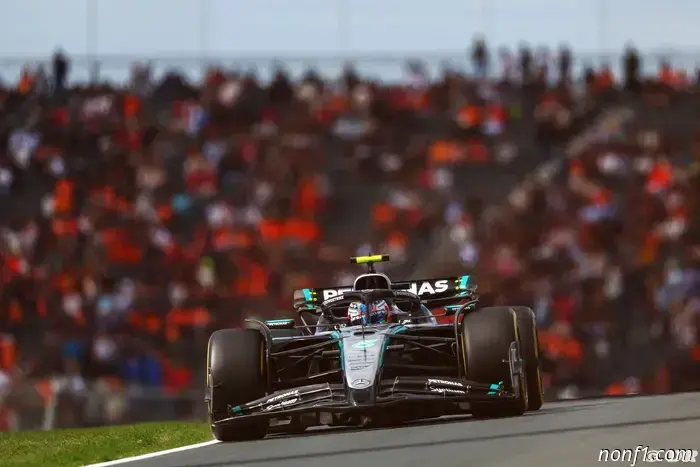 Wolff states that no 'official announcement' is required for 2026.
Formula 1 | Toto Wolff has addressed the ongoing speculation regarding Mercedes' 2026 lineup, affirming that both George Russell and Kimi Antonelli will continue with the team in (…)
Wolff states that no 'official announcement' is required for 2026.
Formula 1 | Toto Wolff has addressed the ongoing speculation regarding Mercedes' 2026 lineup, affirming that both George Russell and Kimi Antonelli will continue with the team in (…)
Domenicali acknowledges that fans are bewildered as the upcoming V8 era approaches.
Formula 1 is facing pressure to convince skeptical fans about its revolutionary engine regulations for 2026, even while discussions have begun regarding the following set of rules.