
There is no urgency to alter the 2026 regulations prior to Suzuka.
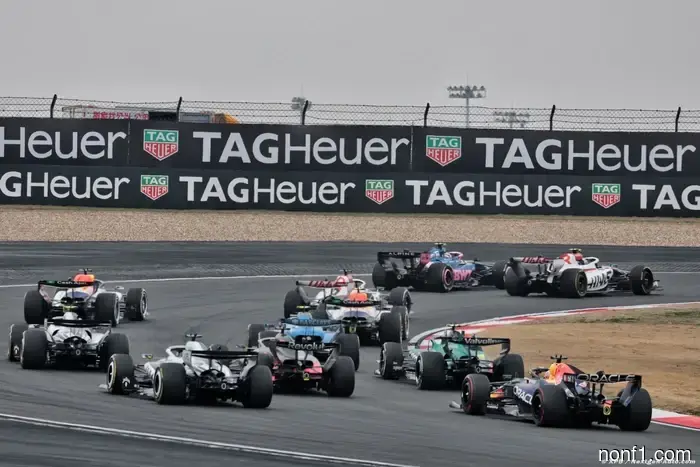
Formula 1 will not hastily implement rule changes despite increasing criticism of the contentious 2026 regulations. Concerns initially surfaced during winter testing, indicating that the new cars, which heavily rely on energy management, might lead to less exciting racing. As a result, F1, the FIA, and the teams planned a special meeting after the first two races of the season. However, that meeting has now been delayed, meaning there won't be any immediate rule adjustments before Suzuka. Team principals and series leaders reportedly do not see a need for urgent action after the Chinese Grand Prix offered an engaging race. Instead, discussions regarding possible modifications will occur after the Japanese Grand Prix, following three completed races.
"We definitely shouldn’t rush into decisions," stated Haas team principal Ayao Komatsu. "If we decide to make changes, we need to do it correctly and thoroughly." The primary criticism of the new regulations revolves around the significant dependence on battery usage, which has resulted in noticeable 'lift and coast' racing—drivers sometimes easing off well before the end of straights and fast corners to manage their energy. One potential solution being considered is to reduce the available battery power, which could minimize the exaggerated energy management influence.
Mercedes team principal Toto Wolff acknowledged the political complexities surrounding the matter, noting, “We have a strong car that can win at this moment. Let’s see what political challenges arise in the upcoming weeks and months.” Nonetheless, there has been widespread disapproval of the new cars among traditionalists. Former F1 driver Mika Salo expressed to Ilta-Sanomat, "There’s no overtaking; it’s merely a change in positions." However, the Finnish driver believes racing could improve as teams and drivers become more familiar with the intricate power units. "I think the races will get better once they learn how to extract all the power from the cars and optimize the power unit," he stated.
Others share a more optimistic view. MotoGP champion Marc Marquez noted that the racing has already featured thrilling battles. "Now we witness conflicts between Mercedes and Ferrari, including overtaking moves that weren’t seen before," he told EFE. "Patience is key; this could pave the way for a promising future."
Former F1 driver Juan Pablo Montoya also sees the new driving style as appealing. "It’s about mastering the timing of the lift to conserve battery life," he mentioned to AS Colombia. Montoya suggested that if F1 seeks a simple solution, lowering the battery power could prolong deployment and enhance the racing experience. "If the battery power is reduced from 350kW to 250kW, it will last significantly longer," he explained.
Not everyone agrees that this is the right direction for the sport. Max Verstappen famously labeled the new Formula 1 as "Formula E on steroids," and even Formula E co-founder Alberto Longo admitted he prefers the traditional F1. "I liked the old F1, and I’m being straightforward about it," Longo told Soy Motor. "Formula 1 should be about who can brake the latest. Formula E was designed to differentiate itself from F1—each championship should maintain its distinct identity."
Other articles
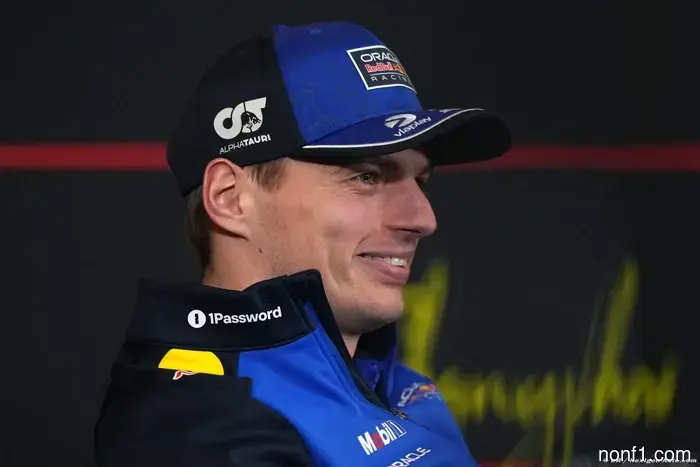 Verstappen advises Antonelli to put the GT dream on hold for the time being.
Formula 1 | Max Verstappen's disappointment following yet another difficult grand prix in 2026 was momentarily alleviated in Shanghai when the discussion shifted to Kimi Antonelli's debut (…)
Verstappen advises Antonelli to put the GT dream on hold for the time being.
Formula 1 | Max Verstappen's disappointment following yet another difficult grand prix in 2026 was momentarily alleviated in Shanghai when the discussion shifted to Kimi Antonelli's debut (…)
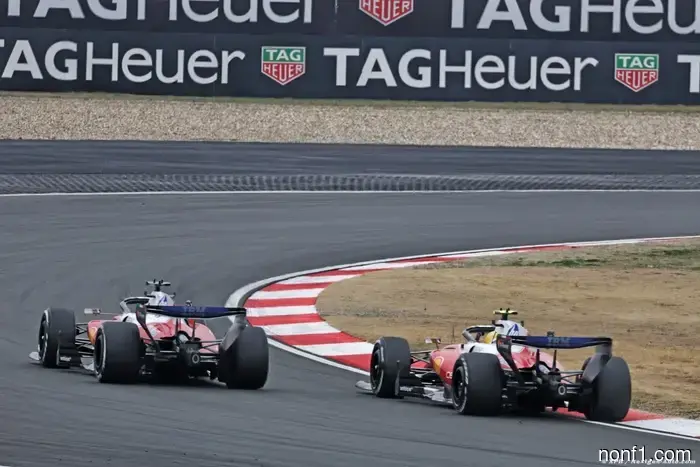 Hamilton attributes Ferrari's 2026 resurgence to their willingness to listen.
Formula 1 | Lewis Hamilton asserts he has returned to his top form after finishing third in China on Sunday, outpacing teammate Charles Leclerc in a competitive Ferrari matchup that (…)
Hamilton attributes Ferrari's 2026 resurgence to their willingness to listen.
Formula 1 | Lewis Hamilton asserts he has returned to his top form after finishing third in China on Sunday, outpacing teammate Charles Leclerc in a competitive Ferrari matchup that (…)
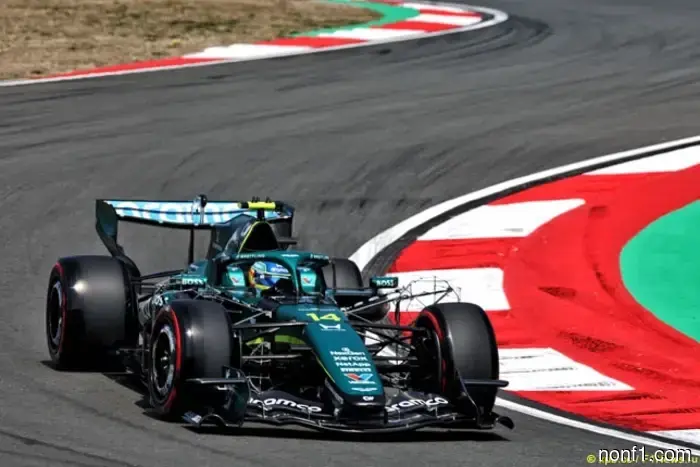 Negotiations are taking place at Honda's headquarters with Aston Martin.
The Aston Martin team remains the only one whose drivers have not finished a race after two rounds of the 2026 season. On Sunday in Shanghai, Lance Stroll retired after just nine laps due to a battery issue. His teammate Fernando Alonso managed to complete 32 laps out of 56 before he stopped racing due to a more serious problem.
Negotiations are taking place at Honda's headquarters with Aston Martin.
The Aston Martin team remains the only one whose drivers have not finished a race after two rounds of the 2026 season. On Sunday in Shanghai, Lance Stroll retired after just nine laps due to a battery issue. His teammate Fernando Alonso managed to complete 32 laps out of 56 before he stopped racing due to a more serious problem.
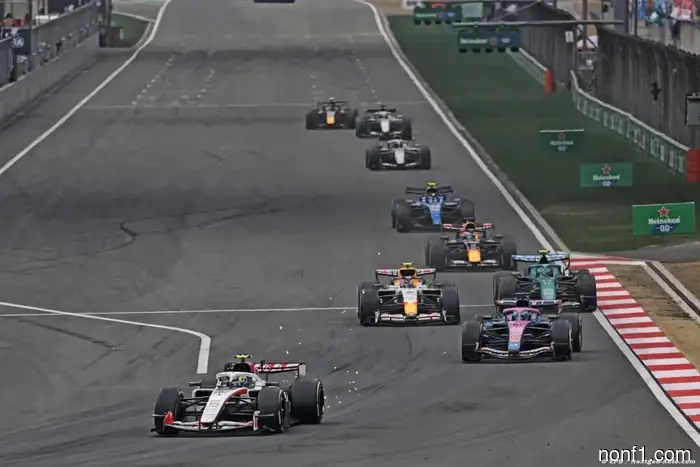 Villeneuve supports the 2026 regulations as criticism intensifies.
Formula 1 | Jacques Villeneuve has backed the contentious 2026 regulations of Formula 1, despite ongoing criticism from present drivers growing stronger. (…)
Villeneuve supports the 2026 regulations as criticism intensifies.
Formula 1 | Jacques Villeneuve has backed the contentious 2026 regulations of Formula 1, despite ongoing criticism from present drivers growing stronger. (…)
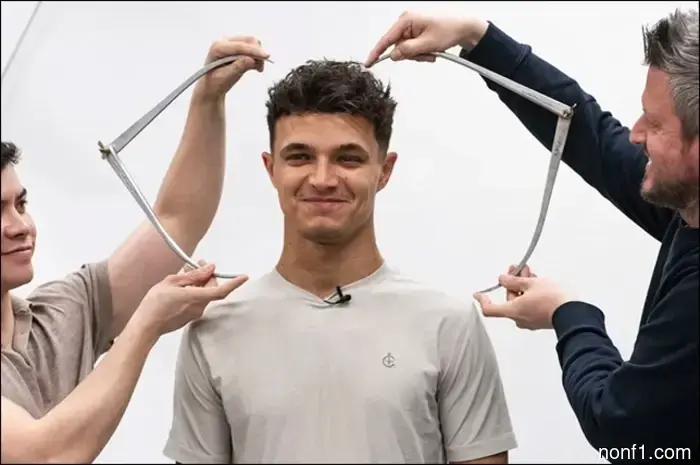 The wax figure of Norris will appear in the Madame Tussauds museum.
This summer, the figure of the 2025 Formula 1 champion Lando Norris will be displayed at the famous Madame Tussauds wax museum in London.
The wax figure of Norris will appear in the Madame Tussauds museum.
This summer, the figure of the 2025 Formula 1 champion Lando Norris will be displayed at the famous Madame Tussauds wax museum in London.
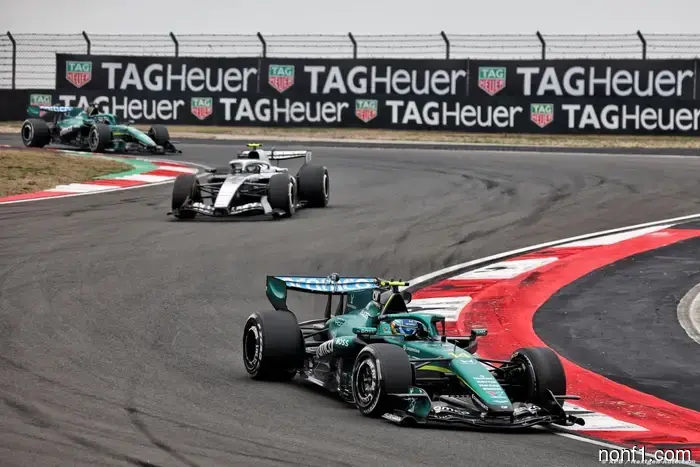 Gulf axe offers a blend of advantages and challenges for teams in difficulty.
Formula 1 | The cancellation of the Bahrain and Saudi Arabian races might provide some Formula 1 teams with a sense of quiet relief - however, Aston Martin's Pedro de la (…)
Gulf axe offers a blend of advantages and challenges for teams in difficulty.
Formula 1 | The cancellation of the Bahrain and Saudi Arabian races might provide some Formula 1 teams with a sense of quiet relief - however, Aston Martin's Pedro de la (…)
There is no urgency to alter the 2026 regulations prior to Suzuka.
Formula 1 | Despite increasing criticism of the contentious 2026 regulations, Formula 1 will take its time before implementing any rule changes. Concerns started to arise during (…)