
Screamer Review: Setting a New Standard for Artistic Excellence in Racing Games
The latest automotive news and reviews, straight to the point.
Subscribe to our free daily newsletter that delivers the most significant stories straight to your inbox every weekday.
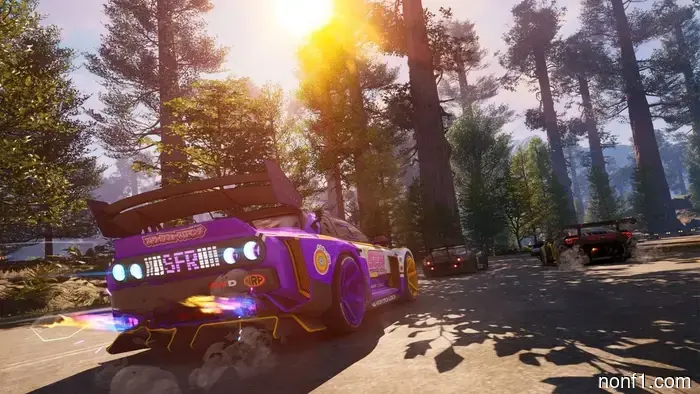
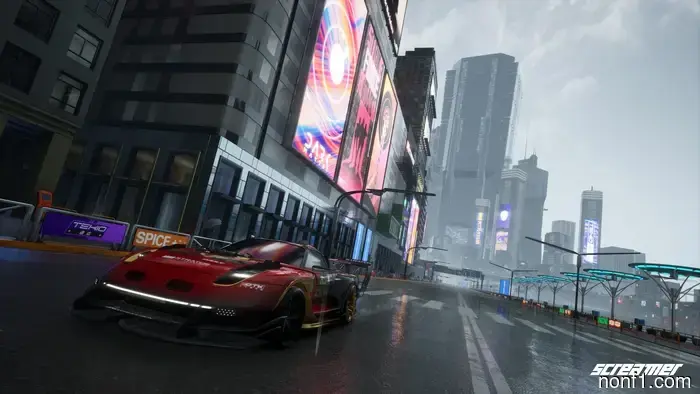
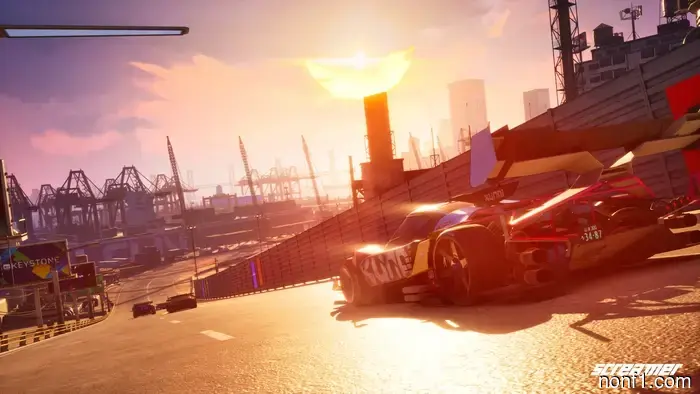
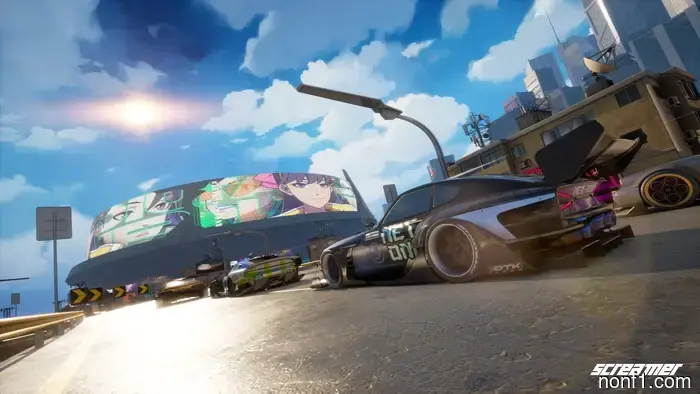
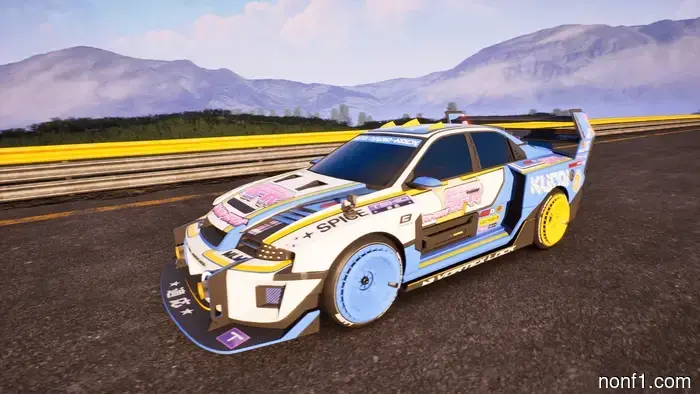
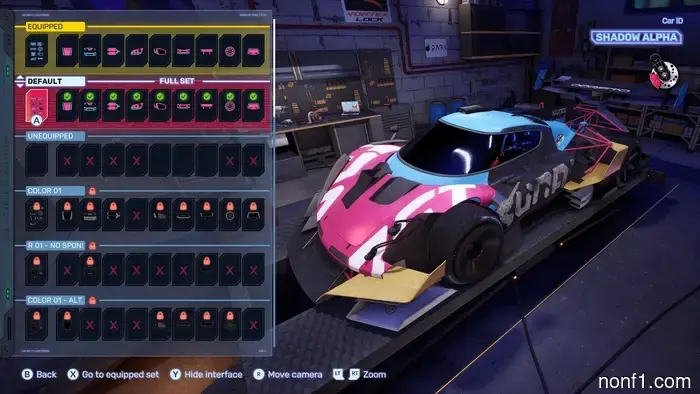
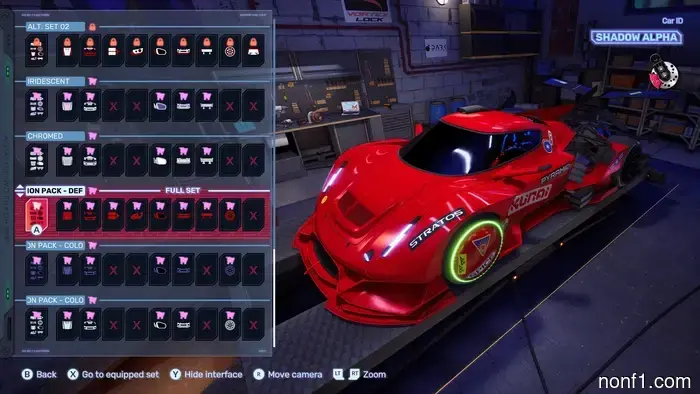
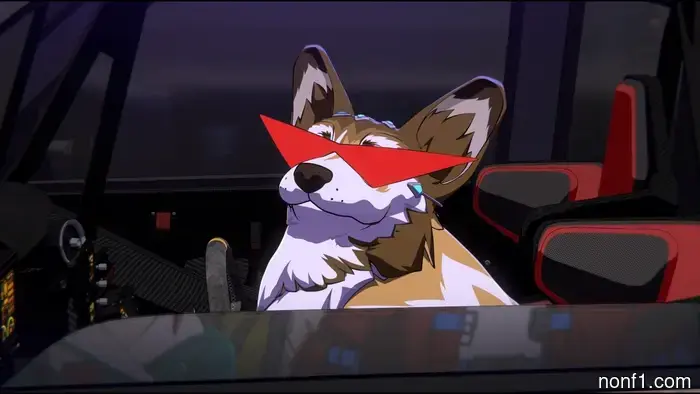
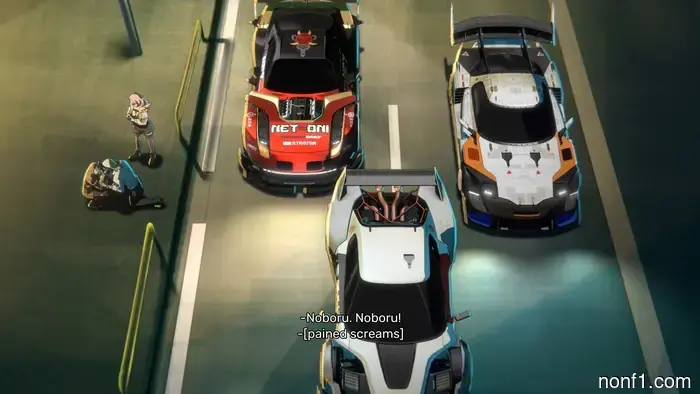
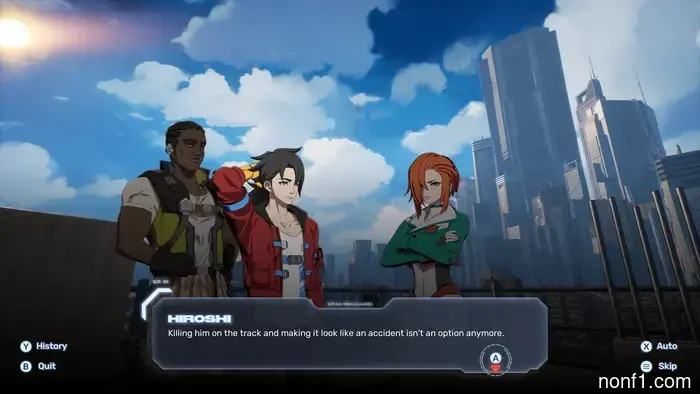
Games like Screamer are rare these days. This narrative-driven, cyberpunk-inspired arcade racer features an unconventional control system and lacks an open world, created by the developers behind Hot Wheels Unleashed and various motorcycle simulators. It’s ideal for competitive gaming but also offers an extensive single-player campaign; the cars themselves are impressive characters, though they aren’t licensed. And the soundtrack? It’s fantastic. Screamer is not just enjoyable—it's the most unexpected standout in racing games in many years, and I'm thrilled that it exists.
Screamer’s impressive art design, combat mechanics, and rich lore are likely to foster a dedicated fanfiction community, which might disguise it as something more intricate than it really is at its core: an arcade racer. Those who remember the original Screamer from the mid-’90s will recall it as a PC-exclusive 3D polygonal racing game that provided a substitute for Ridge Racer for those who didn’t own a PlayStation. This latest game comes from the same development team—originally known as Graffiti, now Milestone, based in Milan—yet the similarities end there.
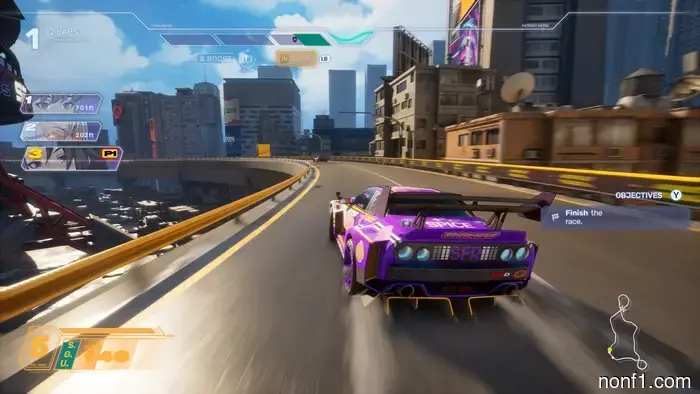
The new Screamer's primary unique feature is its control layout: driving utilizes both left and right analog sticks alongside throttle and brake on the triggers where expected. The left stick handles steering, while the right stick initiates drifting, regardless of throttle position. We will discuss the feel of this system in more detail soon.
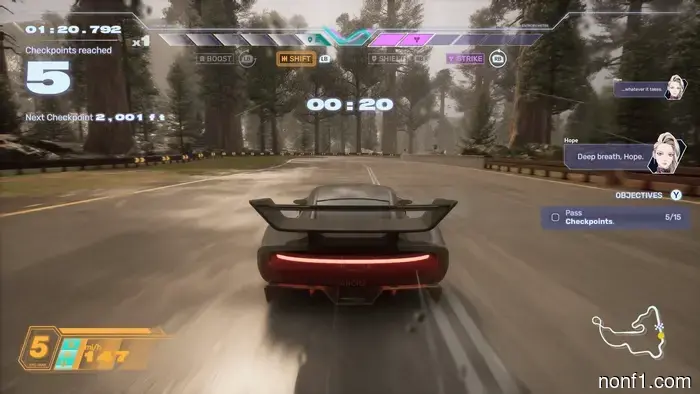
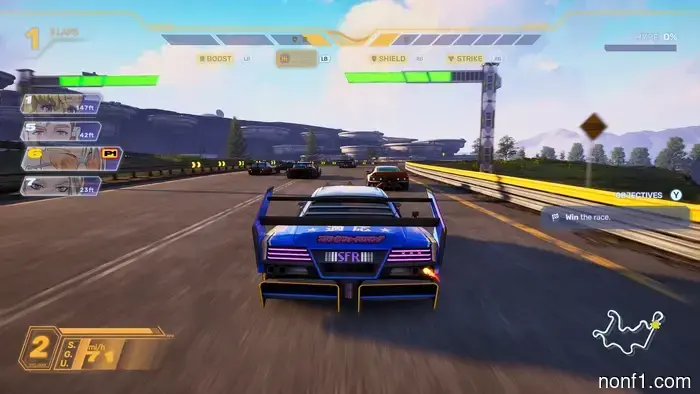
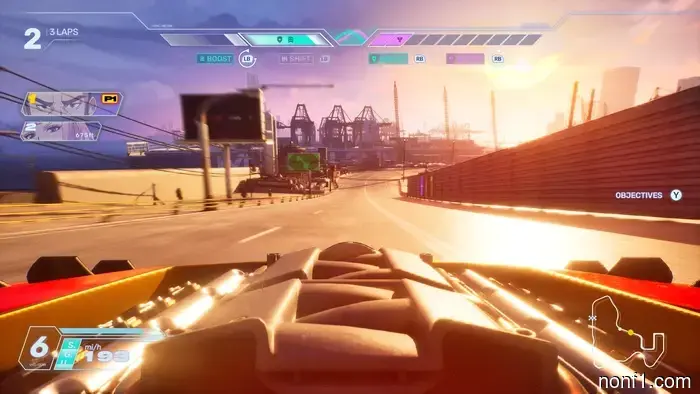
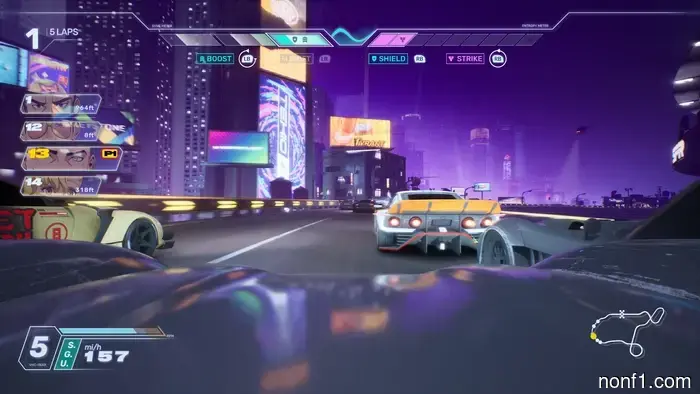
Given that this is a video game in 2026, driving alone may not suffice to engage all players, so you'll have to manage two meters during races: Sync and Entropy. Sync essentially serves as Screamer's version of a speed boost, which you build not by drifting but by shifting gears at the right moments and maintaining top speed. Entropy, introduced a bit later in the story mode, adds a combat element to racing. Burning your Sync for a boost generates Entropy, which allows you to briefly transform your car into an unstoppable force, capable of taking out opponents (who respawn). Knocking them out also replenishes some Sync, creating a gratifying gameplay loop when everything aligns perfectly.
Entropy can also be used to momentarily shield yourself from attacks—termed Strikes—and you’ll be notified of incoming attacks through the HUD. Strikes can also be canceled before launched, as they are triggered by holding a button. A crafty trailing driver might start to charge a Strike to trick their rival into using their shield, then abandon the attack, and finally take them out once the shield is gone and they are vulnerable again.
There’s a lot happening, but the left blue section of the HUD indicates your Sync status, while the pink area on the right shows Entropy. The speedometer flashes gold to signal when it’s time to upshift, using the left shoulder button, which aids in generating Sync more quickly.
With all these systems in play—and the ways in which specific characters and their cars utilize them—it’s clear that Screamer operates as much on strategy as it does on traditional racing skills. The only slight issue is that to manage all this, you’re responsible for operating the gas and brake, two analog sticks, and two shoulder buttons that perform different actions based on whether you're tapping or holding them. As someone who enjoyed Sega Rally, I believe the driving experience can stand on its own, and Nintendo’s recent attempts to add verticality to Mario Kart didn’t appeal to me as much as trying to build a shelter during a firefight in Fortnite.
Yet, even someone like me finds enjoyment in it. It’s a lot to handle, and during my initial hours with the game, I often mixed up my controls. You can’t relax in Screamer; the AI opponents show remarkable resilience, and if you don’t nail your shifts, you’ll accumulate Sync so slowly that you risk falling into the wake of the driver behind you. However, executing everything from corner to corner does create a rhythmic flow.
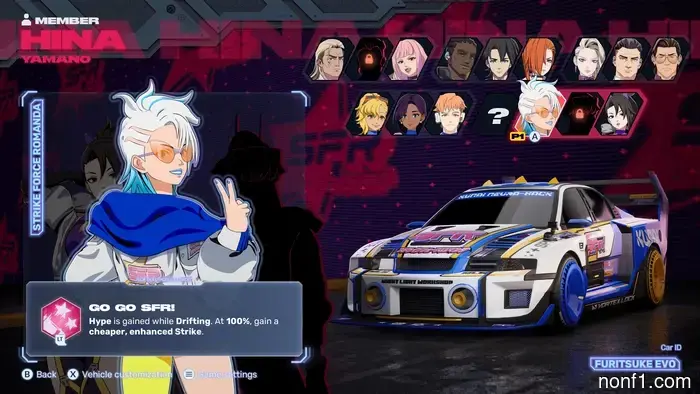
Hina's car stands out as particularly intriguing to drive, as its left-stick steering is less sensitive than others, but it drifts exceptionally well. Drifting fills up a unique bar called Hype, exclusive to her and her teammates, which grants her an additional Strike when fully charged.
Returning to the physics, I initially struggled with how Screamer handled. The left stick for “normal” steering feels heavy and cumbersome—imagine Criterion’s Need for Speed Hot Pursuit with cinder-block tires. This forces you to depend more on the right “drift” stick for positioning your car. However, the left stick isn’t entirely useless; it assists in fine-tuning drift angles. Once you learn to use both sticks together and understand how braking and easing off the throttle significantly influence sharper turns, it starts to come together, though I still wasn't


Other articles
 Piastri sent a video message to a young fan.
Oscar Piastri crashed his car even before the start of the race in Melbourne, which greatly disappointed Australian fans, but not all the consequences of this incident were known immediately...
Piastri sent a video message to a young fan.
Oscar Piastri crashed his car even before the start of the race in Melbourne, which greatly disappointed Australian fans, but not all the consequences of this incident were known immediately...
 Piastri sent a video message to a young fan.
Oscar Piastri crashed the car even before the start of the race in Melbourne, which greatly disappointed Australian fans, but not all the consequences of this incident became known immediately...
Piastri sent a video message to a young fan.
Oscar Piastri crashed the car even before the start of the race in Melbourne, which greatly disappointed Australian fans, but not all the consequences of this incident became known immediately...
 Elbon: We cannot hide behind the problem of chassis weight.
The unplanned break in the championship will allow Williams to conduct a detailed analysis of the car's shortcomings and take at least some measures to address them. And there are quite a few shortcomings...
Elbon: We cannot hide behind the problem of chassis weight.
The unplanned break in the championship will allow Williams to conduct a detailed analysis of the car's shortcomings and take at least some measures to address them. And there are quite a few shortcomings...
 When your Toyota GR86 engine fails after 17,000 miles of intense use, you replace it with an alternative.
If you're determined to monitor your car, a damaged engine won't deter you.
When your Toyota GR86 engine fails after 17,000 miles of intense use, you replace it with an alternative.
If you're determined to monitor your car, a damaged engine won't deter you.
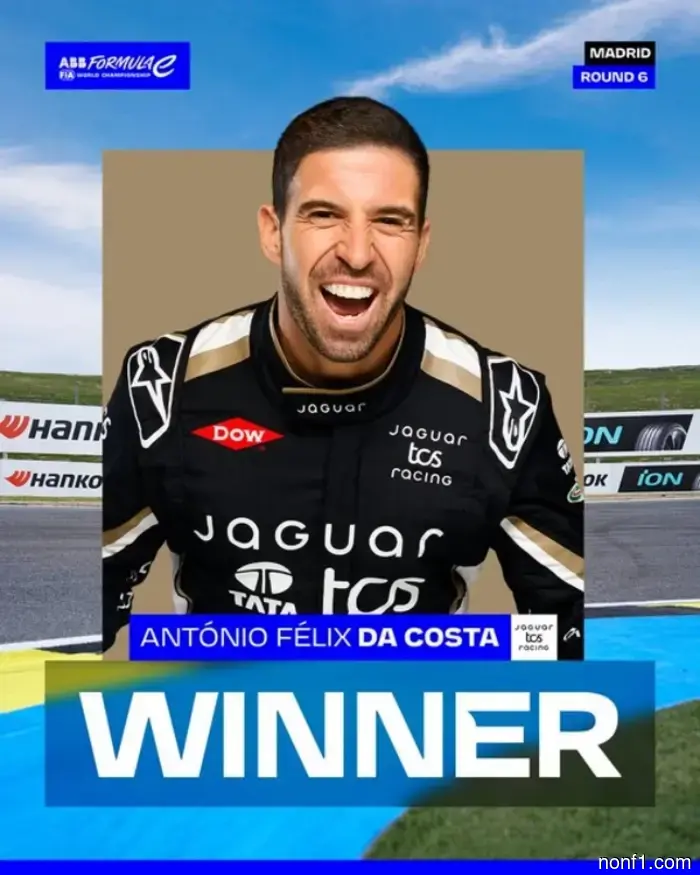 Formula E: Da Costa clinches second consecutive victory
Antonio Félix da Costa won the February race in Jeddah, and today he claimed victory in Madrid, with Mitch Evans finishing second, and the Jaguar team celebrates a winning double...
Formula E: Da Costa clinches second consecutive victory
Antonio Félix da Costa won the February race in Jeddah, and today he claimed victory in Madrid, with Mitch Evans finishing second, and the Jaguar team celebrates a winning double...
 Vowles spoke about Williams' plans for the April break.
James Vowles explained how the April break in the championship should be used at Williams, as the team faced serious difficulties at the beginning of the season.
Vowles spoke about Williams' plans for the April break.
James Vowles explained how the April break in the championship should be used at Williams, as the team faced serious difficulties at the beginning of the season.
Screamer Review: Setting a New Standard for Artistic Excellence in Racing Games
A highly stylized, narrative-driven, circuit-based arcade racing game, it's been ages since you've experienced anything like Screamer.