
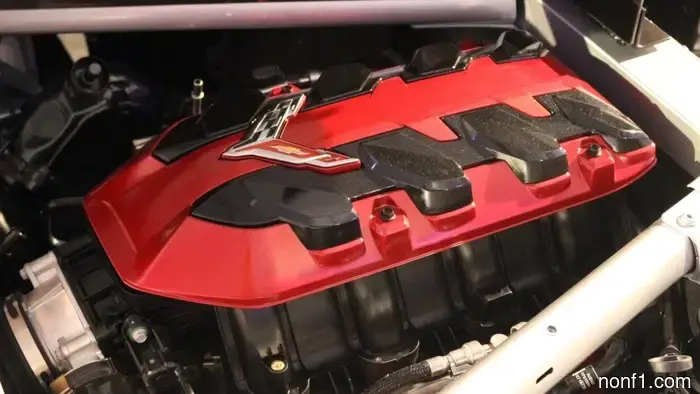
Chevy's updated LS6 provides the 2027 Corvette with more torque than any production naturally aspirated V8 in history.
Byron Hurd
The latest in car news and reviews, without the fluff
Our free daily newsletter delivers the most important stories straight to your inbox every weekday.
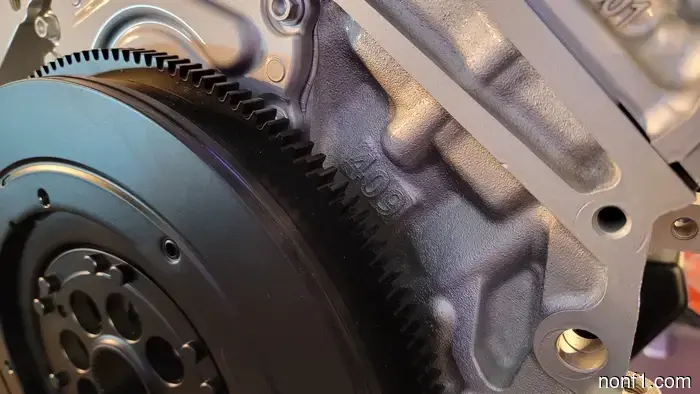
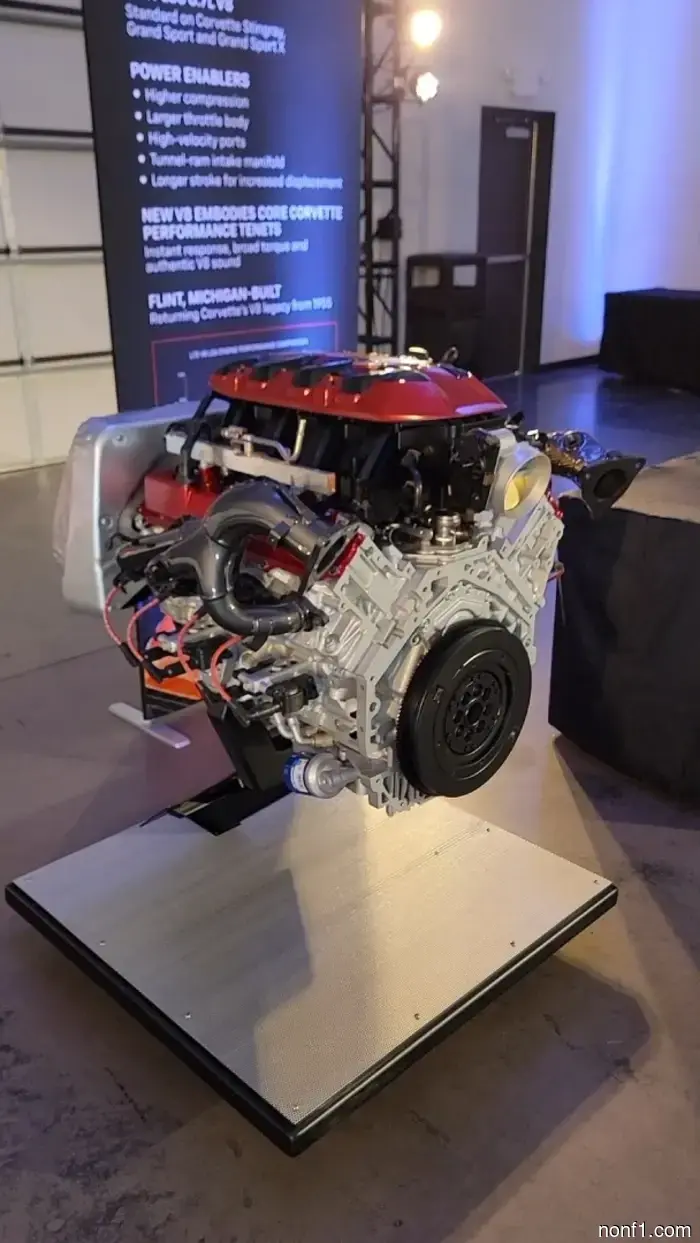
Recently, Chevy announced the comeback of the Corvette Grand Sport and hinted at the launch of a next-generation V8 engine. It’s time to say farewell to the 495-horsepower, 6.2-liter LT2, and welcome the 535-horsepower, 6.7-liter (409 cubic inches—let’s go!) LS6. Yes, it’s returning, in a manner of speaking.
You might think this isn’t your grandfather’s LS6, but this nameplate has been revived before, and the previous version was retired not too long ago. Originally used in the ’70s, the name was more recently associated with the 5.7-liter V8 that was phased out from the Corvette's lineup early in the C6 generation, eventually being replaced by the 6.2-liter LS3 in 2008.
Aside from its name, the new LS6 shares almost nothing with its predecessors, apart from its intended purpose and size. It’s more appropriate to view it as an evolution of the LT2 that it effectively replaces. The 535-horsepower LS6 will power the 2027 Corvette Stingray, Grand Sport, and Grand Sport X. Yes, each version gets it (aside from the Z06 and ZR1 models, of course). And the E-Ray? It’s effectively gone—more accurately, it has been replaced by the previously mentioned Grand Sport X. Apologies to the skeptics. Those electrified Corvettes are here to stay for now.
As a development of the LT2, the LS6 retains most of the foundational traits of its predecessor. It maintains the same 4.4-inch bore diameter (a hallmark of GM's small-block engines) and fits into the same space (which is why it’s standard in the Stingray). Chevy’s performance engineers scrutinized every aspect of the engine to look for ways to enhance performance.
Since the bore size remains unchanged, it’s no surprise that Chevy discovered an additional half liter of displacement by extending the piston stroke by 8 mm. This increased stroke enhances piston speeds, leading to higher temperatures. A new two-piece water jacket improves cooling around the hottest areas of the combustion chamber (primarily near the exhaust valve and spark plug).
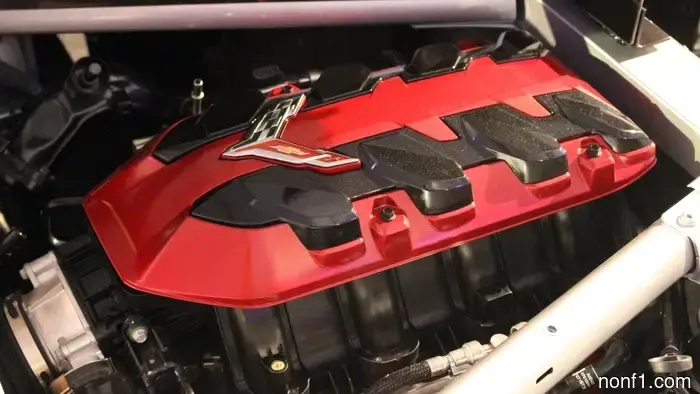
The redesigned intake plenum enables the engine to draw in more air, so the throttle body has also been slightly enlarged. A new ECU gives Chevy’s engineers greater control over fueling and timing, which allowed them to raise the compression ratio to 13:1—a figure that previously required leaded gasoline. Welcome to the future.
As a result, the LS6 not only delivers more power and torque compared to the LT2 but does so throughout the entire RPM range (up to a 6,600 RPM redline). The torque rating? 520 pound-feet—the highest of any naturally aspirated production V8. Go ahead and look up the Godzilla; you might be disappointed.
LS6 lead engineer Mike Kociba compared the combined benefits of these advancements to fitting a small supercharger onto the LT2, all without the added complexities of forced induction.
For now, the LS6 will be exclusive to the Corvette, with engines manufactured in Flint, Michigan—not at GM’s Tonawanda facility, where the current LT2 is produced alongside the company’s small-block L84 and L87 truck engines. However, based on current insights, it seems likely that the LS6’s enhancements will eventually extend to the broader engine family, at which point Tonawanda will likely be involved again. Stay tuned.
Have a news tip? Reach out to us at tips@thedrive.com.
Other articles
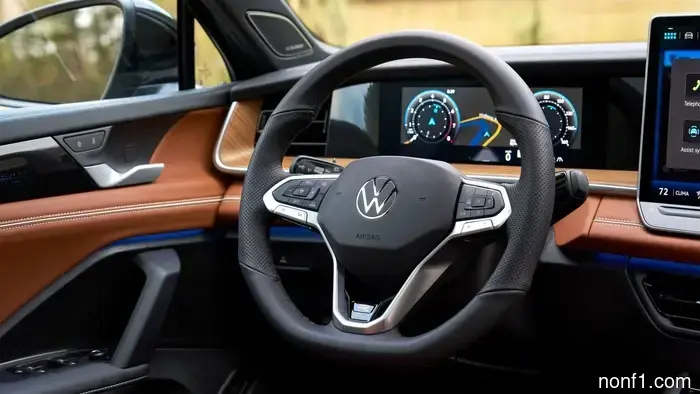 VW CEO Declares Real Buttons and Door Handles as ‘Essential’: TDS
The German car manufacturer was known for removing physical buttons from its interiors. However, recently, it has altered its approach.
VW CEO Declares Real Buttons and Door Handles as ‘Essential’: TDS
The German car manufacturer was known for removing physical buttons from its interiors. However, recently, it has altered its approach.
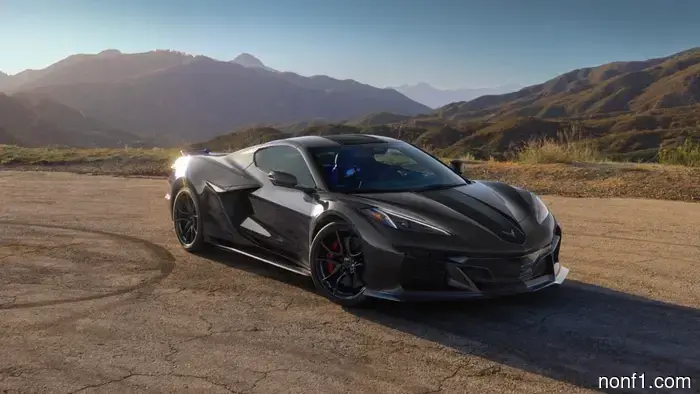 The Corvette E-Ray Is No Longer Available, But Grand Sport X Continues Its Legacy.
The Chevrolet Corvette E-Ray was short-lived, lasting just three years, but its existence has paved the way for an even more alluring hybrid supercar.
The Corvette E-Ray Is No Longer Available, But Grand Sport X Continues Its Legacy.
The Chevrolet Corvette E-Ray was short-lived, lasting just three years, but its existence has paved the way for an even more alluring hybrid supercar.
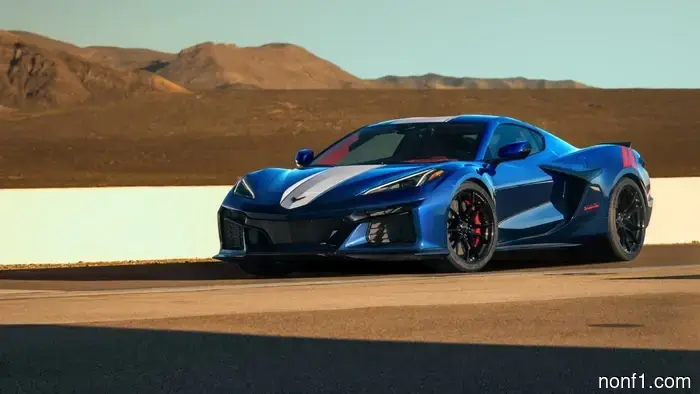 2027 Chevy Corvette Grand Sport: The Perfect Balance Returns Featuring the New LS6 and Z06 Aerodynamics
It encompasses all the features you adore from earlier Grand Sports, but it has been enhanced for the more powerful C8.
2027 Chevy Corvette Grand Sport: The Perfect Balance Returns Featuring the New LS6 and Z06 Aerodynamics
It encompasses all the features you adore from earlier Grand Sports, but it has been enhanced for the more powerful C8.
Chevy's updated LS6 provides the 2027 Corvette with more torque than any production naturally aspirated V8 in history.
A new small-block GM V8 has arrived, producing even greater torque than the powerful Ford Godzilla.