
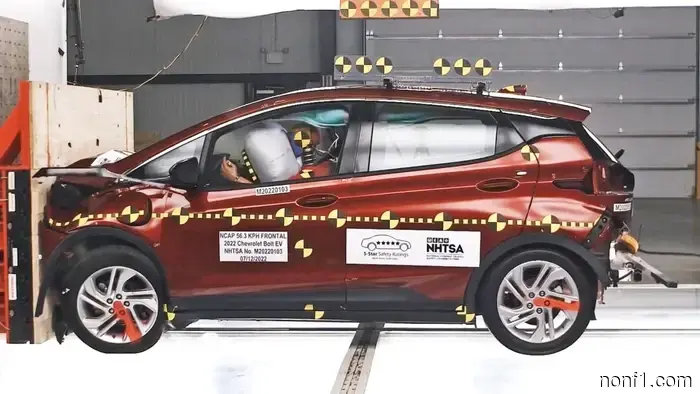
How GM Leveraged Virtual Crash Testing to Swiftly Reintroduce the Chevy Bolt
NHTSA
The latest in car news and reviews, no nonsense.
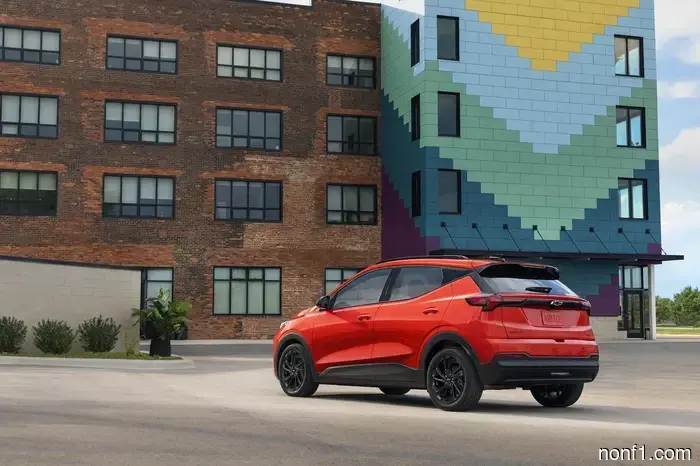
Bringing the 2027 Chevrolet Bolt EV to dealership lots after its discontinuation and subsequent revival demanded considerable ingenuity. General Motors’ reversal on producing this affordable electric vehicle involved relocating an assembly line and stockpiling parts to construct prototypes for a swift restart of production. However, as Bolt’s chief engineer Jeremy Short explained to The Drive, another unexpected element in meeting the stringent timeline was virtual crash testing.
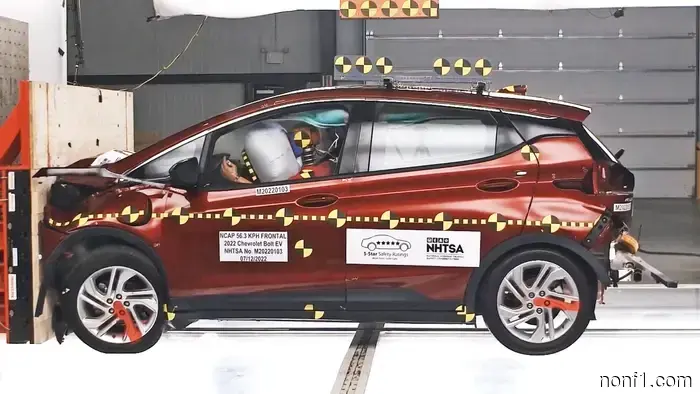
Virtual crash testing, as the name implies, refers to using simulations with complete 3D models of a vehicle instead of physically damaging metal. These simulations are based on commercially available software enhanced by GM’s proprietary modifications, aligned with real-world tests of specific components such as airbags and seats. While these software tools have been in use for some time, for the 2027 Bolt EV, engineers felt confident enough to forgo most physical crash tests on pre-production vehicles, only conducting the essential final test for regulatory approval in the real world. Short stated, "we’ve greatly reduced the number of cars we run into walls."
“It is astonishingly effective,” Short remarked. “It’s a relatively intricate 3D model of the vehicle that includes every component, along with the mechanical properties of the plastics, steel, and more.” Engineers can simulate crash tests and repeat variations—such as adjusting a weld, modifying the size of a bracket, or changing speeds—without the need to crash an actual car.
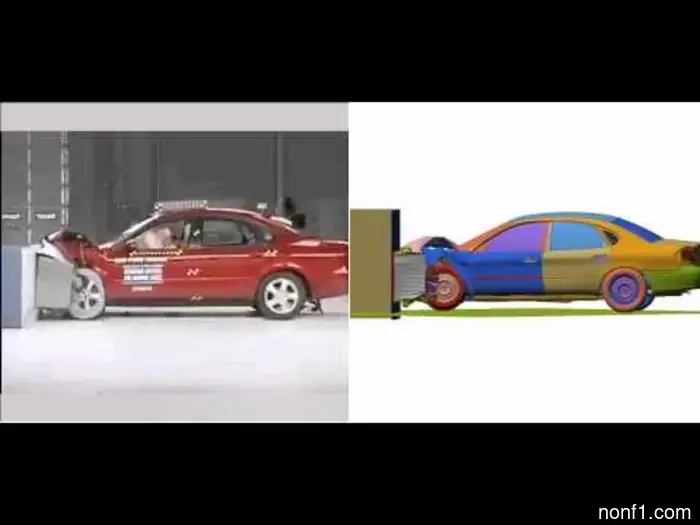
The 3D models are animated and demonstrate a crumpled vehicle at the conclusion of a test, though they are not photorealistic, emphasized Short. GM chose not to release screenshots or videos from their actual Bolt testing, but an older YouTube video offers a rough idea of the visuals involved. Notably, the simulation's visual accuracy compared to reality is impressive, especially considering the video is over 15 years old, indicating that the technology has undoubtedly improved since then.
However, the visuals take a back seat to the data produced. These figures, which represent the force applied to specific vehicle parts or crash-test dummies, are crucial for scoring the tests. The visual representation of a crash—whether virtual or real—can sometimes be deceptive.
“It’s often the case that the most visually damaged crash performs better, while an apparently minor crash may reveal the need for modifications,” Short noted.
The revived Bolt EV retains many features of the model that was phased out post-2023, but significant enough modifications necessitated a complete set of crash tests. New regulations were implemented following the last crash testing of the Bolt EV, and modifications to the interior had to be evaluated to ensure they didn’t impede airbag deployment. Engineers enacted “drastic” changes to the front structure, but conducting these tests virtually saved both time and resources, according to Short.
Virtual crash testing allowed the preservation of approximately two dozen costly pre-production cars, and acquiring those vehicles was challenging due to GM transitioning the Bolt EV assembly line from Michigan to Kansas during development. This made obtaining bodies for prototypes difficult. The flexibility offered by virtual crash testing justified its use on its own, Short concluded.
“If you presented me with a traditional program, I would definitely choose the virtual method because it’s simply superior.”
Have a tip? Reach out to us: tips@thedrive.com
Other articles
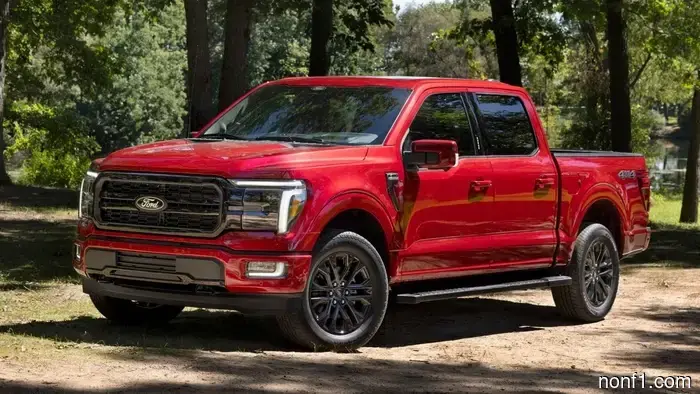 Ford and GM Raise Destination Fees to $2,795 for Full-Size Trucks
Currently, Ram and Toyota continue to have reduced destination charges.
Ford and GM Raise Destination Fees to $2,795 for Full-Size Trucks
Currently, Ram and Toyota continue to have reduced destination charges.
 Statistics of past Grands Prix: Races and drivers
Statistics of drivers' performances in the past Grand Prix...
Statistics of past Grands Prix: Races and drivers
Statistics of drivers' performances in the past Grand Prix...
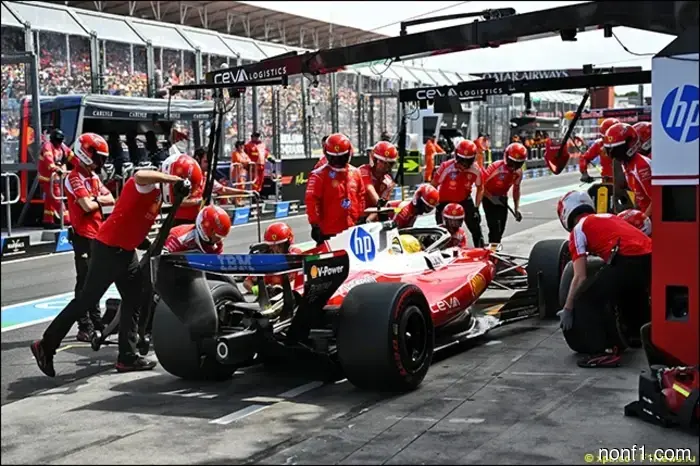 DHL Fastest Pit Stop Award: Best Pit Stop at Ferrari
At Suzuka, the fastest pit stop was performed by Ferrari mechanics, servicing Lewis Hamilton's car in exactly two seconds.
DHL Fastest Pit Stop Award: Best Pit Stop at Ferrari
At Suzuka, the fastest pit stop was performed by Ferrari mechanics, servicing Lewis Hamilton's car in exactly two seconds.
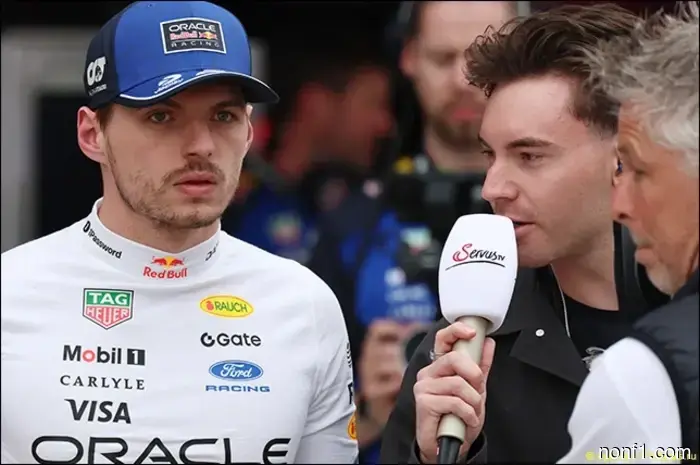 Journalists stood up for their colleague who was fired by Max.
The incident that occurred on Thursday, when Max Verstappen kicked out Guardian journalist Giles Richards from his press conference, could not go without consequences.
Journalists stood up for their colleague who was fired by Max.
The incident that occurred on Thursday, when Max Verstappen kicked out Guardian journalist Giles Richards from his press conference, could not go without consequences.
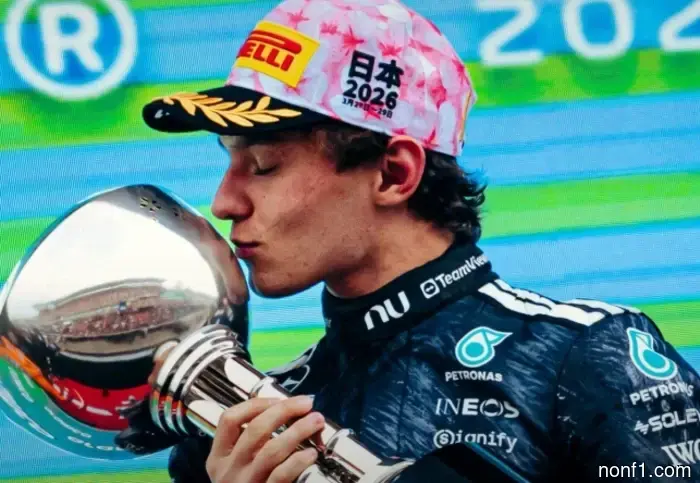 Leo Turini: Kimi-mania is already starting in Italy
Leo Turini, a renowned Italian journalist, is genuinely pleased that his country has gifted the world of motorsport a new rising star – Kimi Antonelli…
Leo Turini: Kimi-mania is already starting in Italy
Leo Turini, a renowned Italian journalist, is genuinely pleased that his country has gifted the world of motorsport a new rising star – Kimi Antonelli…
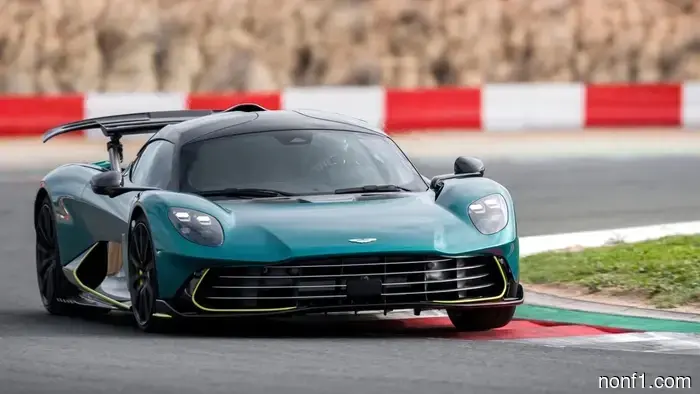 2026 Aston Martin Valhalla Initial Drive Review: Ragnarok Can Hold Off
Aston Martin's latest plug-in hybrid hypercar is a luxurious, menacing beast on the road.
2026 Aston Martin Valhalla Initial Drive Review: Ragnarok Can Hold Off
Aston Martin's latest plug-in hybrid hypercar is a luxurious, menacing beast on the road.
How GM Leveraged Virtual Crash Testing to Swiftly Reintroduce the Chevy Bolt
To ensure the Chevy Bolt resumed production on time, GM engineers utilized virtual crash testing software to "minimize the number of vehicles we crash into walls."