

Research Measures the Financial Impact of the Dealership Model on Customers—and the Findings Aren't Encouraging
The most significant automotive news and reviews, straightforward and honest.
Our daily newsletter, free of charge, delivers essential stories straight to your inbox every weekday.
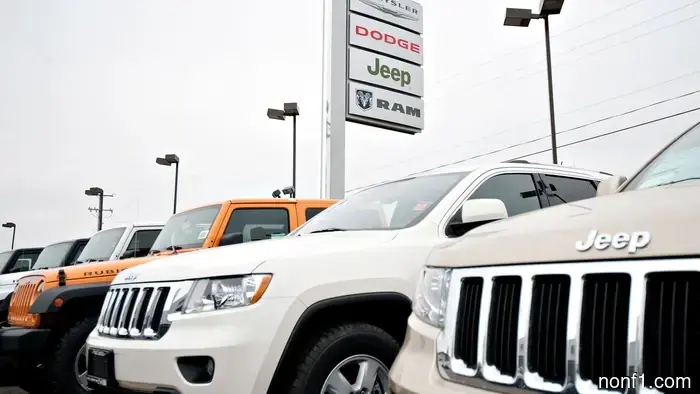
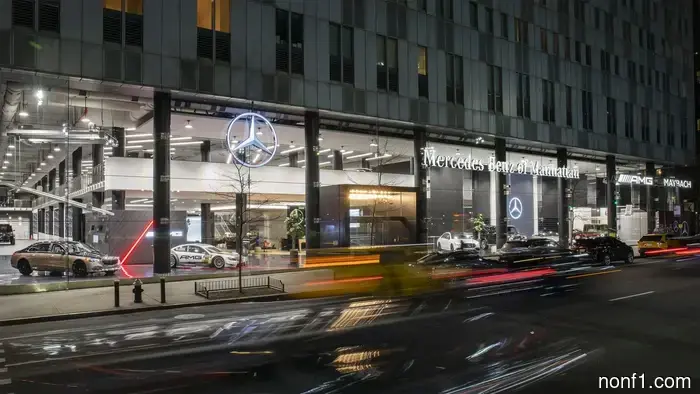
In contrast to most consumer products, purchasing a vehicle often involves dealing with a franchised dealership, a middleman established by law in many states. Franchised dealers haven’t particularly earned a reputation for honesty and transparency, which makes the car buying process more cumbersome than necessary. However, a new study suggests they are also increasing costs for customers.
According to the nonprofit International Center for Law & Economics (ICLE), state regulations requiring automakers to sell vehicles through franchised dealerships add between $3,934 and $4,992 to the prices of new cars. The center refers to this reliance on franchised dealers as a "middleman tax."
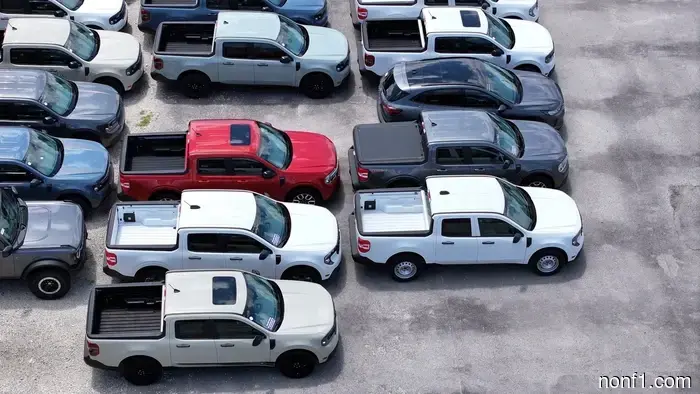
This effective tax, based on average new car prices of $50,000, stems from various inefficiencies related to the franchise model, as claimed by the study. The requirement to maintain inventory incurs "carrying costs" of $1,045 to $1,105, alongside floorplan interest rates ranging from 6% to 9%. Additionally, about $1,600 is linked to the logistics of moving that inventory, which may not always reflect customer preferences, while overhead costs for facilities and staff add roughly $1,200 to $1,900, categorized as avoidable expenses by the authors of the study.
Franchise regulations originated in the early automotive industry to protect independent dealers from unfair competition posed by the manufacturers they relied upon for new vehicles. However, the study, which builds on findings from a 2000 Goldman Sachs report and later research by the U.S. Justice Department, contends that these laws have become outdated.
“Safeguarding an existing distribution channel does not equate to protecting consumers,” the study asserts. “Enabling manufacturers to compete through various models would better reflect the realities of today’s automobile market.”
Tesla contested state franchise regulations with its direct-sales approach over a decade ago, paving the way for other electric vehicle startups. These companies argue that, as newcomers in the market, they are not obligated to engage with franchised dealerships. This assertion is currently being challenged by Volkswagen Group’s Scout brand, which intends to sell vehicles directly to consumers but faces legal opposition from dealers representing other VW Group brands.
Other articles
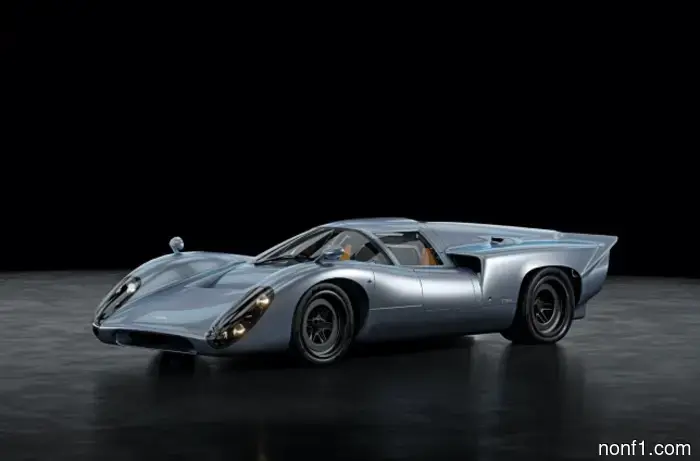 Lola Cars presented replicas of the T70 S sports prototypes.
Lola Cars has announced its new project, which is directly related to its history and past successes in motorsport...
Lola Cars presented replicas of the T70 S sports prototypes.
Lola Cars has announced its new project, which is directly related to its history and past successes in motorsport...
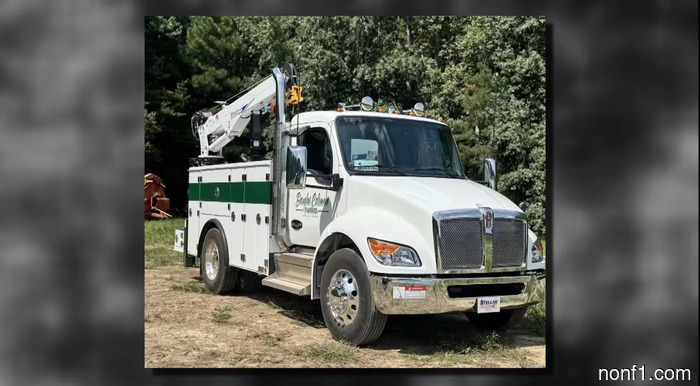 Farm Asserts New $240,000 Kenworth Has Spent Nearly 50 Times in the Repair Shop
Issues began to arise (intended pun) almost immediately after the truck was dropped off at a Virginia farm.
Farm Asserts New $240,000 Kenworth Has Spent Nearly 50 Times in the Repair Shop
Issues began to arise (intended pun) almost immediately after the truck was dropped off at a Virginia farm.
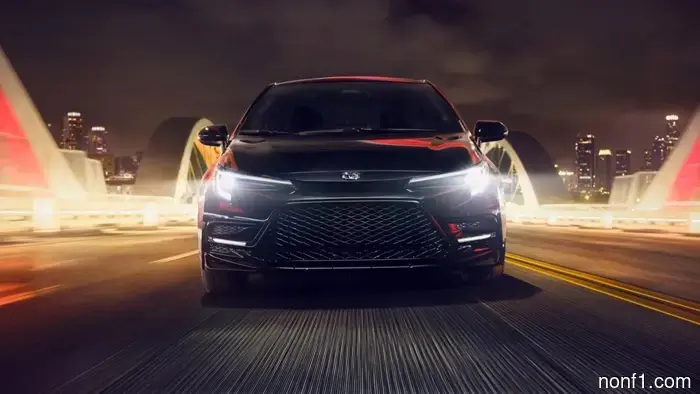 It’s Not Just You: Sixty percent of drivers report that headlight glare is an issue.
Almost 75% of individuals worried about headlight glare believe the issue has intensified in the last ten years.
It’s Not Just You: Sixty percent of drivers report that headlight glare is an issue.
Almost 75% of individuals worried about headlight glare believe the issue has intensified in the last ten years.
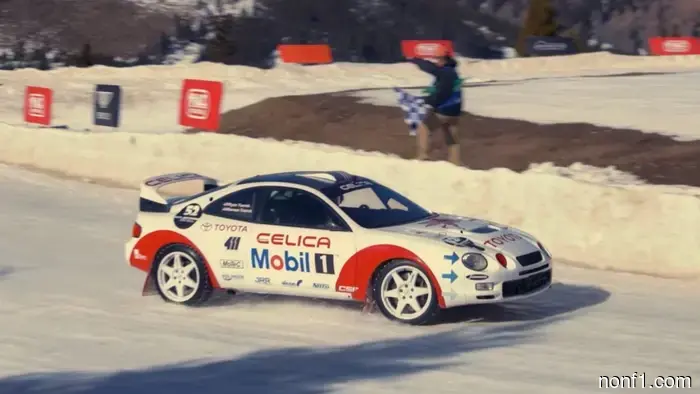 Ryan Tuerck Installed a 600-HP GR Corolla Engine in This AWD Celica Rally Car.
The finished car just placed on the podium at its inaugural race.
Ryan Tuerck Installed a 600-HP GR Corolla Engine in This AWD Celica Rally Car.
The finished car just placed on the podium at its inaugural race.
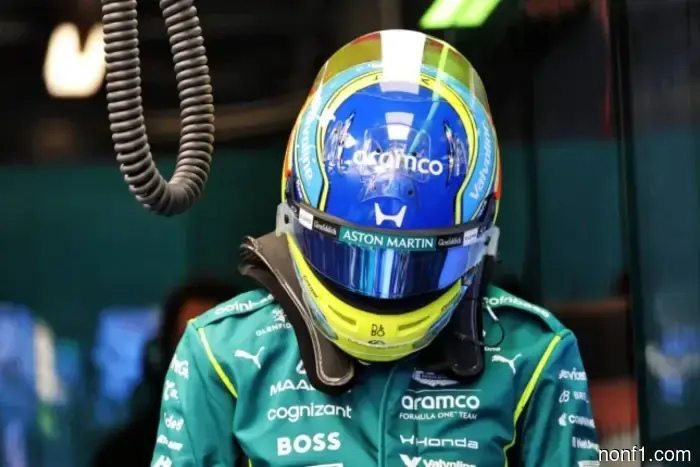 Fernando Alonso: In the art of patience, I am number one.
Fernando Alonso has seen literally everything in his long career in Formula 1, and he is not lacking in patience. In 2026, this quality will serve him very well...
Fernando Alonso: In the art of patience, I am number one.
Fernando Alonso has seen literally everything in his long career in Formula 1, and he is not lacking in patience. In 2026, this quality will serve him very well...
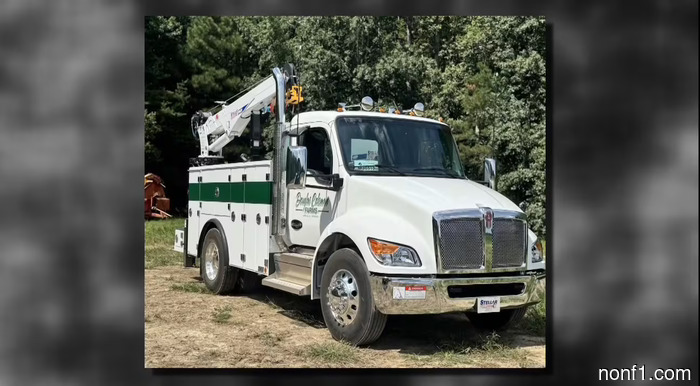 Farm alleges that their new $240,000 Kenworth has been in the repair shop nearly 50 times.
Issues began to arise (intended pun) almost immediately after the truck arrived at a Virginia farm.
Farm alleges that their new $240,000 Kenworth has been in the repair shop nearly 50 times.
Issues began to arise (intended pun) almost immediately after the truck arrived at a Virginia farm.
Research Measures the Financial Impact of the Dealership Model on Customers—and the Findings Aren't Encouraging
The International Center for Law & Economics states that the expenses associated with working with franchised dealers equate to a significant "middleman tax."