
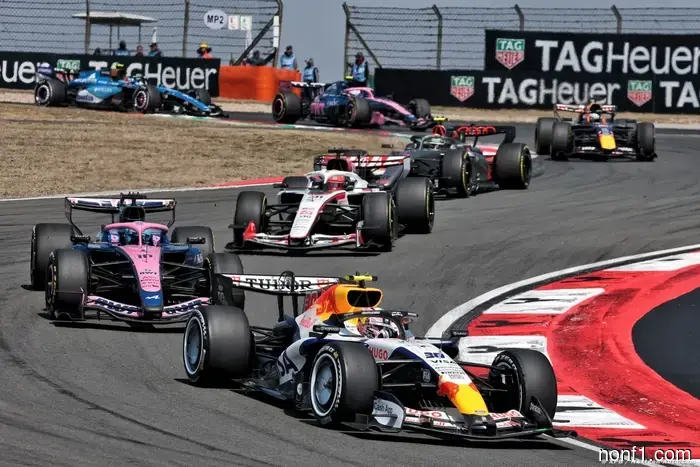
As the meeting approaches, pressure is mounting as Formula 1 seeks solutions.
Pressure is increasing on Formula 1 officials to respond to the contentious 2026 regulations, with an important meeting scheduled for April 9 and growing support for at least some modifications. There is a rising agreement within the paddock that qualifying should be the first issue tackled.
"If there’s one consensus among teams, the FIA, Formula 1, and drivers, it's our shared desire for qualifying to be a full-throttle session," stated Red Bull team principal Laurent Mekies. "This is our initial focus as a sport."
However, the way forward beyond qualifying remains much less certain. Several potential actions are being considered, such as increasing 'super clipping' power, reducing overall energy consumption, lowering recharge limits per lap, permitting full active aero during qualifying, and shifting the focus back to the combustion engine.
Former Red Bull advisor Dr. Helmut Marko emphasized that changes are necessary. "I'm unsure if this can be resolved in a single season," he told Kleine Zeitung. "Nonetheless, something must change, and the driving experience must be prioritized again. The drivers' sentiment is negative. The system needs to evolve now, and the FIA should aim to decrease the battery reliance while enhancing the combustion engine's role," Marko remarked. He further noted, "In that sense, the two canceled races aren't entirely negative."
Former Ferrari driver Eddie Irvine expressed more direct criticism, cautioning that the current circumstances jeopardize both excitement and safety. "I'm not fond of it at all," he told La Gazzetta dello Sport. "Changes are definitely necessary; it can't all revolve around battery power. I admire electric cars—I own four—but it doesn't make sense to force the top category to be eco-friendly. Plus, these cars are perilous."
Commenting on Oliver Bearman’s crash at Suzuka, he stated, "Yes, he was driving significantly faster than Franco Colapinto, forcing him to avoid a collision. It brought to mind the incident that claimed Hitoshi Ogawa's life. Fortunately, in this case, the cars did not collide."
However, not everyone believes that safety should be the primary argument for change, including Bearman’s team principal, Ayao Komatsu. "We need to carefully evaluate sporting elements against safety. Safety should not be used as a pretext," remarked the Haas team leader. He called for patience given the limited data available so far. "We need to ensure we gather sufficient data. We've had three events, and there was only one incident."
He added that upcoming discussions must remain well-balanced. "I'm uncertain what the solution will be. But we need to approach this calmly and engage in a collective discussion within the F1 Commission. As a community, we must tackle this matter together; it cannot be overlooked."
In the long run, more radical proposals are beginning to emerge. As per Auto Motor und Sport journalist Michael Schmidt, Formula 1 could even contemplate eliminating hybrid systems entirely. "In theory, the hybrid component could vanish. CO2-neutral fuels could suffice to make production feasible," he commented. "However, manufacturers are likely to intervene in this matter. Currently, the favored option is a 2.4-liter V8 turbocharged engine."
Other articles
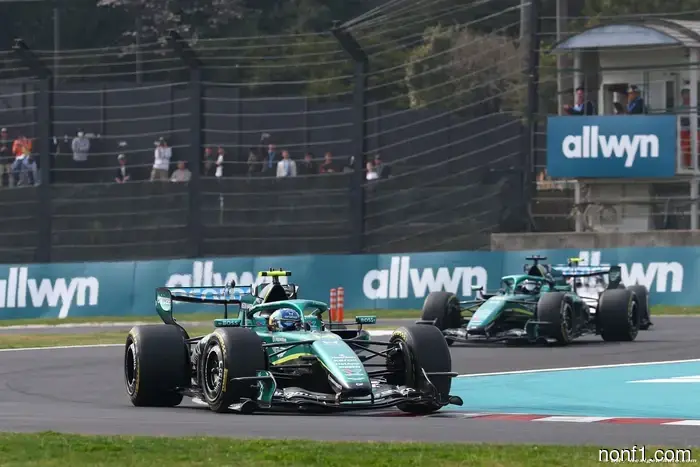 Krack dismisses Honda rift while Aston aims to address issues in Miami.
Formula 1 | Aston Martin has minimized speculation regarding a rift with Honda, affirming that the struggling partnership is still united as they work to resolve the issues surrounding the 2026 crisis. (…)
Krack dismisses Honda rift while Aston aims to address issues in Miami.
Formula 1 | Aston Martin has minimized speculation regarding a rift with Honda, affirming that the struggling partnership is still united as they work to resolve the issues surrounding the 2026 crisis. (…)
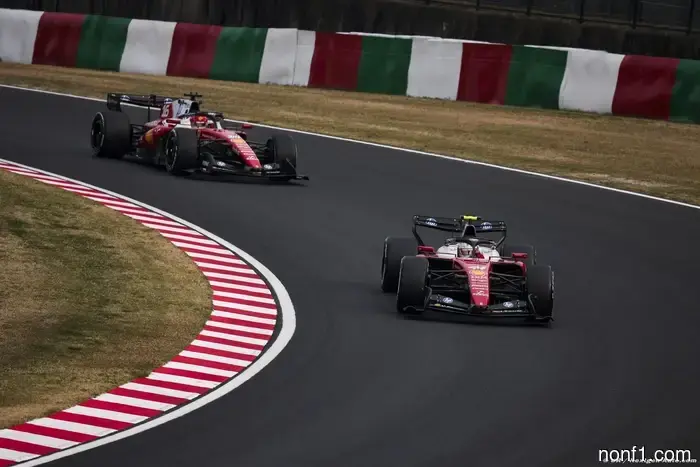 Antonelli implies that Ferrari "provided" an advantage to ADUO.
Formula 1 | Kimi Antonelli has indicated that Ferrari might have already received approval to narrow the engine discrepancy with Mercedes - however, other sources suggest (…)
Antonelli implies that Ferrari "provided" an advantage to ADUO.
Formula 1 | Kimi Antonelli has indicated that Ferrari might have already received approval to narrow the engine discrepancy with Mercedes - however, other sources suggest (…)
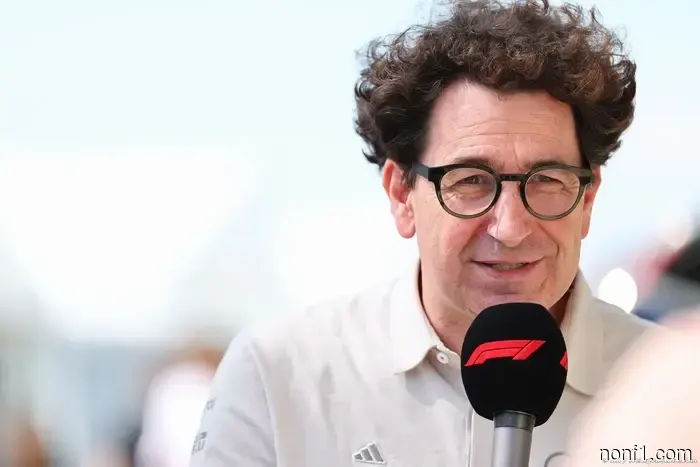 Binotto dismisses speculation about a new Audi team principal in light of Horner rumors.
Formula 1 | Mattia Binotto has stated that Audi will not be hiring a new team principal following the unexpected departure of Jonathan Wheatley, despite rumors suggesting (…)
Binotto dismisses speculation about a new Audi team principal in light of Horner rumors.
Formula 1 | Mattia Binotto has stated that Audi will not be hiring a new team principal following the unexpected departure of Jonathan Wheatley, despite rumors suggesting (…)
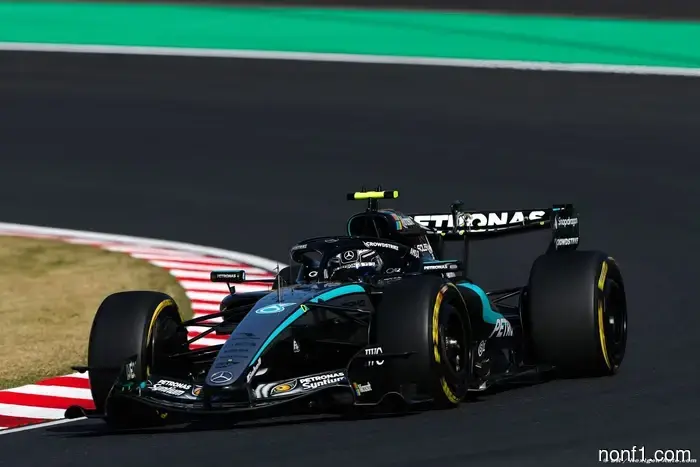 Antonelli acknowledges the opportunity for the title, but Russell has the advantage.
Formula 1 | Kimi Antonelli expresses his belief that he can contend for the 2026 world championship, but acknowledges that teammate George Russell still has the upper hand. (…)
Antonelli acknowledges the opportunity for the title, but Russell has the advantage.
Formula 1 | Kimi Antonelli expresses his belief that he can contend for the 2026 world championship, but acknowledges that teammate George Russell still has the upper hand. (…)
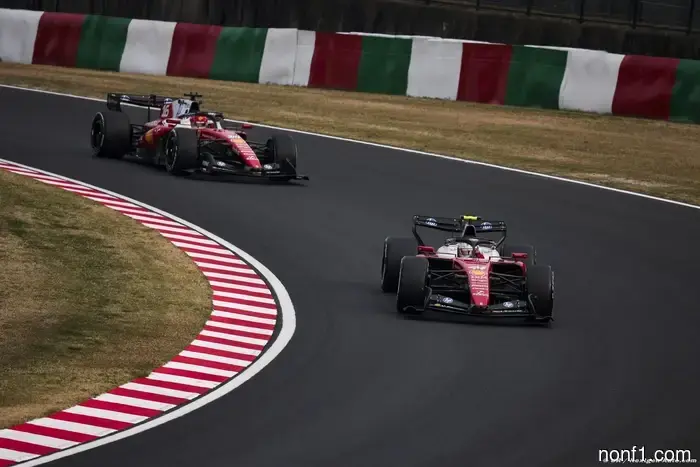 Antonelli proposes that Ferrari 'provided' an ADUO boost.
Formula 1 | Kimi Antonelli has indicated that Ferrari might have already received approval to narrow the engine disparity with Mercedes - however, other reports suggest (…)
Antonelli proposes that Ferrari 'provided' an ADUO boost.
Formula 1 | Kimi Antonelli has indicated that Ferrari might have already received approval to narrow the engine disparity with Mercedes - however, other reports suggest (…)
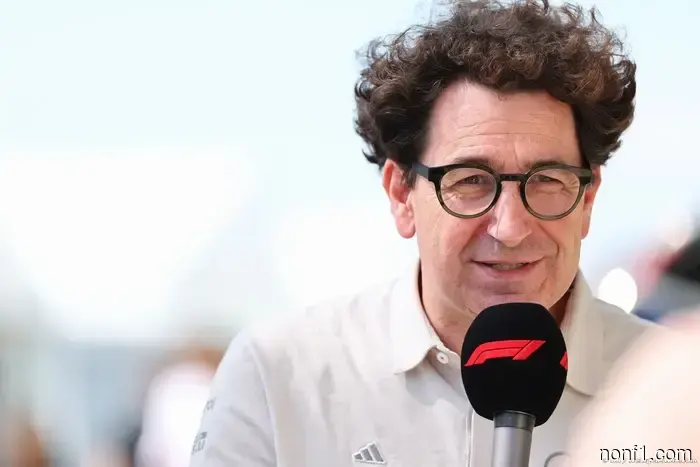 Binotto dismisses speculation about a new Audi team principal following rumors regarding Horner.
Formula 1 | Mattia Binotto has stated clearly that Audi will not be appointing a new team principal, even after the abrupt departure of Jonathan Wheatley, amidst rumors connecting (…)
Binotto dismisses speculation about a new Audi team principal following rumors regarding Horner.
Formula 1 | Mattia Binotto has stated clearly that Audi will not be appointing a new team principal, even after the abrupt departure of Jonathan Wheatley, amidst rumors connecting (…)
As the meeting approaches, pressure is mounting as Formula 1 seeks solutions.
Formula 1 | There is increasing pressure on the Formula 1 executives to address the contentious 2026 regulations, as an important meeting on April 9 approaches and momentum is gathering (…)