
Nissan Unveils Major Restructuring Strategy to Reduce Models and Focus on Quality Offerings
Nissan
The most important automotive news and reviews, no nonsense.
Subscribe to our free daily newsletter that delivers the stories that truly matter to your inbox every weekday.
It has been just over a year since Nissan CEO Ivan Espinosa stated to The Drive that “Nissan is back,” following what we can simply refer to as a challenging eight-year period. Tonight, the Japanese automaker is presenting its case with a new long-term strategic plan for Nissan and Infiniti, which involves simplifying and refocusing its product range, categorizing models into families for shared expenses, and incorporating next-generation technology (including AI) into its vehicles.
Streamlined Lineup
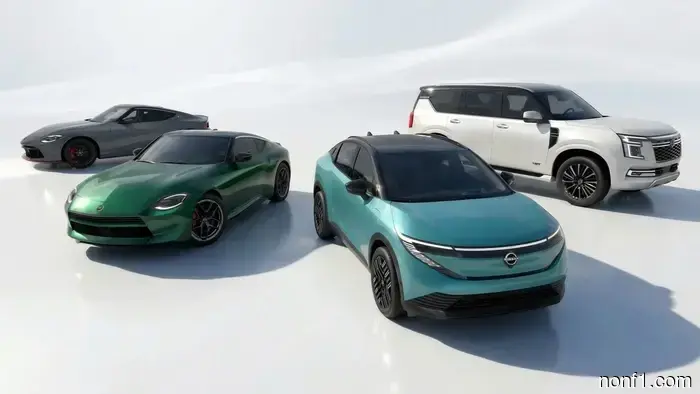
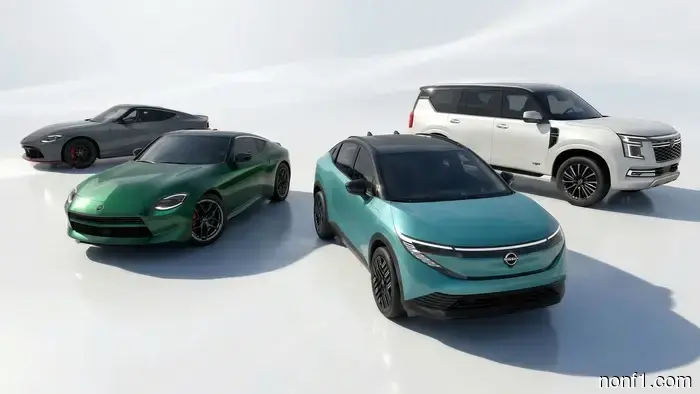
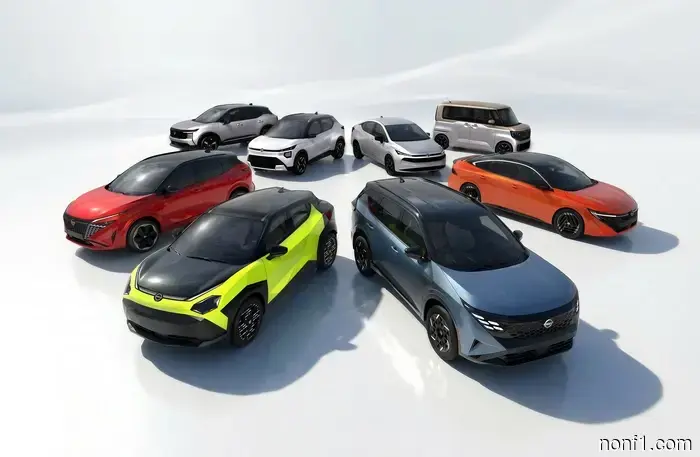
Currently, Nissan's lineup consists of 56 models, but it plans to reduce this number to 45 in the future. The models that will be discontinued? Those deemed “low-performing,” but rest assured the Z and GT-R badge will remain safe. These will be protected under a new structure that organizes vehicles into four “families”: Heartbeat, Core, Growth, and Partner.
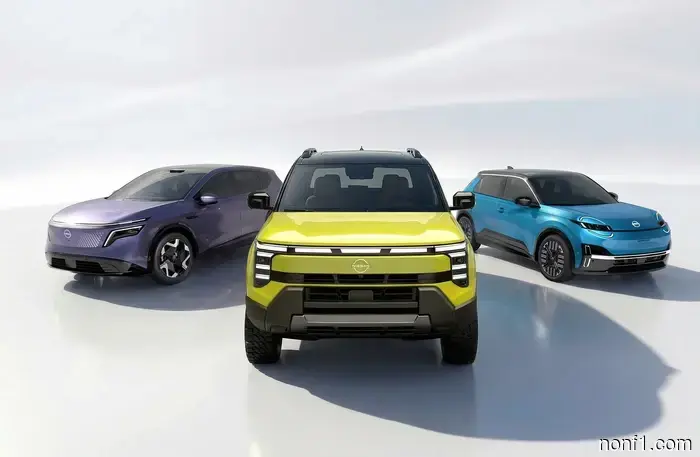
Heartbeat models will represent the very essence of Nissan's identity and emotion—essentially, vehicles that get your heart racing. If the Z and GT-R don't qualify, then nothing does. Additionally, Ponz Pandikuthira informed The Drive that the next-generation GT-R will be a hybrid retaining the VR38 engine block and is expected to arrive by 2030, after which work on the next-gen Z will commence. These emblematic models are secure. The newly introduced Xterra also falls into the Heartbeat category as it targets the lucrative off-road market to compete with the Jeep Wrangler, Ford Bronco, and Toyota 4Runner. Included as well is the recently announced next-generation Nissan Skyline sedan, known in the U.S. as the Infiniti Q50, which could potentially serve as the foundation for Infiniti’s upcoming sedan.
Core Lineup
Core models are designed to maintain global business operations at scale with consistency. A prime example is the Rogue, or X-Trail as it's known in other markets. This model will feature Nissan’s e-Power hybrid system, which is a series hybrid that uses a gasoline engine to generate power for a battery pack that drives electric motors connected to the wheels. Growth models, aimed at increasing Nissan's market share, will include a new Juke, which will not be available in the U.S., but is targeted for the European market.
Partner models are intended to broaden Nissan's market reach through collaboration, although the company did not elaborate further. The forthcoming Mitsubishi Montero, essentially a rebranded Armada, could be categorized as a partner model, providing extra production volume without the need for retail sales.
The forthcoming vehicle lineup will be organized into families of vehicles featuring shared powertrains, platforms, and software. Three families, including those with frame-based structures, are projected to account for up to 80% of Nissan’s future volume, with only 20% falling outside these categories. This 20% will likely include the Z and GT-R, among other models.
Nissan stated it will concentrate its market focus on the U.S., Japan, and China, notably omitting Europe from its list of key markets.
The automaker anticipates sustained growth, aiming to reach 1 million units sold annually in the U.S. market by 2030, representing a 7.97% sales increase from the 926,153 vehicles sold in the U.S. in 2025.
AI for All
Nissan emphasized that AI-driven intelligence integrated into its vehicles is central to the company’s future vision. AI will be applied in advanced driver assistance systems as well as vehicle controls. Although a specific LLM partner has not been disclosed, current Nissan models already feature Google built into their infotainment systems.
Nissan aims to equip 90% of its lineup with AI technology in the long term, although no specific timeline has been announced for this rollout.
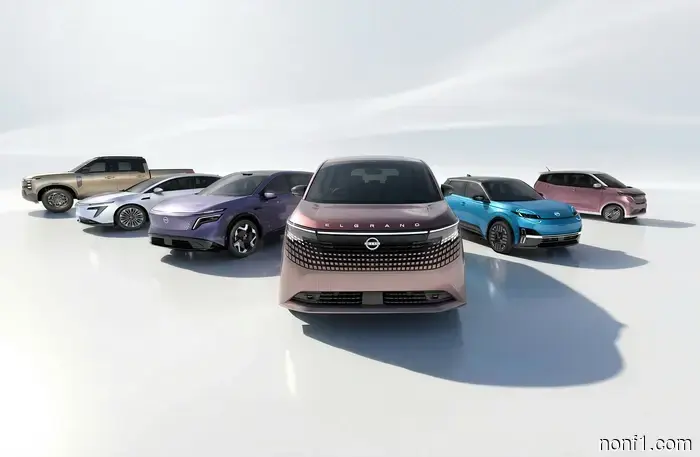
The first model to showcase the AI-embedded technology will be a Japanese-market Elgrand this summer, featuring the automaker’s next-generation ProPilot hands-free driver-assist system, which is expected to be fully autonomous by the end of fiscal year 2027.
Nissan has not provided explicit timelines for the upcoming product lineup.
If you have insights about future products, reach out to us at tips@thedrive.com.
Other articles
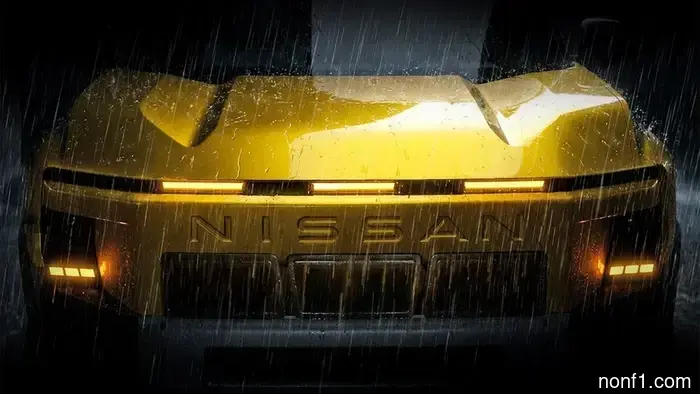 The Next-Generation Nissan Xterra has arrived, and here’s your initial glimpse.
Our initial look at the revived Nissan Xterra SUV showcases a rugged front design, a divided light bar, a bold hood, and, naturally, yellow coloring.
The Next-Generation Nissan Xterra has arrived, and here’s your initial glimpse.
Our initial look at the revived Nissan Xterra SUV showcases a rugged front design, a divided light bar, a bold hood, and, naturally, yellow coloring.
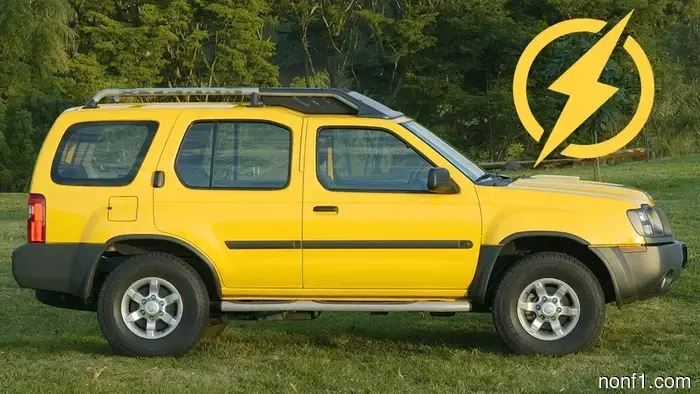 Nissan Confirms the Upcoming Xterra Will Include Both Hybrid and Non-Hybrid V6 Alternatives
Nissan will not obligate any Xterra purchaser to opt for a hybrid if they prefer to avoid electrification, as a straightforward gas V6 option is available, and a turbo-four is not on the horizon.
Nissan Confirms the Upcoming Xterra Will Include Both Hybrid and Non-Hybrid V6 Alternatives
Nissan will not obligate any Xterra purchaser to opt for a hybrid if they prefer to avoid electrification, as a straightforward gas V6 option is available, and a turbo-four is not on the horizon.
Nissan Unveils Major Restructuring Strategy to Reduce Models and Focus on Quality Offerings
Nissan intends to reduce its product lineup from 56 models down to 45.