
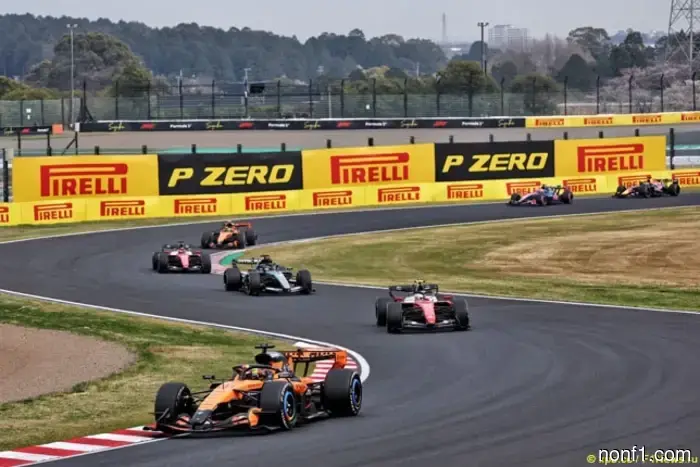
The proposals from the FIA for changes to the regulations have become known.
Next week, an important meeting will take place involving teams, representatives from the FIA and Formula 1, where changes to the technical regulations will be discussed. The Italian publication Auto Racer has learned what specific proposals will be discussed on April 20.
At the center of the discussion is the electric component of the power units, as it is practically impossible to make changes to the internal combustion engine during the season, and a decision is needed by early May for the Miami Grand Prix.
The goal of the teams and the FIA is to restore the balance between the engine and the electric components of the power unit, so that the majority of the power is generated by the internal combustion engine, rather than the current 50:50 ratio.
The first idea is to significantly reduce the maximum power of the MGU-K motor-generator from the current 350 kW. Some teams have already conducted simulations during testing in Bahrain, reducing it to 300 kW and below. The FIA supports this decision – despite the fact that the cars will generally become slower, the electric energy can be used longer during the lap, making the power distribution less "peaky."
However, this option faces serious resistance from other stakeholders, especially when it comes to reducing it to 250 kW or even 200 kW. Some teams believe that the technical balance will be changed too drastically. However, the main opponent of such changes is Liberty Media, which agrees only to minor adjustments, but not to a significant reduction in the electric component of the power unit.
There is much less disagreement regarding the proposal for energy recovery. Currently, the limit is set at 9 MJ per lap, but it is proposed to reduce this value to around 6 MJ.
Such a change will slow down the cars, but will have a number of positive effects, even if they do not fully resolve the issue. Reducing recovery will lead to less use of practices such as coasting and super clipping. Reducing recovery will have a greater effect if combined with a moderate reduction in the power of the electric component of the power unit. This will more effectively limit super clipping at the end of long straights.
In other words, drivers will have less need to excessively conserve and accumulate energy, resulting in a more natural driving style, especially in qualifying, where drivers will be able to extract more from the car.
Additionally, race safety will increase, as the number of critical situations related to large speed differences between cars due to different recovery phases will decrease.
The third option to be discussed at the meeting is different power limits for the electric component of the power unit in qualifying and the race. However, it is already known that teams are against this option, as changing car settings between qualifying and the race in "park closed" mode will place additional burdens on staff and complicate operations even further on race weekends.
Although a final decision is yet to be made, it can already be concluded that changes to the technical regulations will not be revolutionary but rather targeted, and will be implemented gradually over the coming weeks and months.
Other articles
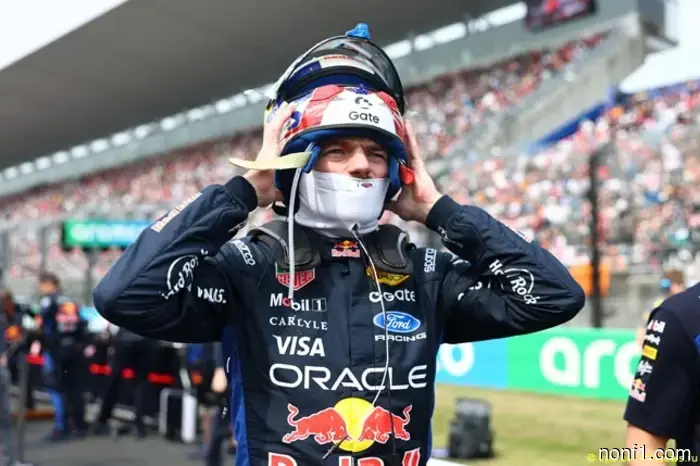 Verstappen: I am not afraid of a serious accident at the Nurburgring.
This weekend, Max Verstappen will continue his preparation for the 24-hour marathon at the Nürburgring's Nordschleife by participating in two races, NLS4 and NLS5, which will take place on Saturday and Sunday, respectively.
Verstappen: I am not afraid of a serious accident at the Nurburgring.
This weekend, Max Verstappen will continue his preparation for the 24-hour marathon at the Nürburgring's Nordschleife by participating in two races, NLS4 and NLS5, which will take place on Saturday and Sunday, respectively.
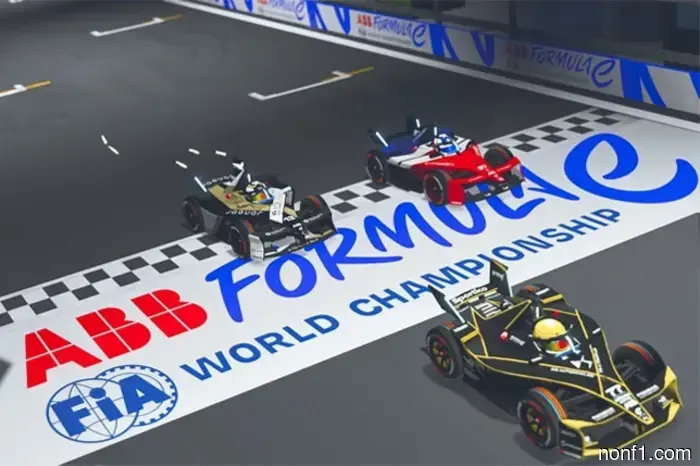 Formula E will appear in the game Formula Legends.
The electric racing series Formula E will be the first championship featured in the game Formula Legends.
Formula E will appear in the game Formula Legends.
The electric racing series Formula E will be the first championship featured in the game Formula Legends.
The proposals from the FIA for changes to the regulations have become known.
Next week, an important meeting will take place involving teams, representatives from the FIA and Formula 1, where changes to the technical regulations will be discussed. The publication Auto Racer has managed to find out which specific proposals will be discussed on April 20.