
Nissan Claims Its Next-Generation ProPilot Matches Human Driving Skills, Possibly Exceeds Them, Demonstrating This in Tokyo Traffic.
Joel Feder
The latest car news and reviews, straightforward and concise.
Our daily newsletter delivers the most significant stories right to your inbox every weekday.
In the race toward self-driving technology, Nissan is gearing up for a significant advancement in about a year with its next-generation ProPilot driver assistance system. The company's executive chief engineer claimed that only Tesla and Wayve will be operating on the same level it intends to reach. Bold assertions indeed.
On Wednesday in Tokyo, Japan, Nissan's Executive Chief Engineer for adaptive safety systems and software-defined vehicles, Tetsuya Iijima, informed The Drive that the next-gen ProPilot Assist system will launch in 2027, with Japan as the first market, followed by others "as soon as possible." This new system will utilize upgraded hardware and new AI-based software from Nissan, which Iijima stated is now "equal to or better than a human [driver]." He was prepared to demonstrate this with concrete evidence.
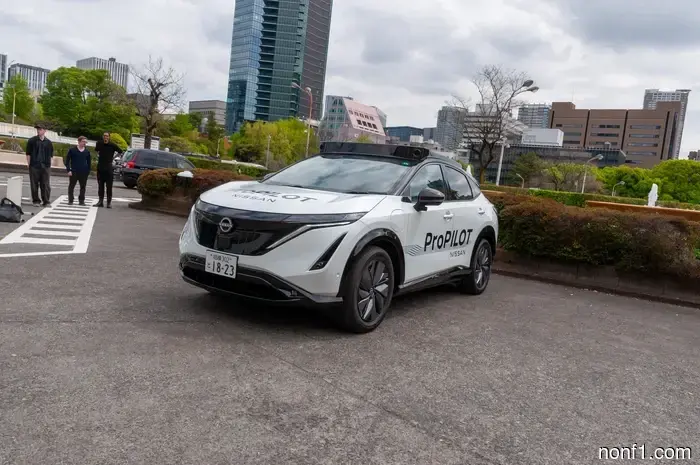
After explaining the hardware, software, and logic-based system, Iijima took us on a 40-minute journey through Tokyo in a Nissan Ariya equipped with a prototype of the next-gen ProPilot. The test route included both city streets and highways in a completely uncontrolled environment.
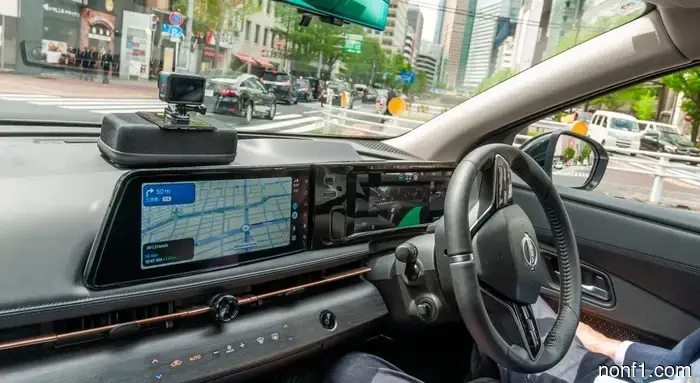
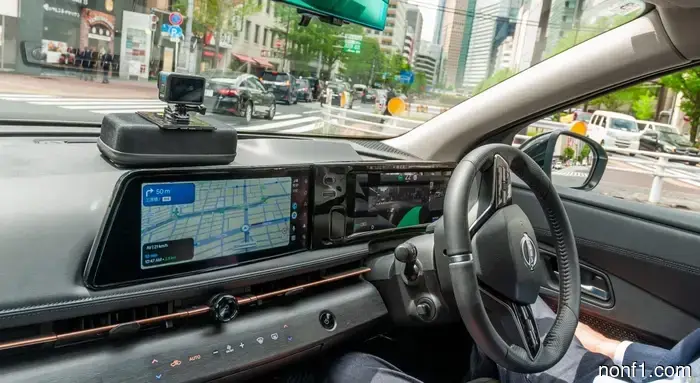
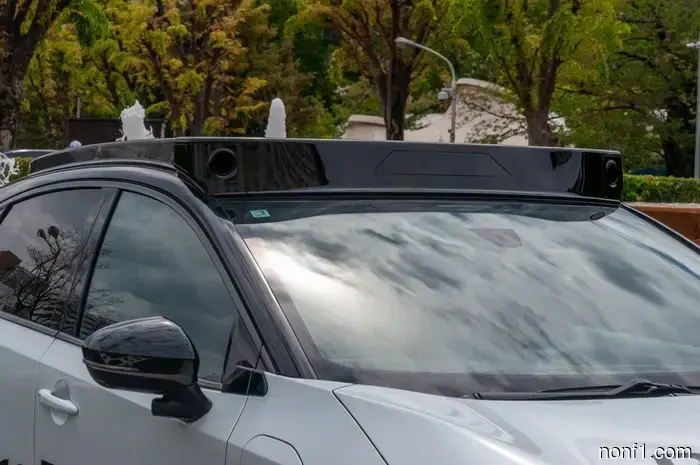
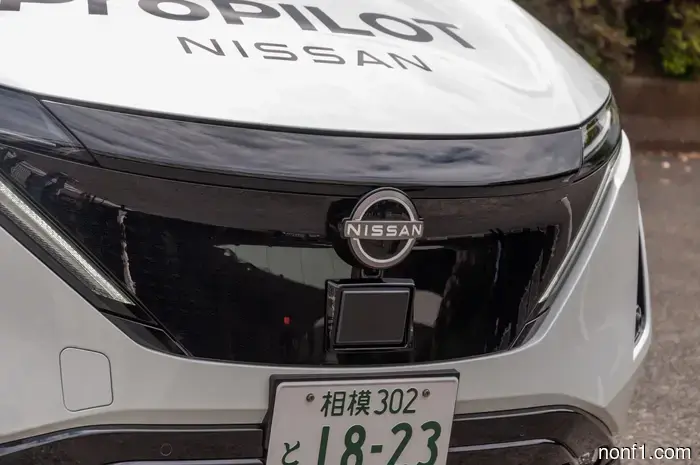
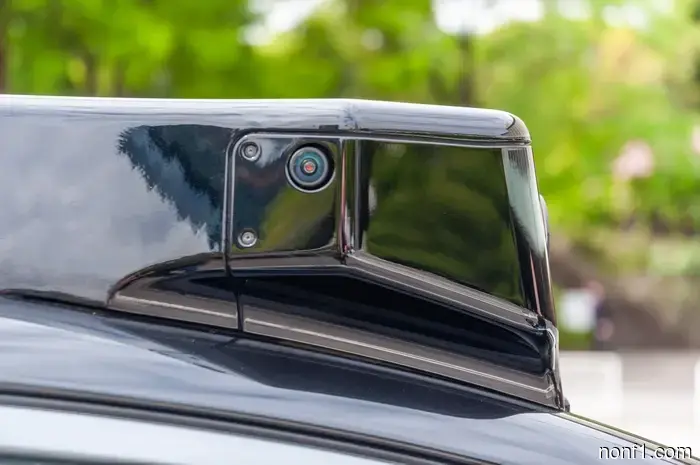
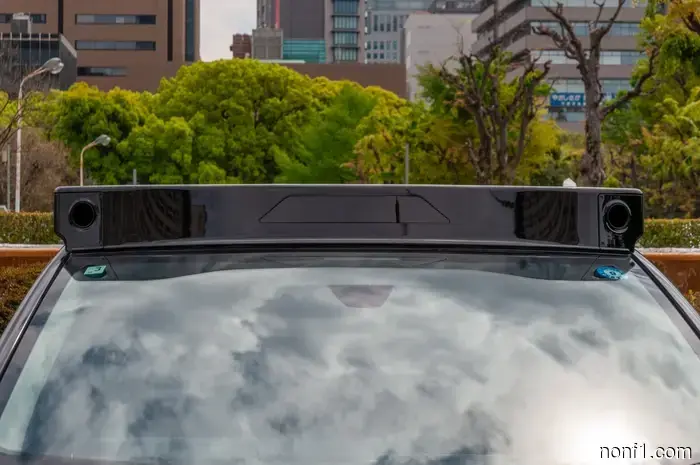
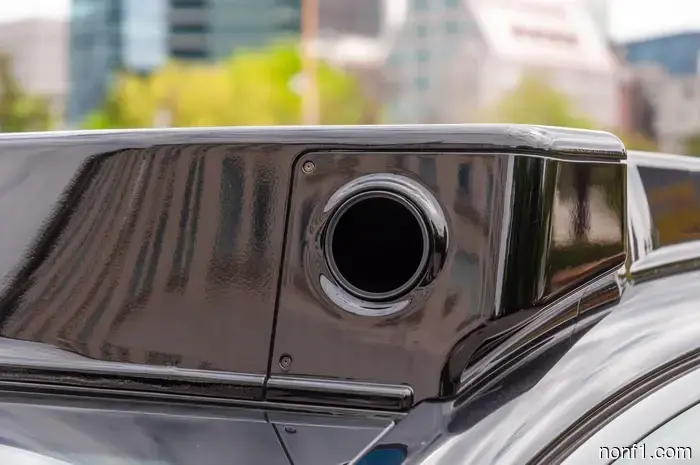
The Ariya test vehicle featuring the next-gen ProPilot Assist resembled a production model that has since been discontinued in the U.S., though it had an additional black box on the roof containing a sensor array. In the final production version, this array will be incorporated into the vehicle itself, but for prototypes, it is mounted externally to facilitate easier swapping and testing. The setup includes 11 cameras, five radar units, and one Lidar unit, similar to what Rivian plans for its upcoming self-driving technology for the electric R2 SUV later this year.
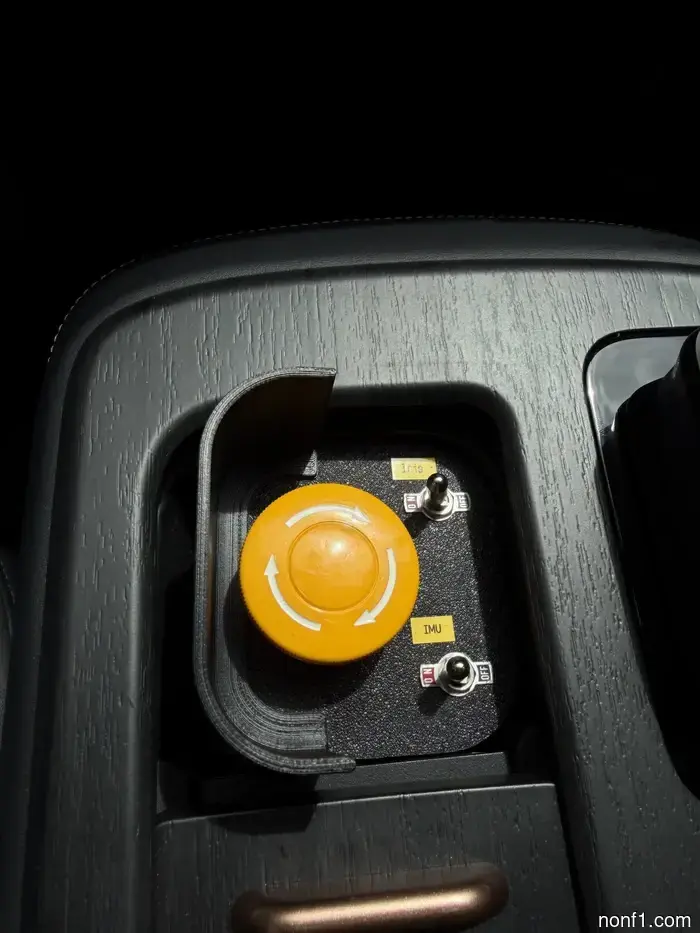
Upon entering the front passenger seat of the Ariya, I recognized it as a prototype thanks to a prominent yellow emergency kill switch inserted into the center console and two additional switches to shut down the systems if necessary. Fortunately, no issues arose, but safety is paramount, especially on public roads.
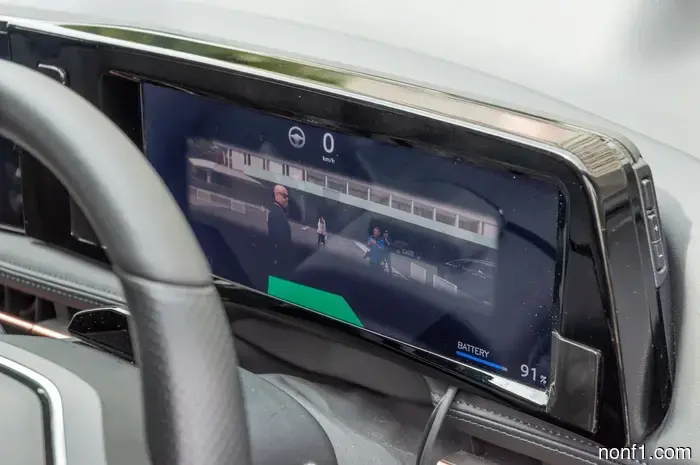
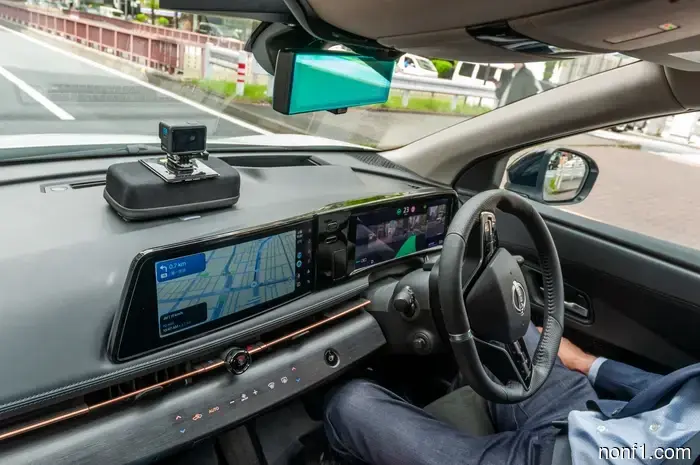
In its final version, the car will have the capability to start from a parked position and exit its parking space autonomously, but for this test, Iijima manually guided the vehicle from the parking spot to the hotel entrance. Once there, he activated the touchscreen, and from that point on, the navigation system took control, with Iijima never needing to touch the steering wheel, accelerator, or brake again for the entire drive. It was amusing to see a police officer on a Honda motorcycle glance over at us, bewildered by what was occurring.
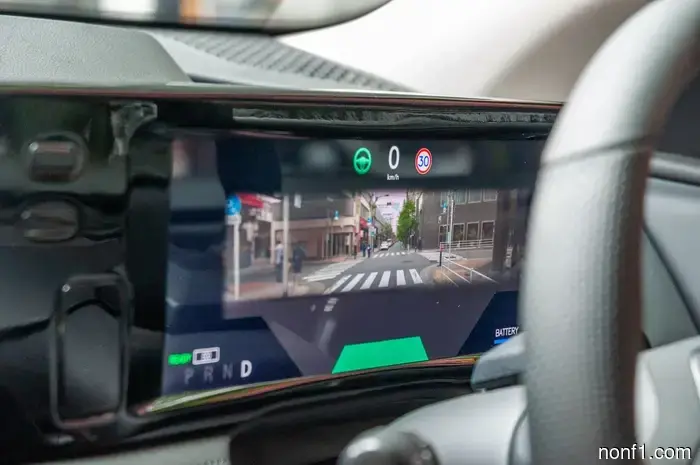
I observed the Ariya autonomously exit the hotel parking lot, stopping correctly at various traffic lights, navigating uncontrolled intersections while making turns, and managing pedestrians crossing outside of sidewalks, cyclists, merging onto and off the highway, going beneath bridges and through differing lighting conditions—all in real-life scenarios, not staged—before returning to the hotel entrance.
One particularly remarkable and amusing incident occurred when we turned left onto a two-way street. The right side was blocked off, creating a one-lane controlled situation that human construction workers managed with illuminated orange wands. A woman instructed us to stop and wait for oncoming traffic, and the Ariya complied without honking, even though we waited for what felt like ages. Once we were signaled to proceed, the Ariya deftly navigated the construction zone, even with a cement truck reversing into the closed section of the road next to us. It was genuinely impressive. Iijima chuckled, mentioning that Nissan didn’t orchestrate that scenario, but its absurdity made it feel staged as a joke. It wasn’t, which added to the humor.
There were instances where the Ariya might have been a little cautious, stopping a few feet earlier than I might have chosen to. This caution stemmed from the system’s interpretation of painted lines, pedestrians, and the overall situation. At one point, it yielded to a pedestrian when a more assertive driver (perhaps someone like myself) might have veered forward, knowing they wouldn't hit the person. There was also an instance of extreme patience as another driver failed to proceed immediately after the light turned green; I would have honked the horn. The system clearly prioritizes safety, and while some might argue that this cautious approach could differentiate between reaching your destination safely versus colliding with a white semi-truck.
The system does have the ability to speed, with Iijima stating that users can set it to the exact speed limit, below it by a designated amount, or above it—though only up to 10 mph over.
Iijima noted that the team considers this system to be Level 4 capable concerning self-driving technology, although it is marketed and referred to as L2++. This is largely due to liability considerations and the fact that some countries haven't established a legal framework for Level 4 systems yet, despite the capability being
Other articles
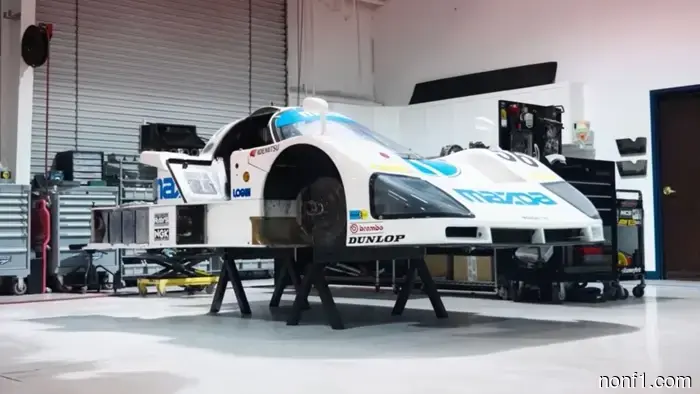 Mazda created a six-minute short documentary about the restoration of its Le Mans 787 four-rotor vehicle.
This is what is required to keep a 9,000-rpm racing engine running.
Mazda created a six-minute short documentary about the restoration of its Le Mans 787 four-rotor vehicle.
This is what is required to keep a 9,000-rpm racing engine running.
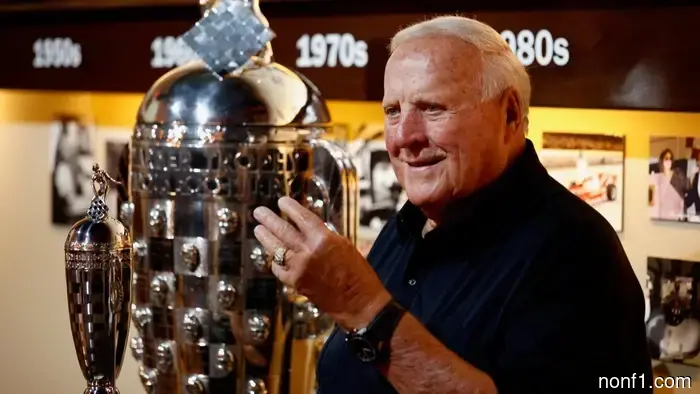 The upcoming AJ Foyt biography will feature some of the most remarkable racing tales ever told.
The life of the four-time Indy 500 champion is too captivating to be contained in a single book.
The upcoming AJ Foyt biography will feature some of the most remarkable racing tales ever told.
The life of the four-time Indy 500 champion is too captivating to be contained in a single book.
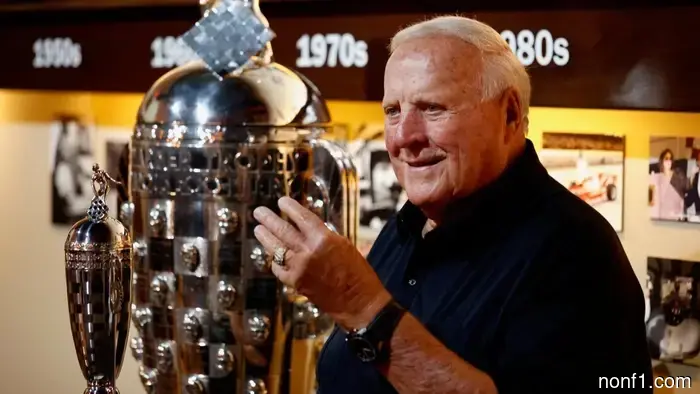 The upcoming AJ Foyt biography will feature some of the most remarkable racing tales of all time.
The life of the four-time Indy 500 champion is too captivating to be contained in a single book.
The upcoming AJ Foyt biography will feature some of the most remarkable racing tales of all time.
The life of the four-time Indy 500 champion is too captivating to be contained in a single book.
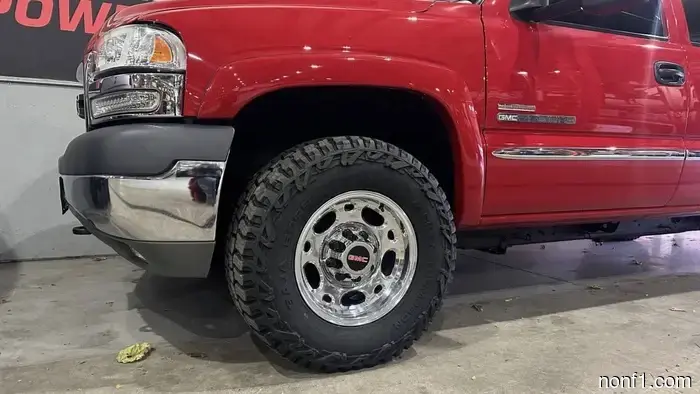 Fab Shop Reproduces Impressive GM Truck Wheels From the 2000s, and They’re Available for Purchase
They have a familiar appearance, but are enlarged to accommodate modern tires.
Fab Shop Reproduces Impressive GM Truck Wheels From the 2000s, and They’re Available for Purchase
They have a familiar appearance, but are enlarged to accommodate modern tires.
Nissan Claims Its Next-Generation ProPilot Matches Human Driving Skills, Possibly Exceeds Them, Demonstrating This in Tokyo Traffic.
The system set to be introduced in 2027 successfully maneuvered through the unpredictable streets of Tokyo, including construction areas, pedestrians, and highway merges, all while the driver didn't need to touch the steering wheel at any point.