
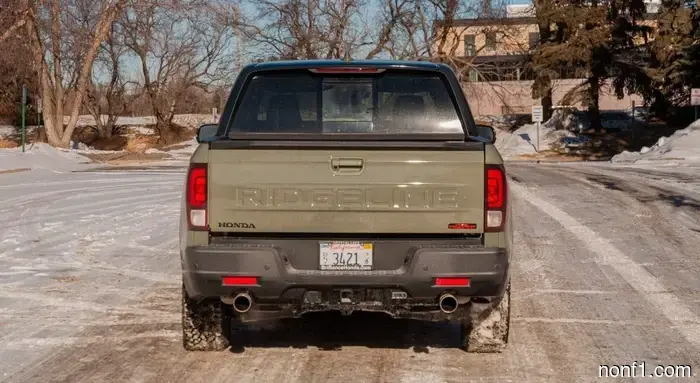
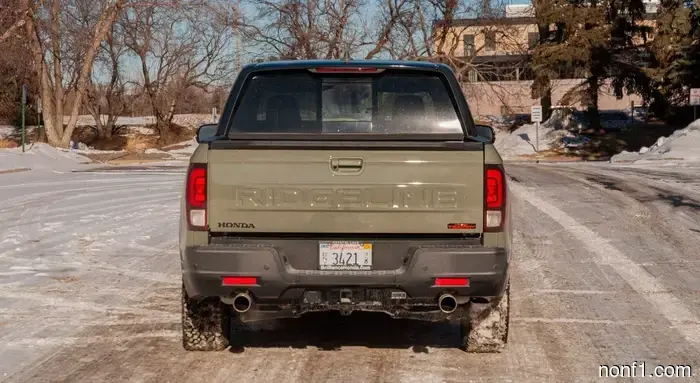
The Honda Ridgeline has one advantage in towing that other trucks lack.
Joel Feder
The most significant automotive news and reviews, no nonsense
If you’ve ever used a pickup for towing, you might have felt the urge to inform the truck's design and engineering team, “You had one job.” This refers to the often frustrating setups for receiver hitches, including safety chain hooks and trailer plug connectors. Trucks are intended to be functional, and they are marketed as such (regardless of whether consumers actually use them that way). However, most contemporary pickups have surprisingly inadequate towing setups. This is not the case with Honda.
The Honda Ridgeline exemplifies the humble truck that exceeds expectations. It is well-known for its rear seat layout, in-bed storage, and multi-function tailgate, but what really impressed me was its towing receiver and safety chain connections.
Joel Feder
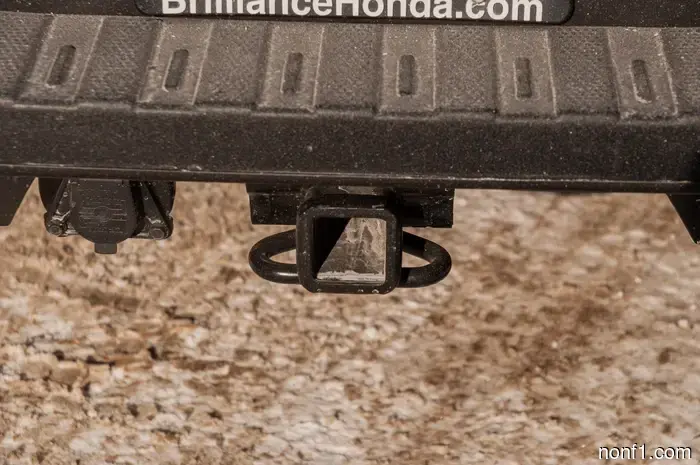
Honda excelled in this aspect of design and engineering. The receiver is a straightforward single-wall design complemented by generously sized safety chain hookups that are neither overly thick nor complicated, ensuring they are compatible with nearly every kind of hookup and emergency brake hook I’ve encountered. The seven-pin light connector is positioned directly beside the receiver, which does require a bit of bending down compared to those mounted near the license plate, like in some trucks. However, this design means the plug cord doesn't need to extend as far as it would on those other models.
While this may seem minor, let’s consider the full-size, light-duty competitors for comparison. I have receipts.
The Ram’s setup is overly intricate. Joel Feder
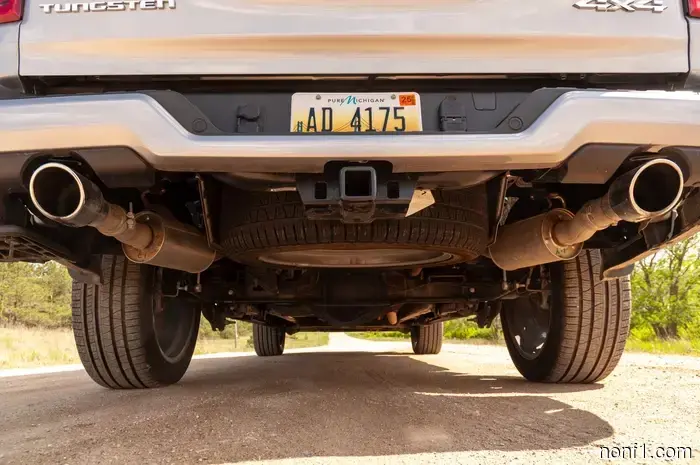
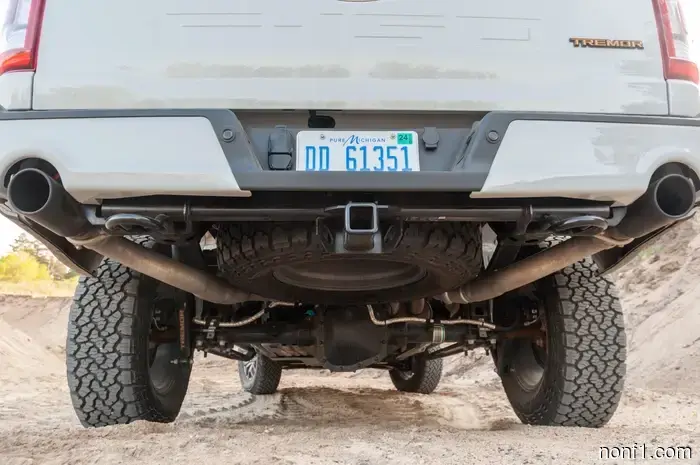
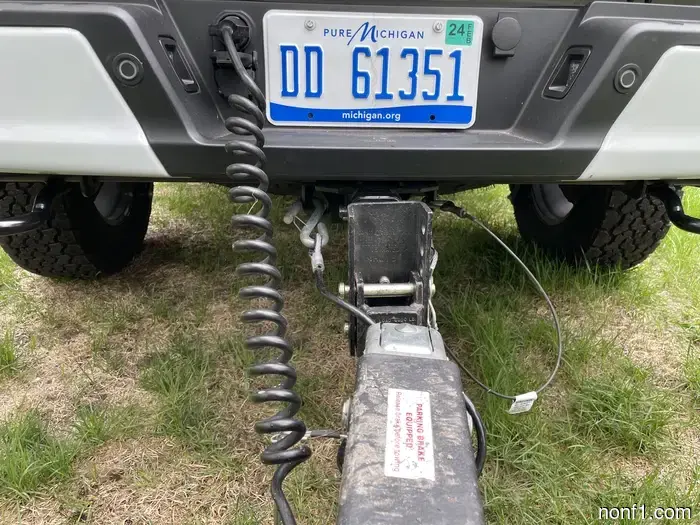
First up is the current Ram 1500. The receiver itself is sufficient, but the outlet for the plug is located by the license plate, making it a stretch for older trailers with shorter wiring harnesses (our old deck boat needed an extender). However, the most problematic feature is the safety chain hookup. At first glance, it appears clever, with a square hole punched in the rear-facing section and a circular one below it. In theory, you could clip your safety chains through the square hole and into the circular one. While this seems intelligent, there’s no practical way to secure the smaller emergency brake hook of a boat trailer, as it doesn't reach through both openings.
Now let’s examine the Tundra’s configuration, which is unexpectedly tricky. Joel Feder
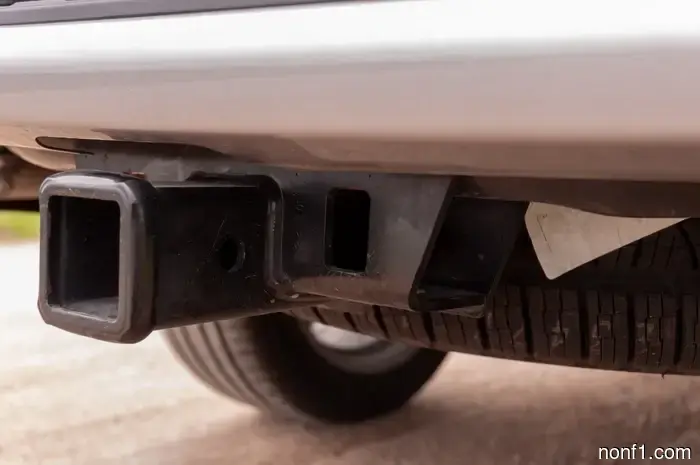
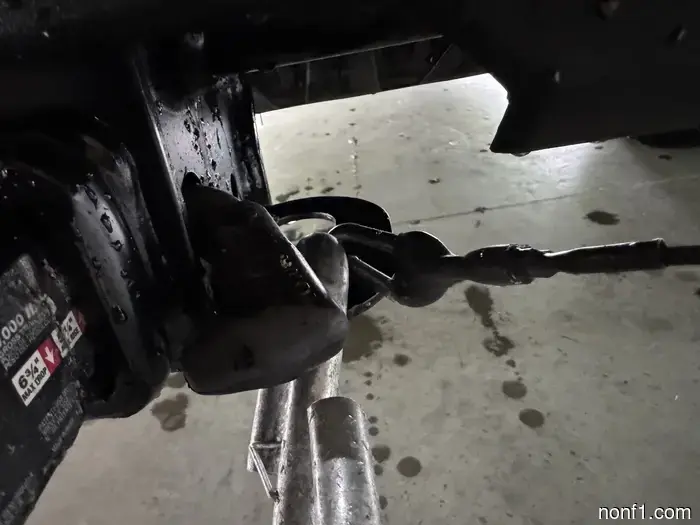
The Toyota Tundra, along with everything else on the TNGA-F platform, presents perhaps the most confusing setup. The receiver is double-walled with an air gap, meaning that your standard 3.5-inch hitch pin won’t fit entirely, necessitating at least a 4-inch hitch pin. This isn’t a significant issue if you own a 4-inch pin, but if you’re using the 3.5-inch pin common to other applications, you will run into problems. Trust me, I now possess a 4-inch hitch pin.
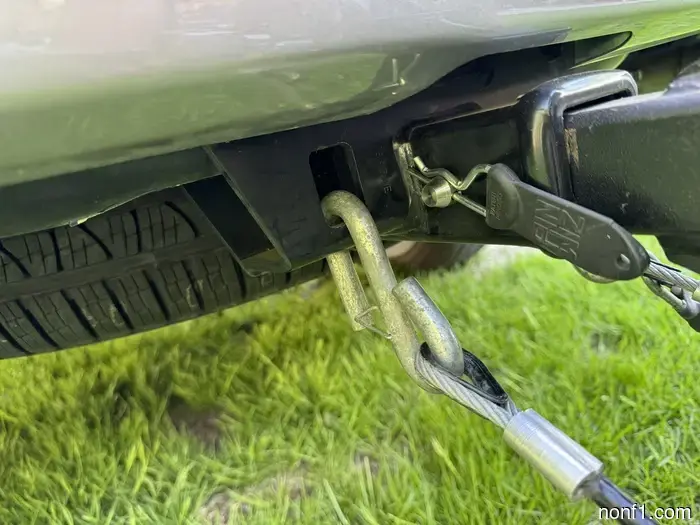
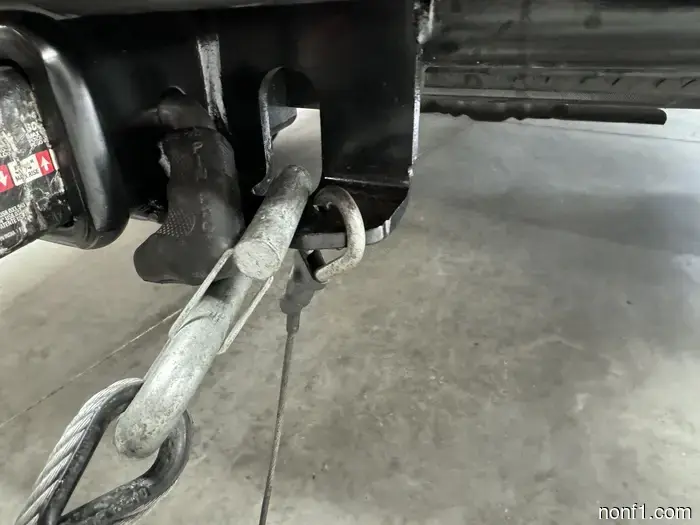
Toyota engineer Sheldon Brown explained that they designed this double-walled receiver for increased strength, durability, and safety. Visually, the safety chain hooks seem well-designed; however, they are too wide for some boats' emergency brake hooks to securely clip around, as shown in the right photo above.
The Chevy is (mostly) acceptable. Joel Feder
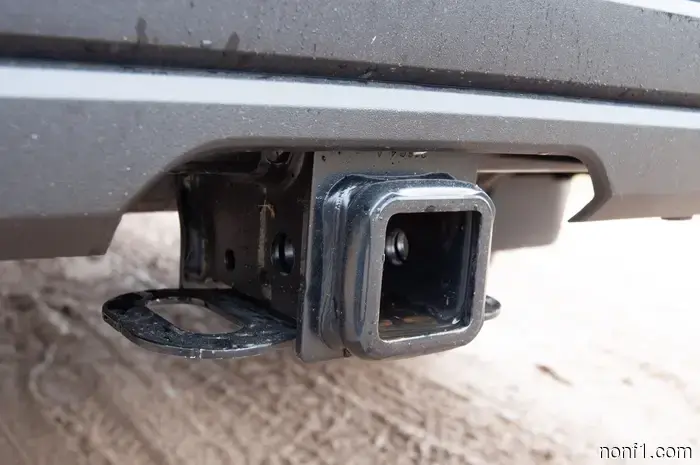
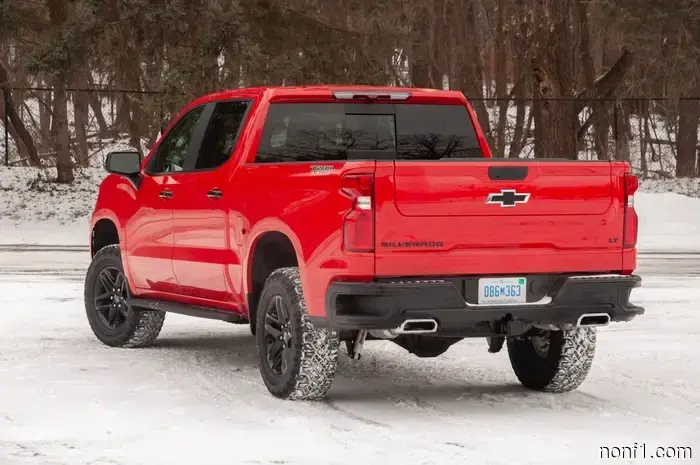
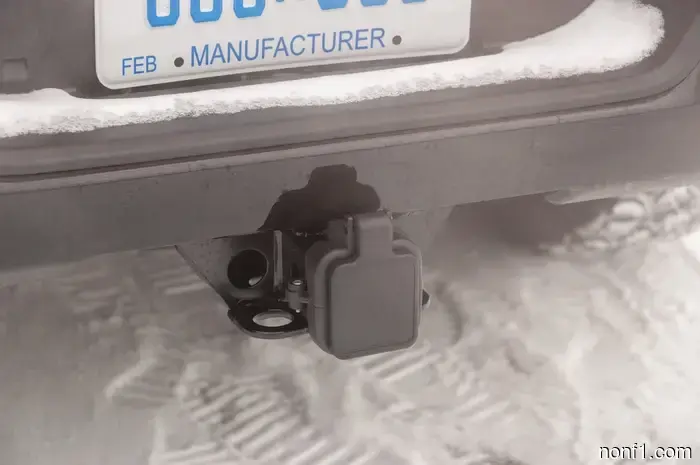
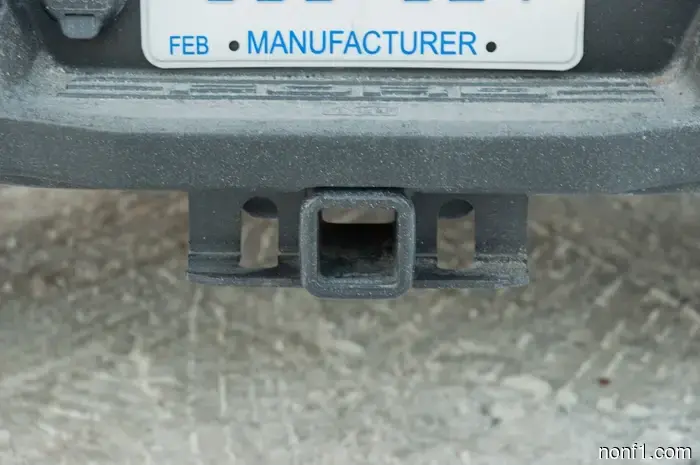
General Motors’ twins – the Chevrolet Silverado 1500 and GMC Sierra 1500 – rank somewhere in the middle. The receiver itself is adequate, with no standout features (except this particular truck had a cover on it at the time). The plug for trailer brakes and lights is positioned by the license plate, similar to other full-size trucks, which is fine but requires a longer cord than might be available with older trailers.
The safety chain connections are circular and conveniently located next to the receiver. Most safety chains won’t face issues, but the holes are not particularly large, which can create tight situations for trailers with larger hooks involving both safety chains and emergency brake connections. Fortunately, I haven't encountered issues with a smaller S-hook for the emergency brake pull.
Confusingly, there are additional holes drilled into the receiver’s bracket near the bumper. These are absolutely not meant for trailer safety chains, as a GM representative revealed to The Drive that they exist to “create room for the hitch pin.” In theory, that makes sense, but in practice, these extra holes lead to confusion about their purpose.
Ford sells millions of these every year. This really should be better. Joel Feder
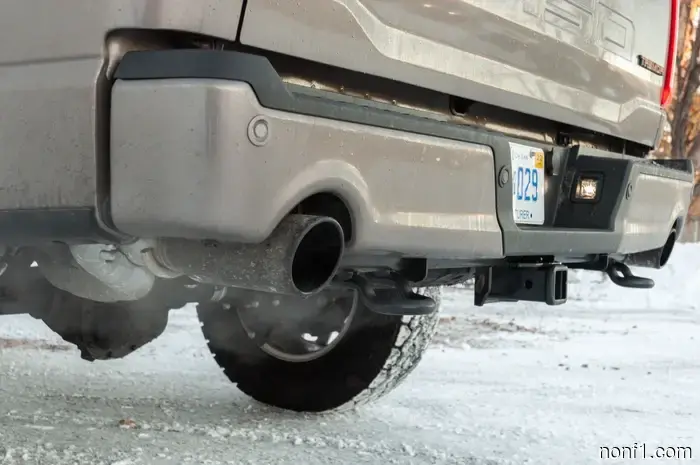
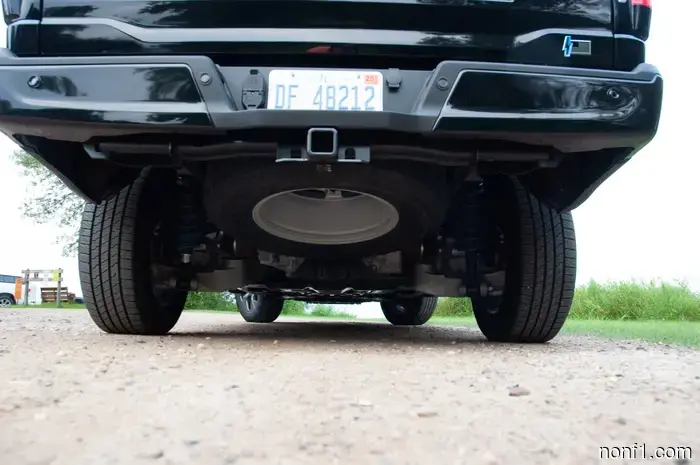
Now, let’s turn to the segment leader: the Ford F-150. One might assume it would naturally feature the best towing setup, but that assumption would be incorrect. Like other full-size trucks, the light hookup is located near the license plate, necessitating a longer cord. That’s a common theme at this point. However, the safety chain hooks are set back under the bumper and angled. While this angling facilitates attachment, their inset positioning makes visibility challenging. This often results in you being on one knee or crouched down to secure the trailer’s chains. Ford may claim this design allows
Other articles
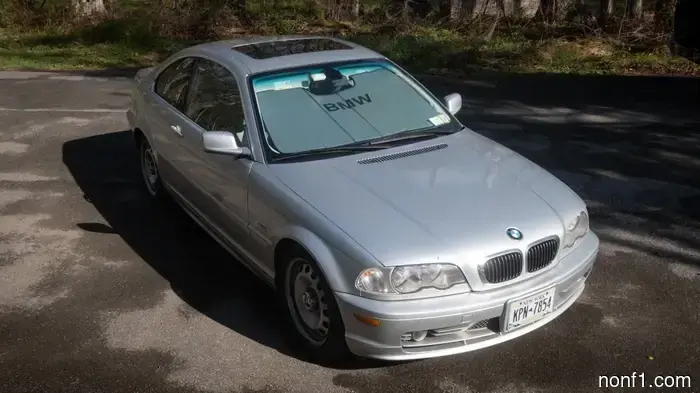 This is the summer when you should consider getting a windshield sunshade.
A basic sun visor can help prevent dashboard cracks and make your car more comfortable to enter!
This is the summer when you should consider getting a windshield sunshade.
A basic sun visor can help prevent dashboard cracks and make your car more comfortable to enter!
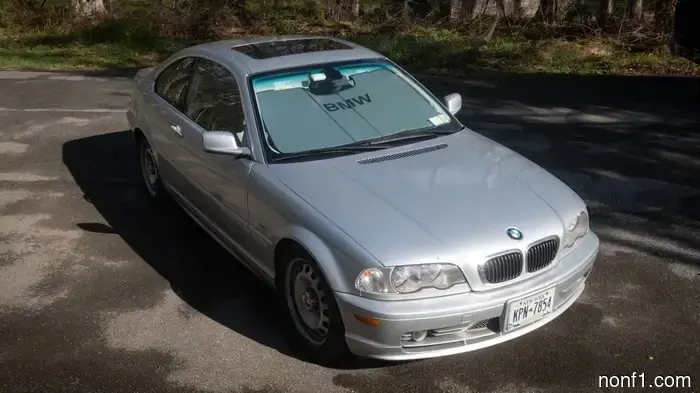 This is the summer when you should acquire a windshield sunshade.
A basic sun visor can help prevent significant damage to your dashboard. Additionally, it will make entering your car much more comfortable!
This is the summer when you should acquire a windshield sunshade.
A basic sun visor can help prevent significant damage to your dashboard. Additionally, it will make entering your car much more comfortable!
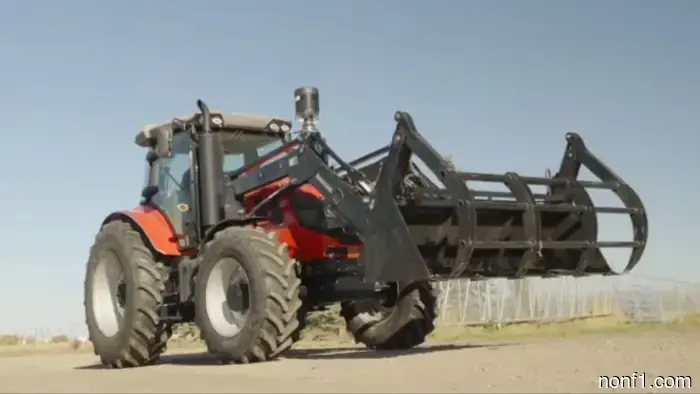 New Tractor Featuring 12-Valve Cummins and No Electronics Returns to Simplicity
Ursa Ag, based in Canada, is creating farm machinery that is both economical and can be serviced by independent repair shops.
New Tractor Featuring 12-Valve Cummins and No Electronics Returns to Simplicity
Ursa Ag, based in Canada, is creating farm machinery that is both economical and can be serviced by independent repair shops.
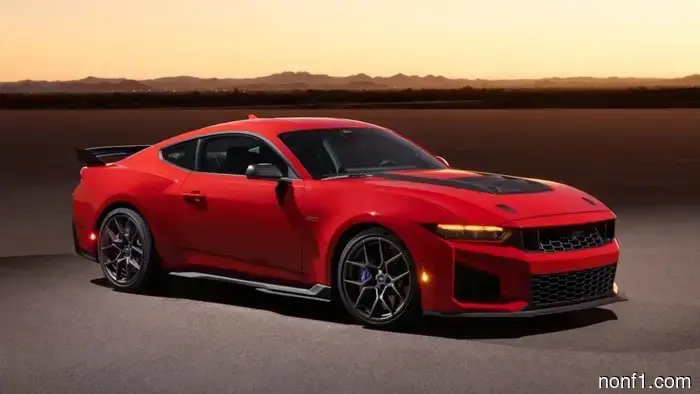 2026 Ford Mustang Dark Horse SC Provides GTD-Level Performance at a Third of the Cost
The new supercharged Mustang will produce almost 800 horsepower straight from the factory—just don’t refer to it as a Shelby.
2026 Ford Mustang Dark Horse SC Provides GTD-Level Performance at a Third of the Cost
The new supercharged Mustang will produce almost 800 horsepower straight from the factory—just don’t refer to it as a Shelby.
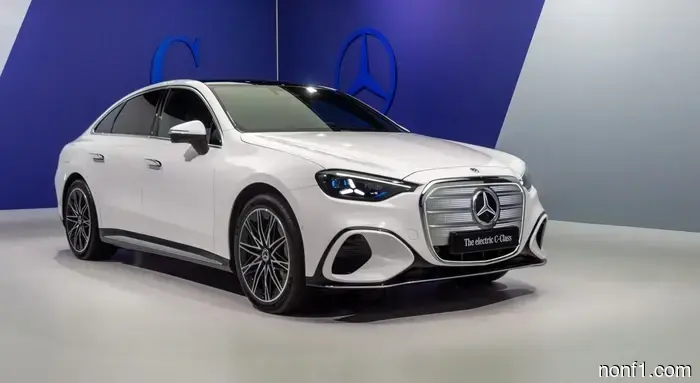 The 2027 Mercedes-Benz C-Class Electric has been unveiled, offering close to 400 miles of range along with an expansive fullscreen dashboard.
The legendary grille from the W126 era has been redesigned for the future and features backlighting with 1,050 illumination points.
The 2027 Mercedes-Benz C-Class Electric has been unveiled, offering close to 400 miles of range along with an expansive fullscreen dashboard.
The legendary grille from the W126 era has been redesigned for the future and features backlighting with 1,050 illumination points.
 Tesla FSD Streaks Function Gamifies Autonomous Driving Software: TDS
Tesla is transforming the use of FSD into a game similar to completing the activity rings on your Apple Watch.
Tesla FSD Streaks Function Gamifies Autonomous Driving Software: TDS
Tesla is transforming the use of FSD into a game similar to completing the activity rings on your Apple Watch.
The Honda Ridgeline has one advantage in towing that other trucks lack.
The small Honda truck may not tow as much as a full-sized pickup, but it boasts a superior overall design. Ironic, isn't it?