
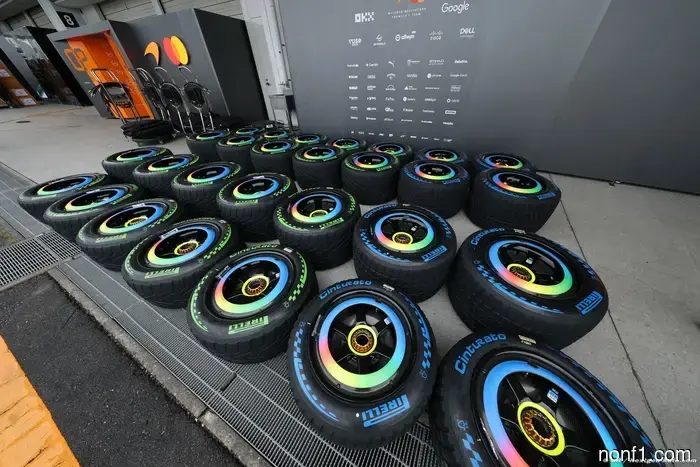
Pirelli anticipates an increase in two-stop races as the 2026 season advances.
"Drivers currently have about ten percent less grip available."
Pirelli anticipates more varied race strategies in 2026 as Formula 1 teams continue to evolve their vehicles. After the initial races were characterized by one-stop strategies, Pirelli’s motorsport director Mario Isola mentioned that this could change soon. "At some point, we’ll see more diversity in strategies again," he stated to Auto Motor und Sport.
Pirelli had to develop its current tyres using estimated data from the teams, making the process particularly challenging under the new regulations. "We requested data from all the teams to understand where the new cars’ limits are," Isola clarified.
However, initial data from the season indicates that the supplier may have been overly cautious, as most drivers have been able to finish races with just one pit stop. "The development was challenging. We only had the mule cars," Isola mentioned, referring to modified older vehicles used during testing.
"The actual cars have active aerodynamics. Now it’s not the straightaways, but other parts of the track that pose limitations." He also noted that current grip levels are lower than anticipated. "Drivers have about ten percent less grip available," Isola disclosed, pointing to reduced downforce and narrower tyres.
Nonetheless, as performance is expected to increase quickly with teams rapidly advancing their cars, tyre stress is likely to heighten. "Eventually, engineers will discover more efficient methods for charging the batteries. Then drivers will be able to push harder through corners again," Isola added. This development could reintegrate strategy into the races. "The aim is to reduce the difference between one-stop and two-stop strategies," he concluded.
Other articles
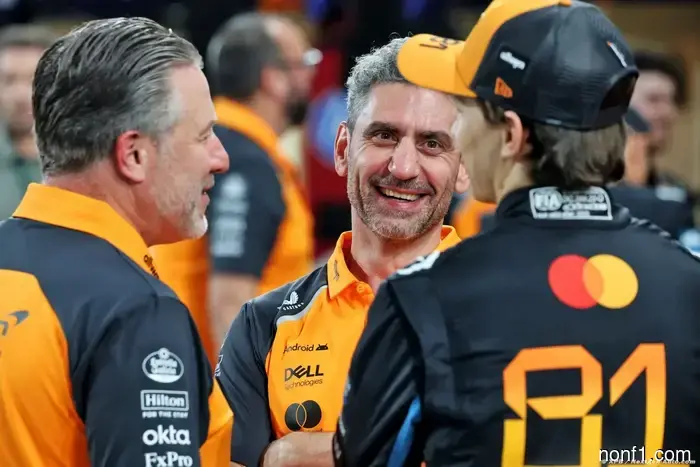 Brown disregards Stella-Ferrari speculations as 'absurd'.
Formula 1 | Zak Brown has strongly dismissed rumors suggesting that Andrea Stella might depart McLaren for Ferrari with the forthcoming arrival of Gianpiero Lambiase. (…)
Brown disregards Stella-Ferrari speculations as 'absurd'.
Formula 1 | Zak Brown has strongly dismissed rumors suggesting that Andrea Stella might depart McLaren for Ferrari with the forthcoming arrival of Gianpiero Lambiase. (…)
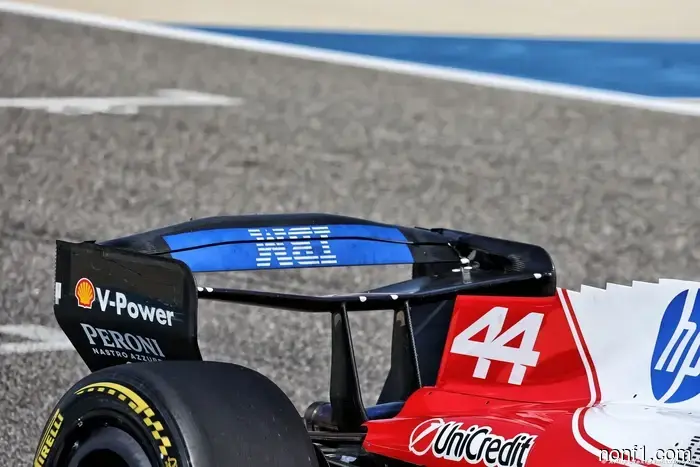 Ferrari's 'Macarena' wing expands while competitors introduce upgrades in Miami.
Formula 1 | The innovative 'Macarena' rear wing design from Ferrari is starting to make its way into the wider Formula 1 field, as Red Bull has begun testing the striking (…)
Ferrari's 'Macarena' wing expands while competitors introduce upgrades in Miami.
Formula 1 | The innovative 'Macarena' rear wing design from Ferrari is starting to make its way into the wider Formula 1 field, as Red Bull has begun testing the striking (…)
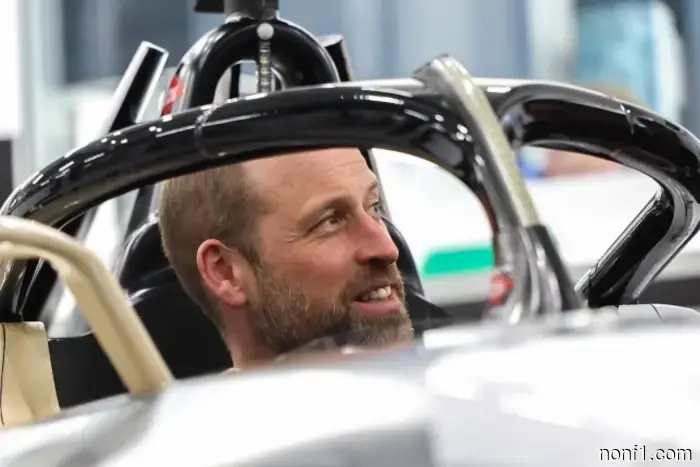 Formula E: The Prince of Wales visited the Jaguar Racing base
Prince William of Wales visited the Jaguar Racing base yesterday, accompanied during the visit by Mitch Evans and António Félix da Costa, drivers of the factory team of the British company...
Formula E: The Prince of Wales visited the Jaguar Racing base
Prince William of Wales visited the Jaguar Racing base yesterday, accompanied during the visit by Mitch Evans and António Félix da Costa, drivers of the factory team of the British company...
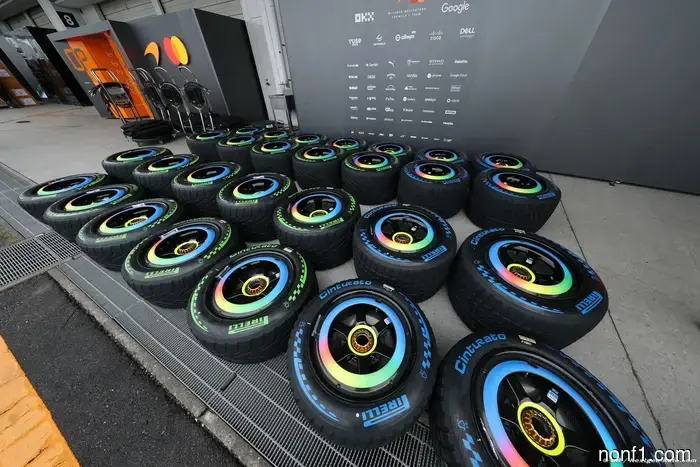 Pirelli anticipates an increase in two-stop races as the 2026 season unfolds.
Formula 1 | Pirelli anticipates a broader range of race strategies in 2026 as Formula 1 teams keep advancing their vehicles. Following the initial races that were dominated (…)
Pirelli anticipates an increase in two-stop races as the 2026 season unfolds.
Formula 1 | Pirelli anticipates a broader range of race strategies in 2026 as Formula 1 teams keep advancing their vehicles. Following the initial races that were dominated (…)
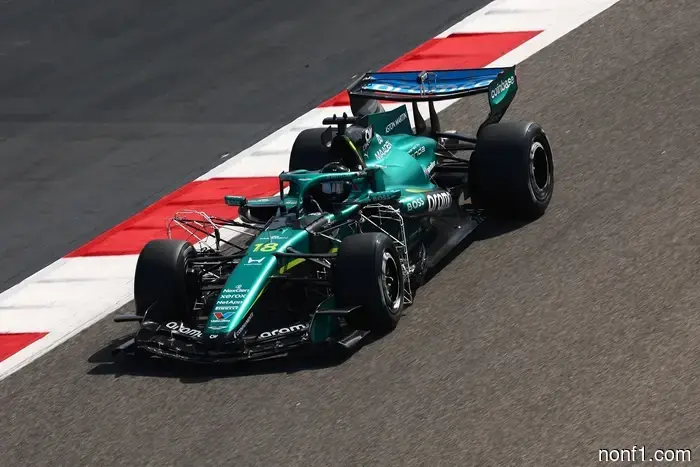 Newey's Aston concept described as 'unsuccessful design'
Formula 1 | Aston Martin's innovative 2026 car design has faced significant criticism, with an expert in Japan labeling a crucial design feature as inconceivable (…)
Newey's Aston concept described as 'unsuccessful design'
Formula 1 | Aston Martin's innovative 2026 car design has faced significant criticism, with an expert in Japan labeling a crucial design feature as inconceivable (…)
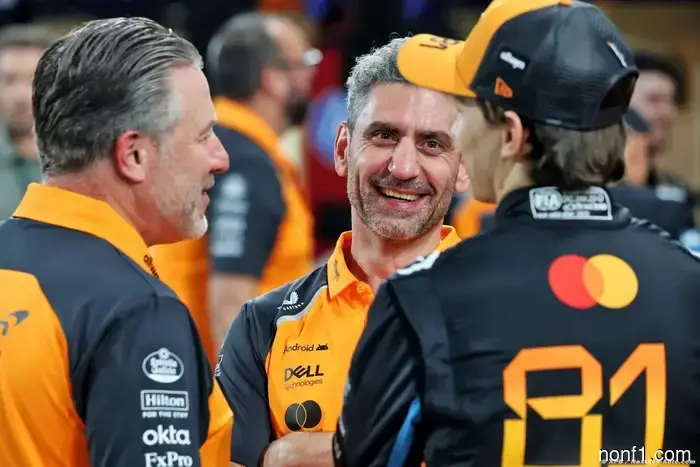 Brown regards the Stella-Ferrari speculation as 'nonsense.'
Formula 1 | Zak Brown has decisively dismissed rumors suggesting that Andrea Stella might depart from McLaren to join Ferrari with the anticipated arrival of Gianpiero Lambiase. (…)
Brown regards the Stella-Ferrari speculation as 'nonsense.'
Formula 1 | Zak Brown has decisively dismissed rumors suggesting that Andrea Stella might depart from McLaren to join Ferrari with the anticipated arrival of Gianpiero Lambiase. (…)
Pirelli anticipates an increase in two-stop races as the 2026 season advances.
Formula 1 | Pirelli anticipates a broader range of race strategies in 2026 as Formula 1 teams keep advancing their vehicles. Following the first races, which were primarily controlled by (…)